Feeds:
Posts
Comments

Archive for the ‘Herbs’ Category

Spring is getting into full swing here in the South East and the time for indulging in copious bowls of nettle soup is upon us once more. Each year I end up with a new favourite variation on this time honoured classic of wild food cuisine and this year I’ve managed the impossible. I’ve come up with a recipe that my husband not only tolerates, but actually enjoys too.

Creamy Nettle and Broccoli Soup with Wild Garlic Oil:

Ingredients-
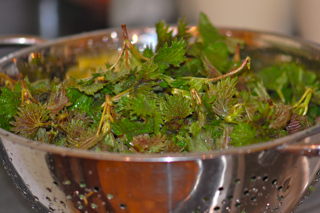
1 colander full of freshly picked and washed nettle tops
1 head broccoli
1 tin of cannellini beans
1 large onion or 3 shallots
3 cloves of garlic
Tablespoon olive oil
squeeze of lemon juice
stock and seasoning to taste
Wild garlic oil (and leaves if available) to garnish

This is such a quick and simple soup but the texture and flavours make it feel both nourishing and fulfilling. Begin by lightly frying the onion and garlic in the olive oil until softened but not brown. Add the stock, cannellini beans (pre-cooked) and broccoli to the pan and cook until broccoli is tender. Add the nettle tops and a squeeze of lemon and cook for a few minutes until the nettles are wilted and soft. Add seasoning to taste and blend to a thick and creamy consistency. Garnish with a drizzle of wild garlic oil and, if available, some freshly chopped wild garlic leaves and violet flowers.

To make the wild garlic oil you simply lightly pack your blender with freshly picked wild garlic leaves and add somewhere in the region of 250ml virgin olive oil. Blend until you have an almost smooth vibrant green oil. This will last a couple of weeks in the fridge and can be added to soups, salad dressings or smeared on crackers. I always add it at the end though as wild garlic looses much of its flavour when cooked.

You can read my last year’s nettle soup recipes here and my recipe for wild garlic pesto here.

I hope  those of you in the Northern hemisphere are enjoying your spring bounties too.

Read Full Post »

Your art is to be the praise of something that you love. It may only be the praise of a shell or a stone.
John Ruskin.

This is my little offering for the March Blog Party, the topic of which is herbal creativity. I must apologise if this post is a little rambling and incoherent, it started of in quite a different place to the one in which it ended and I fear the part of it that made sense may have got lost somewhere en route!

It occurred to me as I turned my mind to the topic of herbal creativity that nothing has quite the same creative potential as nature herself. One man who understood this well was Johann Wolfgang von Goethe, whose work is testament to the depth of understanding that can be achieved when we enter into a communion with nature rather than imposing rigid theory upon her. He sought to understand the unity inherent in nature through a technique of contemplative observation which harnessed the cognitive perception of the mind rather than denying its existence. Where as empirical science sought to understand nature through objective observation of phenomena, then impose theory upon it, Goethe understood that pure sensory experience is not possible and that understanding only arises through a meeting of sense perception and mental faculties. What we perceive therefore, arises at the meeting point of mind and matter, “the complete phenomenon is visible only when there is a coalescence of sensory outsight with intuitive insight.”

For Goethe, science “involves not only a rigorous training of our faculties of observation and thinking, but also of other human faculties which can attune us to the spiritual dimension that underlies and interpenetrates the physical: faculties such as feeling, imagination and intuition.”

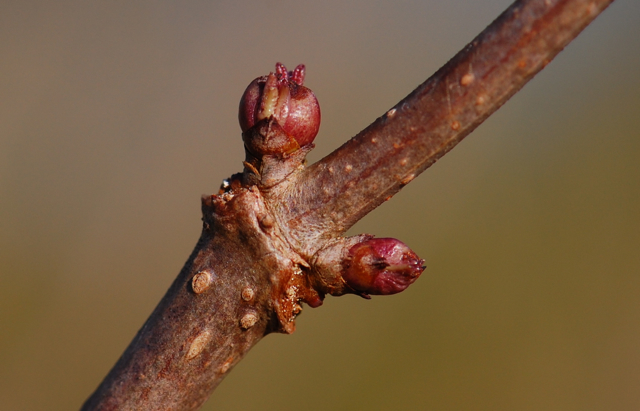
I wrote a post last year on working with Goethean observation in deepening my relationship with Comfrey which you can read here. This year I found myself captivated by the emerging buds of my favourite Elder and I decided to attempt the process once more.

When working with this technique it is wonderful if you can observe your chosen plant at least once a day as this allows for a deep observation of the subtle changes which are occurring. This wasn’t a possibility for me at this time so I had to content myself with twice weekly visits, all of which still afforded me a magical view into the dynamic processes involved in the life of this beautiful tree.

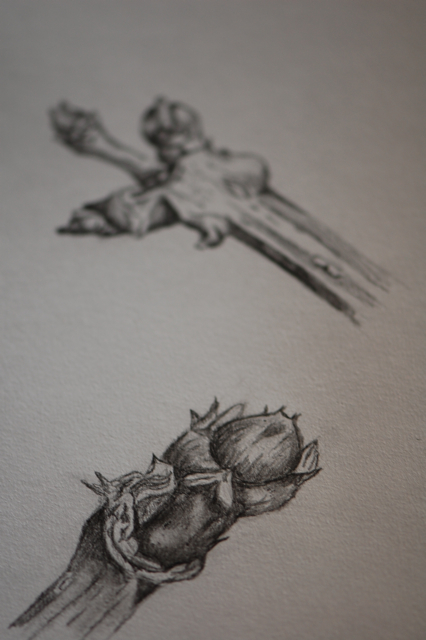
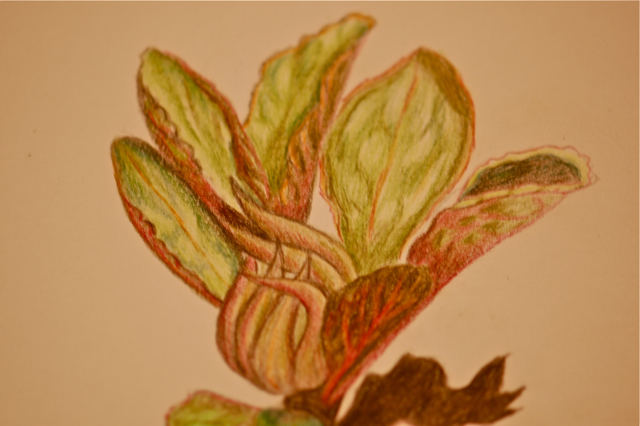
When I had a little more time I opted to draw the buds as this requires a much more profound engagement and necessitates a far deeper level of observation. Mostly I made do with photographing the changes I observed though and scrawling a few key lines in my notebook. The object here is not to produce a piece of fine art but to engage with what we see in a way that allows for a relaxing of our normal consciousness that sees the plant as ‘out there’ and ourselves as ‘in here’ and enables a kind of flow to arise which recognises both the seer and the seen as being at one.

“I would rather teach drawing that my pupils may learn to love nature, than teach the looking at nature that they may learn to draw.”

John Ruskin

Goethe realised that scientific, or indeed any truth is active and not passive, just as the observer themself is dynamic and ever changing. By entering into the flow of the plant he was able to see that each part is a metamorphosis of another. In botany we are accustomed to looking at and identifying different plant parts, such as leaves, sepals, petals and stems. When we pick a plant, press it and make a herbarium specimen -the traditional way of recording plants in botany- we only get a snap shot in time rather than facilitating an understanding of the continual metamorphosis of the plant, how each part belongs to a developing whole which is never static but forever adapting to the environment around it. He explained, “The variation of plant forms, whose unique course I had long been following, now awakened in me more and more the idea that the plant forms around us are not predetermined, but are happily mobile and flexible, enabling them to adapt to the many conditions throughout the world, which influence them, and to be formed and re-formed with them.”  In fact Goethe’s ideas were to become key in the developing theories of evolution.

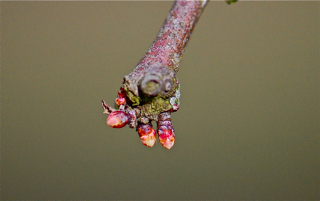
What a wonderful thing it is to see new life emerging. By practising Goethe’s technique of gentle observation I was able to witness how each part of the Elder gradually transforms into another. How the stem lengthens into buds along its nodes. How from the buds emerge six little leaves parting slowly to reveal the sepals, like hands clasped in prayer, protecting and holding their treasure within.

Slowly, as these hands begin to open we see another transformation has taken place. Somewhere, hidden from sight, the tiny beginnings of the elderflowers have formed. These in turn will open out and become the large, flat, white flower heads that mark the beginning of summer in June. As the year continues to turn they will become the ripe black elderberries that will help keep us healthy all winter long.

At what point in time can we say the elderberry is born? When the first buds appear? When we see those first little clusters that will become the flowers? Or not till later, when they become recognisable as such? We tend to see bud, flower and fruit as separate instances in time and neglect the thread that runs through all, from life to death and back again.

Taking any point in time as static can tend to inhibit understanding rather than promote it, and that is why practising Goethean observation can be so transformative. We stop looking for a phenomena that is inherently existing, as we Buddhists say, “from its own side’, and start to understand that life and its myriad expressions are part of a continuum that is constantly creative, never still, always metamorphosing.

“How difficult it is not to put the sign in place of the thing; how difficult to keep the being always livingly before one and not to slay it with the word.”  Goethe.

Through our own creative process we can start to become one with the miraculous creative process of  all nature.

Please pop back tomorrow when I’ll be posting the links to everyone else’s creatively inspired ideas.

References:

Henri Bortoft – The Wholeness of Nature – Goethe’s Way of Science
Peter Tompkins and Christopher Bird – The Secret Life of Plants

Read Full Post »

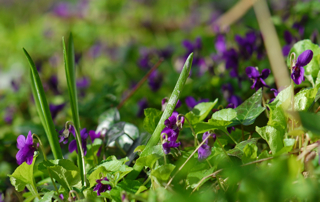
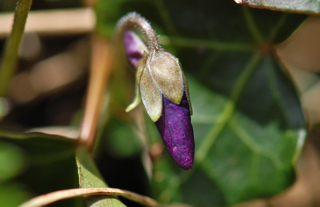
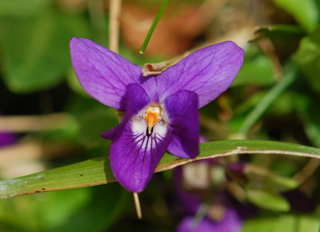
There is a small area of woodland near my house which is filled with violets at this time of year. If you stumble on them unawares they will quite take your breath away. Sometimes the smell is barely detectable but when the sun is shining and the breezes blow, it is utterly divine. I have harvested twice from this patch over the last couple of weeks in order to make an infused honey, an infused oil and a flower remedy. Coming home with a harvest of violet flowers is like carrying a bag of precious jewels, truly a privilege. Unless they continue to bloom so prolifically, I will seek another patch to harvest for a tincture as it’s so important to remember not to over harvest one area.

The sweet violet flowers we know and love are what is known in botany as chasmogamous flowers, those that display their stamens and style for  insect pollination, but many species of viola also produce tiny self pollinating flowers later in the year which are known as cleistogamous. This means that we can be a bit freer with our harvest than we might otherwise be but we should still remember that insects need the flowers for an early source of nectar and therefore not take too many. Also, a beautiful patch of wild violets is enjoyed by many passers by and its not fair to strip it bare.

As a herbal remedy Violet is used most often for it’s soothing, demulcent properties found in the leaf and flower. Being cool and moist they are particularly good for conditions where there is heat such as inflammation and irritated coughs. Culpepper wrote, “A drachm weight of the dried leaves or flowers of Violets, but the leaves more strongly, doth purge the body of choleric humours and assuageth the heat if taken in a draught of wine or other drink.”

Three species are used medicinally, Viola odorata, V. tricolour (the wild pansy) and V. yezoensis (the chinese violet).  The wild dog violet is one of the most common violets found in the UK but it lacks scent, unlike the odorata, though it is still mucilaginous.

Violets are also gently cleansing and decongestant and can be used safely for helping clear the chest and sinuses. Combined with their anti-inflammatory effects and their antioxidant content, this makes them particularly helpful for allergies. You can read Danielle’s fantastic post about treating seasonal allergies here.

They are also specific for a sluggish lymphatic system and make a very valuable spring tonic herb for getting everything moving again after a stagnant winter. This makes them helpful for breast swellings and mastitis and many sources recommend them for cancer treatment. Used as a poultice and taken internally as tea or tincture they were a traditional remedy for breast cancer. I think they resonate with this area of the body particularly as they are, to me, a remedy of the heart. It is with a slight sense of shame that I realise I left them out of my herbal hugs post back in January as they are certainly deeply comforting and loving in their energy. In fact Violets were used by the ancient Greeks in potions for love and fertility.

I also like to use violet as a skin remedy. Both the odorata and the tricolor, better known as heartsease, which flowers a little later, are very valuable in oils or washes for a variety of skin ailments. Their cooling, soothing and protective properties can be used on both dry and weeping eczema as well as acne and irritated, itchy skins. The leaves and flowers contain volatile oils and saponins both of which are extracted well in an infused oil which can then be made in to a lovely cream. I like mine combined with chickweed, speedwell or lavender infused oils depending on the person it is for. For acne treatment I would use it as a wash rather than an oil based preparation.

The flowers and leaves are a very gentle laxative and are often given to children in syrup form to ease their bowels. The root however is a strong laxative and purgative and in high doses will cause vomiting, so be wary.

Also be sure not to use the house plant, African violet, which is poisonous!

The flower remedy is a particularly special preparation which holds many great lessons for us. It is for those who have a very pure vision of the way they feel the world should be. It is a remedy of the imagination, for promoting and holding a clear and positive vision and returning us to a sense of child-like joy and wonder that can heal despondency and the fatigue caused by living in a challenging world.  The sweet violet helps us stay centred in the place where love and imagination have the power to manifest physically and create a better world as a result.

The upper petals are open to give and receive but the perfect gold centre is protected, so the visions held cannot be compromised by the challenges of this world. The fine veins running through the petals are like nerves, indicating the extreme sensitivity of the violet personality. Their heads seem to hang heavy indicating how weighed down these folk can feel by the suffering they see around them. They grow close to the ground indicating how the remedy can help in grounding our dreaming into the here and now and stabilising us when times are tough. The large heart shaped leaves unfurl from the centre enabling us to open our hearts to all life’s experiences whilst remaining equanimous, grounded and free.

A perfect remedy for our troubled times, the violet is one of my favourite flowers.

It was truly a blessing to have such a bright sunny morning for making my flower essence. I’ve spoken to flower remedy makers who do theirs whatever the weather but I find there’s nothing like sunshine to result in a wonderfully energised remedy. You can read my post on how to make your own flower remedies here.

Violet infused honey is such a treat and you can leave the flowers in to add a decorative and delicious touch to your food. It has many of the same properties as the syrup but is simpler and better for those who seek the medicinal benefits of honey rather than using sugar. An added advantage is that you don’t have to heat the flowers or honey at all so none of the antioxidants or vital enzymes will be destroyed. I had thought I wouldn’t bother at all with a syrup this year but Sarah Head posted such an enticing recipe here which involves a magical colour change, so I might have to do a small batch after all!

To make the honey just fill a jar with violet flowers, cover with a reasonably runny raw honey and stir with a chop stick. let infuse for a fortnight or so and then enjoy. The flowers tend to float to the top so just turn the jar or give it a stir now and again to ensure everything is well mixed.

The violets have also been gracing my food regularly over the past couple of weeks and I find nothing more cheering than their beautiful colour mixed here with the leafy greens of my lunch which consisted of quinoa, walnuts. sunflower seeds, cleavers, tender new hawthorn leaves, viola flowers and lemon juice.  It was a delight for all my senses.

Read Full Post »

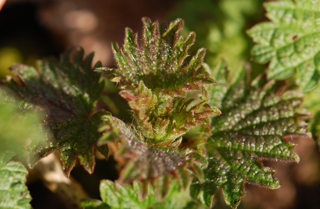
They’re back and they’re bad – as my fingers, still stinging two days later, can attest. So far this year I’ve only picked a few nettles, to add to teas or green juices, so it was a pleasure to get out in the bright sun this weekend and gather some fresh young tops for making a spring tonic tincture.

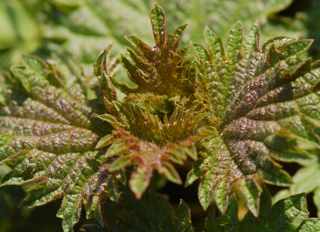
Sarah Furey told me that Stephen Church of The Herbarium told her (who says the oral tradition is dead) that the young nettles appearing at this time of year which have a reddish tinge to their leaves are particularly high in minerals and make for an exceptionally nourishing spring tonic tincture. It makes sense doesn’t it, when you think that the reddy colour can often signify the presence of iron.

This is one of those wonderful examples of how using our senses to observe the subtle changes in plants throughout the year can give us so many clues as to their healing virtues.

Later, when the nettles grow tall and vibrantly green, their diuretic and kidney tonic properties are more prominent.

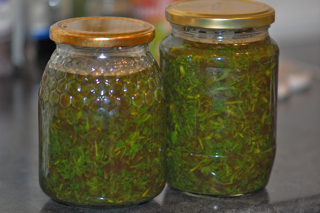
In the true spirit of enquiry, I decided to make two nettle tinctures this year to compare and contrast the differences in taste and action.

I gathered enough young nettle tops for a couple of litres of tincture, washed them thoroughly and allowed to drain. I made a 1:2 tincture but, as the nettles were fresh, it will probably end up more in the region of a 1:3. If you’d like specific advice on tincture making, the best place to visit is the afore mentioned Herbarium which has brilliant instructions for making tinctures from various different plant parts. You can read the first part of the series here.

I packed my blender with the nettles and alcohol (vodka is fine for this tincture) and pulsed it until the nettles were nicely broken down but not pureed. Then it went into the jars where it will macerate for two weeks in a cool dark place being shaken and blessed daily.

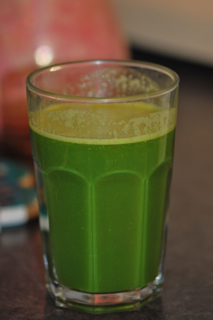
And there were just enough left over to add to a green juice with some cleavers, fennel, celery, cucumber, apple and ginger.

Delicious and radiant, the nettle is so abundant and full of virtues we should count ourselves very lucky to be surrounded by it.

Read Full Post »

February Hawthorns

One of my favourite Buddhist meditation teachers, Venerable Antonio, used to remind us during the long days of sitting practice in retreat that, whilst it may feel like nothing is happening, in fact everything is happening, we are just not so good at paying close attention.

At this time of year everyone is getting impatient for spring and the last days of cold, grey weather seem to drag on interminably. It seems like nothing is happening but, when we look closely, we can see that actually everything is happening!

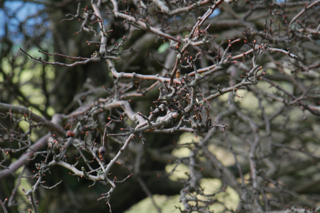
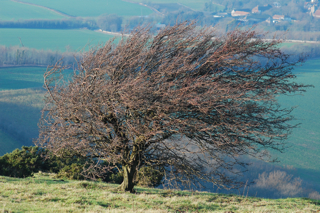
This is how I felt whilst observing my Tree of the Year this month. Nothing much was changing at first glance and the escarpment Hawthorns looked as wintery and asleep as last month.

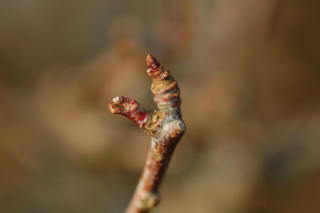
Looking a little closer I could see that perhaps changes were appearing after all…

Do you see the tiny buds? Look closer still…

And even closer …

Lean in…

And marvel at the beauty and potential held in the smallest of things.

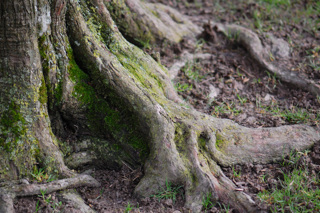
Now is also a fine time to admire the twisted roots of Hawthorn, before we get distracted by leaf and blossom. Like miniature landscapes they rise and fold, their contours are at once hard and soft and I’m quite convinced the faeries live amongst them.

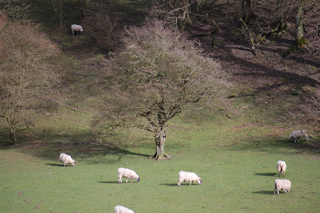
On the way back down I took a detour to visit another of my favourite Hawthorns. Sheltered beneath the Downs she can grow straight and tall compared to the trees at the top who are forever bent to accommodate the unrelenting winds. I’m convinced the quality of the medicine from the two trees will reflect the differences in their circumstances and, this year, I will make flower remedies and tinctures from both to compare.

Hawthorn blossom allows us to expand and flourish and I imagine that a remedy from the escarpment Hawthorn would lend us strength to do this in even the most adverse conditions where as one from the second tree would allow us to create a sheltered, loving and safe space in which to grow.

Read Full Post »

Cinnamon is one of my favourite kitchen cupboard herbs. With a multitude of uses and a rich, sweet and pungent flavour, it’s no wonder it’s so popular in culinary and medicinal recipes.

The cinnamon we commonly find in the supermarket is Cinnamomum zeylanicum, or Ceylon cinnamon, which is native to Sri Lanka as the name implies. There are several varieties of cinnamon used in cookery but the other type most widely used medicinally is Cinnamomum cassia. This is a stronger and more pungent variety native to China and is usually what will be referred to as cinnamon in any Traditional Chinese Medicine texts. The inner bark is most often used but the twigs also have a place in TCM with slightly different indications. C. zeylanicum is the only variety I have worked with medicinally and, though it is sweeter and milder than cassia, I have found it to be a great ally in healing a wide variety of ailments.

The use of cinnamon stretches back further than history. It was imported to Egypt around 2000 BCE and is mentioned several times in the Bible. Offered to kings and Gods it was once worth more than silver and colonial powers expended many lives and resources attempting to gain a monopoly on it. How fortunate we are now to have such easy access to cinnamon that we can all be Goddesses and Kings in our own kitchens!

Stimulating, warming, pungent, aromatic and sweet it is an ideal remedy for this time of year to help get us through the last of the cold weather, boost the circulation and raise the spirits. It’s commonly added to hot drinks for the treatment of colds and flus, not just for its warming and diaphoretic qualities but for its potent antibacterial and antiviral activity as well.

It also has some anti- fungal properties and some herbalists recommend its use in the treatment of gut dysbiosis, or an imbalance of gut flora, symptoms of which may include bloating, gas and colic. This makes sense to me because these afflictions often occur where there is a lack of ‘digestive fire’ which cinnamon most certainly helps to boost. In layman’s terms this means that the digestion is weak and food is not properly broken down encouraging opportunistic bacteria and fungi to flourish in the gut and compromise the balance of healthy bacteria. Cinnamon not only enhances digestion and absorption but stimulates the appetite and calms nausea. Being astringent due to its high tannin content, it has been traditionally used as a gentle remedy for diarrhoea in children and the elderly.

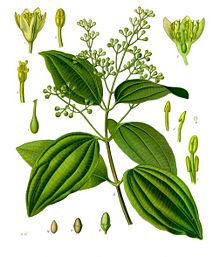
Cinnamomum zeylanicum. Image courtesy of Wikipedia.

Aside from its benefits for digestive health cinnamon is a prime remedy for the respiratory system. When I take cinnamon tincture it is in the lungs that I first and most strongly feel its effects as it immediately opens the chest and deepens breathing. This is in part due to the high volatile oil content which lends cinnamon its aromatic qualities. It is most useful for moist, phlegmy coughs where it has an expectorant action and helps dry mucus. I have also found it useful where there is shortness of breath due to tension and stress as it gently relaxes and expands the lungs allowing for deeper breathing to occur. An essential oil is made from cinnamon which I particularly enjoy in the oil burner (it’s lovely mixed with orange or tangerine) though it’s really too potent for use on the skin.

Useful for women’s health it can ease symptoms of PMT, menstrual cramps and heavy bleeding as well as being antiseptic for urinary infections. In Chinese medicine it is considered specific for the kidneys and, according to Leslie Tierra, it treats many symptoms of deficient kidney yang such as “cold limbs, weak back, frequent urination and fear of cold.”
Cinnamon has gained fame recently for its ability to help maintain stable blood sugar levels making it useful in insulin resistance and type II diabetes. Studies have shown it can significantly help to lower glucose levels in the blood due to its insulin potentiating effects. It is no coincidence then that cinnamon has traditionally been used in sweet desserts as it not only tastes delicious but also helps balance our blood sugars after such indulgences!
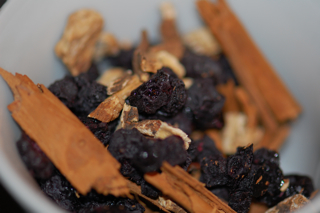
One of my favourite ways to enjoy the balancing effects of cinnamon is in this lovely tea which I like to drink during that mid afternoon slump when many of us suffer from a lull in our blood sugar levels. It contains a heaped teaspoon of bilberries, a heaped teaspoon of burdock root and one stick of cinnamon broken into pieces. The herbs are decocted or simmered gently in enough water for two mugs worth and then strained and drunk. All three have been used to balance blood sugar and the tea is surprisingly sweet and delicious in itself.

Blood sugar balance tea.

I also like to capitalise on the digestive properties of cinnamon by making an infused vinegar of cinnamon, cardamon and bay leaves. This can be easily done by adding equal quantities of each herb to a jar with a plastic lid (vinegar erodes metal) then covering in apple cider vinegar and leaving to infuse for a month. These three herbs are used together in many Ayurvedic formulas for improving the digestion and are collectively known as the ‘Three Aromatics’. Infusing them in vinegar seemed to me a good way of incorporating them into my diet on a daily basis as it can be used freely on salads and veggies or taken in warm water with a little honey. As the great Hippocrates said, ‘let food be thy medicine’.

I also like to make a cinnamon tincture for use in individual formulas. This one was made in 45% alcohol, 1 part herb to 4 parts liquid but it would be very simple to make via the folk method which simply involves filling  a jar with broken cinnamon quills, covering it in vodka and leaving to infuse for 2 weeks if you want more of the aromatic qualities or 4 weeks if you want a more astringent tincture for use in diarrhoea or heavy menstrual flow.

Of course you can also use powdered cinnamon freely in food and drinks. It’s delicious on porridge, in smoothies or mixed into a paste with a little raw honey to make a healthier version of cinnamon toast. Hey, if its good enough for royalty then it’s good enough for me!

Read Full Post »

I visited my Tree of the Year once again a few days ago to observe the subtle changes that are taking place for this Hawthorn as the winter rolls on and we come to the end of January.

She hangs on the edge of the escarpment, ravaged by wind and by rain and the weary passage of unforgiving winter days and shows me how character may be formed at the confluence of hardship and beauty.

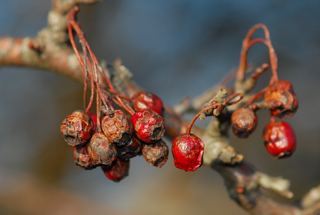
Those berries that are left so late in the season are withered and blackening but buds are starting to form and a new growth of thorns offer their protection.

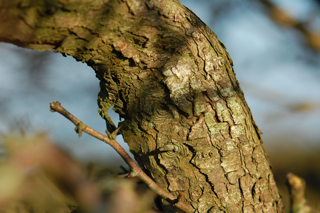
Whilst the bark of her trunk is textured, old and cracked, her branches have a wonderful smooth reddish skin.

One of the many things trees can teach to us mortals is the way to be young and old simultaneously, the balance between retaining and renewing wherein lies the path to wisdom.


There is nothing straight or symmetrical about these Hawthorns, they twist and bend as nature dictates and, in so doing, they endure.

Until the leaves and blossoms come to soften their forms, they stand stark in their sculptural beauty, yielding yet defiant against the changing palettes of relentless January skies.

Read Full Post »

My Herbal Hugs

I have often observed that most herbalists have their own style, that is the herbs they gravitate to most often which tend to reflect the lens through which they see health and healing. Some always focus on detoxing, others believe regulating the digestive fire is key to most health imbalances. Some nearly always add an adaptogen to their formulas, others a liver herb or a nervine. Whilst these will be chosen according to an individual’s constitution and specific health issues, most herbalists that I have observed still seem to  have their own angles of approach to treating their clients. You could say this says more about the practitioner than the patients but we all bring something of ourselves to our treatments, whether we acknowledge it consciously or not. For a long time I pondered what my ‘style’ was and couldn’t initially find a pattern. Then, one day recently, as I was looking over past formulas it came to me… I’m a herbal hugger.

What I mean by this is that I particularly enjoy a gentle, nourishing and loving approach to herbal medicine and most of my formulas will include one or more herbs that I consider to be supportive, comforting or uplifting, in other words, ‘herbal hugs’. So many people I see are low, confused or have a feeling of alienation that giving herbal hugs has become an integral part of my philosophy. Of course this approach isn’t suited to everyone as each individual is unique but herbal hugs can be found to treat most constitutions be they cold or hot, moist or dry, grounding or uplifting.

Lots of us need a good hug from time to time and these are some of my favourite herbs for doing just that; Avena (milky oats/ oatstraw), Tilia (lime or linden blossom), Hawthorn, Chamomile, Rose, Melissa, Lavender, Ashwagandha, Tulsi, Cardamom, Rosemary, Chen Pi (orange peel) and Vanilla.

Wild Rose

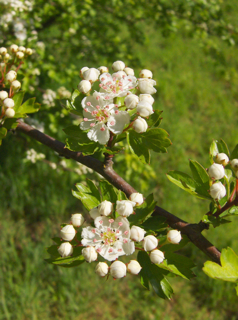
Hawthorn Blossom

As well as using them therapeutically, I love to use herbal hugs in the kitchen, making tea blends, elixirs, herbal powders, infused honeys and electuaries. I also like to use the infused oils and essential oils in the bath or as massage oils to give me a lift after a long day.

Here are some of my favourite herbal hugs, I hope you enjoy them too.

Teas- A nice cuppa is the simplest and often the best way of giving yourself a herbal hug. Most of the herbs listed above make lovely teas as either simples or combinations. I already posted many of my favourite herbal hug teas in December’s blog party but, for those of you that missed it, they include; Lavender, Vanilla and Oatstraw; Rose, Orange peel and Cardamom; and Melissa with Rosemary. Anything with Avena in is usually a big hit with me too as it’s one of my favourite herbal hugs and Rose and Tulsi is another lovely combination.
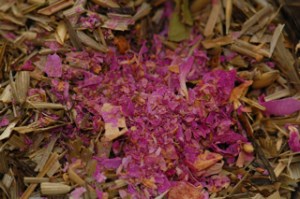
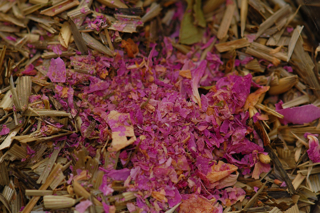
Rose petal and Avena tea.

Eixirs and Infused Honeys: Honey, bandy and delicious herbs, this is a combination that’s hard to get wrong. Elixirs are a lovely way of talking plant medicines , especially in cases when the sweet taste is desirable to build and nourish. Most of us are over sweet-ed these days so I often take these in small quantities, more as a treat than as medicine, though truth be told, when they are lovingly prepared with healthy ingredients, treats themselves can be healing. To make an elixir you need to lightly fill a jar with plant material, I like fresh when I can get it but this works just fine with dried herbs too, then cover with 1/3 honey and 2/3 brandy to fill the jar. Lid and leave to infuse for a month, though some delicate plants like fresh rose petals or lemon balm only need a few days. If I’m using dried herbs, like at this time of year, or several herbs in combination I usually leave for a month. Strain and re-bottle when the plant material has finished infusing. I love Tilia as an elixir, click here for my post on making it last summer.

Some of my favourite combinations for elixirs are; Ashwagandha, Rose, Cardamon and Vanilla; Tilia, Melissa and Rose: and Orange peel, Lavender and Avena but you could combine your favourite herbs to make a personalised ‘hug in a bottle’ elixir.

A lazy persons elixir can be made by combining tinctures and infused honey. I made this blend as a cooling, calming sweet medicine for my father in law last year to support his cardiovascular health. When I tasted it however I had to make some up for myself immediately and have been enjoying it immensely ever since!

Ultimate Hug in a Bottle:
Hawthorn Berry Tincture 25ml
Hawthorn Blossom Tincture 25ml
Rose 1:1 Tincture 10ml (if your rose tincture is weaker than this up the quantity and lower the others to balance it).
Rosehip Tincture 20ml
Tilia Blossom Elixir 20ml (Use Lime flower honey or regular raw honey if you don’t want to wait a month for the elixir).

The sweetness of the Tilia elixir with the fragrant quality of the rose and fruitiness of the berries makes for something quite special! As a medicine this would be a little cooling for some people at this time of year but as you want this more for the energetic effect rather than the physical (unless it’s suited to your constitution) just a few drops in a small amount of water is a sufficient dose.

Infused honeys are often like hugs in themselves, especially when made with delicious aromatic herbs like Melissa, Rose, Chamomile and Lavender.
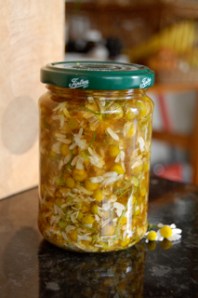
Chamomile infused honey.

Herbal Powders and Electuaries: Blends of powdered herbs make a really convenient way to include a little herbal hugging in your daily diet. One of my absolute favourites is a combination of rose, ashwagandha root and vanilla powders.

Powdered Rose, Vanilla and Ashwagandha Root.

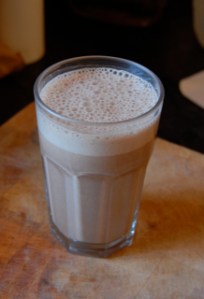
When all mixed together they can be added to smoothies, porridge or mixed with honey into a paste to make a delicious herbal electuary. This can be used as a spread or enjoyed in small quantities straight off the spoon. My favourite way to take it is in almond or hazelnut milk.

This delicious drink used 1/2 litre of freshly made nut milk (1/2 almond, 1/2 hazelnut), 1 heaped teaspoon of the powder mix and 1 teaspoon raw honey. It was divine.
I also make a blend of adaptogenic herbs that I always have to hand to add into foods and drinks when I need a bit of support. It’s made with equal parts Tulsi, Eleuthrococcus, Ashwagandha and Maca. Though I try to use local herbs the majority of the time, I do have a soft spot for this powder which always helps me stay centred and connected when things are stressful.
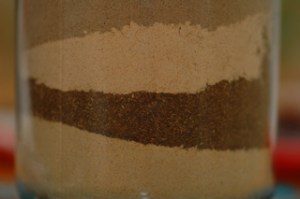
From the bottom; Eleuthro, Tulsi, Ashwagandha and Maca.

Essential Oil Blends: Lots of essential oils are comforting and uplifting but my favourite herbal hug blend is rose and tangerine. I make up a 2.5% blend in a carrier oil such as sunflower or sweet almond and use in the bath or add to a bottle with a rollette ball for easy application. A delightful way to use these oils is to rub a few drops under your collar bone and then take a few deep breaths. You can immediately feel your shoulders and chest opening out and your heart relaxing and opening. This technique was taught to me by my colleague and I’ve been a fan of it ever since. A beautiful herbal hug indeed.

Flower Essences: Lots of flower remedies could be classed as herbal hugs but my favourites are Chamomile, Calendula, Rose, Hawthorn Blossom and Tilia all of which are balanced, nurturing and uplifting, just like the best hugs.

Chamomile flower essence.


Big herbal hugs to you all!

Read Full Post »

This month one of my teachers and friends Sarah Furey has submitted a guest post for our blog party on herbal hugs. Being an old Druid at heart, one of Sarah’s favourite herbs is Vervain and here she shares some of the reasons why she loves it.

Pop back tomorrow to read my post for the Herbal Hugs Blog Party and on Thursday when I’ll share links to the posts of everyone who’s entered.

A HERBAL HUG FROM SARAH

My herbal hugs would have to include Vervain (Verbena officinalis), the sacred herb of the Druids who treated it with such reverence that only the chief Druid was allowed to take it from Mother Earth.


I first came across this plant when I was looking for herbs to help patients cope with the stresses of modern day living.  It is now my favourite herb for people who have overactive minds and who can’t relax when it combines well with Borage for the adrenals.

It is excellent for anxiety states and tension headaches.  As  a nerve restorative it works really well alongside Avena.  It is a powerful liver herb so works well for people who have trapped emotions – frustration or un-expressed anger.

Sadly it is not easy to find in the wild these days, though I did find some two years ago near Chanctonbury on the side of the Downs.  Of all places, I also found it at the top of a mountain village in Northern Spain this September.  I think the walking group thought I was crazy I was so ecstatic!

Now I grow it in my garden and have made a tincture for the past two years from the delicate flowering tops. The colour was tinged with a purple hue and for me, that adds to its magic.

Dried, it makes an excellent bedtime tea (as one who’s mind is often over-active!).

The flower essence I have made is for connecting to the Spirit World – of course.

Sarah Furey

Read Full Post »
Black Pepper (Piper nigrum) is a wonderful spice with a rich history and many uses in the kitchen and in the medicine chest. In Sanskrit it is known as Marich, one of the names for the sun, as it is thought to be filled with solar energy. It is currently the world’s most widely traded spice appearing on the tables of cafes and restaurants everywhere.

Native to India and Sri Lanka, I saw a black pepper plant in the flesh for the first time when I visited Kew Gardens last year, it was incredibly lush and attractive. In Ayurvedic medicine it’s actually the long pepper or pippali (Piper longum) that is most often used medicinally but we still see black pepper being used in remedies since antiquity. Black peppercorns are the dried fruit of the plant whereas white peppercorns, which have a milder flavour, are it’s seed.

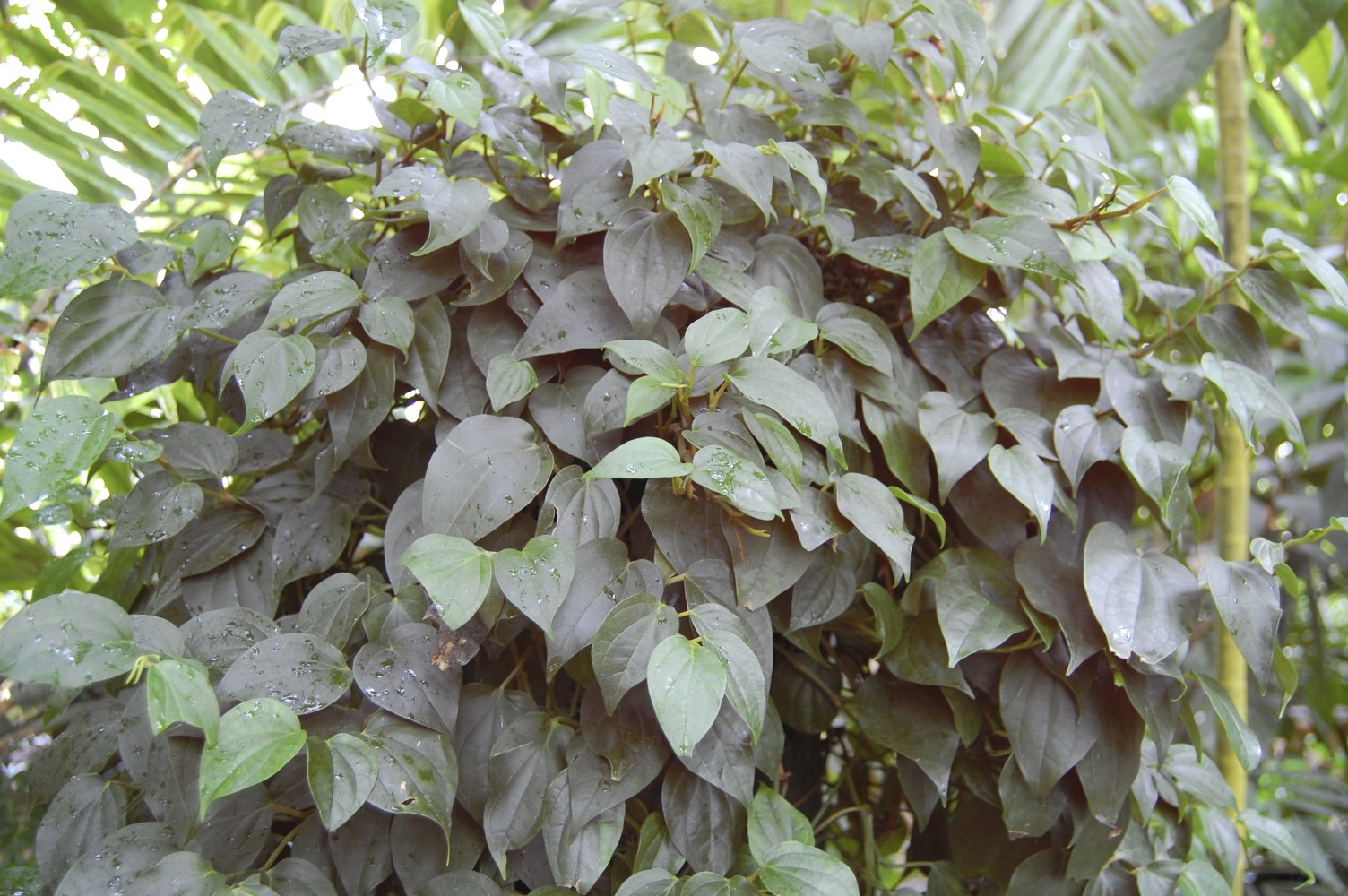
Black Pepper in the glasshouse at Kew Gardens in London.

Stimulating to the digestion, pepper is seen primarily as a remedy for indigestion, bloating, gas and malabsorption. Studies have shown that it not only increases the appetite and production of hydrochloric acid but improves digestion of many key nutrients such as the B vitamins, beta-carotene and selenium and various phytochemicals from other spices and green tea. This is primarily due to the piperine content which is also anti-carcinogenic, due both to this ability to increase absorption of other beneficial compounds and partly in its own right as it’s anti-oxidant and inhibits pro-inflammatory cytokines that are produced by tumour cells.

The taste is pungent and stimulating with heating and somewhat drying properties. As such it’s been used for treating colds and flus either as a decoction or as a powder mixed with a bit of honey or ghee. It is mucolytic and expectorant so helps break up congestion in the chest and sinuses. It’s a warming diaphoretic so best used when there is fever but without a productive sweat and with cold extremities. It boosts circulation throughout the system but is especially nice for people with cold hands and feet. It’s also thermogenic, increasing fat metabolism and helping weight loss.

Pepper is analgesic and has a history of traditional use for toothache where the powder is applied to the sore tooth. I sometimes like to add a little of the tincture to mouthwashes for its antibacterial effects and its ability to protect against tooth decay.

A decoction drunk several times a day is also thought to help with constipation though it would be best suited to chilly types whose constipation is not caused by constitutional dryness but by lax muscles, poor assimilation or low digestive ‘fire’.

Lovely botanical illustration of Black Pepper courtesy of good ol' Wikipedia.

In large quantities it can be irritating to the mucus membranes so I always stick to low doses; a few peppercorns in tea, a pinch of powder in honey or a good sprinkling on food. Because of this it’s contraindicated in very hot people or in conditions where there is a lot of inflammation in the GI tract, though externally it’s nice for inflamed joints or muscles.

The essential oil, in small amounts, is surprisingly gentle considering the nature of the plant. I tend to avoid many of the spice oils externally such as clove, nutmeg and cinnamon as they’re very potent, though I do enjoy them in my oil burner. Black Pepper, ginger and cardamon however are all lovely in salves and baths and pepper is especially nice for sore muscles, aches and pains, arthritis and pre or post sports rubs.  It can be used with cardamon and chamomile diluted in a carrier oil to make a lovely stomach rub for indigestion, gas and bloating and to improve peristalsis. It’s also a lovely detoxing oil due to its stimulating and metabolism boosting properties, I like it with juniper and grapefruit oils for a detoxifying bath mixed with some epsom salts and a little carrier oil before being added to the water.

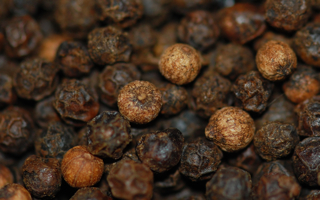
Pretty, pungent and peppery.


Here are some of the other ways I use black pepper:

Decoctions and Infusions- I always add some peppercorns to my chai spices either in decoction or infusion.  I also like a few brewed with rose petals as an infusion. If I’m infusing rather than decocting the peppercorns I always grind them up in a pestle and mortar first to release the volatile oils and aid extraction of the other medicinal compounds.

Vinegars – A few peppercorns make a luscious addition to a fruit vinegar such as blackberry, raspberry, rosehip or hawthorn berry lending it just a little pungent kick.

Elixirs and Syrups- Again adding a few peppercorns to a winter elixir such as elderberry, hawthorn or sloe gives it a lovely warming boost and pepper in elderberry syrup is one of my all time favourite additions.

Infused oil- Pepper infused oil is gentler than the essential oil so is lovely used liberally over large areas such as in a sports massage oil or salve.

Tincture- I only make small quantities of tincture, using the folk method of infusing the peppercorns in vodka, as I don’t use it that often. I do like to add a small amount to people’s formulas on occasion and add it to my mouthwash as I mentioned above. It also makes a lovely liniment for achy muscles mixed with some rosemary infused oil and rubbed vigorously over the body. Perfect for grey January days when you feel a bit under the weather.

Hope you all had a lovely weekend!

References:
The Yoga of Herbs – Dr. David Frawley and Dr. Vasant Lad
The Directory of Essential Oils- Wanda Sellar

Read Full Post »

« Newer Posts - Older Posts »