Feeds:
Posts
Comments

Archive for the ‘Herbs’ Category

I noticed a couple of my fellow bloggers taking part in an exciting project which I finally got round to looking at this week. The Tree Year blog has been set up to coincide with the International Year of Forests and is encouraging people to pick a tree to observe closely for one year.

As soon as I read about it I knew I wanted to join in and I’m really looking forward to reading other people’s contributions and getting to know a variety of trees across the world through their eyes. It was easy for me to pick my tree as I’d already committed to spending the year observing a group of my favourite Hawthorns for a herbal project Brigitte, Lusach and I are hoping to put together about this wonderful healing tree.

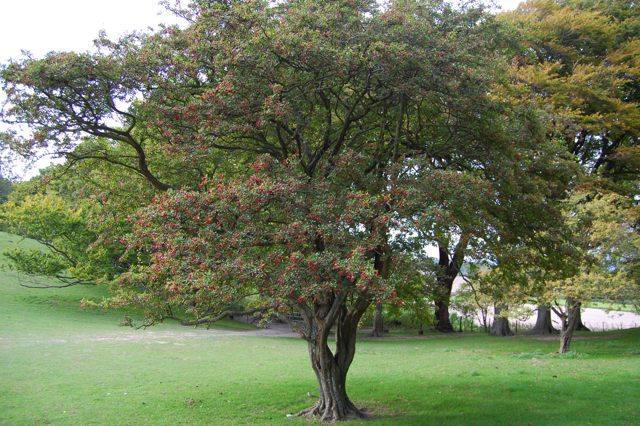
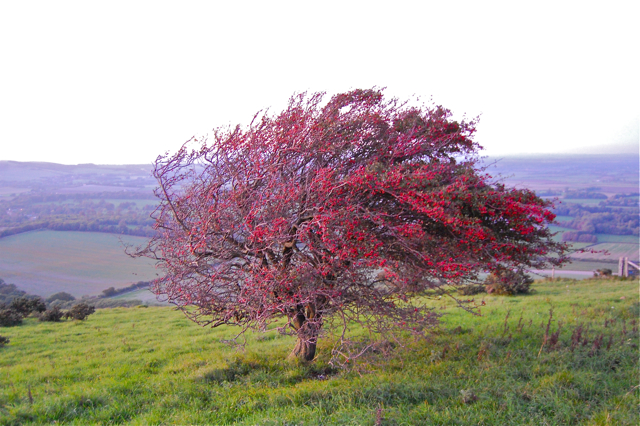
Of the group I have one particular favourite. Here she is in October:


And again in December:


As the year progresses I’ll be posting about the changes I observe, the medicines I make and any other thoughts or inspirations that she evokes. As soon as the weather warms up a bit I’ll be out with my sketch pad too! I’ve written about Hawthorn a couple of times before looking at the blossoms here and the berries here.


If anyone else fancies joining in the instructions on the site are as follows:

Be more aware of the little things in life – see and enjoy the diversity and beauty of the life and colors on a tree – and share it with others.

How to start:

  1. Pick a tree – either one you like a lot or one that you see every day on your way to work or that happens to live on your balcony.
  2. Observe it: every day or once a week or less. What grabs your attention? What kind of animals are and what kind of plants grow on it?
  3. Write about your observation, make sketches or take photographs and share it with us.

Darcey Blue over at Gaia’s Gifts is also looking at Hawthorn so it will be interesting to see how our observations differ, she being in the US and me in the UK.  Clare at Hedgerow Hippy is looking at a lovely Lime tree and Ananda at Plant Journeys is spending time with her favourite Birches. There are many other contributors too, have a look by following the link at the top of the post.

What a wonderful opportunity to learn, raise awareness and celebrate our amazing tree friends!

Read Full Post »

‘Tis the season to be jolly, though it can be a challenge to bear this in mind when trailing round the shops, delirious from the sensory overload and fluorescent lighting and sore from having your feet run over by stressed out mums with hi-tech, double-decker buggies balancing 10 shopping bags off each handle. Sometimes it’s hard to remember quite what you’re supposed to be doing, or even your own name. I have mostly managed to avoid this particular stressor by making all my presents or buying them on line but still this time of year is inevitably hectic. So it was a wise choice by Brigitte to give this month’s blog party the title of “No Time For Stress.’ Everyone’s submissions will be posted on her blog on the 20th so do make sure you take a few moments to make yourself a cup of relaxing herbal tea and peruse the pearls of wisdom that my fellow herby bloggers will undoubtedly share.

Stress can be defined as the body’s response to the demands life places on us. It can be both positive or negative as any heightened emotional state from euphoria to despair can cause stress to the body and mind. This time of year can include a lot of potential stressors, from the excitement of social gatherings and seeing relatives, to many people’s increased intake of alcohol and sugary or rich foods, to the pressure of buying presents and creating the perfect atmosphere or the increased stress placed on the immune system by cold weather and germs.

I wanted to share a few of the ways that I find plant medicine helpful in calming stress and anxiety, at any time of year, and bringing balance to the over-adrenalised jittery feeling that results when my to-do list begins to extend too far down the page.

Calming Tea Blends:

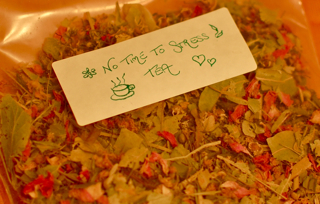
Danielle has written a list of some lovely relaxing herbs for teas in her post for the blog party which you can read here and, like her, making a nice cuppa is my default response to anything even remotely stressful. I thought I’d share some of my favourite tea blends with you here, some of which I have also made up as little extra presents for people.

Many herbs that help to relax us are considered cooling in nature. This doesn’t necessarily mean they make you feel cold but that they calm and cool body processes rather than exciting them. Still it can be useful to add some more warmth to our teas at this time of year so each of these blend contains at least one warming herb or spice to balance the cooler ones.

Lavender, Vanilla and Oatstraw – This my evening time tea of choice at the moment. It’s calming, comforting, restorative and helps to pacify the restless mind. I add a tablespoon of oatstraw and a teaspoon of lavender to the pot along with half a vanilla bean, finely chopped.

Chamomile, Rose and Vanilla – This makes a lovely soothing after dinner tea and is delightfully fragrant and aromatic helping to disperse tension and anxiety.

Lime blossom, Oatsraw, Rose and Cinnamon – A little more spicy, this tea is great at work or during a busy afternoon as the calming herbs are somewhat balanced by the warmth and revitalising action of the cinnamon.

Orange peel, Cardamom and Rose – Another lovely balancing brew, I adore this combination of flavours which is like a big loving hug.

Lemon Balm and Rosemary –  A perfect balance of heart lifting herbs, I have written about this tea before… more than once!

Chamomile, Lime blossom and Oatsraw –  A very gentle tea to aid a peaceful nights sleep. More powerful herbs can be useful if insomnia is a problem but generally these would need to be selected with the individual’s constitution in mind.

Footbaths and Massage:

I’ve been meaning to write about the magic that are footbaths since I first started this blog last winter but I thought they’d be worth a mention here for their wonderful ability to calm and ground the nervous system and promote better circulation and a good night’s sleep. Most of us are far too ‘in our heads’ at this time of year and there’s nothing like payng attention to your feet to bring you back down to earth. I particularly like a strong infusion of Tilia, lavender and chamomile in a footbath. Great for children and adults alike, you absorb the healing qualities of the herbs through the soles of the feet and also get to breathe in the wonderful, calming aromas of these volatile oil rich plants. Followed up with a foot massage of lavender or chamomile infused oil you are almost guaranteed to have forgotten your cares and enjoy a deep and restorative night’s sleep.

Herbal Tinctures:

Tinctures are really best formulated on an individual basis as different herbs will have an affinity with different people. However I do like to make a very general Autumn/Winter Tonic with seasonal plants from my local area. This year it includes elderberry, hawthorn berry, rose hips and nettle seeds, all collected within a few meters of my garden gate. This medicine helps guard against winter stresses by nourishing my immune system, adrenals and cardiovascular system, all of which come under pressure at this time of year. The formula is also packed with antioxidants from the berries which help to protect every cell of the body. It also connects me to the land in which I live, bringing with it the subtle medicine of inter-dependence and belonging.

Flower Remedies;

Flower remedies can be wonderful allies in helping us to regain our sense of centre. Again they are best chosen with an individual in mind  but the following remedies from the Bach system are particularly useful in times of stress.
White Chestnut – When there is excessive mental chatter or preoccupation with certain worries that get in the way of relaxation.
Aspen – For vague, non-specific fears of unknown origin or anxiety with a sense of apprehension or foreboding.
Cherry Plum – For when you’ve reached the end of your tether and fear mental collapse or loss of control.
Elm – For normally capable people who are overwhelmed with responsibility.
Impatiens – For impatience and stress with irritability.
Mimulus – For fear of ‘known things’ such as flying, spiders (or Christmas!).
Olive – For complete exhaustion and when everything becomes an effort.
Red Chestnut – For excessive concern with the well being of others.
Rock Rose – For states of extreme fear and panic attacks.
If in doubt Rescue Remedy, a blend of 5 remedies which is now widely available, is helpful in a huge range of stress related problems.

Essential Oils:

Lovely in baths or massage oils, there is a wide range of relaxing essential oils which can help with stress such as lavender, chamomile, rose, sandalwood, frankincense, bergamot, neroli, patchouli, benzoin, geranium and mandarin. I particularly like making up a 2% blend of my favourite relaxing oils in a carrier such as sweet almond oil and adding to a 10ml rollette bottle that I carry in my bag and roll onto my temples, collar bone, neck and wrists whenever I start feeling stressed. I make a different one each time but a blend of lavender, chamomile and frankincense is a particular favourite.

Hydrolats and Floral Waters:

I love adding a good swig of lavender, neroli, rose or lemon balm hydrolat to my water and sipping throughout the day to calm and centre my nervous system. Neroli is my absolute favourite though nothing feels as decadent as rose. I have been known to have them in a shot glass when the going gets really tough.

Nourishing Infusions:

Susun Weed style nourishing infusions are great at this time of year for adding extra vitamins and minerals to our diets and supporting our nervous systems. We use up many more nutrients in times of stress so it’s important that we replenish them regularly. I love oatstraw best for its affinity with the nerves. Look here for Susun’s instructions on how to make them.

Staying centred in yourself when the pressure is on can be a challenge. Sometimes the hardest thing can be actually taking the time out to have a relaxing foot bath, mix some calming teas or choose a flower remedy. But, as one of my teachers once said, ‘herbal medicine works, you just have to take it.’ Just as stress begets more stress, in ourselves and others, a moment’s relaxation creates the space for a deeper relaxation to occur.

Luckily for me I have a shining example in my three cats, who have made relaxation and comfort into an art form. Take a leaf out of their book and make sure you take time out this Christmas to chill!

Read Full Post »
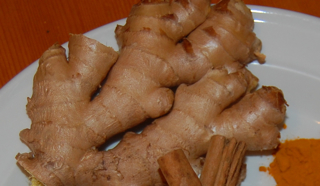
I feel like it’s been a pretty chilly Winter already and we still have a long way to go before Spring. I actually quite enjoy the Winter months but, as one who tends to feel the cold, I always go out of my way to keep warm by wrapping up well and consuming plenty of warming spices in my food and drinks. Apart from Cardamom, which I have already waxed lyrical on, the spice I enjoy most is probably ginger. It’s so warming, revitalising and restoring and is packed with medicinal benefits, as well as being delicious.

I always start my day at the moment with a few thin slices of fresh ginger in hot water as soon as I rise. It helps move the circulation, stimulate digestion and wake me up when I’d frankly much rather still be in bed! Ginger, Zingiber officinale, has been used in Traditional Chinese Medicine for hundreds of years and is thought to protect against damp and cold, two of the dreaded ‘six evils’. Many people are affected by these in the UK where our climate at this time of year can undermine the immune system, even in those with a warmer constitution.

Ginger is a great ally against cold and flus as it is warming and drying to the whole body but also has a special affinity to the respiratory system where it helps to resolve excess phlegm and mucus. Due to it’s anti-spasmodic and expectorant actions it is great in catarrhal coughs, chest infections or any condition with mucus and spasm. Do be a little wary in dry coughs however or any situation where there is heat coupled with dryness as ginger may exacerbate it. As a general immune tonic tea I love some fresh ginger gently simmered for 15 mins with elderberries and orange peel.

In his lovely guide to Traditional Chinese food energetics, Helping Ourselves, Daverick Leggett describes ginger as being helpful to combat ‘wind cold’, the term given to an invasion of the body by a pathogen such as the common cold which manifests with cold symptoms. He says ‘Wind invasion is treated through the use of the pungent flavour which assists the body to expel pathogens by directing Qi outwards.’

Dry ginger, usually taken as a powder, is considered both hotter and dryer than fresh ginger which is always a gentler option. Even though it’s still considered drying, I often find the fresh ginger to have a very slightly moistening quality too which prevents it being too aggravating to dry conditions.

Botanical Illustration of Ginger courtesy of Wikipedia

In Ayurvedic medicine ginger was referred to as ‘vishwabhesaj’ or ‘the universal medicine’. In The Yoga of Herbs, a lovely recipe is given for making ginger pills by mixing the juice of fresh ginger to powdered dry ginger and rolling into balls about the size of a pea, to be taken three times a day. I really fancy giving this a go, perhaps with a wee bit of honey, so I’ll report back when I do so.

Ginger is also great for other winter ailments such as reduced circulation, Raynauds syndrome and chilblains as it stimulates the heart and circulatory system and helps reduce blood clotting. Some evidence also suggests that it can help in lowering cholesterol. In these actions we can see again its ability to move the vital force outwards to the extremities.

Ginger is probably best known as a digestive remedy however, used by many to relieve nausea, especially during travel. It stokes the digestive fires, stimulating the appetite and improving digestion thus reducing bloating and gas. I like it taken as a tea after meals with peppermint or chamomile. Do be aware however that Ginger is best avoided in cases of gastric ulcers.

It is also a great anti-inflammatory and has a long history of topical use for relieving joint pains and arthritis which can often be worse in colder weather.

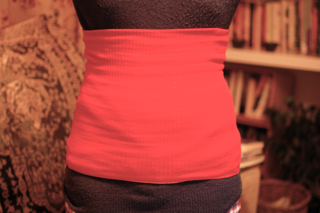
Apart from Ginger, my other top tip for staying warm this winter is to buy or make yourself a haramaki. A haramaki is a Japanese belly band that you wear around your middle to keep your internal organs toasty warm. In Asia I always saw people wearing blankets tied round their middles in cold weather rather than big bulky coats and certainly in Chinese medicine, keeping the kidneys and internal organs warm is seen as key to good health by protecting the ‘batteries of life’ which reside in the kidneys.

I bought myself a haramaki this autumn and it hardly feels like an exaggeration to say that it has completely changed my life! It’s incredible the difference wearing one makes to your body temperature. I usually wear mine under my clothes but here I am modelling it over them for you to see.

I got mine from this company here but you can also buy them from these people here. I have recommended them to so many people this winter I am considering ringing up and asking for commission! For those of you with a sewing machine and a bit of free time they are not difficult to make and instructions can be found online here.

Wishing you all a wonderful and warm weekend. 🙂

References:
The Yoga of Herbs – Dr. David Frawley and Dr. Vasant Lad
Helping Ourselves – Daverick Leggett
The Complete Herbal Tutor – Anne McIntyre

Read Full Post »

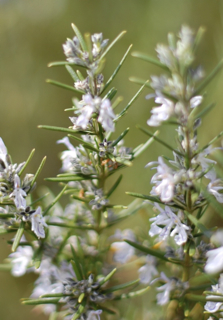
Rosemary is one of the first herbs I grew to love as a child as well as one of the first herbs I grew as a plant as an adult. My parents had a magnificent rosemary bush outside their bedroom window and though at that time I only knew it as a culinary herb, I always admired its vitality and endurance, qualities which this beautiful plant lends us in abundance when we start to work with her regularly. Despite being native to the Mediterranean it grows well here, given a sunny, freely draining soil and it particularly enjoys coastal areas, the first word of its botanical name, Rosmarinus officinalis, means dew of the sea.

Beautiful Rosemary

In my mind rosemary is primarily a rejuvenating herb. It is famous for stimulating memory and concentration, it promotes hair growth when used internally or externally, it contains powerful antioxidants which protect the whole body from ageing, it strengthens capillaries, improves digestion and is thought to ignite the passions. According to Banckes’ Herbal 1525, ’Smell it oft and it shall keep thee youngly.’

Best known as a warming circulatory stimulant, rosemary’s diffusive nature is lovely for getting the blood moving to the peripheries and hence is great for those with cold hands and feet like myself. It can be used internally as tincture or tea for this purpose or externally as an infused oil, bath or footbath herb or an essential oil rub. It can also be of benefit for those suffering from headaches where the cause is constriction in the muscles or the blood vessels supplying the head. Its ability to stimulate blood flow make it first rate in the treatment and prevention of chilblains, I especially like it combined with black pepper for this purpose.

It is helpful for the digestion in several ways. Being aromatic it helps to stimulate the appetite and its warming nature helps stoke the digestive fires, known as the ‘Agni’ in Ayurveda, helping people who suffer with poor assimilation, bloating, gas and undigested food in their stools. Being slightly bitter it’s also beneficial for the liver, a property more closely associated with cooling rather than warming herbs, however rosemary’s warmth helps move stuck energy, particularly in patterns where there is ‘heat’ in the liver but within a cold constitution and where there is also poor digestion.

Rosemary is also useful as a wash for minor wounds as it contains antimicrobial volatile oils and tannins, which help check bleeding.  According to Anne McIntyre, nurses used to brew rosemary tea as an antiseptic to sterilise instruments, clean the delivery room and protect both mother and child from infections.

Most will be able to tolerate it well as a tea in the winter months but care must be taken in summer or in tincture form for those with a hot constitution. It is lovely for those floaty, ungrounded, thin, cold and anxious types but a little care must also be taken where these qualities manifest in a person who also suffers from dryness (dry skin, dry cough, constipation etc) as rosemary is both warming and drying in its action. In these cases I would usually teem it with something more moistening. It is equally fabulous for people who are cold, damp, stodgy and overweight and who need a bit of a kick to get moving. It benefits many cold, damp conditions like a phlegmy cough, catarrh and blocked sinuses too.

For those hotter people it combines beautifully with lemon balm, especially where depression or low moods are a factor. Being a stimulating, solar herb rosemary can lift the spirits and encourage motivation and joie de vivre and being strengthening and grounding it helps dispel stress and anxiety.

Rosemary helps us fully embody who we are, lends us strength and endurance, both emotionally and physically, and helps us attain a clarity of mind and lightness of heart which many could benefit from in these stressful times.

A quick sketch and some dried rosemary from the garden.

I love rosemary in teas, my favourite being the rosemary and lemon balm combination which I drink regularly at this time of year and in early spring before the days have started warming and when my spirits need a lift. In the coldest months of winter I like my rosemary with orange peel and ginger and at the end of a long day I enjoy it with either chamomile or lemon verbena which makes a beautiful relaxing yet clarifying blend.

Rosemary infused oil is one of my favourites for tired aching muscles or joints. I make a lovely massage oil of rosemary, chamomile and St. John’s wort infused oils for back aches.

I love rosemary essential  oil too and use it in my aches and pains balm and in the bath with other suitable oils. I’m making some lovely bath oils for christmas presents this year which contain rosemary essential oil among other things. Pop back in a few days when I’ll be sharing the recipe in another post on herbal christmas presents for the November blog party hosted by Brigitte.

References:
The Complete Floral Healer – Anne McIntyre
The Practice of Traditional Western Herbalism – Matthew Wood
Medical Herbalism – David Hoffman

Read Full Post »

Nettle Root Medicine

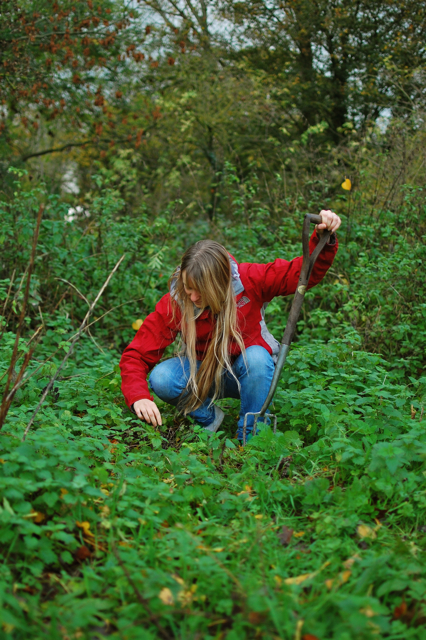
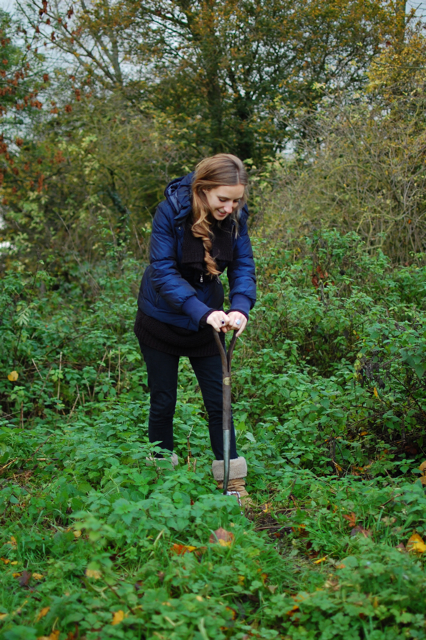
Despite using the leaf and seed of nettle on a regular basis, this year was the first time I have harvested and made tincture from the roots. I was lucky enough to be accompanied by Sascha, who I should probably mention, gathered the biggest root of all, honestly it was quite impressive!

I’ve been feeling the call of nettle root strongly this autumn and it keeps popping into my mind in relation to a particularly problematic case involving hormonal dysfunction. I have little experience of using the roots of nettle clinically other than in cases of male pattern baldness and problems of the prostate, most notably Benign Prostatic Hyperplasia (BPH). However the case in question is that of a woman, though certainly a testosterone imbalance is indicated in her symptoms, and there is little information available to support my intuitive nudging that this was the right medicine to turn to.

Several studies have shown the success of nettle root in treating BPH, particularly in its early stages when it can help to slow the growth of prostate cells, improve urinary flow and alleviate the constant urge to urinate. This is especially so when combined with other herbs such as Saw palmetto or Pygeum. It does this primarily by inhibiting proteins that help to carry certain hormones into the cells and would otherwise encourage the growth of prostate cells.

In its action of reducing the numbers of sex hormones available to the tissues I imagine that the benefits of nettle root must be more wide ranging than we usually consider. Though, without doubt, certain herbs may have a greater affinity for either male or female conditions and personalities, there is always some crossover and no herb can be said to belong exclusively to one sex or another. Traditionally, nettle root has been used to help menstrual irregularities and for this reason it’s best avoided in pregnancy. Linda Crockett, a herbalist specialising in women’s hormonal health, includes nettle root in her formulas for polycystic ovarian syndrome and Susan Weed writes, ‘ Use nettle root as a hair and scalp tonic, a urinary strengthener and stimulant, an immune system/ lymphatic strengthener and a bit of first aid’ – primarily in cases of diarrhoea.

There is also some information available online, though it’s hard to know how much of it you can trust, especially when one website contained the following gem, ‘Nettle root is commonly prized for its stems and leaves, which are reported to contain numerous health benefits’. Anyone else notice the obvious flaw there?

I feel like, in getting to know nettle root, I’m accessing a whole new facet of a long time favourite herbal ally, and I’m really excited to carry on my research and experimentation into the possibilities for its different healing applications.

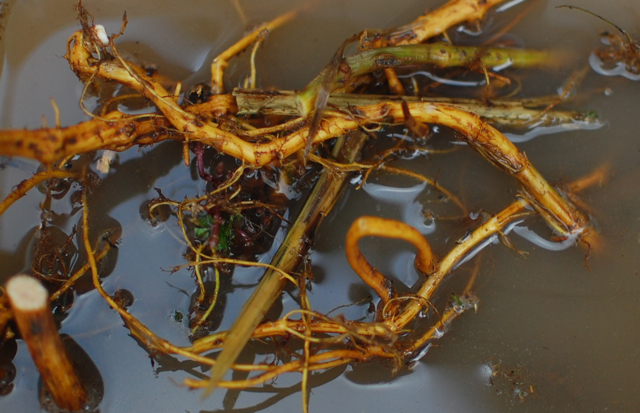
Soaking the roots.

When digging roots it’s especially important to connect with the plants an ask permission because, unlike when you gather the arial parts of perennial herbs, you are taking the life of the plant when you harvest its roots.

The soil is very sticky clay round here so our roots needed a good soak before scrubbing with a brush and chopping finely ready for tincturing.

I’m quite excited to try the finished result and will be experimenting on myself before giving it to my client. I hope to have some interesting findings to report back before too long.

References:

Healing Our Hormones, Healing Our Lives – Linda Crockett
Healing Wise – Susun Weed
Principles and Practice of Phytotherapy – Mills and Bone

Read Full Post »

The first frosts have chilled the landscape, turning the view outside our window to a scene of subtlety and wonder.

First Frost

After the first frost is the perfect time for picking rosehips which are now a lovely deep red and a little softer and sweeter, perfect for syrup making.

Reder, softer, perfect for picking!

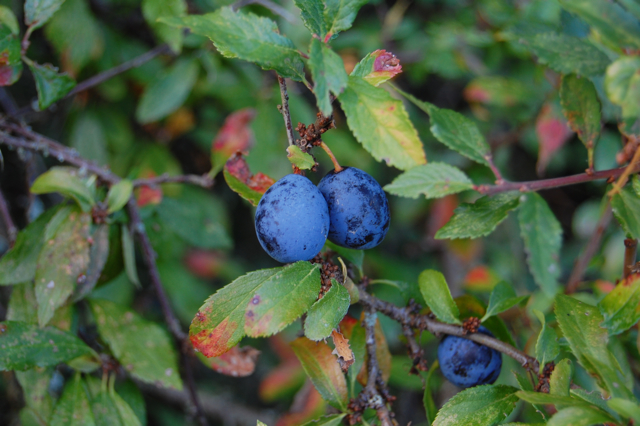
It’s also the best time for picking sloes which are so abundant here in the hedgerows right now, though they wont be around for much longer. Blackthorn, which gives us the sloe berries, is a tree surrounded by folklore and long associated with witchcraft, darkness, winter and the waning moon. The berries and the leaves make valuable astringent remedies and the flowers are said to have a mildly laxative effect, though I have never tried them so can’t offer any more information than this.

Hedgerow Sloes

The berries can be made into a syrup by simmering gently with a little water, straining and mixing with honey to taste once it has cooled. It’s a good idea not to heat honey too much as it destroys the enzymes and, according to Ayurvedic medicine, turns it to poison. You could also heat the juice again with sugar to make a traditional syrup though this would negate somewhat the immune supporting effects of the berries. Take a spoonful daily as an invigorating tonic or to aid in convalescence.

Sloes

The Blackthorn, Prunus spinosa, bears such impressive thorns they are referred to in both its English and botanical names. It’s good to take care when picking sloes as they are fairly savage and wounds from them can easily turn septic.

Beware the Blackthorn’s thorns.

This year I am attempting to make sloe gin with honey rather than sugar. This method seems to have worked well with the damson vodka I made a couple of months ago (and sneaked a little taste of last night!)  but as sloes are far more sour and astringent than damsons we’ll see if I get away with it in the gin. As sloe gin is said to be best after six months it might be a while before I can report back on this recipe! Eating sloes raw is never a pleasant experience as my dear friend Sascha, who helped me with the harvest, demonstrates below.

Eurghk!!

Read Full Post »
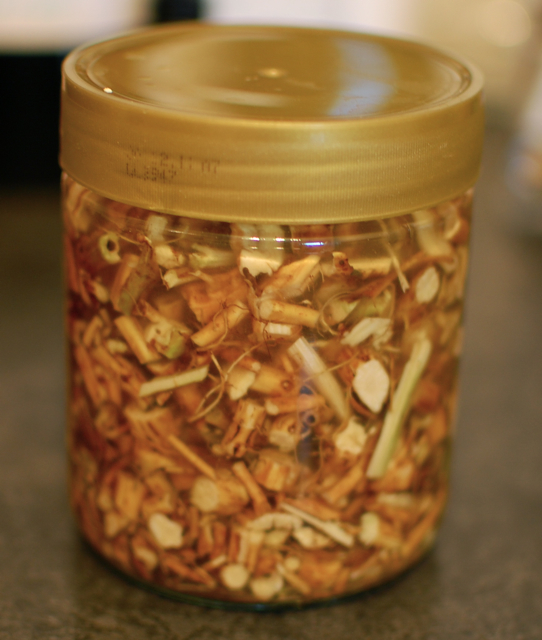
Spice up your life!

When Debs over at Herbaholics Herbarium announced the theme for this months blog party I didn’t know how I’d ever choose what to write about. The world of spices has always captivated people’s imagination and, in times gone by, some were worth more than gold. Here in Western Europe, where we have few local spices but can so benefit from their warming actions, the Spice Trade has been big business since Ancient times. Spices are the only non-local plant medicines I would never want to manage without, especially at this time of year when all I want is to settle down by the fire with a book, a cat and a cup of fresh ginger tea with a splash of elderberry syrup. Initially I wasn’t sure whether to take a more general look at spices and their uses as medicine and share some of my favourite recipes or whether to focus on one in particular and, if so, which one. My decision boiled down to black pepper or cardamom, both of which I use regularly in food, medicine and aromatherapy. In the end cardamom won the day, though don’t be surprised if a black pepper post pops up here too sometime over the colder months!

I have already written about cardamom (Elettaria cardamomum) and it’s natural affinity with rose in this post and in my chocolate recipe here. They both resonate with the heart and are famed for their aphrodisiac properties. Even though many spices are considered aphrodisiacs, for me, cardamom is the true spice of love.This is because it has a very balanced effect, being slightly stimulating- as are all spices to some extent- but also calming and centring. In Ayurvedic medicine cardamom has been used to enhance meditation for this very reason- whilst helping to pacify the mind it also aids in restoring focus and preventing you from dropping off to sleep on your meditation cushion! By increasing vitality, calming the spirits and improving concentration it is a great tonic for our busy 21st Century minds. In Asia it’s also been used in the treatment of depression.

Though it is native to India and South East Asia,  Guatamala and Mexico are now also large exporters, though the Indian cardamom is said to be highest in quality. Part of the ginger family, Zingerberaceae, it is a perennial herb with large leaves and fleshy underground rhizomes. The part we use medicinally is the pale green seed pods containing the small dark seeds which are rich in volatile oils.

Cardamom is best known in herbal medicine as a digestive remedy, especially when the problems are caused, or made worse by nervous tension. It has proved useful particularly for gas, bloating and nausea and can help calm vomiting. It is helpful to chew or drink as a tea after a heavy or rich meal or when one has the sense of having overeaten. The Ancient Egyptians are said to have used it in this way to sweeten their breath. It has also been found useful for headaches which are caused by indigestion. It is a helpful remedy for stimulating the appetite and some have used it with success in cases of anorexia. It’s ability to stimulate digestive secretions combined with its mood lifting properties would certainly make it a remedy worthy of consideration in such cases. As one of the safest digestives it is also suitable for children.

In my experience, Cardamom is a wonderful medicine for those constitutions who have a tendency to nervousness, over-thinking, anxiety and poor digestion. They can be prone to muscle contractions, stiffness, fatigue, low libido and poor concentration. This makes it beneficial for the Ayurvedic Vata types, or in Western energetic terms, those with a constricted tissue state. This is the person who never seems quite relaxed, who feels the cold and tends to worry, both of which may result in a stiff or contracted body posture.

In Ayurvedic medicine, cardamom is used as a remedy for clearing phlegm from the GI tract and the respiratory system. It helps drain damp and mucus from nose and sinuses and is warming and drying but not excessively so, therefore it is considered tridoshic, meaning it can be used with all constitutions, though in my small experience it’s true affinity is for those with a Vata constitution. To find out more about the Ayurvedic constitutions, or doshas,  and take a quiz to help you determine which one you are, have a look at this website here. Of course you really need to see a practitioner to get a true assessment!

Cardamom is also thought helpful for genito-urinary complaints. Anne McIntyre writes that it can help strengthen a weak bladder and according to some writers, it can help ease symptoms of PMT, though I have no expeience of using it in this way.

Here are some of my favourite Cardamon teas blends. Always crush the pods a little in a mortar and pestle to release the volatile oil containing seeds:

  • Cardamom and Rose – (of course.) To lift the mood, pacify the mind and instil feelings of love and wellbeing.
  • Cardamom, Chamomile and Peppermint – As the perfect after dinner beverage to settle the stomach, improve digestion and relieve gas.
  • Cardamom, Orange Peel and Elderberry – Make as a decoction for a warming and immune supporting winter tea.
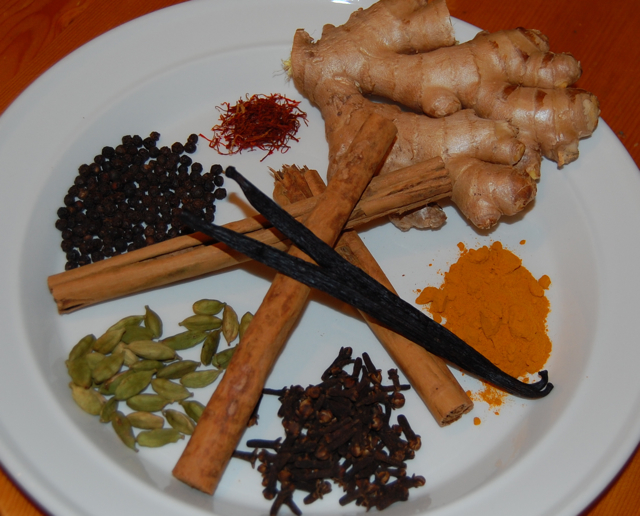
  • Cardamom, cinnamon, ginger, cloves, black pepper and rooibos – A delicious chai enjoyed with a little almond milk and honey.

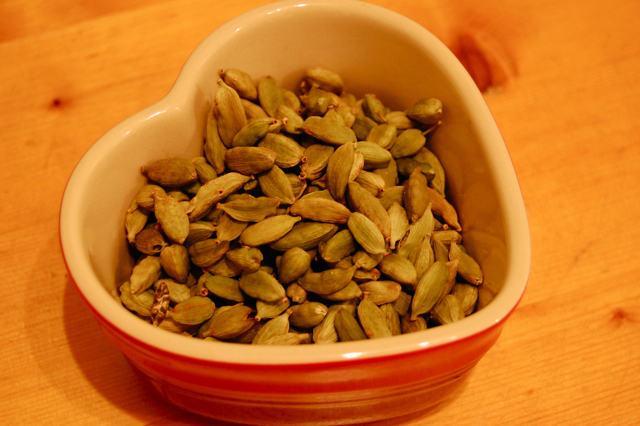
Cardamom pods

Cardamom can also be taken in tincture form and a little is a great addition to many formulas where digestion is a factor. It’s also lovely infused in honey or in a mixed spice vinegar or you can make a delicious electuary with ground cardamom, cinnamon, ginger, a little nutmeg and a little clove mixed with honey.

Cardamom as an essential oil is warming, invigorating, antiseptic, anti-spasmodic and aphrodisiac. It can be used in blends to massage the stomach to improve digestion or to ease muscle fatigue and it can be smelt straight from the bottle to alleviate nausea.

I love a few drops, mixed with a tablespoon of base oil, and added to the bath. Some of my favourite blends include – you guessed it – cardamom and rose; cardamom, black pepper and juniper; and cardamom, chamomile and mandarin, a blend which is also suitable for children in very small amounts.

Cardamom is of course also wonderful in foods. I use it to flavour rice and in curries and I also buy the ground cardamom to flavour cookies, smoothies, chocolates and cakes. Delicious.

I hope you get chance to enjoy this delightful, gentle and warming spice this autumn.

References:
The Complete Herbal Tutor – Anne McIntyre
The Yoga of Herbs – Dr. David Frawley and Dr. Vasant Lad
Bartram’s Encyclopedia of Herbal Medicine – Thomas Bartram
The Directory of Essential Oils – Wanda Sellar
Picture of botanical illustration of cardamom curtesy of wikipedia.com.

Read Full Post »
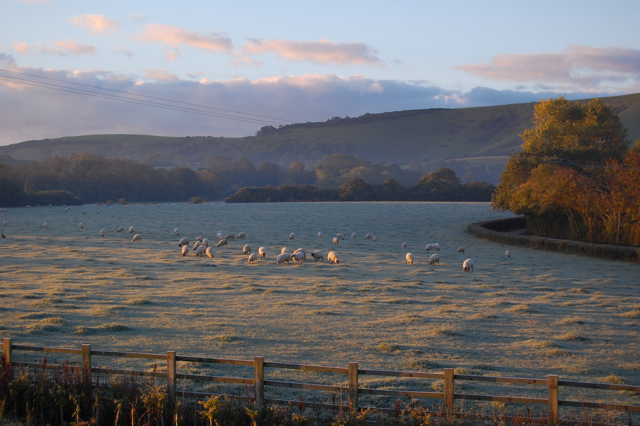
I’m not sure if the rose hips are particularly lovely this year, or if it’s just that we now live in an area so full of wild roses that I’m spoiled for choice, but I seem to find myself exclaiming over their beauty every time I leave the house.

Rose hips are sweetest after the first frost but I usually pick some as soon as they are bright red, with no orangey colour left, and continue picking in small batches until they are finished.

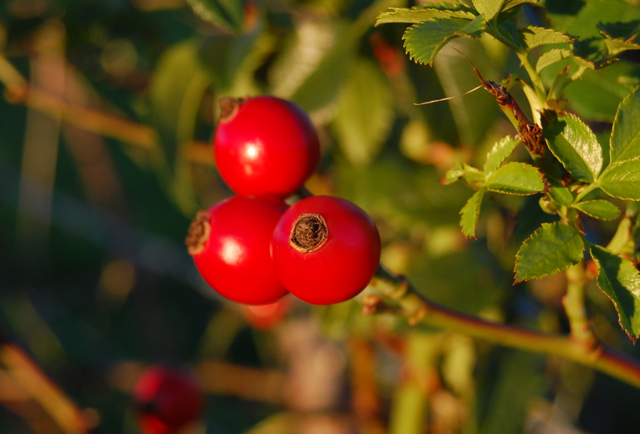
Beautiful Rose hips

I’ve added them to my hawthorn vinegar, made a tincture and a couple of batches of syrup so far and I love to add a few to decoctions and nettle nourishing infusions. A nourishing infusion is like a really strong tea of a particularly nourishing herb which is full of vitamins and minerals. The inimitable Susan Weed has written a lot about them and you can see how she does it over at her website here. I just add a few rose hips to the nettle at this time of year as the high vitamin C content helps with absorption of the iron content of the nettles.

I don’t often make jellies and such,  just because the high sugar levels don’t particularly agree with me, but I make my rosehip syrup with raw honey using much the same method that I used for my elderberry syrup which I described here. This basically involves simmering the roughly chopped hips in enough water to cover for about half an hour, then straining through a jelly bag to get rid of all the pesky and irritating hairs. You can return the hips to the pan with fresh water once or twice more and get a lot more juice from them so don’t throw them away after the first go. When the liquid is cool, mix in an equal quantity of raw honey, bottle and store in the fridge.

Plump and ripe

Another syrup I made this year used dates and a couple of fresh chillis from a plant on my windowsill to make a lovely warming, earthy and sweet treat that hasn’t lasted long at all in our house! I made it by simmering and straining the rose hips with the chillis as above, then making a paste from several fresh dates and a little of the rose hip juice over a low heat adding a little more juice at a time until it is all well mixed. At the end I added a little brandy to help preserve it as it wouldn’t keep long otherwise. This has definitely been my favourite rose hip recipe of the season!

Rose hips in late afternoon autumn sun

Rose hips are rich in Vitamin C and other antioxidants including flavonoids which have been shown in some studies to have anti-inflammatory properties. The flower of the rose is also known for its cooling and soothing properties when dealing with inflammatory conditions. These properties and other constituents like plant sterols also make rose hips beneficial for protecting the cardiovascular system.

All the more reason to enjoy some lovely rose hip syrup in our tea or any other way that takes your fancy.

Read Full Post »

It’s been a busy week so far gathering the last of the blackberries, the first of the rosehips and lots and lots of lovely hawthorn berries. I don’t think I really have a favourite herbal plant, there are so many to love and admire, but if I had to choose one then hawthorn would certainly be a strong contender.

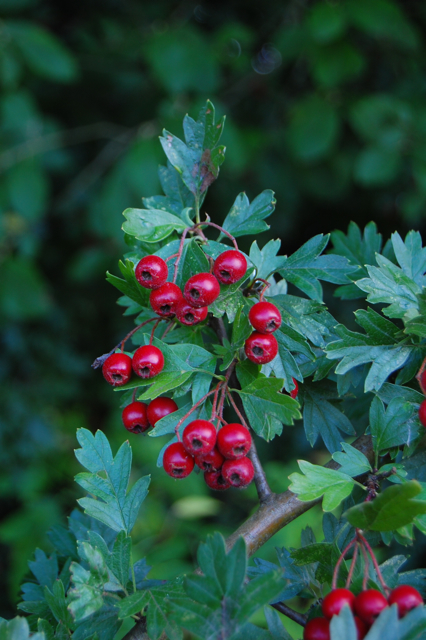
Beautiful Hawthorn, abundant with berries

The Hawthorn is a beautiful and elegant tree, with a rich lore of mythology and magic behind it, however it still remains very much human in scale. Growing in practically every hedgerow, it’s easily accessible and offers us medicine in the form of its flowers, leaves and berries. Whenever I see hawthorn, which is pretty much everywhere round here, I think ‘friend’.

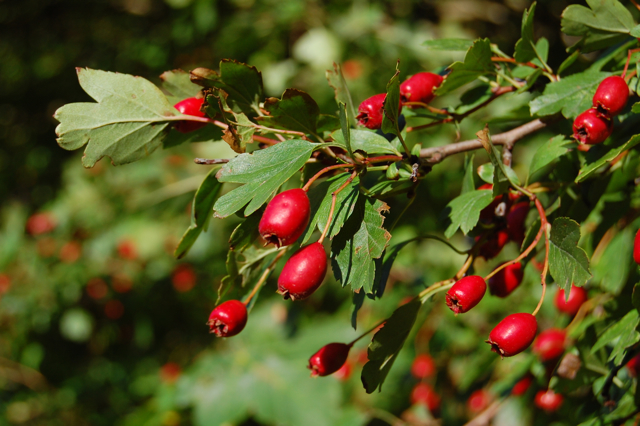
Hawthorn Berries

Hawthorn is fascinating medicinally because it’s one of the few Western herbal adaptogens, loosely meaning it helps to bring the body into balance, irrespective of whether it is over or under functioning whilst being safe and non-toxic. Widely used as a heart tonic it can help lower high blood pressure and will benefit almost any problem that affects the heart or circulatory system, from high cholesterol to chilblains. It helps to dilate coronary arteries, improving circulation and bringing relief from angina. It also increases the heart’s ability to pump blood effectively by improving the contractility of the muscle and its high levels of antioxidants help to protect the capillaries.

A cascade of berries

What is particularly interesting though is that whilst here in the West hawthorn is used almost exclusively as a heart tonic, it has been used quite differently by other cultures and in other ages. Culpepper, writing in the 17th Century, tells us it is ‘singularly good against the stone and… for the dropsy’ implying it was mainly used as a urinary tonic, possibly because, being a member of the rose family, it has some astringency. In Traditional Chinese Medicine, where it’s known as shān zhā, it’s been used predominantly as an aid to digestion, to help the body assimilate fats and as an aid to liver function. In Ayurveda the berries are considered sour and heating, so not suitable for Pitta types in excess. In the Yoga of Herbs the authors write, ‘Hawthorn berries are a good example of the stimulatory power of sour herbs for both circulation and digestion. They have a special action on the heart, strengthening the heart muscle and promoting longevity. They are particularly good for Vata heart conditions like nervous palpitations, or the heart problems of old age (the age of Vata) like cholesterol and arteriosclerosis.’

The flowers are soothing and nervine and many herbalists combine preparations of flower and berry to get the benefits of both. You can read more about the flowers in my earlier post here.

Red and shiny and perfectly ripe

I like to prepare my berries in alcohol or vinegar as well as drying a good number for use in decoctions. To make a decoction simmer two teaspoons of dried berries in a cup of water for 15 mins and drink three times daily.

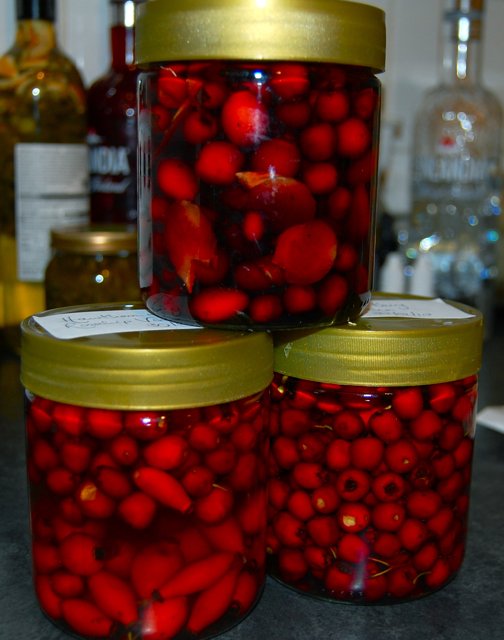
A delicious herbal vinegar can be made by filling a jar with hawthorn berries, either alone or combined with rosehips and covering in apple cider vinegar then leaving to infuse for a month or so before straining and rebottling. Remember to use a plastic lid as metal with go black and nasty.

Tincture can be made in a similar way by covering the berries in vodka or brandy. This year I made a simple hawthorn tincture in vodka and another in which I combined the berries with rosehip and ginger in a mixture of port and brandy, yum. Let infuse for 2-3 weeks before straining and rebottling.

A lovely way to use hawthorn berries is to dry and powder them. They can then be used in numerous ways by adding a little of the powder to smoothies, soups, cookies, breakfast cereal or just about anything else. They are tough though and have a stone in the middle which needs removing (due to toxicity) so it can be easier to just buy them already powdered from a good herbal supplier. If you want to make your own powder you can mash the whole berry with you hands and the tiniest bit of water then push through a sieve, removing the stone, and spread the resulting pulp out to dry on baking paper or silicon sheets. When completely dry, powder in a high power blender or grinder.

Left to right – hawthorn and rosehip vinegar; (top) hawthorn, rosehip and ginger in port and brandy; hawthorn tincture in vodka.

Hawthorn, you truly are a heroine!

Lusach has a beautiful post on making hawthorn berry decoctions here, which is well worth a read.

References:
Culpepper’s Complete Herbal – Nicholas Culpepper
Medical Herbalism – David Hoffman
The Yoga of Herbs – Dr. David Frawley and Dr. Vasant Lad

Read Full Post »

Brambles are one of those plants that display perfectly how the abundance and resilience of a particular species can make it beloved by some and loathed by others. Blackberries, the fruit of the bramble or Rubus fruticosus, must be by far the most popular and well known of wild foods, growing in practically every hedgerow and irresistible to all who pass by. Yet the bramble is also the gardener’s bane, invasive, fast growing and difficult to eradicate, this woody weed is a far from popular addition to most gardens. Here at our new house we have quite a bit of it growing through the area we hope will become our veg patch and, whilst I’m not exactly thrilled to see it there, it’s humbling to remember all the gifts of food and medicine that brambles give to us each year and seek to find ways to manage it naturally, principally by using it freely.

Bramble

As we follow brambles through the year we can find something of use at all times except darkest winter. In early spring the leaves and young shoots can be used as a pleasant tasting, cleansing and tonifying tea. The leaves can be harvested throughout the summer and are a valuable astringent due to their tannin content. Traditionally they were used to treat diarrhoea, sore throats and dysentery. The root bark is a stronger astringent, indeed it may be too strong for people with very sensitive stomachs, and is also useful in cases of diarrhoea as well as spasmodic coughs. I don’t have any experience with using the root bark myself though I have made the leaves into teas and an infused oil which is helpful for bumps, bruises and minor injuries. The oil or tincture also make a valuable addition to creams or salves for treating haemorrhoids and varicosities, due once again to their astringency. The leaves have been recommended for treating bleeding gums for this same reason, as well as for their vulnerary properties. An infusion of the leaves or root can also be used as a compress or formentation for sores, burns, varicosities and minor wounds. The inner part of the spring shoots can also be eaten as a tasty, crunchy vegetable, either raw in salads or lightly steamed or stir fried. Just peel the outer portion of the stems back to reveal the yumminess within.

Later, as the flowers begin to form in summer, a lovely flower remedy can be made which I have found useful for people who are good natured and generous at heart, but can tend to be over-dominating. The American FES remedies make a blackberry essence which they claim “helps the person who cannot make a viable connection with the will. The soul has many lofty visions and desires but is unable to translate these into concrete manifestations.” I suppose both these things relate to the ability of the blackberry to make its mark on the world, but in an appropriate way! It would be interesting to hear anyone else’s experience of blackberry flower remedy and what they have found it useful for.

Now, on to the berries themselves! Though they are probably most delicious straight from the bush and still warm from the late summer sun, there are numerous things that can be done with a blackberry. Cakes, crumbles, biscuits, smoothies and many other puddings benefit from their flavour but they are also useful in promoting health as they are full of vitamins and antioxidants. They are high in vitamins C and K, folic acid and manganese and rich in the antioxidant polyphenols which are thought to be beneficial in preventing a host of diseases.

Blackberries

One way I enjoy my blackberries later into the season is by infusing them in apple cider vinegar for use as a deliciously fruity salad dressing. This could also be taken with a little warm water and raw honey as a remedy for gout and joint stiffness. In fact, blackberry was used by the ancient Greeks as a cure for gout.

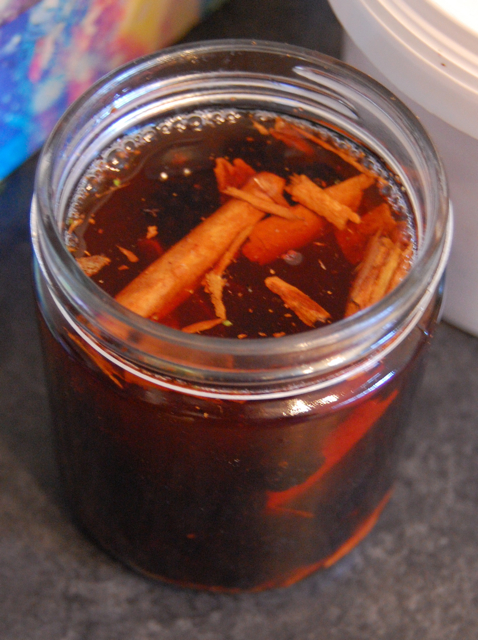
I made my blackberry vinegar with the addition of a cinnamon stick this year to make it extra warming and delicious for this time of year. Just lightly fill a jar with blackberries and one cinnamon stick broken into pieces, then cover with apple cider vinegar and leave to infuse for a month, swirling the mixture daily for the first week. Be sure to cap with a plastic lid as the vinegar will erode metal.

Blackberry and Cinnamon Vinegar

The bramble is a plant surrounded by folklore and superstition. A sacred plant of the Druids, it was said to protect the faery realm and was also connected to the Goddess. Mrs Grieves tells us that they “were in olden days supposed to give protection against all evil runes, if gathered at the right time of the moon.”  Walking or crawling under the arch of a bramble shoot was thought to cure a variety of diseases from whooping cough to warts, though I’m inclined to believe all the scratches just took your mind of any other problems you were experiencing! Even today it is thought unlucky to eat blackberries after Michaelmas, as they have been claimed by the devil. This is actually quite sensible as they are often infected with fly eggs from around this time… so let the devil keep ’em.

I’ve just realised that leaves us only six more days to gather as many as possible… so I’m off!

Read Full Post »
« Newer Posts - Older Posts »