September is such an exciting month because everything is shifting. It feels not quite one thing or another as there are still the vestiges of summer with bright sunny days and roses in the garden, meanwhile autumn is well underway with the hedgerows dripping in berries ready for the harvest.
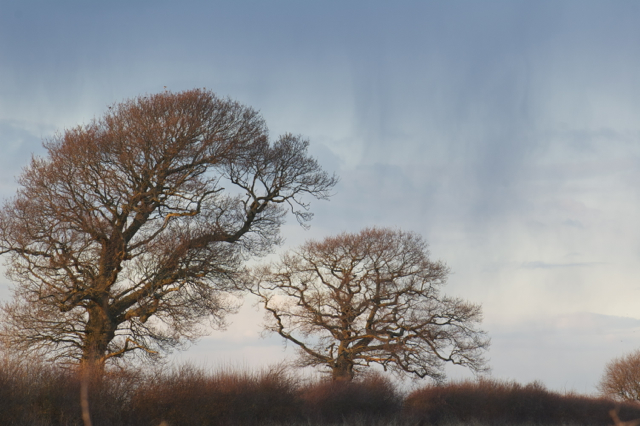
Every year is different however and this year the elderberries have been sparser than I have ever known them before. I assume this is because it was so wet in June when the flowers were out, meaning many pollinators were not able to access them and fulfil their important task. Many of the trees near me look like this photo below.

Still after ranging further afield than normal I have managed a decent harvest, though I’ll need some more for tincture making before the season is out. How are the elderberries looking around you this year?
There are many other beautiful berries hanging heavy from the branches however and it is always wise to include them in your diet for their wonderful antioxidant properties that help to protect and heal every cell of the body.
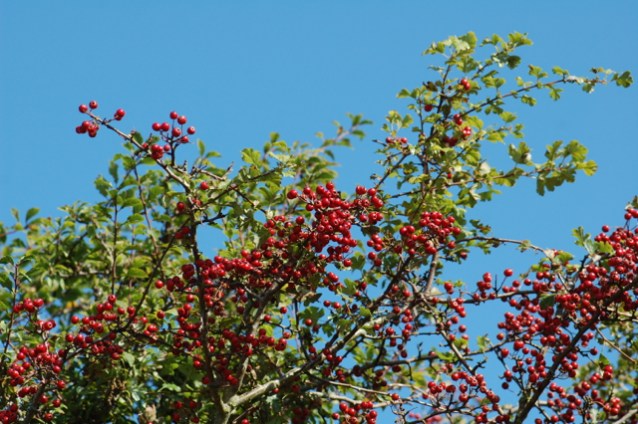
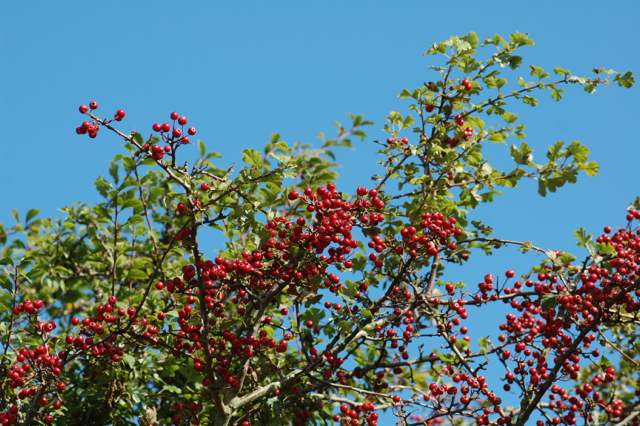
The hawthorns are fat and fabulous this year, I suppose as they were pollinated before the heavy downpours came, the wet summer would have helped them grow large, if not necessarily more potent.
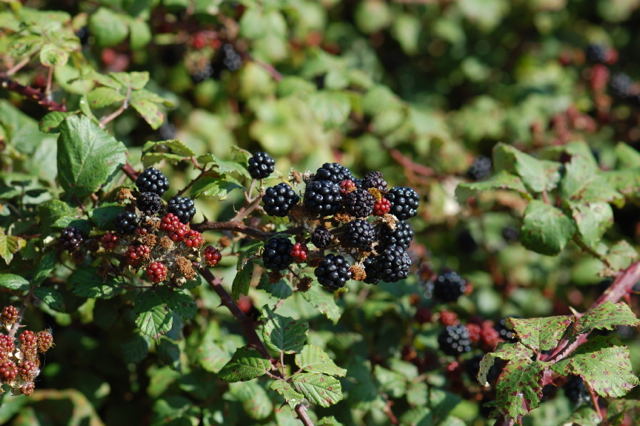
The blackberries are also wonderfully abundant, ripe and juicy, though the sloes seem thinner on the ground than usual in the blackthorn trees near my home. I have it on good authority however that they are growing well in other parts.
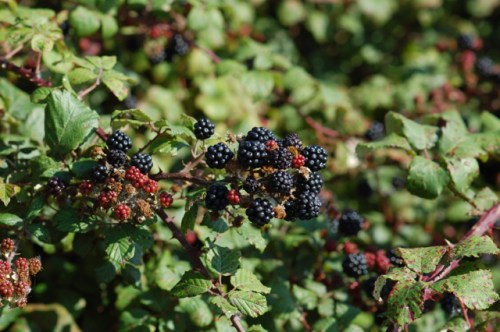
Blackberries

Sloes
Like sloes, the berries of guelder rose or cramp bark (Viburnum opulus) and rowan or mountain ash (Sorbus acuparia) are not eaten raw but are good when cooked.

Guelder rose berries
In Saturday’s herb group we picked a good selection of berries to make into a delicious variant on my 5 berry syrup recipe which you can find here.

Berries simmering away
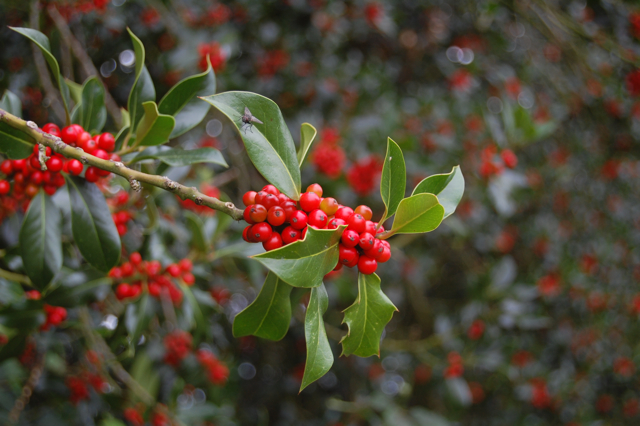
As you well know however, not all the berries in the hedgerow are safe to eat and all these pictured below would be well to avoid if you value the health of your internal organs, and in some cases your life.

Holly berries are toxic, avoid them.
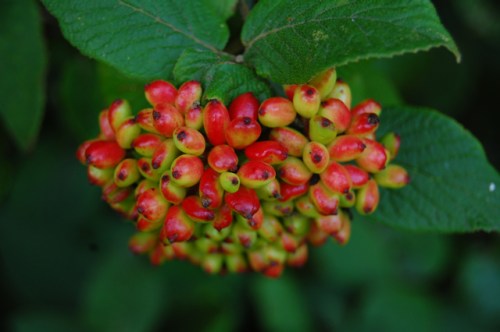
The beautiful berries of the wayfaring tree turn from green to bright red to black throughout the late summer and autumn. Alas they can lead to vomiting and diarrhoea though so ’tis best to leave them be.

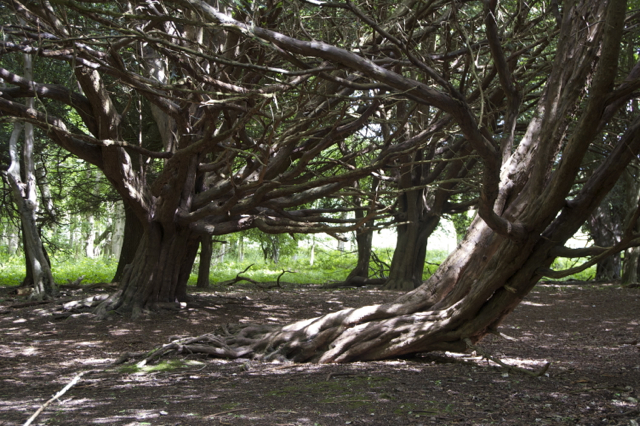
The yew berries, specifically the seeds they contain, are highly poisonous.

The beautiful spindle berries give much pleasure to look upon but not to consume, they are also toxic.

Common or purging buckthorn lives up to it’s name.

Black bryony berries are not ones to make into jam or it may be the last piece of toast you get to enjoy.
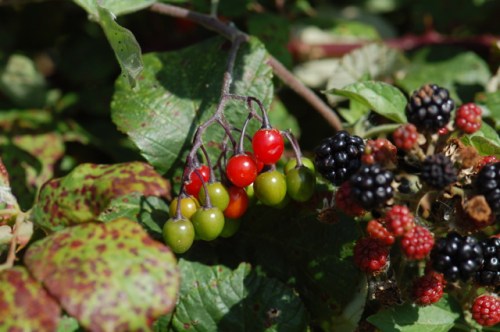
Finally, the berries of woody nightshade may look enticing growing next to these blackberries but be sure to leave them out of your syrup. Related to the tomato you can see the resemblance can’t you?
This is in no way an exhaustive list but it covers the majority of species growing in my local area. As with all wild plants, if you are not sure of the identification it is best to leave well alone.
I’ll be back in a few days with a post looking at the medicinal properties of elderberries in more detail. In the meantime You can find some elderberry recipes in this post here from a couple of years ago.
Read Full Post »































































 Whispering Earth