Feeds:
Posts
Comments

Archive for the ‘Photos’ Category

The Spring blooms are looking utterly resplendent this year, aglow in the bright sunshine and adorning every woodland and waste ground with their wild beauty.

Daises and dandelions make a happy trio.

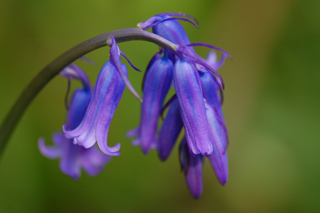
Many things like the woodland bluebells have arrived earlier than usual with the warm weather.

They look particularly beautiful with the white blooms of stitchwort.

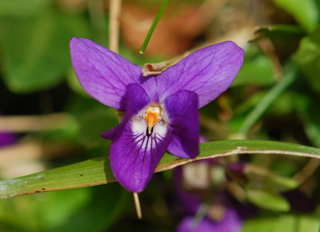
The sweet violets have all gone now but dog violets can still be seen. Unlike the sweet violet these have no taste so are not as valuable for medicine but are still deeply healing for their mucilaginous and clearing properties and for their faery like beauty.

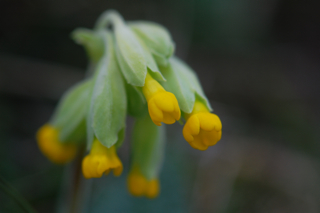
Another flower long associated with the faery folk is cowslip, in fact they are thought to lead the way to the fairy realm. In Shakespeare’s The Tempest, Ariel tells us  “Where the bee sucks there suck I, In the cowslip’s bell I lie, There I crouch when owls do cry, On the bat’s back I do fly.”

Cowslip is a useful anti-spasmodic and helpful for nervous tension though be careful if you decide to harvest it from the wild as it is becoming endangered.

Lungwort and speedwell are another welcome sight. There are many different species of speedwell, below are the common field speedwell and the tiny but perfectly formed ivy leaved speedwell.

Lungwort – Pulmonaria officinalis

Field speedwell.

Ivy leaved speedwell.

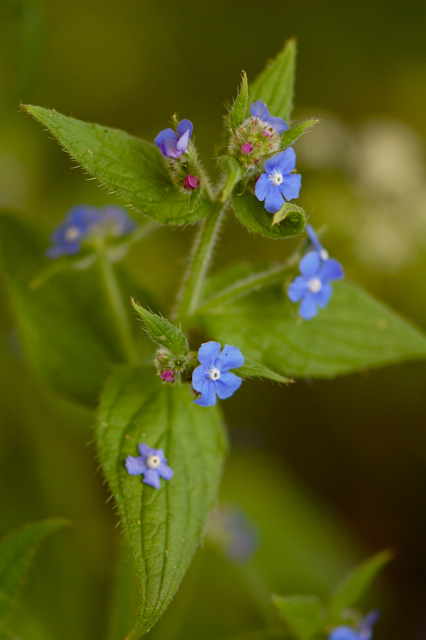
Forget-me-nots are one of my favourite sights at this time of year and the similarly flowered green alkanet which, though very invasive, is still lovely to see in great stands by the side of the road.

Forget-me-not. How could we?

Green Alkanet 

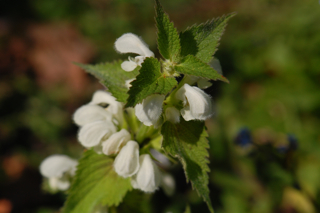
Finally all the dead nettles, or archangels as thy are attractively known, are out and looking lovely as ever. The only one I know that is used medicinally is the white dead nettle though Culpepper says all three have a beneficial action as astringents in staunching bleeding. I will report more on this after I’ve done a bit of research!

White Archangel.

Yellow Archangel.

Red (sometimes called purple) Archangel.

I hope the Spring flowers are brightening your day too.

Read Full Post »

Your art is to be the praise of something that you love. It may only be the praise of a shell or a stone.
John Ruskin.

This is my little offering for the March Blog Party, the topic of which is herbal creativity. I must apologise if this post is a little rambling and incoherent, it started of in quite a different place to the one in which it ended and I fear the part of it that made sense may have got lost somewhere en route!

It occurred to me as I turned my mind to the topic of herbal creativity that nothing has quite the same creative potential as nature herself. One man who understood this well was Johann Wolfgang von Goethe, whose work is testament to the depth of understanding that can be achieved when we enter into a communion with nature rather than imposing rigid theory upon her. He sought to understand the unity inherent in nature through a technique of contemplative observation which harnessed the cognitive perception of the mind rather than denying its existence. Where as empirical science sought to understand nature through objective observation of phenomena, then impose theory upon it, Goethe understood that pure sensory experience is not possible and that understanding only arises through a meeting of sense perception and mental faculties. What we perceive therefore, arises at the meeting point of mind and matter, “the complete phenomenon is visible only when there is a coalescence of sensory outsight with intuitive insight.”

For Goethe, science “involves not only a rigorous training of our faculties of observation and thinking, but also of other human faculties which can attune us to the spiritual dimension that underlies and interpenetrates the physical: faculties such as feeling, imagination and intuition.”

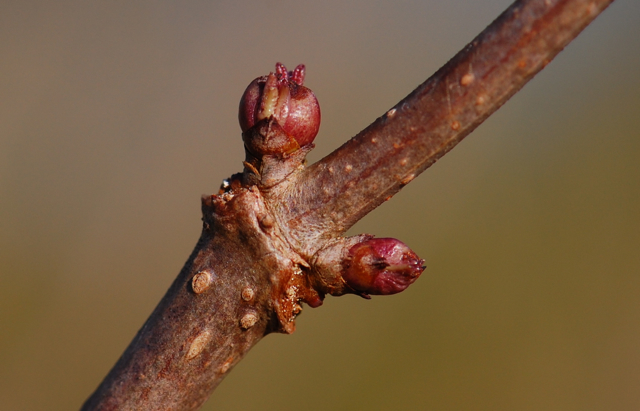
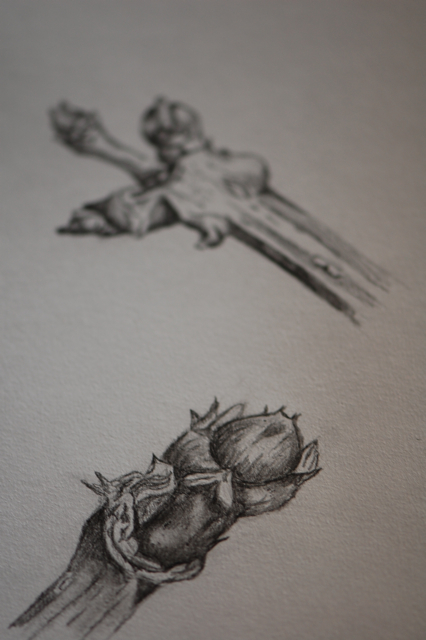
I wrote a post last year on working with Goethean observation in deepening my relationship with Comfrey which you can read here. This year I found myself captivated by the emerging buds of my favourite Elder and I decided to attempt the process once more.

When working with this technique it is wonderful if you can observe your chosen plant at least once a day as this allows for a deep observation of the subtle changes which are occurring. This wasn’t a possibility for me at this time so I had to content myself with twice weekly visits, all of which still afforded me a magical view into the dynamic processes involved in the life of this beautiful tree.

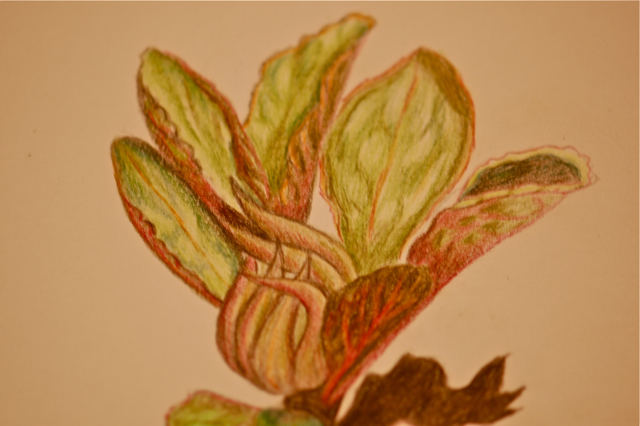
When I had a little more time I opted to draw the buds as this requires a much more profound engagement and necessitates a far deeper level of observation. Mostly I made do with photographing the changes I observed though and scrawling a few key lines in my notebook. The object here is not to produce a piece of fine art but to engage with what we see in a way that allows for a relaxing of our normal consciousness that sees the plant as ‘out there’ and ourselves as ‘in here’ and enables a kind of flow to arise which recognises both the seer and the seen as being at one.

“I would rather teach drawing that my pupils may learn to love nature, than teach the looking at nature that they may learn to draw.”

John Ruskin

Goethe realised that scientific, or indeed any truth is active and not passive, just as the observer themself is dynamic and ever changing. By entering into the flow of the plant he was able to see that each part is a metamorphosis of another. In botany we are accustomed to looking at and identifying different plant parts, such as leaves, sepals, petals and stems. When we pick a plant, press it and make a herbarium specimen -the traditional way of recording plants in botany- we only get a snap shot in time rather than facilitating an understanding of the continual metamorphosis of the plant, how each part belongs to a developing whole which is never static but forever adapting to the environment around it. He explained, “The variation of plant forms, whose unique course I had long been following, now awakened in me more and more the idea that the plant forms around us are not predetermined, but are happily mobile and flexible, enabling them to adapt to the many conditions throughout the world, which influence them, and to be formed and re-formed with them.”  In fact Goethe’s ideas were to become key in the developing theories of evolution.
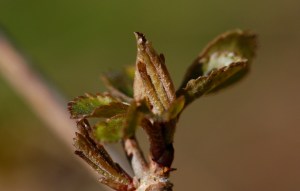
What a wonderful thing it is to see new life emerging. By practising Goethe’s technique of gentle observation I was able to witness how each part of the Elder gradually transforms into another. How the stem lengthens into buds along its nodes. How from the buds emerge six little leaves parting slowly to reveal the sepals, like hands clasped in prayer, protecting and holding their treasure within.

Slowly, as these hands begin to open we see another transformation has taken place. Somewhere, hidden from sight, the tiny beginnings of the elderflowers have formed. These in turn will open out and become the large, flat, white flower heads that mark the beginning of summer in June. As the year continues to turn they will become the ripe black elderberries that will help keep us healthy all winter long.

At what point in time can we say the elderberry is born? When the first buds appear? When we see those first little clusters that will become the flowers? Or not till later, when they become recognisable as such? We tend to see bud, flower and fruit as separate instances in time and neglect the thread that runs through all, from life to death and back again.

Taking any point in time as static can tend to inhibit understanding rather than promote it, and that is why practising Goethean observation can be so transformative. We stop looking for a phenomena that is inherently existing, as we Buddhists say, “from its own side’, and start to understand that life and its myriad expressions are part of a continuum that is constantly creative, never still, always metamorphosing.

“How difficult it is not to put the sign in place of the thing; how difficult to keep the being always livingly before one and not to slay it with the word.”  Goethe.

Through our own creative process we can start to become one with the miraculous creative process of  all nature.

Please pop back tomorrow when I’ll be posting the links to everyone else’s creatively inspired ideas.

References:

Henri Bortoft – The Wholeness of Nature – Goethe’s Way of Science
Peter Tompkins and Christopher Bird – The Secret Life of Plants

Read Full Post »

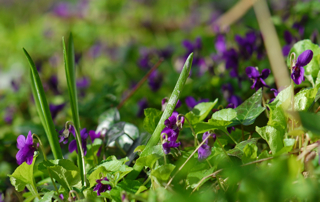
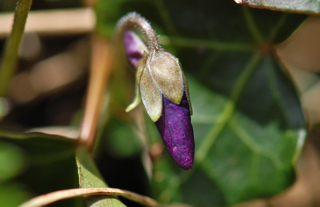
There is a small area of woodland near my house which is filled with violets at this time of year. If you stumble on them unawares they will quite take your breath away. Sometimes the smell is barely detectable but when the sun is shining and the breezes blow, it is utterly divine. I have harvested twice from this patch over the last couple of weeks in order to make an infused honey, an infused oil and a flower remedy. Coming home with a harvest of violet flowers is like carrying a bag of precious jewels, truly a privilege. Unless they continue to bloom so prolifically, I will seek another patch to harvest for a tincture as it’s so important to remember not to over harvest one area.

The sweet violet flowers we know and love are what is known in botany as chasmogamous flowers, those that display their stamens and style for  insect pollination, but many species of viola also produce tiny self pollinating flowers later in the year which are known as cleistogamous. This means that we can be a bit freer with our harvest than we might otherwise be but we should still remember that insects need the flowers for an early source of nectar and therefore not take too many. Also, a beautiful patch of wild violets is enjoyed by many passers by and its not fair to strip it bare.

As a herbal remedy Violet is used most often for it’s soothing, demulcent properties found in the leaf and flower. Being cool and moist they are particularly good for conditions where there is heat such as inflammation and irritated coughs. Culpepper wrote, “A drachm weight of the dried leaves or flowers of Violets, but the leaves more strongly, doth purge the body of choleric humours and assuageth the heat if taken in a draught of wine or other drink.”

Three species are used medicinally, Viola odorata, V. tricolour (the wild pansy) and V. yezoensis (the chinese violet).  The wild dog violet is one of the most common violets found in the UK but it lacks scent, unlike the odorata, though it is still mucilaginous.

Violets are also gently cleansing and decongestant and can be used safely for helping clear the chest and sinuses. Combined with their anti-inflammatory effects and their antioxidant content, this makes them particularly helpful for allergies. You can read Danielle’s fantastic post about treating seasonal allergies here.

They are also specific for a sluggish lymphatic system and make a very valuable spring tonic herb for getting everything moving again after a stagnant winter. This makes them helpful for breast swellings and mastitis and many sources recommend them for cancer treatment. Used as a poultice and taken internally as tea or tincture they were a traditional remedy for breast cancer. I think they resonate with this area of the body particularly as they are, to me, a remedy of the heart. It is with a slight sense of shame that I realise I left them out of my herbal hugs post back in January as they are certainly deeply comforting and loving in their energy. In fact Violets were used by the ancient Greeks in potions for love and fertility.

I also like to use violet as a skin remedy. Both the odorata and the tricolor, better known as heartsease, which flowers a little later, are very valuable in oils or washes for a variety of skin ailments. Their cooling, soothing and protective properties can be used on both dry and weeping eczema as well as acne and irritated, itchy skins. The leaves and flowers contain volatile oils and saponins both of which are extracted well in an infused oil which can then be made in to a lovely cream. I like mine combined with chickweed, speedwell or lavender infused oils depending on the person it is for. For acne treatment I would use it as a wash rather than an oil based preparation.

The flowers and leaves are a very gentle laxative and are often given to children in syrup form to ease their bowels. The root however is a strong laxative and purgative and in high doses will cause vomiting, so be wary.

Also be sure not to use the house plant, African violet, which is poisonous!

The flower remedy is a particularly special preparation which holds many great lessons for us. It is for those who have a very pure vision of the way they feel the world should be. It is a remedy of the imagination, for promoting and holding a clear and positive vision and returning us to a sense of child-like joy and wonder that can heal despondency and the fatigue caused by living in a challenging world.  The sweet violet helps us stay centred in the place where love and imagination have the power to manifest physically and create a better world as a result.

The upper petals are open to give and receive but the perfect gold centre is protected, so the visions held cannot be compromised by the challenges of this world. The fine veins running through the petals are like nerves, indicating the extreme sensitivity of the violet personality. Their heads seem to hang heavy indicating how weighed down these folk can feel by the suffering they see around them. They grow close to the ground indicating how the remedy can help in grounding our dreaming into the here and now and stabilising us when times are tough. The large heart shaped leaves unfurl from the centre enabling us to open our hearts to all life’s experiences whilst remaining equanimous, grounded and free.

A perfect remedy for our troubled times, the violet is one of my favourite flowers.

It was truly a blessing to have such a bright sunny morning for making my flower essence. I’ve spoken to flower remedy makers who do theirs whatever the weather but I find there’s nothing like sunshine to result in a wonderfully energised remedy. You can read my post on how to make your own flower remedies here.

Violet infused honey is such a treat and you can leave the flowers in to add a decorative and delicious touch to your food. It has many of the same properties as the syrup but is simpler and better for those who seek the medicinal benefits of honey rather than using sugar. An added advantage is that you don’t have to heat the flowers or honey at all so none of the antioxidants or vital enzymes will be destroyed. I had thought I wouldn’t bother at all with a syrup this year but Sarah Head posted such an enticing recipe here which involves a magical colour change, so I might have to do a small batch after all!

To make the honey just fill a jar with violet flowers, cover with a reasonably runny raw honey and stir with a chop stick. let infuse for a fortnight or so and then enjoy. The flowers tend to float to the top so just turn the jar or give it a stir now and again to ensure everything is well mixed.

The violets have also been gracing my food regularly over the past couple of weeks and I find nothing more cheering than their beautiful colour mixed here with the leafy greens of my lunch which consisted of quinoa, walnuts. sunflower seeds, cleavers, tender new hawthorn leaves, viola flowers and lemon juice.  It was a delight for all my senses.

Read Full Post »
A couple of days ago we woke up to a beautiful frosty, mist shrouded morning which faded from ice to fire when the morning sun blazed its way across the Downs.

This is the time of year when you can feel Spring in the air, tantalisingly close, and I start to feel impatient for some warmer weather so I can get outside and start planting.

I have big plans for our little garden and am probably going to have to downscale a bit in order to fit everything in. The good thing about my experience of inner city container gardening is that I can use space effectively to cram as much green in as possible and I’ll certainly also be growing lots in pots. Most of my plants have survived the winter despite being hiked from a nicely sheltered patio garden to a blustery, exposed little plot which gets hit directly by the icy blasts that rush in from the Low Weald.

I’ve just had a couple of seed deliveries and will be setting up the seed trays before too long. It’s all very exciting!

Finally, incase you haven’t spotted the announcements elsewhere, Danielle will be hosting the February Blog Party on a topic which is close to all our hearts, ‘Gems from the Herbal Library’. All of us herby bloggers share a love of words as well as a love of nature so this promises to be a great topic and I’m sure we’ll all discover a new treasure to add to our collections. Read all about it in her post here.

As you can see, I’m not the only one who appreciates herb books in our household.

Read Full Post »

I woke up last week to a bright, sunny day and felt a surge of energy in me, almost as if it were already Spring.

So I headed out after breakfast to admire the many wonders of the world around me. In the shade, frost still hung to the leaves and young plants but elsewhere all was aglow with a freshness and vitality that seemed to sing from the rising sap of those first heralds of warmer days.

All about me were the signs that Spring is not so far away.

Spring bulbs in the garden.

Young nettles.

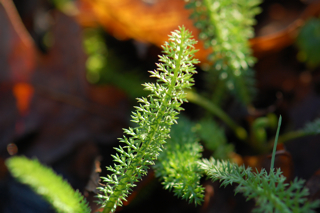
Perfect new Yarrow leaves.

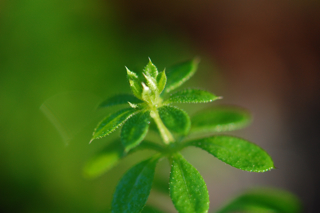
Beautiful baby cleavers.

Fresh and vital Herb Robert.

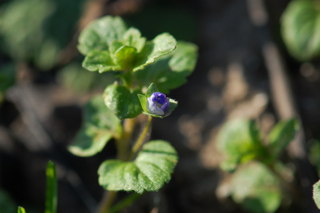
First teeny Speedwell flower.

Even the autumn leaves, resplendent in death, were aglow in the wintery sun.

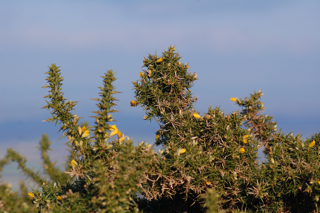
My favourite Elder tree, who is one of the most powerful plant spirits I have ever encountered, is just coming into bud and atop the escarpment the gorse was in flower. You know what they say… ‘when gorse is in flower, kissing is in season.’

Elder buds.

Give us a kiss then!

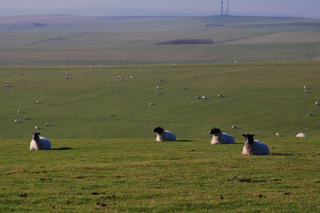
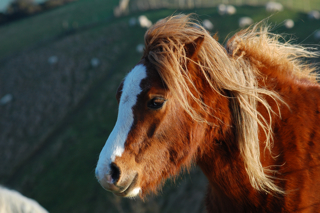
There were others out enjoying the day too and catching a few rays.

Sheep sunbathing.

'Wild' Exmoor ponies.

And when I got home I added a handful of fresh, young cleavers to my seaweed salad and felt the energy of a new year running through me. Cleavers are so delicious and green when they are young and tender so enjoy them over the next couple of months before they get tough and stringy later in the year.

Cleavers, dulse and rocket salad with a tahini and lemon juice dressing.

It was such a joyful day and enough to keep my spirits up for the last of winter and the cold spell they say is coming.

Even in the darkest months there is still so much to be thankful for.

Read Full Post »

For me there is something special about trees in winter. You get to appreciate the beautiful subtlety of twisted trunks and broken branches, the soft hues and the sinewy masses that are normally overshadowed by leaves. I wrote about my appreciation of tree barks here some months ago and this too is part of the fascination of winter tree gazing. But there’s more than that; it seems to me that trees, especially deciduous ones, somehow embody the spirit of winter. Once their leaves drop they cast a spell of sleep and withdrawal across the land- and us, if we are alert enough to perceive it. They look aged, wise and full of secrets, but ones that have no intention of being told until Spring begins to wipe the sleep from our eyes and comb last year’s leaves from our hair.

It’s fun to learn how to spot different trees without being able to rely on their leaves to identify them.

Ash are one of the most distinctive due to their black buds and the ash keys still clinging to their branches at this time of year.

Ash Keys

Oak too can be easy to spot due to it’s lovely ridged bark and twisted branches. It helps too that there are still some leaves, despite the high winds, snow and torrential rain of the past few weeks.

Oak Branches

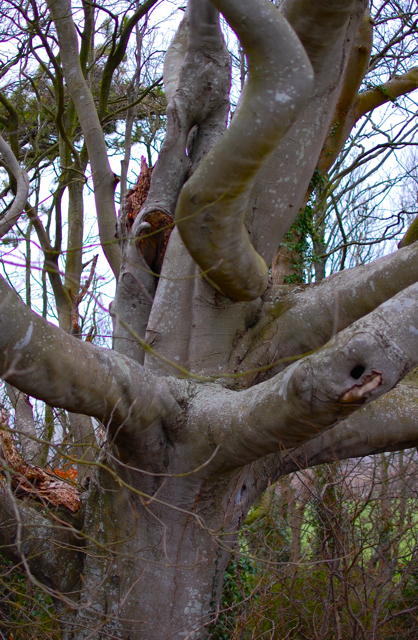
Beech trees are always a pleasure to spot with their smooth, silvery bark and great sinewy limbs.

Beech trunk

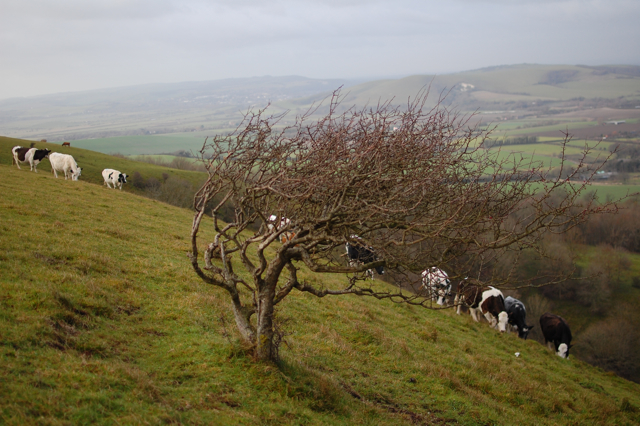
It will come as no surprise to those who have been reading this blog a while that one of my favourite trees to admire at this time is the Hawthorn. These three wind blasted beauties on top of the Downs are some of my favourite trees in the local area.

I love gazing at how the elements and the landscape have moulded them, shaping their stories into form.  Though Hawthorns are abundant in this area, each one is completely unique, just like humans they reflect their own natures and that of their environment.

Winter is generally the least popular of the seasons for it’s cold, dark days and biting winds but if you are open to finding the beauty in nature, you’ll find it year round, even if sometimes you have to look a little harder than others.

Read Full Post »
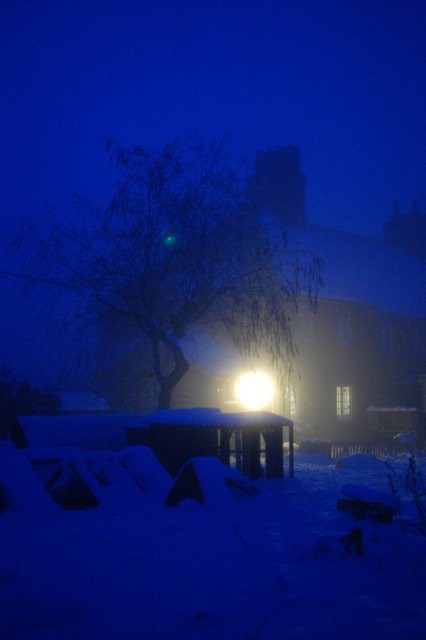
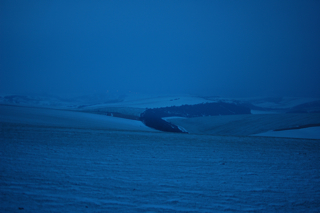
The world outside truly is a wonderland at present.

These photos were taken this evening just as the light was starting to fade which gives them their blue tinge.

Do excuse my lack of herbal posts this week, I’m so excited by this wintery beauty that I had to share some more pictures!

I’ll aim to write something more informative in the next few days. 🙂

Read Full Post »

It started snowing here on Sunday. Just a few flakes that melted away in the afternoon sun but it warned us of what was to follow later in the week.

First snow flakes.

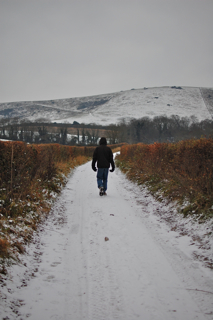
Yesterday, the ground was lightly covered, not much, but enough to disrupt the trains and ensure a day off work for my hubby and I. We went for a walk around our village and admired the many beautiful sights of December 1st, the first day of Winter.

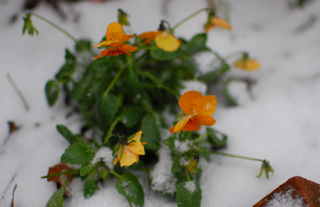
Winter Violas in the snow.

Three seasons in one picture: young cleavers, autumn leaves and snow.

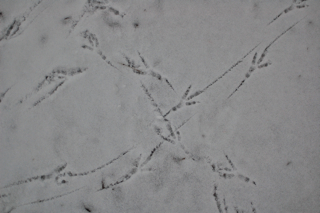
The tracks of birds and animals give us a window into a world we rarely get to see and tell us stories of the lives of our fellow beings.

These, I think, belong to the local pheasants.

We walked into a world where the only colour was ourselves and the last of the autumn leaves, blazing a trail alongside us. I felt like we were in an animation in which only certain parts of the artwork had been coloured in.

We greeted some friends who were also out in the snow.

When we reached the top of the escarpment, the light was just starting to fade and looking out to sea, it was nearly impossible to differentiate between water, land and sky.

When we woke this morning, it was to a white and perfect world. The snow as powdery as icing sugar and as high as the top of my wellies.

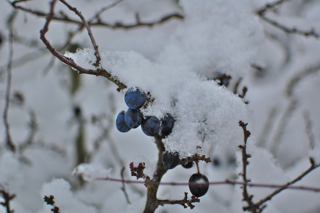
There is an old country saying that goes, ‘many sloans, many groans,’ meaning that when the blackthorns are abundant with sloes, we’re in for a harsh winter.

Well I don’t think I’ve ever seen as many sloes on the trees as I have this year. Even now, after being attacked by birds and sloe gin makers for many weeks, they are still dripping off the branches.

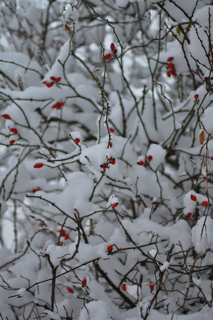
The last of the hawthorn berries and rose hips look so beautiful and Christmassy against the sparkling white snow. It brings a smile to my lips just to see them.

Now I’m off to build a snowman and shower my poor husband in snow balls!

Wishing wintery love and snow angels to you all.

Read Full Post »

Autumn Colours

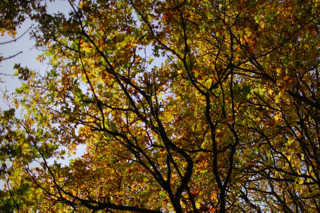
As Autumn begins to give way to Winter it seems as though nature is enjoying a last revelling in the intensity and vitality of this year’s fading life. The colours of Autumn help me view my surroundings with fresh eyes, even in those most world weary of moments.

The last blaze of the leaves reminds me that death and endings may also be resplendent with beauty when we invest them with the totality of our being.

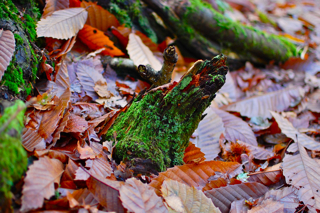
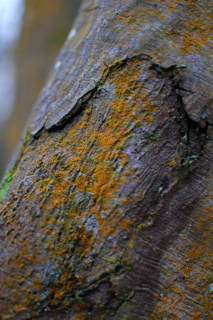
The emerald greens of moss and lichen have an almost spring like vibrancy; endings as beginnings, birth as death.

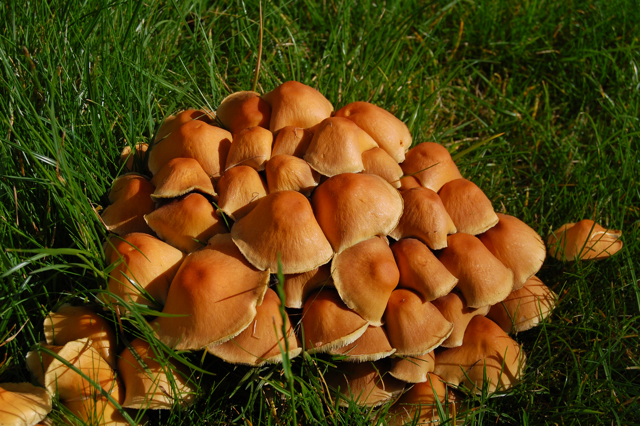
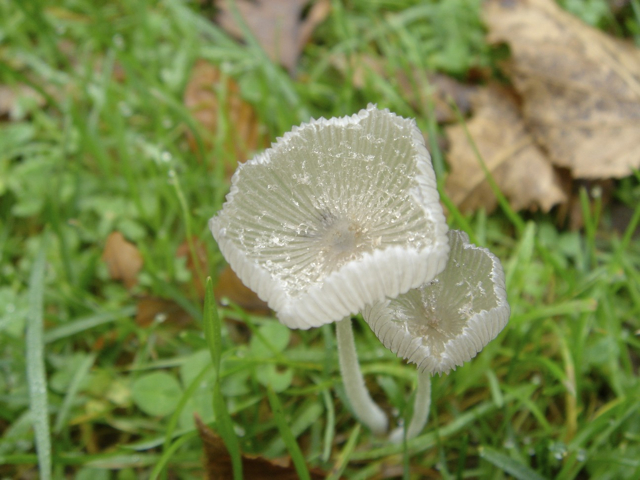
The subtle browns and mauves of fungi nestled in the forest floor keep us alert to the less showy of Autumn’s many splendours.

I love this sense of a final celebration, one last expansion before sleep, one final song before we can only hear the whispering earth in dreams of ice and of long winter shadows, through the softest of slumbers in the ancient quiet of the earth, beneath the misty darkening days.

Read Full Post »

Fabulous Fungi


Read Full Post »
« Newer Posts - Older Posts »