Feeds:
Posts
Comments

Archive for the ‘Spring’ Category

Lesser Celandine or pilewort, as it more commonly known, grows freely in woodlands and other moist, shaded places and brightens the way whenever you pass it by. It’s Latin name, Ranunculus ficaria, refers to the resemblance of its tubers to figs and an old common name for it was figwort (not to be confused with the plant more commonly  known as Figwort, Scrophularia nodosa). Piles, or haemorrhoids, for which the plants got its modern common name, also used to be known as figs, so this usage for our pretty spring friend is nothing new.

In Mrs Grieve’s classic, A Modern Herbal, she tells us, “Wordsworth, whose favourite flower this was (in recognition of which the blossoms are carved on his tomb), fancifully suggests that the painter who first tried to picture the rising sun, must have taken the idea of the spreading pointed rays from the Celandine’s ‘glittering countenance.’ ”

It is true that this little flower arrives early in the spring, appearing almost like a symbol of hope for the warmer days to come.
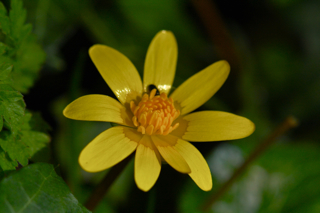
Used mainly to treat non-bleeding haemorrhoids and a sore or itchy anal area, it is oft quoted that  the main indication for this plant came about from the doctrine of signatures as its bulbous tubers are not dissimilar to the appearance of piles. Many years of use however, as well as a modern understanding of its constituents, back up this traditional insight. Pilewort contains tannins and saponins and is both astringent and demulcent, so toning and soothing to inflamed or irritated membranes.

In the past an infusion of pilewort was commonly taken internally as well the the ointment applied topically but these days it is mostly the ointment that is favoured.

Bartram recommends making an ointment by macerating one part whole fresh plant whilst in bloom to three parts of benzoinated lard. I stuck to making an infused vegetable oil via the heat method.

After harvesting the whole plant – roots, leaves and flowers – I washed them thoroughly to get rid of the tenacious clay soil that stuck between each nodule and then spread them out to dry off in the dehydrator for a couple of hours. If you don’t have a dehydrator then just blot them dry as best you can and leave to wilt slightly overnight. This reduces the water content of your herb and helps prevent rancidity. I then infused the herbs in sunflower oil in a bain marie for several hours on a low heat. You can read my detailed instructions on how to make an infused oil here.
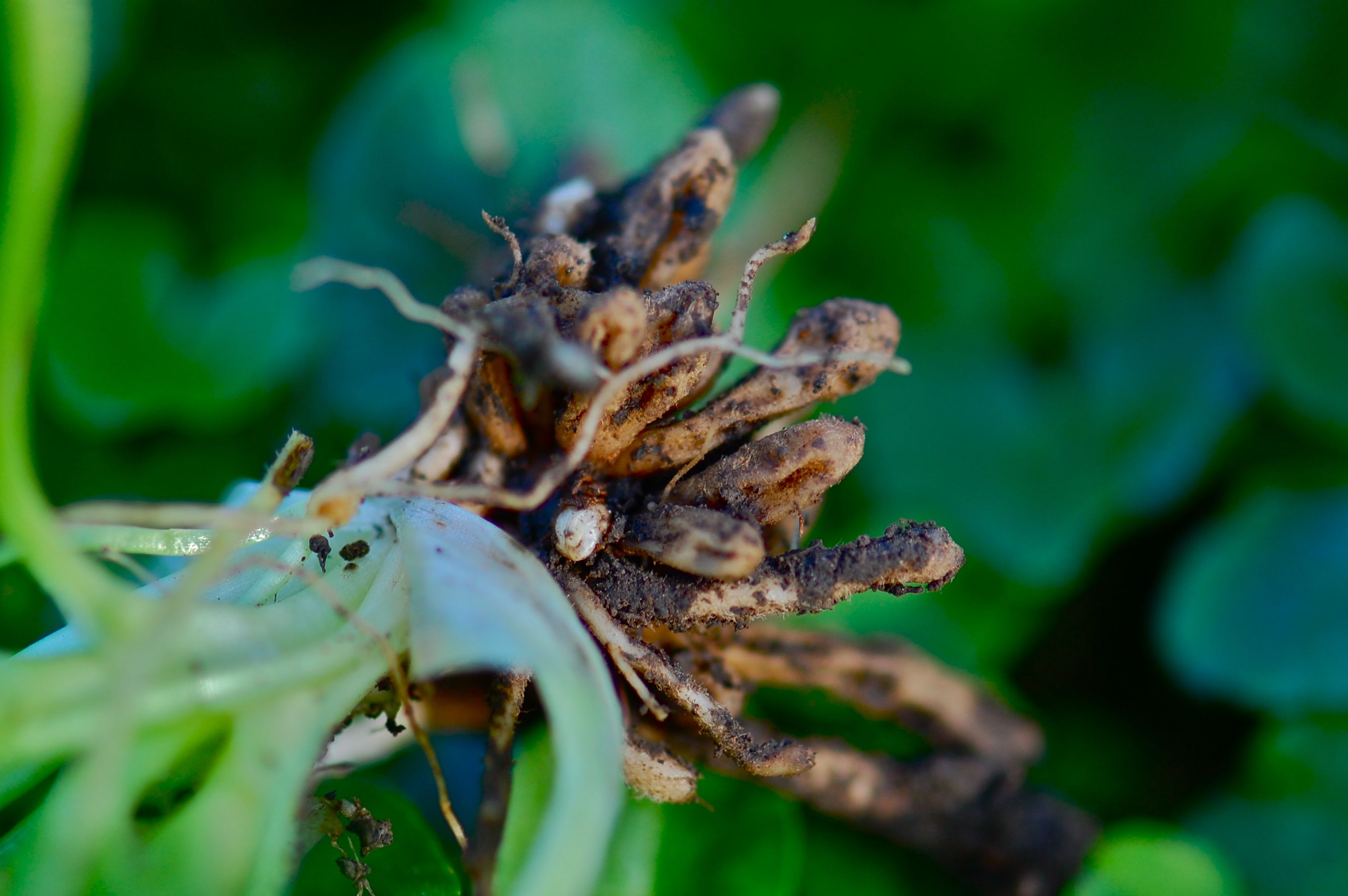
Many people combine the infused oil with horse chestnut oil or tincture to make a nice astringent ointment but, as I have none at present, I came up with this alternative.

Fig Ointment:

40ml pilewort infused oil
20ml plantain infused oil (just use extra pilewort if you have no plantain oil).
20 ml calendula infused oil
10g beeswax
5ml self heal tincture
5ml witch hazel
10 drops lavender essential oil
10 drops geranium essential oil

Melt the beeswax in a bain marie and add the infused oils, stirring until fully mixed. Add in the tinctures and witch hazel and whisk or blend with a hand blender until fully incorporated. Stir in essential oils and leave to set.

Apply liberally several times a day to affected area.

Read Full Post »

Spring is getting into full swing here in the South East and the time for indulging in copious bowls of nettle soup is upon us once more. Each year I end up with a new favourite variation on this time honoured classic of wild food cuisine and this year I’ve managed the impossible. I’ve come up with a recipe that my husband not only tolerates, but actually enjoys too.

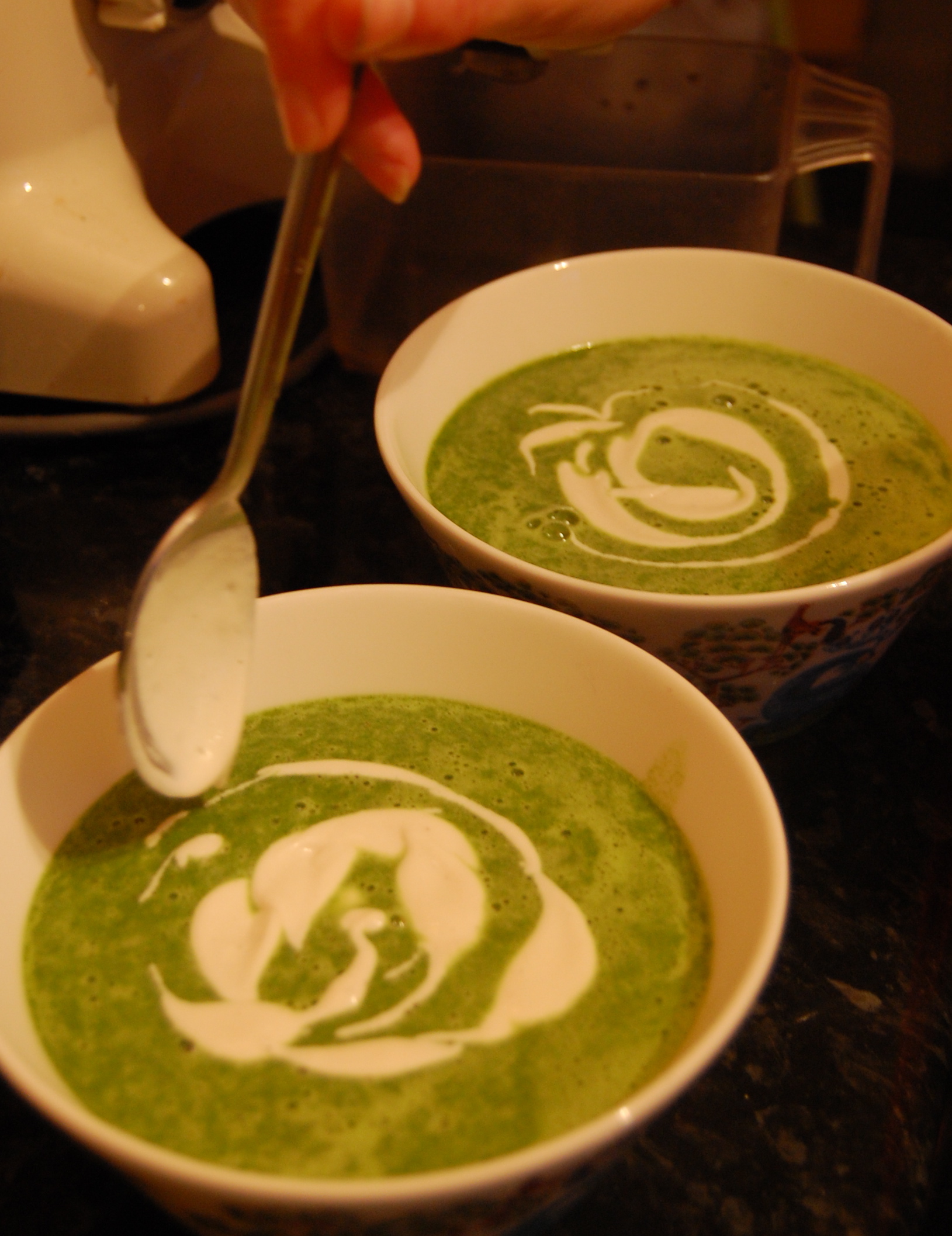
Creamy Nettle and Broccoli Soup with Wild Garlic Oil:

Ingredients-
1 colander full of freshly picked and washed nettle tops
1 head broccoli
1 tin of cannellini beans
1 large onion or 3 shallots
3 cloves of garlic
Tablespoon olive oil
squeeze of lemon juice
stock and seasoning to taste
Wild garlic oil (and leaves if available) to garnish

This is such a quick and simple soup but the texture and flavours make it feel both nourishing and fulfilling. Begin by lightly frying the onion and garlic in the olive oil until softened but not brown. Add the stock, cannellini beans (pre-cooked) and broccoli to the pan and cook until broccoli is tender. Add the nettle tops and a squeeze of lemon and cook for a few minutes until the nettles are wilted and soft. Add seasoning to taste and blend to a thick and creamy consistency. Garnish with a drizzle of wild garlic oil and, if available, some freshly chopped wild garlic leaves and violet flowers.

To make the wild garlic oil you simply lightly pack your blender with freshly picked wild garlic leaves and add somewhere in the region of 250ml virgin olive oil. Blend until you have an almost smooth vibrant green oil. This will last a couple of weeks in the fridge and can be added to soups, salad dressings or smeared on crackers. I always add it at the end though as wild garlic looses much of its flavour when cooked.

You can read my last year’s nettle soup recipes here and my recipe for wild garlic pesto here.

I hope  those of you in the Northern hemisphere are enjoying your spring bounties too.

Read Full Post »

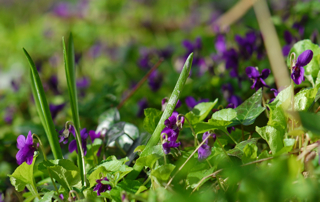
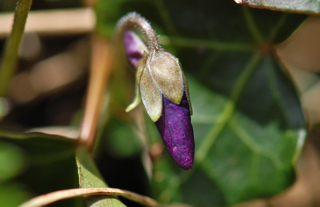
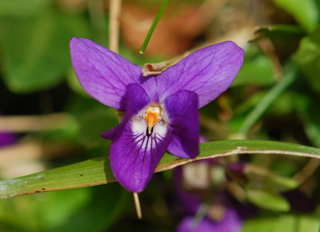
There is a small area of woodland near my house which is filled with violets at this time of year. If you stumble on them unawares they will quite take your breath away. Sometimes the smell is barely detectable but when the sun is shining and the breezes blow, it is utterly divine. I have harvested twice from this patch over the last couple of weeks in order to make an infused honey, an infused oil and a flower remedy. Coming home with a harvest of violet flowers is like carrying a bag of precious jewels, truly a privilege. Unless they continue to bloom so prolifically, I will seek another patch to harvest for a tincture as it’s so important to remember not to over harvest one area.

The sweet violet flowers we know and love are what is known in botany as chasmogamous flowers, those that display their stamens and style for  insect pollination, but many species of viola also produce tiny self pollinating flowers later in the year which are known as cleistogamous. This means that we can be a bit freer with our harvest than we might otherwise be but we should still remember that insects need the flowers for an early source of nectar and therefore not take too many. Also, a beautiful patch of wild violets is enjoyed by many passers by and its not fair to strip it bare.

As a herbal remedy Violet is used most often for it’s soothing, demulcent properties found in the leaf and flower. Being cool and moist they are particularly good for conditions where there is heat such as inflammation and irritated coughs. Culpepper wrote, “A drachm weight of the dried leaves or flowers of Violets, but the leaves more strongly, doth purge the body of choleric humours and assuageth the heat if taken in a draught of wine or other drink.”

Three species are used medicinally, Viola odorata, V. tricolour (the wild pansy) and V. yezoensis (the chinese violet).  The wild dog violet is one of the most common violets found in the UK but it lacks scent, unlike the odorata, though it is still mucilaginous.

Violets are also gently cleansing and decongestant and can be used safely for helping clear the chest and sinuses. Combined with their anti-inflammatory effects and their antioxidant content, this makes them particularly helpful for allergies. You can read Danielle’s fantastic post about treating seasonal allergies here.

They are also specific for a sluggish lymphatic system and make a very valuable spring tonic herb for getting everything moving again after a stagnant winter. This makes them helpful for breast swellings and mastitis and many sources recommend them for cancer treatment. Used as a poultice and taken internally as tea or tincture they were a traditional remedy for breast cancer. I think they resonate with this area of the body particularly as they are, to me, a remedy of the heart. It is with a slight sense of shame that I realise I left them out of my herbal hugs post back in January as they are certainly deeply comforting and loving in their energy. In fact Violets were used by the ancient Greeks in potions for love and fertility.

I also like to use violet as a skin remedy. Both the odorata and the tricolor, better known as heartsease, which flowers a little later, are very valuable in oils or washes for a variety of skin ailments. Their cooling, soothing and protective properties can be used on both dry and weeping eczema as well as acne and irritated, itchy skins. The leaves and flowers contain volatile oils and saponins both of which are extracted well in an infused oil which can then be made in to a lovely cream. I like mine combined with chickweed, speedwell or lavender infused oils depending on the person it is for. For acne treatment I would use it as a wash rather than an oil based preparation.

The flowers and leaves are a very gentle laxative and are often given to children in syrup form to ease their bowels. The root however is a strong laxative and purgative and in high doses will cause vomiting, so be wary.

Also be sure not to use the house plant, African violet, which is poisonous!

The flower remedy is a particularly special preparation which holds many great lessons for us. It is for those who have a very pure vision of the way they feel the world should be. It is a remedy of the imagination, for promoting and holding a clear and positive vision and returning us to a sense of child-like joy and wonder that can heal despondency and the fatigue caused by living in a challenging world.  The sweet violet helps us stay centred in the place where love and imagination have the power to manifest physically and create a better world as a result.

The upper petals are open to give and receive but the perfect gold centre is protected, so the visions held cannot be compromised by the challenges of this world. The fine veins running through the petals are like nerves, indicating the extreme sensitivity of the violet personality. Their heads seem to hang heavy indicating how weighed down these folk can feel by the suffering they see around them. They grow close to the ground indicating how the remedy can help in grounding our dreaming into the here and now and stabilising us when times are tough. The large heart shaped leaves unfurl from the centre enabling us to open our hearts to all life’s experiences whilst remaining equanimous, grounded and free.

A perfect remedy for our troubled times, the violet is one of my favourite flowers.

It was truly a blessing to have such a bright sunny morning for making my flower essence. I’ve spoken to flower remedy makers who do theirs whatever the weather but I find there’s nothing like sunshine to result in a wonderfully energised remedy. You can read my post on how to make your own flower remedies here.

Violet infused honey is such a treat and you can leave the flowers in to add a decorative and delicious touch to your food. It has many of the same properties as the syrup but is simpler and better for those who seek the medicinal benefits of honey rather than using sugar. An added advantage is that you don’t have to heat the flowers or honey at all so none of the antioxidants or vital enzymes will be destroyed. I had thought I wouldn’t bother at all with a syrup this year but Sarah Head posted such an enticing recipe here which involves a magical colour change, so I might have to do a small batch after all!

To make the honey just fill a jar with violet flowers, cover with a reasonably runny raw honey and stir with a chop stick. let infuse for a fortnight or so and then enjoy. The flowers tend to float to the top so just turn the jar or give it a stir now and again to ensure everything is well mixed.

The violets have also been gracing my food regularly over the past couple of weeks and I find nothing more cheering than their beautiful colour mixed here with the leafy greens of my lunch which consisted of quinoa, walnuts. sunflower seeds, cleavers, tender new hawthorn leaves, viola flowers and lemon juice.  It was a delight for all my senses.

Read Full Post »

They’re back and they’re bad – as my fingers, still stinging two days later, can attest. So far this year I’ve only picked a few nettles, to add to teas or green juices, so it was a pleasure to get out in the bright sun this weekend and gather some fresh young tops for making a spring tonic tincture.

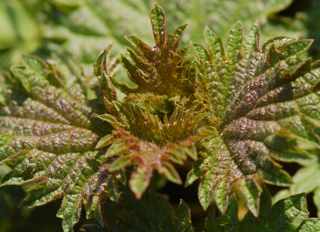
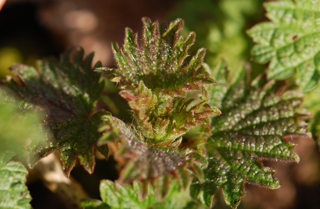
Sarah Furey told me that Stephen Church of The Herbarium told her (who says the oral tradition is dead) that the young nettles appearing at this time of year which have a reddish tinge to their leaves are particularly high in minerals and make for an exceptionally nourishing spring tonic tincture. It makes sense doesn’t it, when you think that the reddy colour can often signify the presence of iron.

This is one of those wonderful examples of how using our senses to observe the subtle changes in plants throughout the year can give us so many clues as to their healing virtues.

Later, when the nettles grow tall and vibrantly green, their diuretic and kidney tonic properties are more prominent.

In the true spirit of enquiry, I decided to make two nettle tinctures this year to compare and contrast the differences in taste and action.

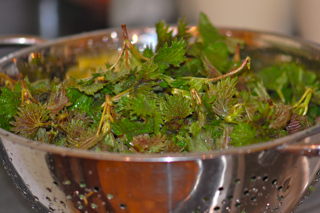
I gathered enough young nettle tops for a couple of litres of tincture, washed them thoroughly and allowed to drain. I made a 1:2 tincture but, as the nettles were fresh, it will probably end up more in the region of a 1:3. If you’d like specific advice on tincture making, the best place to visit is the afore mentioned Herbarium which has brilliant instructions for making tinctures from various different plant parts. You can read the first part of the series here.

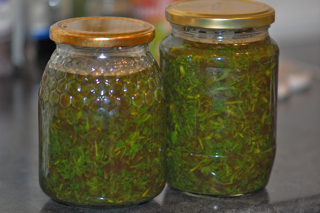
I packed my blender with the nettles and alcohol (vodka is fine for this tincture) and pulsed it until the nettles were nicely broken down but not pureed. Then it went into the jars where it will macerate for two weeks in a cool dark place being shaken and blessed daily.

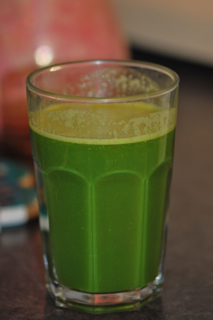
And there were just enough left over to add to a green juice with some cleavers, fennel, celery, cucumber, apple and ginger.

Delicious and radiant, the nettle is so abundant and full of virtues we should count ourselves very lucky to be surrounded by it.

Read Full Post »

Since my last post on harvesting nettle seeds I’ve had a couple of emails asking me for more specific details about how and when to harvest. I remember that when I first started to collect herbs and make my own remedies it would always annoy me when writers skimmed the surface of the topics they were discussing, making assumptions that their readers already knew how to make this or that. So, in the spirit of making things clearer, I thought I’d post a few more photos to show those of you who’d like a bit more info exactly what nettles look like at different times of the year, how the seed should look when you pick it and how it looks when it’s dried. I hope that clears up any confusion and makes it easier to get out and enjoy your harvest.

Nettles come up in Spring at which time you can harvest them for soups, to eat raw, to add to juices, vinegars, teas or enjoy as a steamed or cooked green.

Nettles in Spring

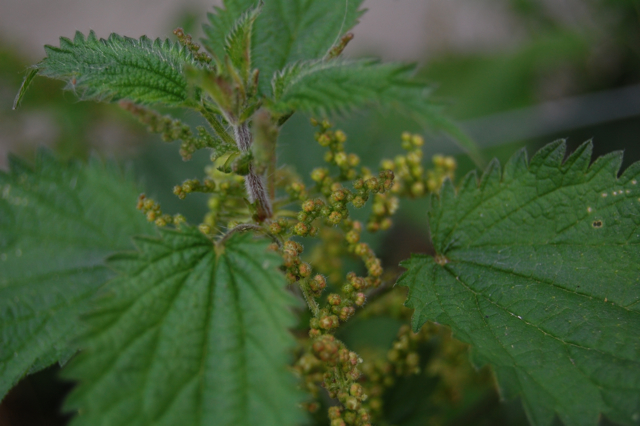
Later, as summer starts to warm up, the nettles begin to flower at which time they are no longer good for eating. Nettles in full sun will flower before those in the shade and will also produce seeds earlier.

Nettle in Flower

The flowers begin to turn to seeds…

Ripening into seeds

But aren’t ready to harvest until they look like this.

Perfect Timing

Collect the green seeds rather than the brown or black.

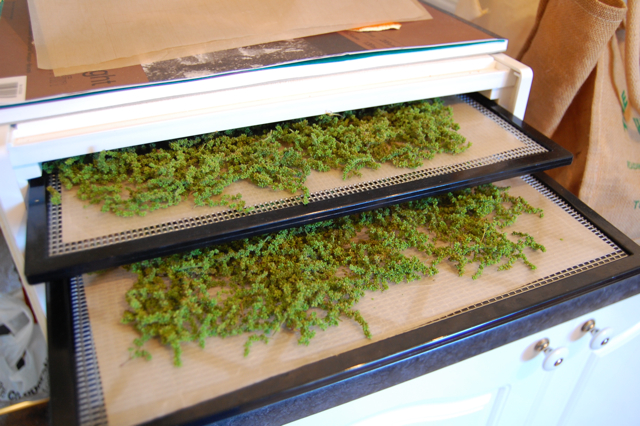
After hanging the stems to allow the insects to escape, cut off the small strands of seeds and allow to air dry or use a dehydrator like this one.

Drying nettle seed in the dehydrator

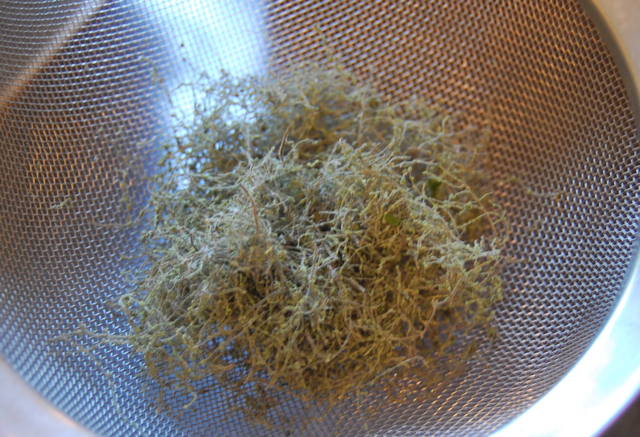
When dry, take small handfuls of the seeds and rub through a sieve.

Sieving dried seeds

The seeds will come away and you’ll be left with the small grey-green stands like these.

After sieving

Pop your dried seeds into a jar, store somewhere cool and away from bright light and enjoy sprinkled on food.

Jar of dried nettle seeds

Hope that was helpful!

Read Full Post »

A Woodland Wander

The woods on a sunny May morning are truly a wonderful place to be.

The Woods in Bloom

Dappled Light

Hawthorn Sky

Nettles and cleavers are starting to flower. This marks the end of nettle picking season, at least until the seeds are ready to harvest in a few months. Once nettles begin to flower, they produce gritty particles in the leaves called csytoliths which may irritate the kidneys and urinary tract. There are still some without flowers however, so have that last nettle juice while you can!

Nettles Flowering

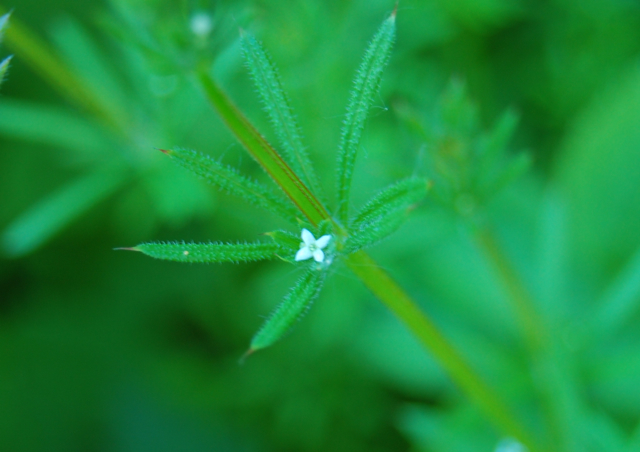
Cleavers- The tiniest, cutest flower in the woods

Also we have an abundance of Herb Robert on the edge of the woods. Herb Robert, Geranium robertianum, is a wild geranium that has a history of traditional use to staunch bleeding, both internally and externally. Though it is little used today, it helps to heal green wounds and ulcers due to its astringent and vulnerary properties, which also make it beneficial for diarrhoea. A fresh juice is applied externally and a tea or tincture taken for internal use.

There’s also still plenty of Garlic Mustard, Alliaria petiolata, also known by his more roguish name, Jack-By-The-Hedge. As the former name implies, the leaves taste both garlicky and mustardy and make a lovely addition to a spring salad. It can also be used to make a warming body rub or poultice for rheumatism or gout, to help treat sore throats and to strengthen the digestion.

Herb Robert

Jack by the Hedge in front of a bank of Herb Robert

Enjoy some woodland wandering and wondering, ’tis medicine for the soul.

Read Full Post »

The best known wild food dish is probably nettle soup. There’s actually quite a lot you can do with nettles, using them in the same way you’d use spinach (except of course for in a baby leaf salad – ouch).

However nettle soup is still probably my favourite and I have it at least once a week at this time of year. To stop if from getting dull I do a few different variations which you can adjust according to your preferences.

The Classic Nettle Soup:

The classic nettle soup is essentially nettles, onion, garlic, stock, seasoning and a potato. Lightly fry the onion in a little olive oil, add the garlic, then the potato and stock and cook till the potato is tender. Add the nettles and cook for a couple of minutes to break down the stings, blend the whole thing up and voila. The potato makes it creamy and gives it a thicker consistency if you like a more substantial soup. What’s good about this recipe is that you can vary it quite a lot, adding lemon if you want something fresher or, my favourite on an early spring day when it’s still wee bit nippy out, chilli and rosemary. Nutmeg is also nice and you can use a can of cannellini beans to make the soup creamy instead of the potato.

Nettle, Leek and Herb Soup with Lemon Cashew Cream:

Herby Nettle and Leek with Cashew Cream

This is a really tasty soup and very quick and simple to whip up in a hurry. You’ll need:

For the Soup:

  • 2 leeks
  • 4 cloves garlic
  • Colander full of nettles
  • Veggie stock
  • Fresh herbs- I use marjoram, sage and thyme, a few sprigs of each
  • Drizzle olive oil
  • Sea salt and pepper to taste
  • Lightly fry the leeks in the oil, add all the other ingredients, cook for just a couple of mins to break down the nettle stings, blend up and enjoy with a swirl of lemon cashew cream.

    For the Cashew Cream:

  • 1 cup cashews
  • Juice of 1 lemon
  • 1 clove garlic
  • Pinch salt and pepper
  • 1/2 cup water
  • Blend all the ingredients in a high powered blender adding the water until you reach the desired consistency, it’s better a little thicker than regular cream would be.

    Raw Nettle Soup:

    Being a big fan of my nettles straight from the hedgerow as i wrote about here, I thought I’d try out a raw nettle soup, a bit like a nettle gazpacho, in order to keep all the nutrients in the nettles in their whole and vital state. I love this version, it so vibrant and energising, but it’s not to everyone’s taste… my hubby thinks it’s gross!

    Raw Nettle Soup

    All you have to do is blend together the following ingredients, pour into a bowl and serve. The speed and pressure of the blender will break down the nettle stings but make sure it’s blended completely smooth.

  • 1 avocado
  • 1 spring onion
  • 3 wild garlic leaves
  • About a centimeter ginger
  • Half an apple
  • Sprig of fresh herbs, chives, dill or thyme are nice
  • Squeeze of lemon juice
  • 2 large handfuls of fresh nettle tops with thick central stems removed
  • 1 cup water
  • Nettle Dahl:
    When I fancy something a bit more substantial one of my favourite dinners is a nettle dahl.

    Nettle Dahl


    I just make a simple dahl with red lentils, spices, onion, garlic and ginger and add the nettles for the last couple of minutes of cooking time.
    In fact you can add nettles to many of your favourite curry dishes, it works really well and is just as delicious as spinach, chard or other greens.

    Happy foraging, I’d love to hear your favourite nettle soup recipe if you have one.

    Read Full Post »

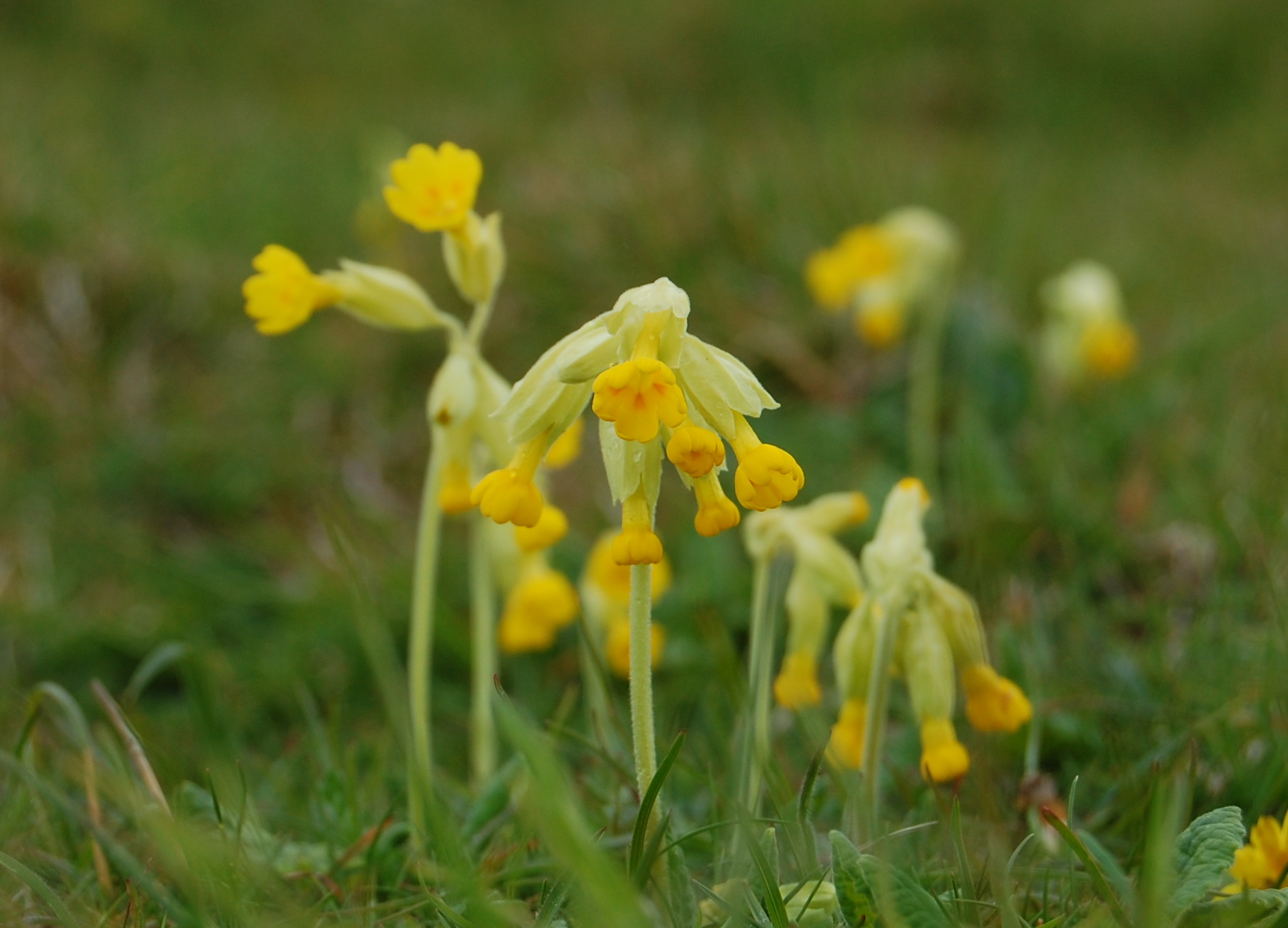
    Cowslips and Primroses are two of the cheeriest and prettiest of our spring wild flowers. They have a rustic charm reminiscent of days gone by when they were used much more commonly in medicine than they are today.

    Cowslip, Primula officinalis, and Primrose, Primula vulgaris, contain similar properties, being of use for soothing the nerves, easing insomnia and improving headaches. An infusion of Cowslip with Wood Betony is said to be of particular use in headache and migraine. They are both anti-inflammatory and anti-spasmodic, making them useful for muscular pains, rheumatism and gout and an infusion of the flowers of either plant can be used in the bath for soothing these conditions. They have also been recommended for pulmonary problems as both have expectorant properties.

    Cowslips

    Infusions of Primrose or Cowslip flowers have been used to brighten the complexion and reduce wrinkles. Culpepper recommends a Cowslip ointment saying, ‘Our city dames know well enough the ointment or distilled water of it adds to beauty or at least restores it when lost.’

    Both flowers are associated with youth in the Victorian language of flowers, Cowslip also being associated with winning grace and primrose carrying the meaning, ‘I can’t live without you.’ Both have also been associated with faeries in folk tradition and magic.

    The flowers and young leaves can be used in salads, though they are potentially allergenic so always do an allergy test first by rubbing a little of the juice from a leaf on the inside of the lips and seeing how you react.

    Primrose

    Both plants used to be very common but cowslip especially is much rarer now due to changing habitat and over harvesting as well as pesticide and agrochemical use. Therefore it’s best to grow these plants in your garden if you wish to use them for food or remedies.

    Maria Treben rates Cowslip highly as a remedy for insomnia. Here is her recipe for a sleep inducing tea:

    50g Cowslip flowers
    25g Lavender
    10g St John’s Wort
    15g Hops
    5g Valerian

    Pour 1/4 litre boiling water over a heaped teaspoon of the herbal mix, allow to infuse, add honey if desired and drink in sips before bed. She says, ‘This tea should be preferred to all chemical sleep inducing remedies. Sleeping pills destroy the nervous system whereas this tea removes nervous complaints.’ It is a fairly pokey mix though so check with a herbalist before taking (especially if on medication) or stick with a more gentle blend of herbs such as chamomile, lime flowers and cowslip.

    For a easy approach to making a tincture, loosely fill a jar with fresh cowslip flowers, pour vodka over them, cap and leave in the sunlight for fourteen days. Take 3 teaspoons a day as a soothing nervous system tonic. Cowslip was also commonly made into wine.

    Primrose flowers also make a lovely infused vinegar which can be used in cooking or salad dressings.

    Enjoy these sweet spring soothers and remember to harvest them with care and gratitude, never taking too much from one area.
    Read Full Post »

    Spring comes, even to a concrete garden.

    People are always surprised when I tell them I have more than 60 plants growing in our one bed rented flat and little patio garden. It’s not the same as being able to work and live close to the soil but it’s still a great joy to surround oneself with green friends, even in the midst of the city. All those whose blood runs green will take nature with them to the unlikeliest of places.

    Pot gardening is fairly easy, light work and a great opportunity to get to know plants when you don’t have access to a garden or allotment. I have come to see it as a metaphor for my own situation right now. My plants and I are still wild and free yet we are all constrained within limits; a pot, four walls, a sea of concrete. When we sleep we all dream together of forests, deep and dark, and the smell of the earth in the early morning after a fine rain. I have promised them, as I promise myself, that we shall all spread roots down into our sweet mother earth someday soon.

    These are a few of the beautiful things appearing now in my patio.

    Young Valerian Leaves

    Pussy Willow

    Lovely New Angelica

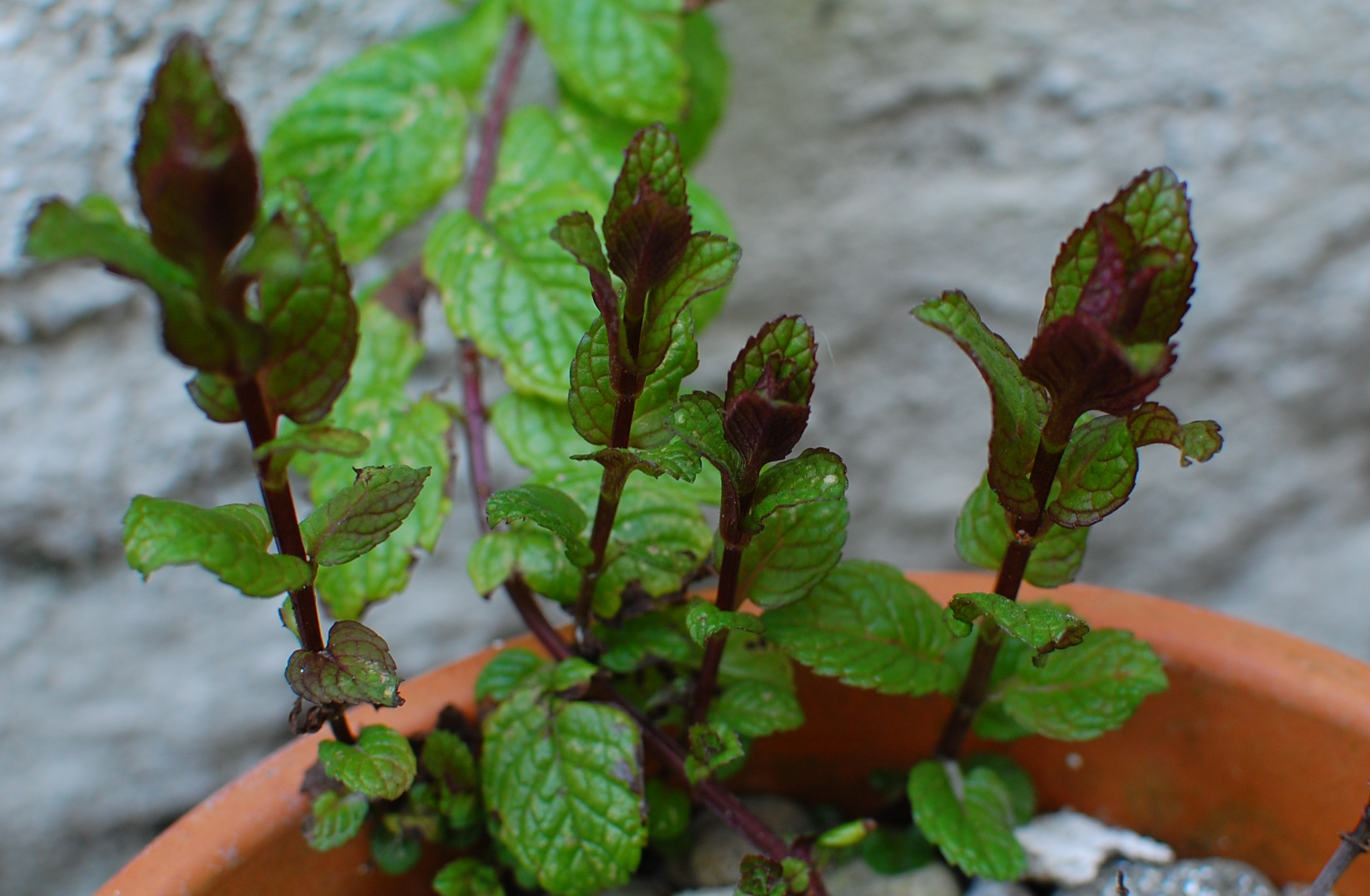
    Mint Shooting Up

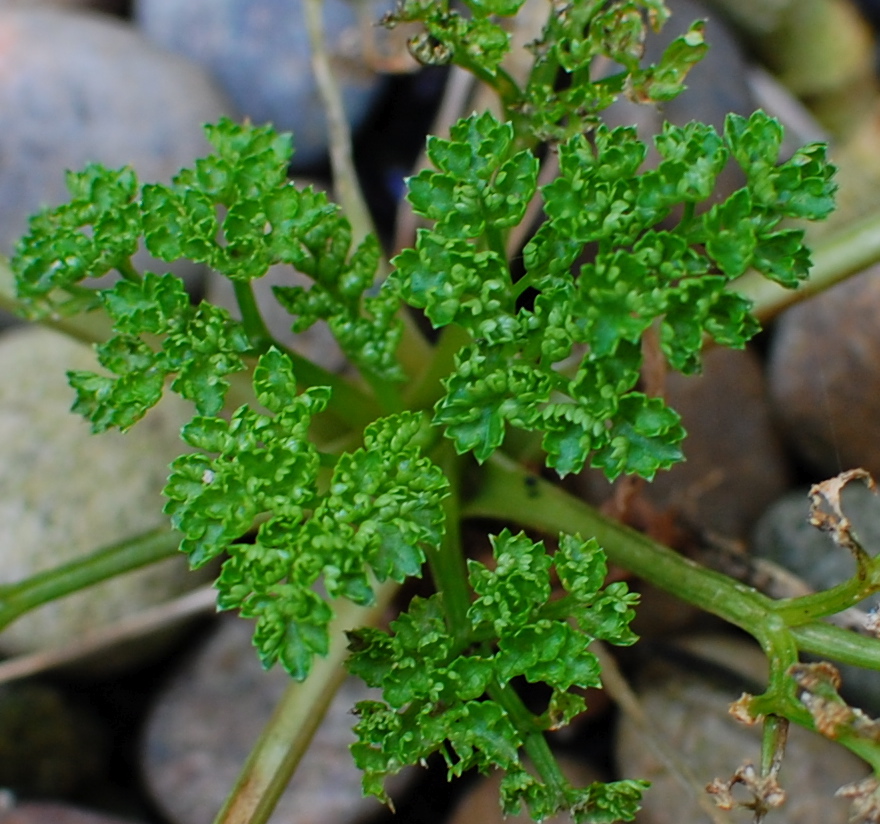
    Fresh Young Parsley

    Rosemary in Flower

    New Growth of Hyssop

    Read Full Post »

    This month’s herbal bog party, hosted by the inspiring Brigitte of My Herb Corner, is on the topic of My Herbal Treasures in March. Its so exciting to be thinking about all the new life beginning to stir at the moment as I’ve just started my first Spring harvests.

    Its kind of an obvious one, but my favourite March herb is probably the dear and wonderfully weedy Cleavers. Galium aparine

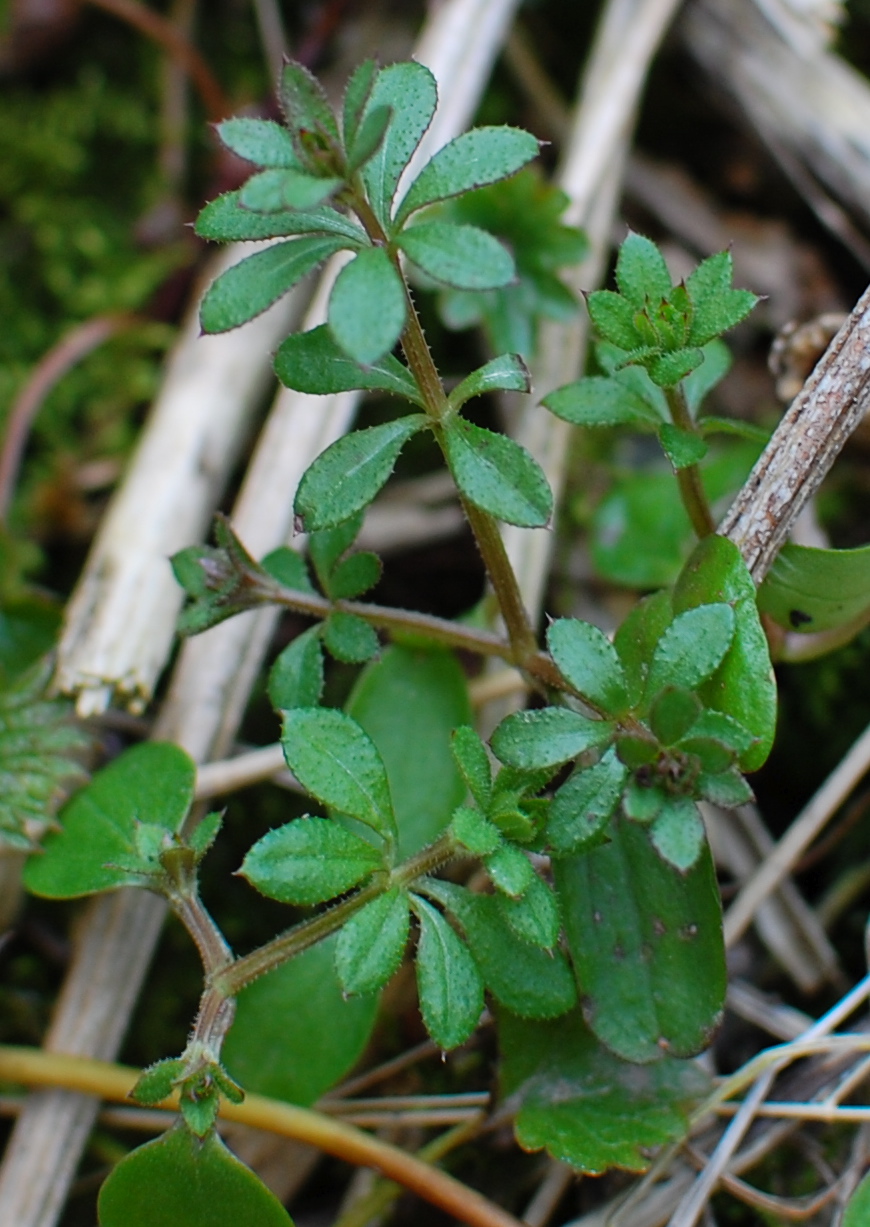
    Also known as Goosegrass or Sticky Willy, Cleavers is one of the first of our spring allies to appear, though it was perhaps a little later this year than I remember as I only managed my first harvest last weekend. It’s found mainly in woods and hedgerows and, along with its good friend stinging nettle, is one of the first wild herbs many people learn about.

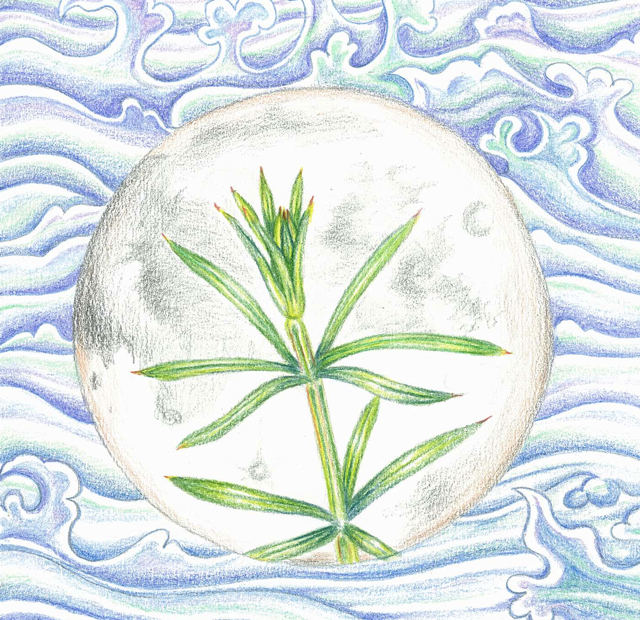
    Cleavers is a herb of the moon and is governed by the element of water and this is key to my understanding of how it works in the body. As a medicinal herb it is most commonly used to treat the lymphatic system, a network of vessels which runs alongside the blood circulation carrying waste materials in lymph fluid ready for processing in the lymph nodes and organs such as the tonsils, thymus and spleen. The lymph has no pump of its own so is reliant on the movement of blood and muscles to aid its journey, so exercise is vital for a healthy lymphatic system. It’s functions are primarily to aid cleansing of the tissues and assist the immune system by transporting white blood cells and antibodies.

    To me, the lymph relates very closely to the water element in us and, as we know, the moon affects fluids in all of nature by governing flows and tides. The nature of water is to be fluid, we can easily see how polluted stagnant water becomes, and the lymph must also be flowing in order to perform its functions within the body. In the winter we can become more stagnant and accumulations tend to build up, stressing the lymphatic system and resulting in lowered immunity, swollen glands and sluggishness.

    Cleavers is all about getting things moving and flowing again. I see it as an initiator and indeed it is meant to be auspicious to drink it before a journey. It doesn’t force change, just gently encourages the body to wake and clear itself, helping to remove excess fluids through its diuretic action. This quality means it is also a good urinary tonic, especially in inflammatory conditions of the urinary tract as it is also anti-inflammatory. Its useful for clearing the skin, partly due to its general alterative properties, and it has been used to treat cancers, both internally and externally as a poultice.

    The water element also governs the emotions and Cleavers can help us to gently let go of the past and be ready to embrace the new growth and change that Spring awakens.

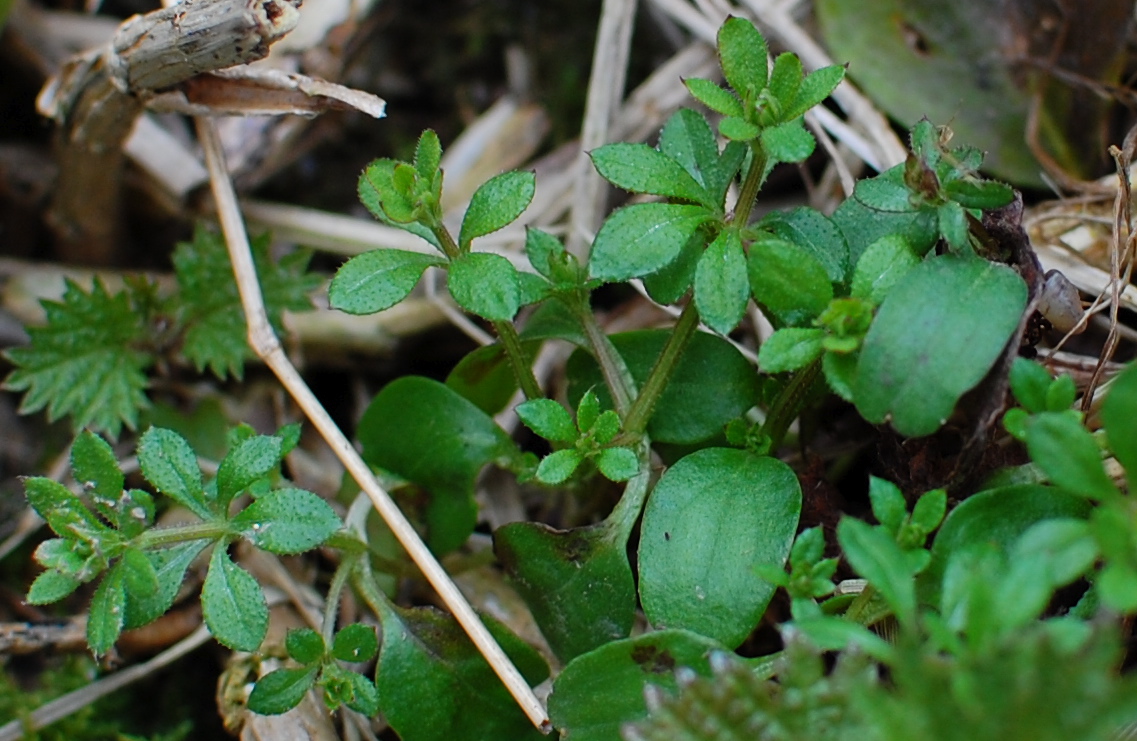
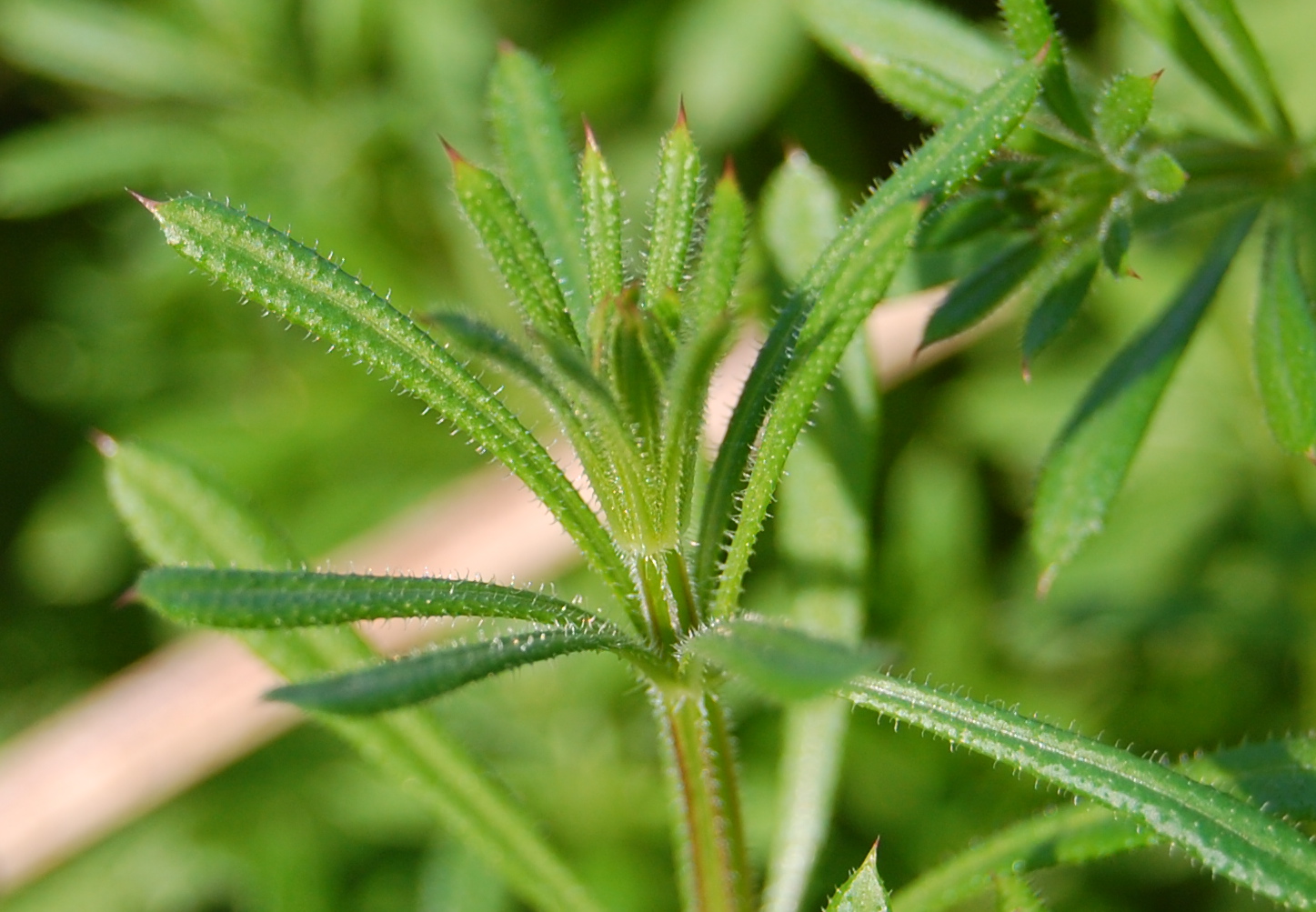
    Cleavers is covered in tiny little hooked bristles which you can see in the close up below which I took last year, later in the season when the plant was more mature.

    I see Cleavers as a plant of youth, not only because of it’s appearance early in the spring but due to it ability to entertain the child in us all when, on long walks, we can engage in the game I never grow tired of, how many cleavers can you stick on someone’s back before they notice 🙂

    I think the real reason Cleavers grab on to us as we go by is because, in a damp climate like the UK, we could all do with a bit of lymphatic support and she is generously reminding us of the great service she can offer.

    The plant itself is strong yet supple. It is flexible enough to be twisted round itself and apparently, country folk used to use it in this way to make a sieve for straining milk. It uses its little hooks to grow up other plants to get to the light, yet its strong enough to support them too when needed.

    Here are a few ways to incorporate Cleavers into your life, they are always better used fresh than dried:

    Cleavers Green Juice
    Juice is my favourite way to take them and also the most potent as we are ingesting the life blood of the plant which is an incredible gift. It does require the use of a juicer but if you don’t have one you could whizz it in the blender with some water and then strain, though I haven’t tried it this way. I juice a big handful of cleavers with some apple, fennel, lemon, ginger and celery. This makes a delicious cleansing and revitalising drink for bright Spring mornings.

    Cleavers Vinegar
    Make your Cleavers into a delicious green vinegar by lightly packing a jar with them then covering in unpasteurised apple cider vinegar. Cap with a plastic not metal lid (vinegar corrodes metal) and allow to infuse for three weeks before straining and rebottling. This makes a lovely spring salad dressing with a drizzle of olive oil.

    Cleavers Salad
    At this time of year you can finely chop the young cleavers and add to salads, though later in the Spring they become too tough and stringy. Enjoy them now while they’re tender!

    Cleavers Cold Infusion
    Many people prepare their cleavers as a cold infusion by popping a handful in a glass, covering in cold water and leaving overnight to infuse. Strain and drink in the morning for a refreshing start to the day.

    Cleavers Succus
    This one comes from Matthew and Julie Bruton-Seal’s wonderful book Hedgerow Medicine which I would recommend to anyone interested in wildcrafting herbs. Juice fresh cleavers, measure it and add an equal amount of runny honey. Bottle and label. It will last much longer this way and would be a lovely soothing and effective remedy for tonsilitis.


    In early Spring the Cleavers Moon
    Draws up from depths of wintery slumber
    Our waking tides.
    From ripple to wave she speaks of cycles
    Of change, of flow,
    Of newest growth already held in visions.
    She invites us too to grow, along with her,
    Weedy and wild,
    Supple yet unyielding as the waters she guides
    She helps to carry us all.

    Some other things to be happy about in March:
    My first dandelion.
    Young Comfrey leaves appearing.
    Fresh, young nettles.

    Also Lesser Celandine (or pilewort), Viola and other lovelies are out and about.

    Spring love and loveliness to all.

    Read Full Post »

    « Newer Posts - Older Posts »