Feeds:
Posts
Comments

Archive for the ‘Trees’ Category

Wondering reverence amongst the Pines

Trees have captured our imaginations since people first walked amongst them. Possibly even before. There has never been a time when our lives did not depend on the majesty of these great beings, whether for food, shelter, fuel or medicine. As the daughter of a forester I suppose it was inevitable that my chosen path would in some way come full circle and include a special place for trees. I am so grateful for the healing provided by them, there always seems an extra special something in a blend of herbs when it contains some tree medicine!

I think trees function as nervines simply by their virtue of being. In my experience, nothing is a greater tonic to the nerves than a walk in nature, wandering through aged boughs and young saplings and feeling your gaze flooded with a thousand shades of green. The nervous system, down to the neurones themselves, bears a striking resemblance to trees, with their myriad branches and roots stretching out and connecting, sending messages and forming an incredible network, the like of which we have barely begun to understand.

A Neuron

Having said that, within herbal medicine, not many trees are considered nervines. The blossoms of Hawthorn have been described as such, Peach and Rose make great cooling remedies for the nervous system and then there’s the lovely Linden, one of my favourite trees that is also one of my favourite nervines. Linden, also known as Lime Tree (though no relation to the fruit!) is one of the herbalists greatest allies for soothing stress, tension and nervous excitation. The name comes from an Anglo Saxon root, though ‘Linden’ was originally an adjective, meaning ‘made of Lime wood’. In German, the verb ‘lindern’ means to alleviate, ease or soothe.

In various European cultures it has been associated with the divine feminine, being sacred to Freya and Frigga, Goddesses of love, fertility, domesticity and divination.

Limes are an ancient species, there is a small leaved lime in Westonbirt Arboretum that is at least 2,000 years old. Limes and elms were once the commonest trees in Britain, flourishing around 6,000 years ago, during the warm Atlantic period. These would have been our native species, Tilia cordata, or small leaved lime, and Tilia platyphyllos, the broad leaved lime. Both of these are now fairly rare, especially the broad leaved, and the lime trees common in parks and lining avenues are the common limes Tilia x europaea or Tilia x vulgaris.

A Common Lime – just before flowering.

I was hoping the Limes would be in flower by now but everything is a bit late this year. I’m waiting on them blooming any day though! I was planning to share a few more of my recipes but I’ll do an update with some ideas for using the blossoms as soon as they are ready for picking. I’ll be doing some tincture, infused oil, a flower remedy (weather permitting!) and an elixir so do check back in a week or two for some medicine making ideas. Linden is one of the last trees to flower and the blooms are only fresh for about a week so everything has to be dropped as soon as the blossoms open and the bees start buzzing. Bees are the best guides to finding a Linden in flower as they can be heard making merry with the pollen, one of their favourites, from quite some distance. There is an altogether musical quality about this tree and it’s wood was a common choice for making instruments such as guitars and recorders due to its fine acoustics.

If the elder is a venerable and wise old grandmother then the linden is a kind and gentle mother, softly singing her child to sleep. You always feel cared for with a cup of linden tea in your hand. Due to it’s gentle nature and sweet honey like taste, Linden makes a lovely children’s remedy taken as a tea, with a little honey if required. It can soothe irritability in children and adults alike and makes a lovely footbath to aid a restful night’s sleep. In Peter Conway’s interesting book “Tree Medicine’, he writes. ‘If you are stressed, tense or overworked, you need limeflowers.’ Well thats most of us then! It is also highly beneficial to constitutionally nervous types whose anxiety goes to their digestion.

It’s list of actions include antidepressant, antispasmodic, demulcent, diaphoretic, expectorant, hypotensive, nervine, sedative and stomachic and as such, it’s is good for more then just stress.

Linden branch – note the heart shaped leaves.

It’s been traditionally used as a heart tonic, helping to reduce cholesterol and high blood pressure, especially if the cause is anxiety driven. It does this in part by relaxing the circulation. If you try clenching your fists hard you’ll notice the skin in your palm going white where the blood has been unable to flow before turning red as the blood rushes back in. Now imagine being in a constant state of anxiety, it creates constriction which results in shallow breathing, reduced circulation and eventually dryness where the blood has been unable to adequately nourish the skin. Linden effectively treats all these conditions, by relaxing the nervous system and the circulation and soothing dryness and inflammation with its high mucilage content. In this way we can see its energy as being expansive in opening up the channels of the body to allow relaxation and flow.

It’s also a valuable medicine for the immune system being regularly drunk as a hot tea in France for colds, flus and fevers. As a diaphoretic it helps the body produce sweat which can lower a high temperature and rid the body of infection. Its anti-inflammatory and expectorant properties make it useful in respiratory conditions where it helps remove phlegm, soothe irritated passages and boost the immune system.

Interestingly, some describe it as energetically cooling and others as warming and we can see both of these qualities if we consider its ability to stimulate and move (qualities traditionally thought of as warming) as well as it’s use in cooling the body by encouraging sweating and calming anxiety.
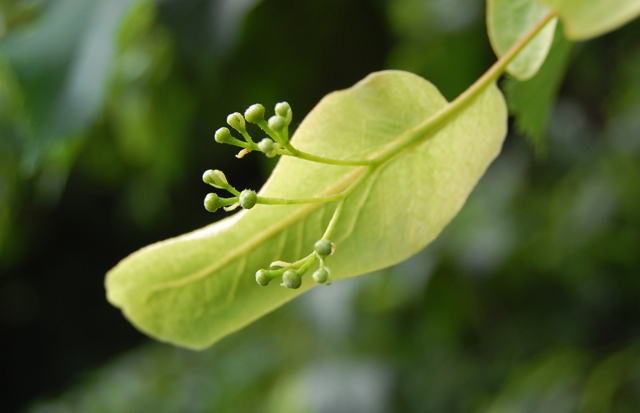
The bracts and almost opening blossom, both of which are used medicinally.

There are also a variety of external uses for lime blossom, as the high mucilage content helps to soothe irritation and inflammation when used an an infusion for compresses or baths or as an infused oil. It is also a valuable herb for beauty as it is high in antioxidants, helps to regenerate the skin and and is thought to help clear acne when used in facial washes. This year I plan to make a nourishing and softening blend of linden and elderflower infused oils to make into face creams. Lovely.

Linden shines as a tea, having such a palatable taste that there are few who will dislike it. I included my ‘Hug in a Mug’ recipe in my recent post on rose which contains linden blossom, rose and avena, but often I just make a simple linden blossom tea and float a few rose buds on top which gives it a beautiful flavour as well as aesthetic appeal. To enhance the diaphoretic effect it is lovely taken with elderflower at the onset of a cold or flu and can be combined with hawthorn to emphasise it’s ability to lower blood pressure and protect the heart. In very large doses it can cause nausea and may be damaging so stick to 3 or 4 cups a day long term or take larger doses for a short period only.

Linden and Rose Bud Tea

The Linden is truly a gift of healing and wonder. It is strong and ancient yet also elegant and and it teaches us lightness, grace and a subtle kind of merriment. I’m excited for the first blooms which should appear very soon and will be reporting on the harvest and the medicine making as and when it happens.

A Lullaby of Linden:
I would like to sit with you
In a silence
Punctuated only by song,
Strange and sweet
And whispering of stars that fell an age ago.
Stillness and lullaby are my gifts to you.
My honied words, a subtle kindness
That tells you, ‘Dear one, stop,
You are held, you are loved.’
I’ve seen your life in a blink of my own
But to me you are unique in whichever form you appear today.
My song is your medicine.
Stillness and lullaby are my gifts to you.

References:
Picture of a neuron available at http://www.sullenriot.com/media/images/article-images/neuron.gif
Tree Medicine – Peter Conway
The Desktop Guide to Herbal Medicine – Brigitte Mars
Hedgerow Medicine – Julie Bruton-Seal and Matthew Seal
The Living Wisdom of Trees – Fred Hageneder
Flora Britannica – Richard Mabey
Read Full Post »

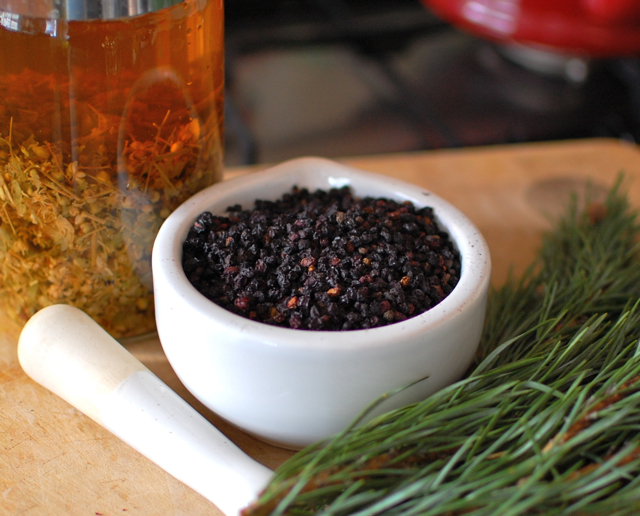
Tree Remedies- Linden Infusion, Elderberries and Pine Needles

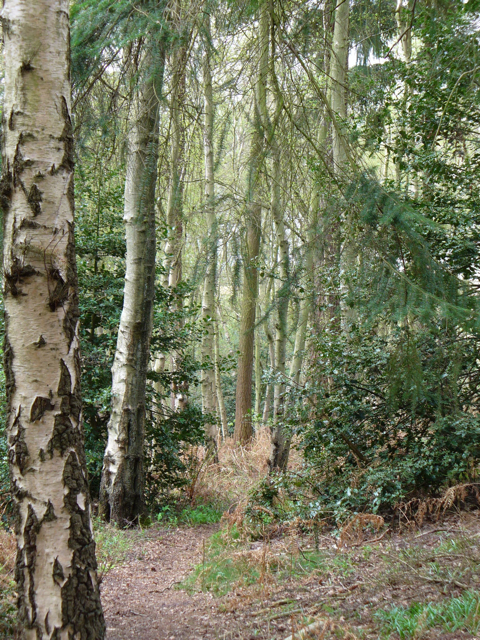
This month I’ll be hosting my first blog party for the UK Herbarium bloggers and anyone else who fancies joining in. I’ve chosen the topic ‘Leaf and Blossom, Bark and Berry: My Favourite Tree Medicines’.

I chose this topic for two reasons. Firstly, and most simply, because I have a great love of trees, they were my closest companions when living in the country and have kept me sane whilst living in the city. Secondly, I wanted to honour the fact that many of our favourite herbal medicines are from trees. From Hawthorn to Birch, Cherry to Peach, Linden to Oak, we use many parts of trees in our healing, including berries, leaves, twigs, barks and blossom. For us here in the UK we’re mainly harvesting blossoms and some barks at the moment but our friends in New Zealand will be using entirely different parts. Some lovely essential oils also come from trees including Cedarwood, Sandalwood and, my favourite, Neroli. You can choose any part of any tree to write about and the topic is fluid so feel free to include shrubs in the definition of trees. We can also be creative with our idea of what is medicine, I know for me there is nothing more healing than a walk in the woods so please don’t feel limited to writing about a tree part and it’s medicinal uses, you can be as imaginative as you like with this topic. Whether your medicine is a tree essence, a healing syrup, a blend of oils, a story, or a simple expression of the benefit we get from trees through words or pictures, we’d love to read what you have to say.

If you have your own blog then add your post before June 20th and email me the link at whisperingearth@gmail.com  -I’ll post all the links here on the evening of the 20th.

If you don’t have a blog but would like to join us anyway you can email your piece as a word document to Debs at the UK Herbarium on debs at herbal-haven dot co dot uk and she will add it to the UK Herbarium blog as a guest post.

Into the Woods

Trees by Ruth Fainlight

Trees, our mute companions,
looming through the winter mist
from the side of the road,
lit for a moment in passing
by the car’s headlamps:
ash and oak, chestnut and yew;
witnesses, huge mild beings
who suffer the consequence
of sharing our planet and cannot
move away from any evil
we subject them to,
whose silent absolution hides
the scars of our sins, who always
forgive- yet still assume
the attributes of judges, not victims.

Read Full Post »

Mark the fair blooming of the Hawthorn Tree,
Who, finely clothed in a robe of white,
Fills the wanton eye with May’s delight.
Chaucer.

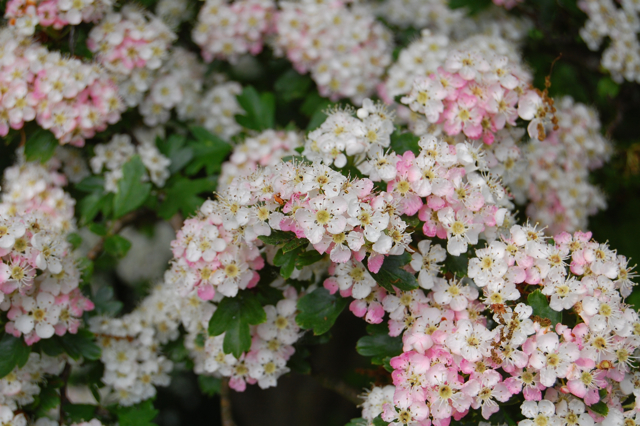
Pink and white blossoms of Hawthorn

I couldn’t let May disappear without paying homage to the Hawthorn, sacred tree of this month. It has been known by many names, including May Flower, May Tree, White May and simply The May, all referencing the beauty, symbolism and medicine of its blossom at this time of year. In fact the Hawthorn provides medicine most of the year round, not just in its blossom, but its leaves and berries too.

Hawthorns on the Sussex Downs, just before flowering.

Hawthorn has been common in Britain for millennia, pollen counts showing its presence here before 6,000 BC, and of all our native trees, it is perhaps the most enshrined in myth and legend. From Celtic ceremony, to Arthurian myth, to Christian legend, the Hawthorn has its place in all the stories that shape our land and our hearts.

In pagan spirituality, the Hawthorn was a symbol of fertility, youth and sexuality and was considered sacred to the Goddess. It is believed that in Celtic times, most marriages took place at this time of year, usually at Beltaine, the cross quarter festival marking the mid-point between the spring equinox and the summer solstice. Hawthorn would have been in full bloom, bringing abundant blessings to the newly weds. Today, its historical symbolism and its affinity with the heart have resulted in it being considered the tree of love. Despite marrying in August, we used branches of Hawthorn, among other trees, in our wedding ceremony last year.

Reacting against its saucy pagan associations, the Catholic Church made the pure white blossoms a symbol of the Virgin Mary and of chastity. It was also said to be the wood from which the crown of thorns worn by Jesus was made. The Glastonbury Thorn, which flowers once in May and again at Christmas was said to have grown from the staff of Joseph of Arimathea, which took root when he brought Christianity to the British Isles.

There are thought to be up to 1,000 species of Hawthorn worldwide, the two most common in the UK are Crataegus monogyna and Crataegus laevigata. Usually white, the blossoms may also be a light or deep pink.

Pink Hawthorn

In medicine Hawthorn is most commonly associated with the heart and circulatory system. Both the blossoms and berries are useful and many herbalists combine preparations of the two. The berries and leaves are considered warming and drying whilst the flowers are slightly cooler in nature. Seen as a restorative of the heart, it is non-toxic and can be used safely by most people, though some care must be taken with those already on heart medication, it’s best to check with a qualified herbalist in such cases. In fact Hawthorn is regarded as one of the few Western adaptogenic herbs, having the ability to balance blood pressure, aid in convalescence and regulate sleep. As a herb of Mars it was seen as dynamic and stimulating, however it was also considered an antispasmodic and sedative to the nervous system. Like so many of our multi-faceted herbal allies, it’s impossible to squeeze into any one simple definition.

Both flowers and berries are healing to the heart muscle and arteries, being rich in flavonoids and other chemical constituents, I’ll be considering the berries in more depth when they are in season.

My own experience is that the berries are slightly more stimulating, partly due to their warming quality, where as the flowers make me feel relaxed, comforted and slightly blissed out. The tea has a lovely subtle honey flavour which eases tension and opens the emotional heart. Along with Rose, which I recently posted about, I see Hawthorn blossom as the most important remedy for helping open the heart. See how the beautiful blossoms open to reveal their pink stamens, reaching out.

Hawthorn blossom -opening the heart

One thing that intrigues me is how both the Hawthorn and the Rose have this incredible affinity with easing our emotional barriers and opening us up to feel and embrace our experiences deeply, yet they both have these very protective and somewhat savage thorns. They seem to symbolise how vulnerability and protection are not mutually exclusive, how being open doesn’t mean being weak. After meditating on this a while I came across this great article by American herbalist Jim Mcdonald who speaks of his experience with thorn medicine.

Hawthorn’s Thorns

I love the Hawthorn unashamedly and use it mostly as a tea, tincture and flower remedy. A tea made from the fresh leaves and blossoms is my favourite but I usually dry some for use later in the year too. Some people hate the distinctive, musky aroma given off by the pollen during May which is supposed to contain triethylamine, one of the first chemicals produced from dead tissue. To me however, it smells rich and heady and I can always imagine the bees drunkenly loading up on this wonderful springtime treasure!

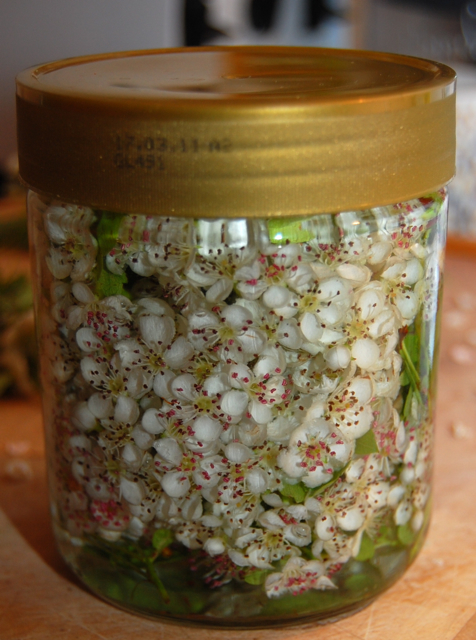
Drying Hawthorn

Hawthorn Tincture

Read Full Post »

Beautiful Barks

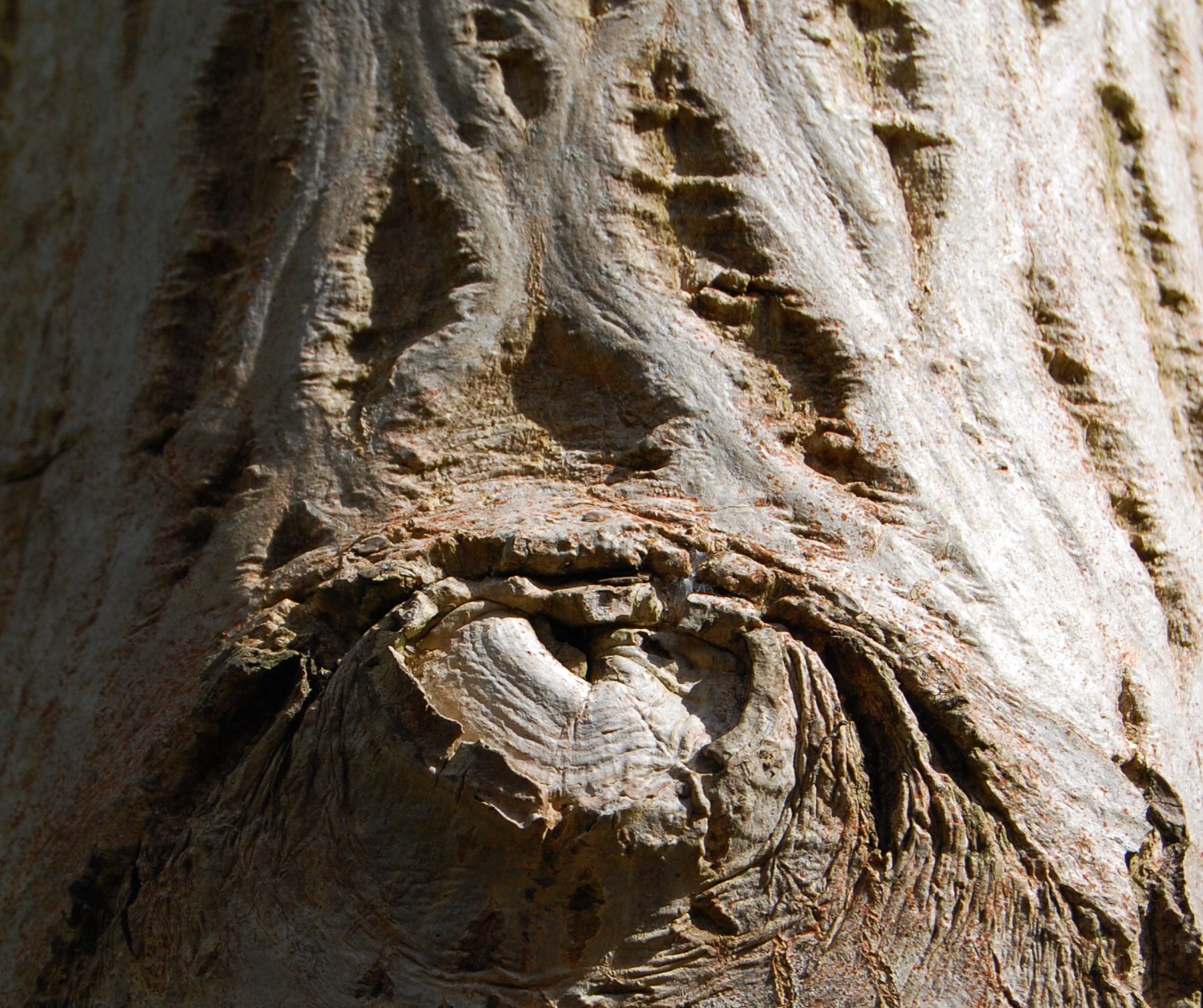
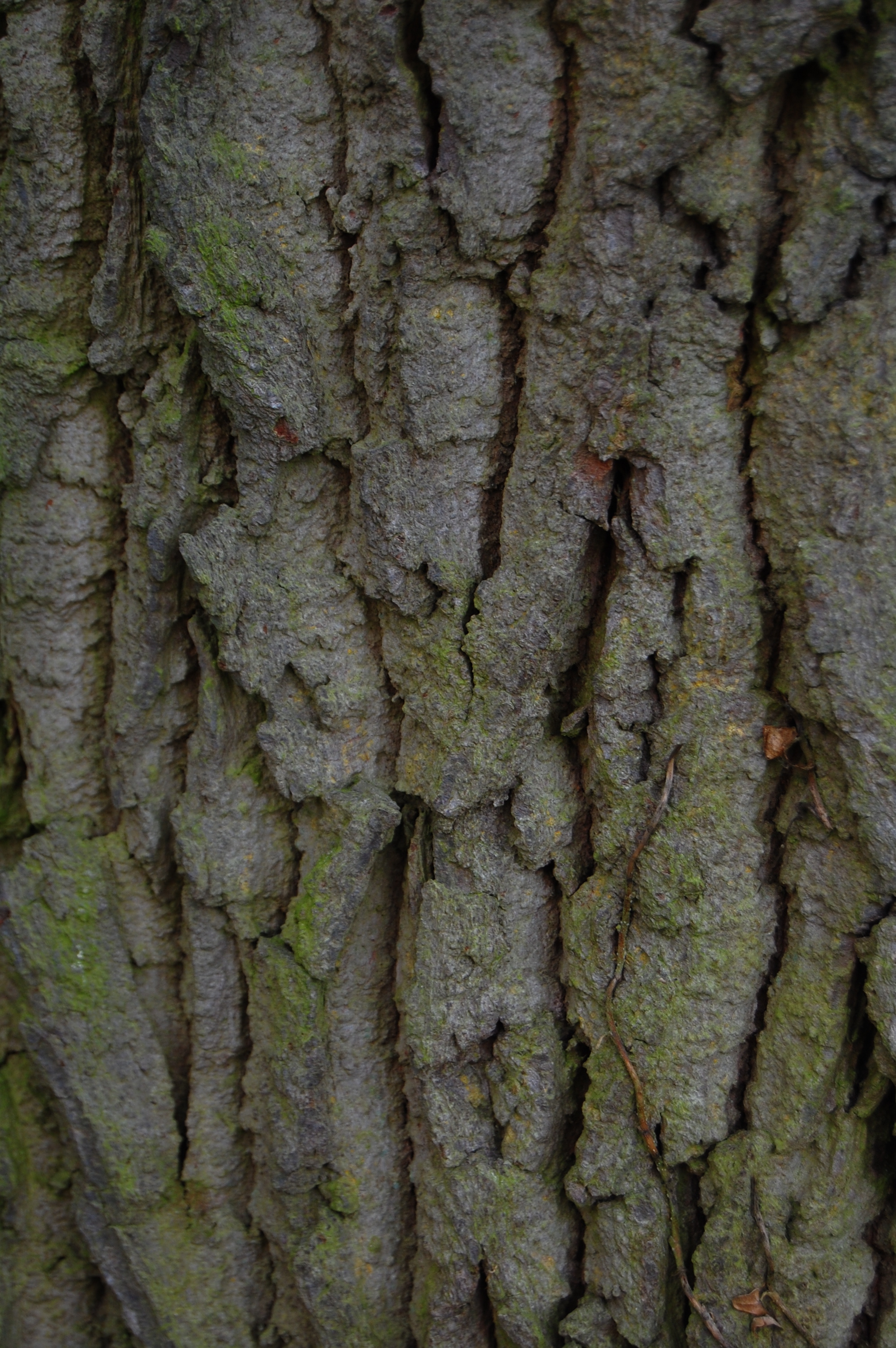
I have always marvelled at the incredible variety of tree barks, their rugged beauty and the tactile experience of stroking their smooth surfaces or pressing your fingers into their weathered and wrinkled ruts and grooves.

Each tree expresses a part of it’s character in the contours and colour palette of its bark, creating an infinite display of subtlety and story that is of at least equal beauty to it’s leaves and blossoms.

Here are some of the loveliest I have seen in the last month, some taken in the woods and some in my parents’ and parents in law’s gardens.

Apple Bark

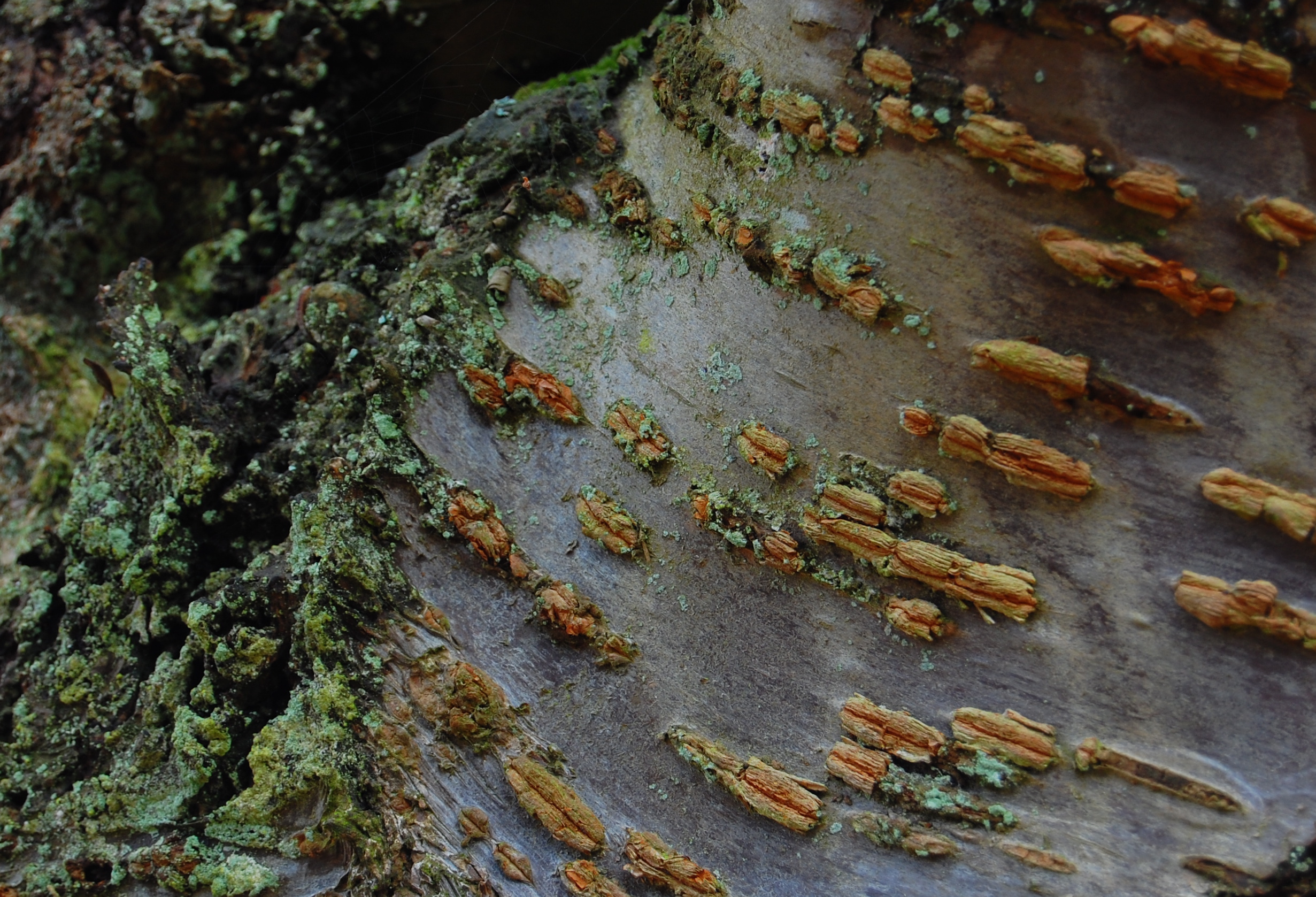
Cherry Bark

Whitebeam Bark

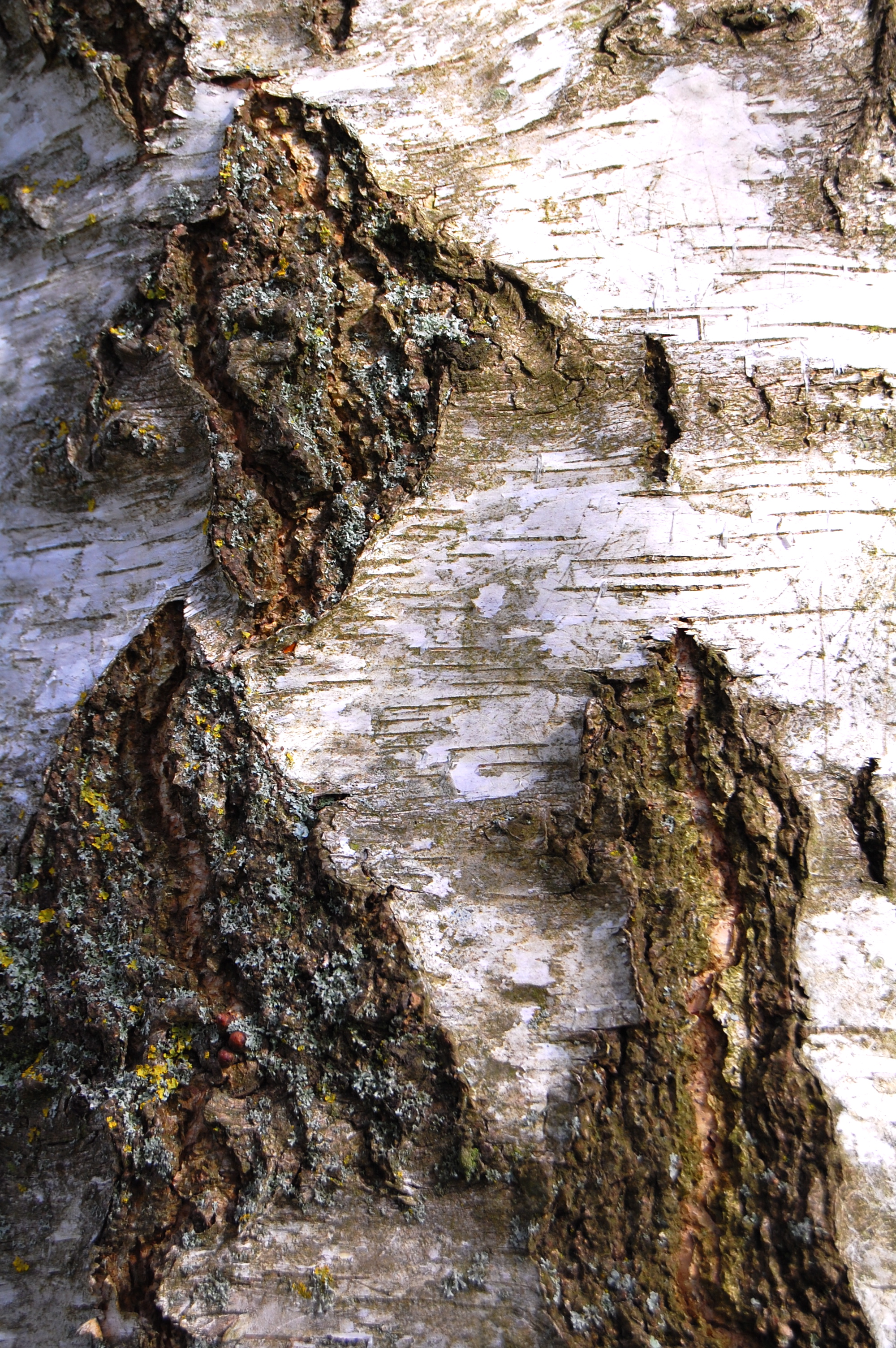
Silver Birch Bark

Walnut Bark

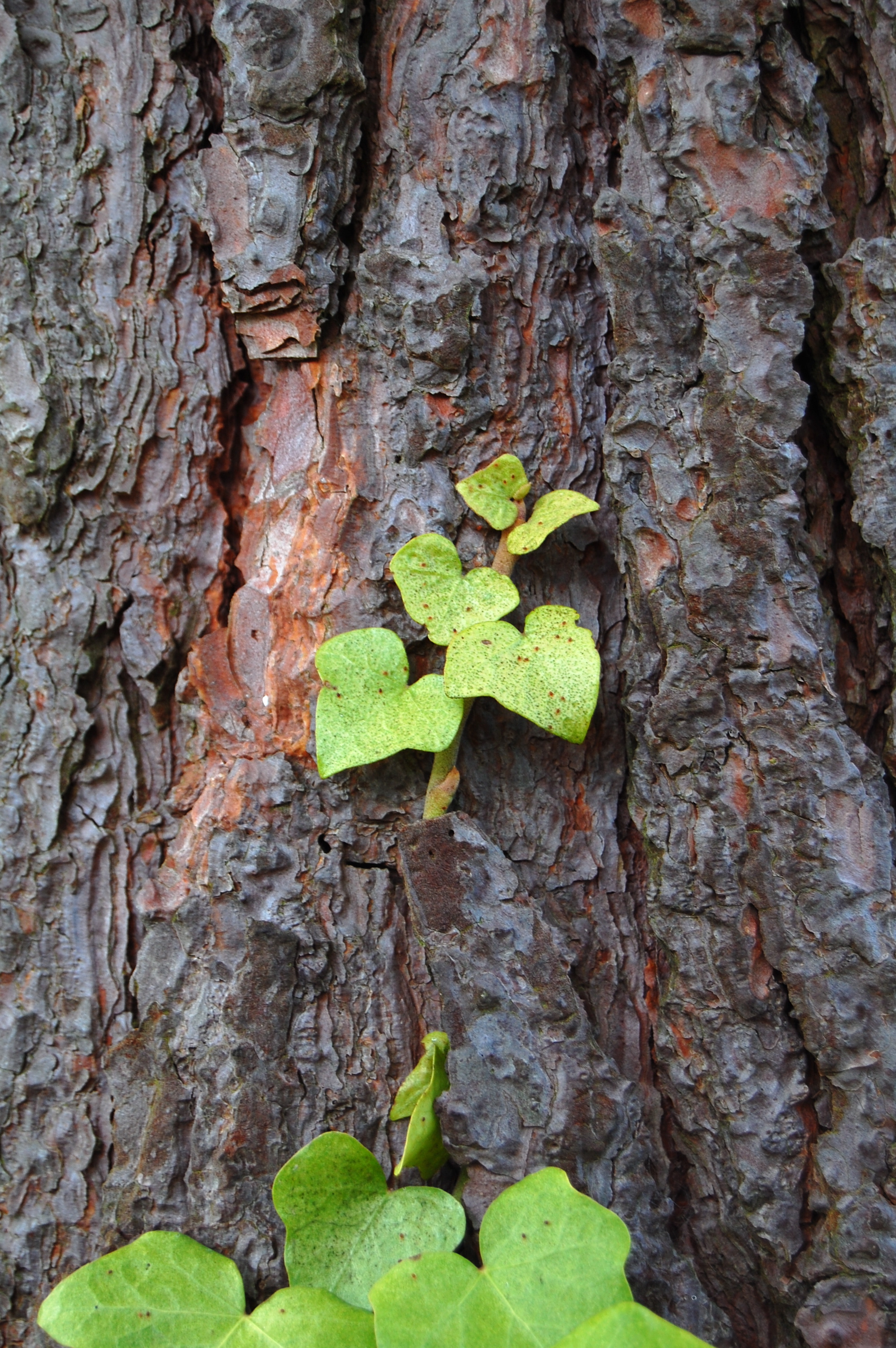
Pine Bark and Ivy

Oak Bark

Read Full Post »

I Love Yew

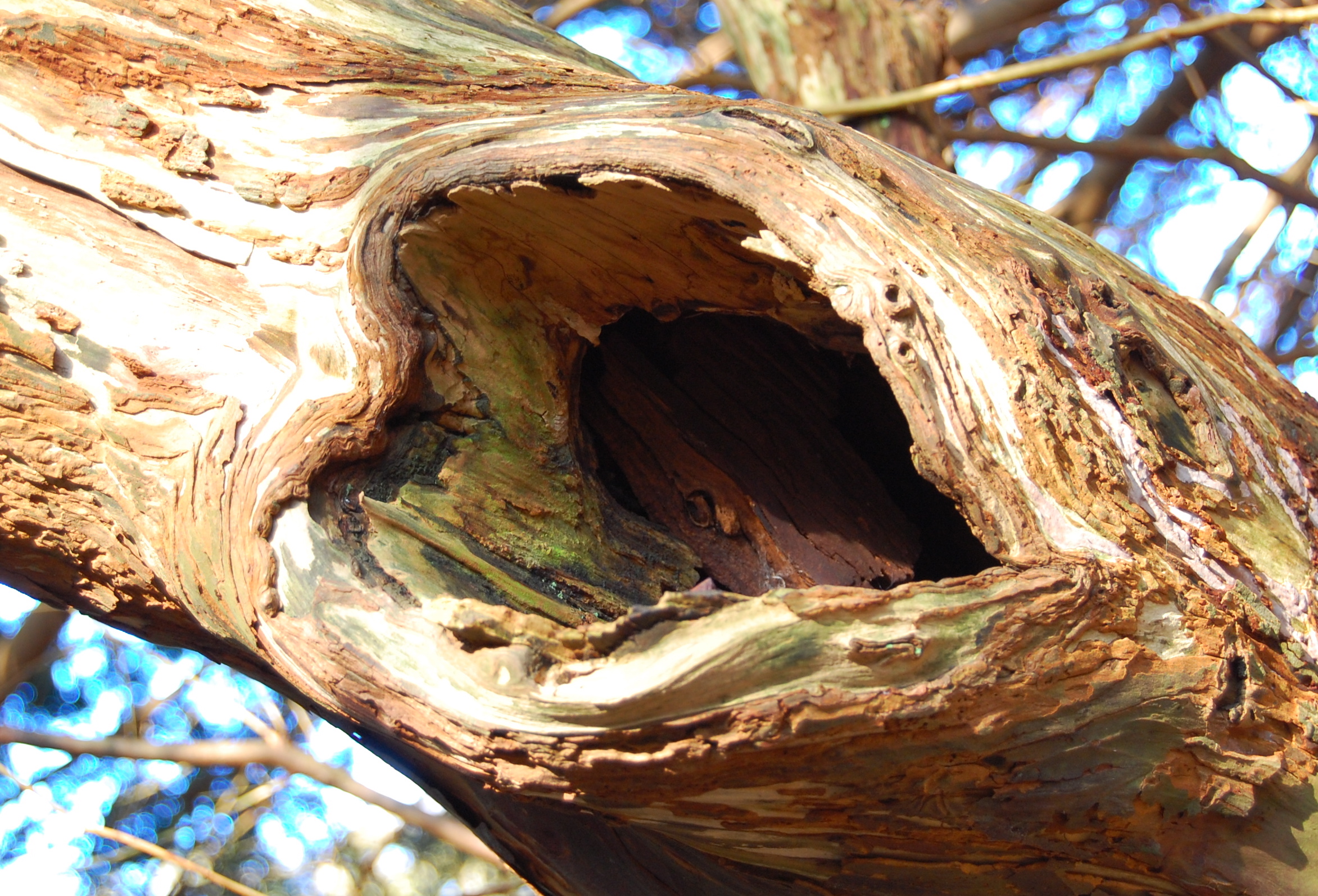
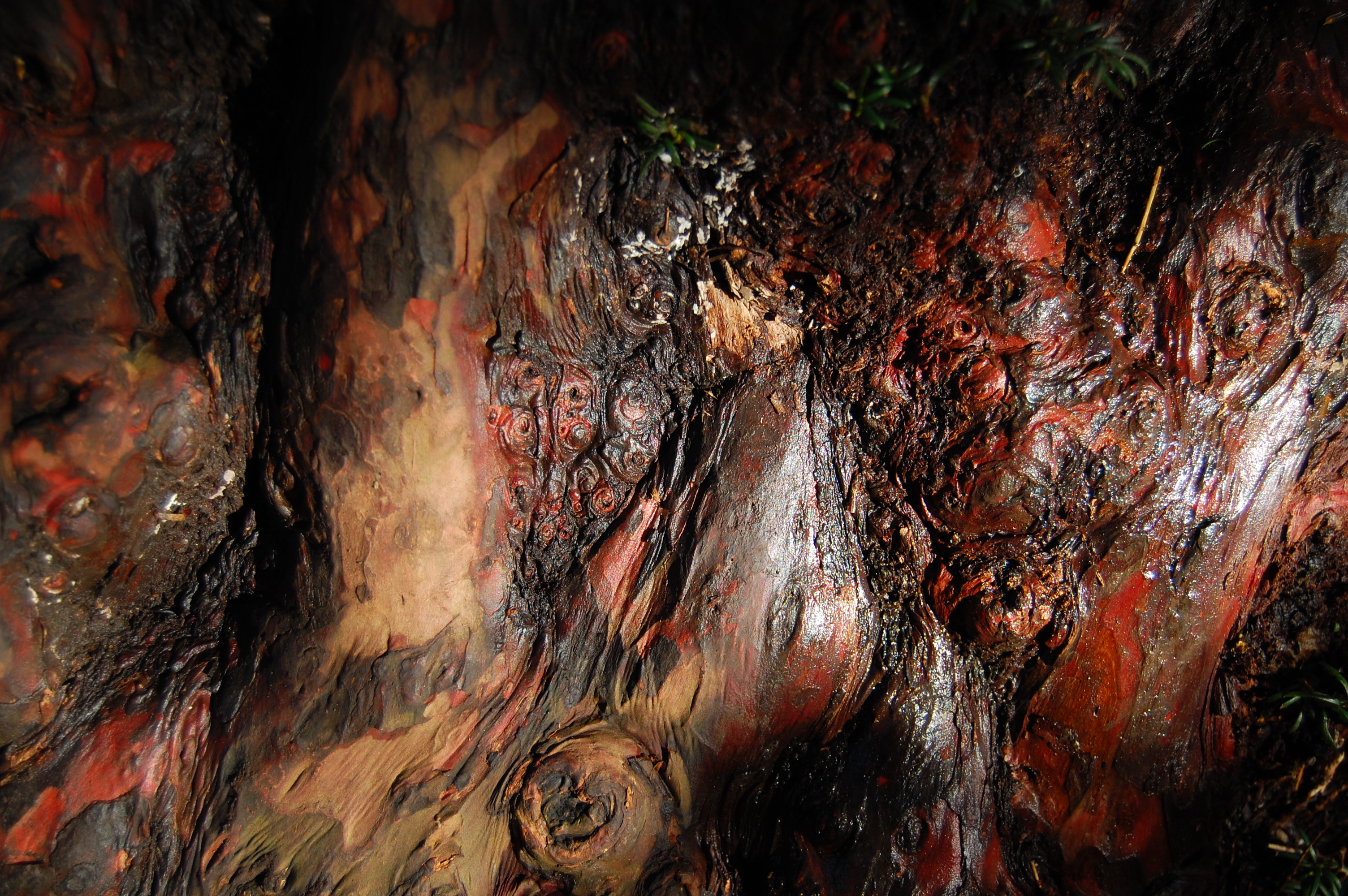
Of all the trees in the woods, the yew appears to me to demonstrate most expressively its nature as a living, breathing, sentient being. It’s dark sinewy muscle mass and sensuous curves are at once beauty and beast, shadow and light. The older trees seem the embodiment of the ancient wise ones, as though they just decided to sit down one day and not move again. So often their trunks resemble human limbs caught in motion, frozen in sacred dance. Even the sap has the deep red of blood and the exposed bark resembles living flesh.

Indeed the yew is one of our most ancient woodland trees, it formed part of the primeval conifer forests many years before there were broadleaves. Legends of death and rebirth are told in its great broken boughs and myriad tiny new shoots that burst up from the trunk. Although one of the first trees to flower in spring, as an evergreen it is in winter that the yew is most revered, when it shows us the promise of life to come. Honored by the Celts as a tree of eternity, it transcends time by renewing itself through its lower branches which root into the ground and become a part of the trunk itself. In this way it demonstrates so beautifully the cyclical nature of life. It even continues to grow when its trunk becomes hollow, long into its great old age, giving it a reputation for immortality. It is best known in the UK for its association with church yards where it was planted as a continuation of the Druid practice of working with the yew in both worship and death.

If you look closely, you can often see faces in the hollowed trunks of ancient yews, and these are said to belong to the spirits of the dead passing from this life to the next.

The Yew is highly poisonous and should never be taken internally or as medicine. Though the bright red berries look appetising, they can cause death to the unwary. The poison used in Shakespeare’s play to kill Hamlet’s uncle was made from yew. Its latin name Taxus baccata gave us the word toxin, used now to mean any kind of poison. It is used homeopathically however to treat a variety of disorders from chronic arthritis and gout, to certain kinds of headache, night sweats and pustular skin diseases.

It can also be taken as a flower essence for protection and grounding and is one of my favourite remedies for this purpose.

Drug companies are also experimenting with a particular alkaloid from yew for the treatment of ovarian cancer, though there are some ethical questions over their methods of harvesting the bark.

For me the medicine of the yew is in its presence, not its constituents. It encourages us to see the wonder in life and death, in darkness and light and in doing so it helps us embrace our own shadows as part of the totality of being.

Read Full Post »

« Newer Posts