Feeds:
Posts
Comments

Milk Thistle is a herb that nearly everyone has heard of, even those who aren’t interested in herbal medicines. Having become fashionable of late for its supposed ability to prevent hangovers, it’s available in every health food shop and chemist. However Milk Thistle has been used in folk, as well as official, medicine for thousands of years, primarily as a tonic for the liver and gallbladder but also as a more general aid to digestion and, as the name suggests, as a galactagogue or stimulant of nursing mothers’ milk.
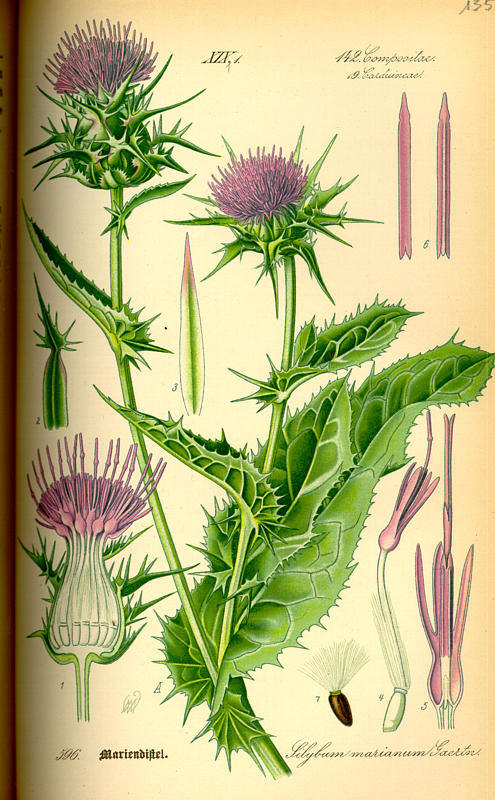
Milk Thistle is a member of the Asteraceae, or daisy family, and is native to Mediterranean Europe and the Middle East though it can now be found growing wild in most of Europe and much of the world. Its beautiful spiny leaves are veined with white, said to be the milk of the Virgin Mary which explains one of it’s other common names, St. Mary’s Thistle. Its Latin binomial is Silybum marianum or Carduus marianum, depending on the source

Today we primarily use the seed though in the past all parts of the plant were used either as food or medicine. Culpepper used decoctions of the root, the young leaves were boiled as a vegetable and the flower heads apparently eaten like artichokes.

Mrs Grieves includes the following wonderful quote in her Modern Herbal. “Westmacott, writing in 1694, says of this Thistle: ‘It is a Friend to the Liver and Blood: the prickles cut off, they were formerly used to be boiled in the Spring and eaten with other herbs; but as the World decays, so doth the Use of good old things and others more delicate and less virtuous brought in.'” Oh dear, what would they say of modern eating habits I wonder?!
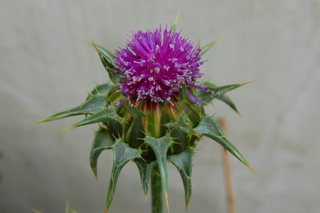
Milk Thistle is one of the most important liver remedies we have due to its ability to both protect the liver from potential toxins and help regenerate healthy cells. It has been found useful in a variety of liver and gall bladder conditions such as cirrhosis, hepatitis, gall stones, fatty liver and poisoning. In fact it is still used today to treat poisoning from amanitas such as the death cap and the destroying angel.

Milk Thistle contains powerful anti-oxidants including silymarin flavonoids which protect liver cells from damage by any number of potential toxins such as pollution, alcohol, drugs and metabolic wastes. They not only increase resilience of liver cells but also stimulate protein synthesis which helps new healthy cells to be formed. This is why people like to take it before and after having a big night out, though of course it works much better when taken for a stretch of time rather than as a one off to counteract an evening’s indulgence!

Milk Thistle can help lower blood fats and improves the removal of fats from the system by stimulating the bile. It’s also very anti-inflammatory and has been used with success in inflamed skin conditions where liver congestion is thought to be a factor. It also helps protect the kidneys and has a beneficial action on the immune system.

Milk Thistle is generally considered rather bland in flavour, though some herbalists refer to it as sweet whilst others believe it to be slightly bitter. It is certainly not as bitter as many of our traditional western liver remedies making it more useful for those with a cold constitution or people who are depleted and in need of building as well as detoxification. It is moistening and Matthew Wood recommends it for people with dry constipation due to liver congestion and lack of bile. In such cases the stools will be hard and small (rabbit droppings!) or they may also be pale in colour due to lack of bile. They might also float rather than sinking which can indicate poor fat absorption.

Milk Thistle seeds whole and coarsely ground.

There are a number of ways you can integrate Milk Thistle seed into your life. It can be taken in larger therapeutic doses for specific conditions, best to consult a herbalist or do lots of research in such cases, or it can be used in smaller amounts on a regular basis as a preventative and for general maintenance of good health.

The constituents in Milk Thistle don’t extract well in water so making teas and decoctions is not the best way to use them. Ideally a tincture or ground seeds is the way to go. If you are looking for a more complete nutritional and building medicine then you can’t beat the seeds and they are also useful for people who can’t tolerate alcohol as is often the case in those with compromised liver function.

I buy milk thistle seeds by the kilo and grind them in my blender, a couple of hundred grams at a time to maintain freshness. Make sure if you do this that you grind a little at a time to avoid overheating and damaging the seeds. I use 1 or 2 teaspoons a day in food, sprinkled on soups and salads or blended into smoothies. I’ve also been adding it to home made crackers with a bit of powdered Reishi extract, a perfect way to love your liver.

Milk Thistle Smoothie:

1/2 cup of oats
1 banana
1 dried fig
1 teaspoon ground milk thistle seeds
1/2 teaspoon vanilla powder
500ml Almond milk or other milk of choice

This makes a lovely breakfast drink which I’ve been having often recently.

There is a wealth of information available on Milk Thistle as its effects and constituents have been well studied so I’d urge you to find out more if you are interested. Despite my dislike of all the marketing hype of recent years, I do think this herb is so useful for our modern lives which are full of stress and environmental toxins, many of which can have interactions with each other. And any excuse to have a yummy smoothie is alright with me.

References:

Botanical illustration of Milk Thistle courtesy of Wikipedia
David Hoffman – Medical Herbalism
Matthew Wood – The Eathwise Herbal
Thomas Bartram – Bartram’s Encyclopaedia of Herbal Medicine
Mrs Grieves – A Modern Herbal
A.K. Tillotson – The One Earth Herbal Sourcebook
I spent a lovely day off in London on Friday and, perhaps surprisingly, it was filled with wildness and greenery. In the morning I met my friend Martina for an urban herb walk and in the afternoon my sister and I visited Chelsea Physic Garden.

It’s great to remind myself of how many herbal gems there are to be found, even in a sprawling city like London, when you go a little off the beaten track and start exploring.

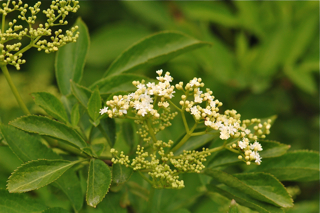
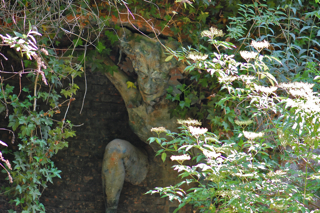
Martina took me off down a little walkway near her house to show me that Pan, God of all that is wild and green, can still be found, shrouded in Elderflowers, in the unlikeliest of places- in this case erupting out of a wall underneath an old railway bridge.

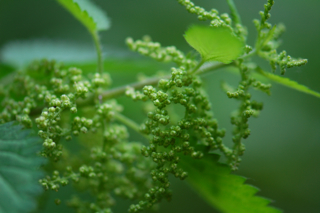
Along the walk we found nettle seed almost ripe for picking. It was a shock to remember its only the first week of June, everything is so early this year.

Ribwort plantain flowered freely by our feet as we walked past the skate ramps and on towards Finsbury Park.

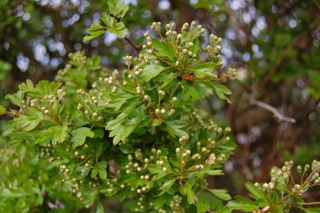
Martina was just telling me about a book she is reading on old magical uses of plants when we passed this little gathering of trees, Hawthorn, Oak and Ash. Oak, Ash and Thorn were sacred trees of the Druids and where they grow together it is thought to be a particularly magical place.
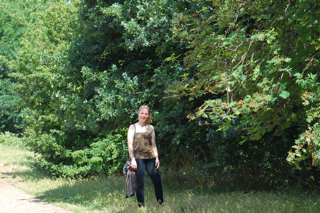
Martina- by Oak, Ash and Thorn

Honeysuckle was in full flower in the hedgerows.

And the Lime blossom is out already! This made me panic slightly as I’ll need to get out harvesting sooner than I expected.

Horsetail also adorned the paths with its pre-historic beauty.

By the time my sister and I arrived at Chelsea Physic garden it was baking hot. I forget how much hotter it gets in London than here on the coast with its clear, cool breezes.

Chelsea Physic garden was founded in 1673 by none other than The Worshipful Society of Apothecaries.

According to the information leaflet, ‘The location was chosen as the proximity to the river created a warmer microclimate allowing the survival of many non-native plants – such as the largest outdoor fruiting olive tree in Britain – and more importantly, to allow plants to survive harsh British winters.’ There are certainly lots of fascinating exotic plants in the gardens alongside our more common native and introduced culinary and medicinal herbs.

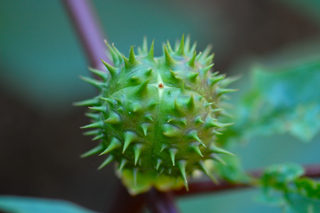
I found my eye was particularly caught by the wide variety of Solanaceae family plants in the garden. There was Thorn Apple, Datura stramonium, well known in herbal medicine, though its use is highly restricted due to potential toxicity.

As well as the beautiful Solanum quitoense, which produces a fruit eaten in Ecuador and Columbia known as naranjilla, or little orange.

Then there was the fabulous Mandrake, Mandragora officinarum. Few plants can have such a rich folklore attributed to them, featuring in everything from early books of leechcraft to Harry Potter.

Finally this splendidly savage Solanum pyracanthum, a native of Madagascar and apparently also known as porcupine tomato.

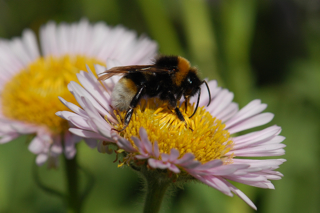
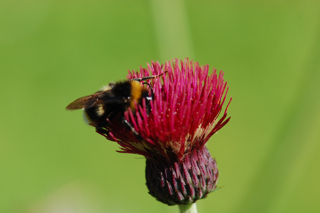
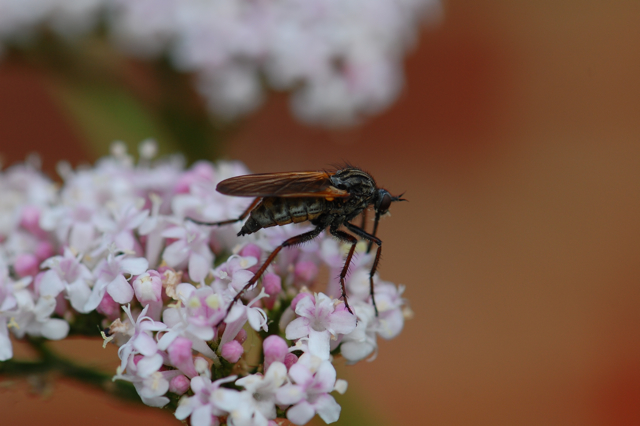
I am happy to say the wildlife was also out enjoying the wide range of plants and brilliant sunshine.

It’s so heartening to find havens for plants, people and wildlife, all in the midst of such a large and polluted city.

Buddhism has no room for special effort,
Just be ordinary and nothing special.
Eat and drink, then move your bowels and pass water,
And when you’re tired, go to sleep.
Fools will find me ridiculous, but the wise will understand.

Lin Chi

The Wise

One of my favourite blogs to read is Take Time To Smell the Flowers by Cheryl. It charts the seasons and wildlife in her garden through a perfect combination of wisdom, exquisite photos and an evident love of the natural world. A quote on Cheryl’s blog reads ‘As is the gardener, such is the garden’. To my mind that must make Cheryl abundant, altruistic, beautiful and perhaps a little bit wild!

The lovely Leslie from Comfrey Cottages has also been posting about her new herb garden this week. Leslie and Cheryl have quite a bit in common from what I can gather through reading their blogs, both being gardening, animal rescuing, bee loving, super-grannying custodians of nature.

Anyway, between them they have inspired me to share a little about the changing face of my garden and it’s visitors.

When we moved in last year the largest of my five beds looked like this.

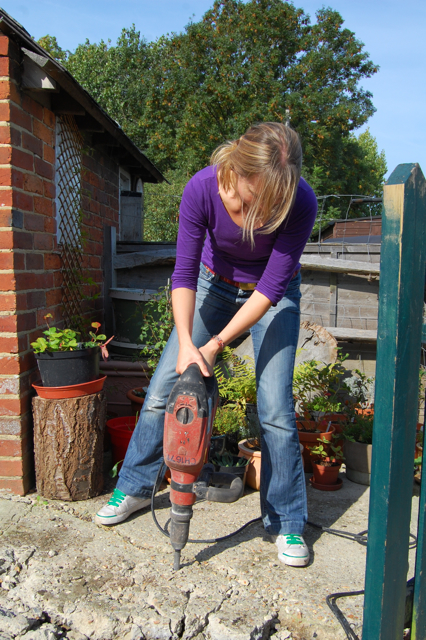
So I spent a fun afternoon with my Dad and the kango drill when he came to visit in the autumn.

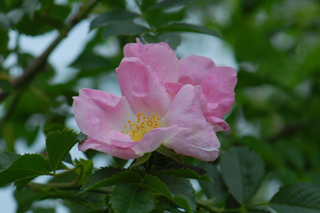
Though I’m still in early stages of working with the garden, to look on this bed now gives me great pleasure, filled as it is with Hyssop, Thyme, Lavender, Sage, Escholtzia, Valerian, Alecost, Monardas, Salad Burnett, Wormwood, Motherwort and other herbs. I’ve also planted a highly scented climbing rose to grow up the shed wall which i will use for tinctures and other medicines.
Our narrow bed is currently housing brassicas and other veggies though I am hoping our names will work their way to the top of the allotment waiting list by next year and this bed too will be devoted to herbs and wild flowers.

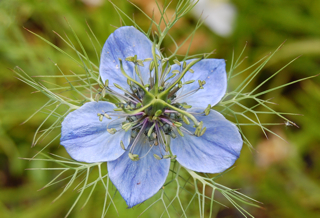
At the back of the house Nigella, Love-In-A-Mist, has just started blooming. This is one of my favourite flowers and made up the bulk of my wedding bouquet along with rosemary and other herbs.

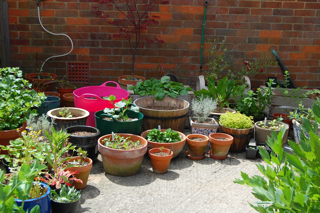
After years of city living there is still a container gardener in me and my husband has started complaining of late that we wont be able to get to the house if they spread much more.

This golden marjoram has been with me for years and years and I still get so much pleasure from it’s vitality and delicious leaves.

I have several pots of chamomile after it self seeded throughout everything last year.

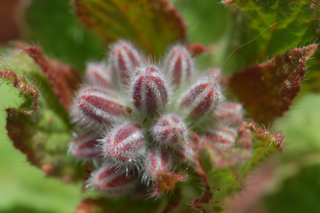
Other things in the garden that give me great pleasure are the furry buds of borage…

The slowly ripening blueberries…

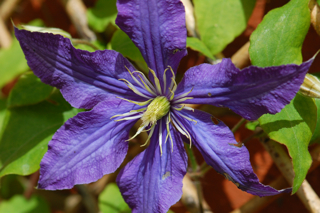
This beautiful clematis, a gift from my Dad.

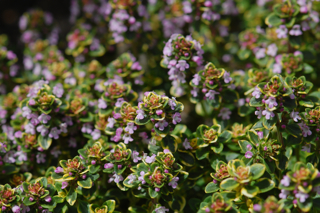
And the subtle hues of this variagated thyme.

This miniature climbing rose, Warm Welcome, was bred by my uncle and is so richly coloured it seems to glow on the stems.

And of course what could bring more happiness than to see that others are also enjoying your garden. I love watching the bees lazily bumbling from one foxglove flower to the next, they look in heaven.
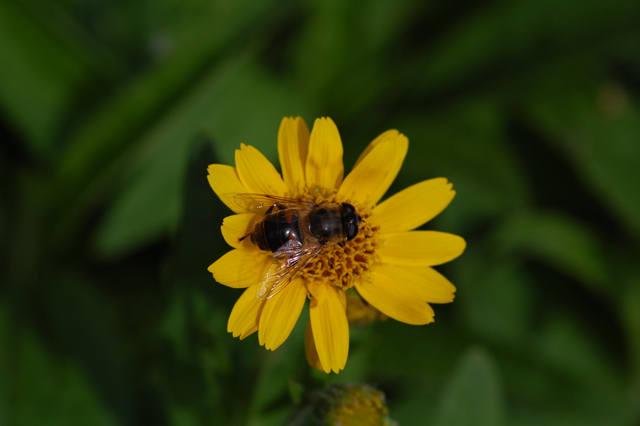
The chives and arnica are also popular destinations.

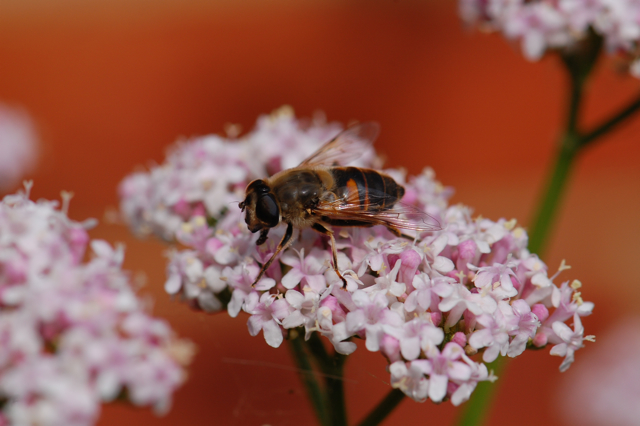
And everyone loves the Valerian.

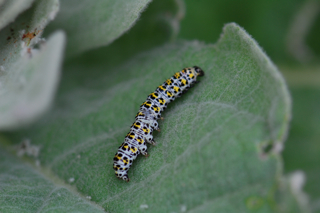
Only the poor mullein has suffered terribly this year as the caterpillar of it’s namesake, the mullein moth, has made a tasty snack of half it’s leaves.

One of the most welcome of all our visitors at the moment is a beautiful nightingale who sings us to sleep every night. You can here the calls of the nightingale on the RSPB site here.

What are you finding most exciting in your gardens at the moment?

This month our blog party is being hosted by the multi-talented Sarah over at Tales of a Kitchen Herbwife with the topic of Flower Remedies.

A flower remedy is a very subtle form of medicine that works on shifting mental and emotional patterns which may be the cause of unhappiness or physical ill health. The flower is infused in water, usually in bright sunlight, and the resulting remedy is thought to contain the beneficial qualities of that flower on an energetic level.

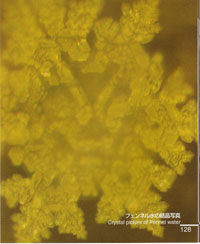
Flower remedies tend to divide herbalists into two camps as there is no accepted scientific rationale for how they work. It’s possible this may change at some point however as we discover more about such things as the memory of water and the effect that subtle energetic signatures can have on the healing process. In Masuru Emoto’s inspiring book, Messages from Water, he records images of the crystals formed from samples of water exposed to different words, images and music amongst other things. One of his experiments involved exposing water to chamomile and fennel and the resulting water crystals give us a fascinating insight into how flower remedies might possibly be working with us.

Crystals from water exposed to chamomile.

Crystals from water exposed to fennel.

________________________________________________________________________________

For now however I content myself with the fact that flower remedies seem to work well for many people and that I myself have experienced a huge amount of benefit from their use.

Flower remedies are a subject close to my heart as they are really where my journey into plant medicine began over a decade ago. I discovered the Bach flower remedies in my local health food shop and began reading and studying about them and slowly adding each remedy to my collection. I also began making my own remedies from flowers in my parents’ and neighbour’s gardens. I still have a bottle of the first essence I ever made, a spring daffodil remedy, though I have not used it in years. From the Bach remedies I went on to using the Bush remedies which I studied both here in the UK and in Australia when I was in my early 20’s. Nowadays I mostly use a series of essences I have made over the last 5 years or so from local wild flowers along with some Bach remedies from Healing Herbs and tree remedies from Green Man Essences.

We all know the joy of looking at a flower in bloom, it can dispel our feelings of gloom or despondency and make the world seem a brighter place. This is a subtle kind of healing, our presence and conscious awareness of the beauty around us in that moment  shifts us away from negative thought patterns. For me, flower remedies work in a similar way. When we take a few drops on our tongue, we are imbibing something of the beauty and unique qualities of that flower which can help replace the vibration of fear or anxiety with a moment of clarity and peace. This is why flower remedies are said to work better if you take small doses frequently rather than fewer, larger doses as each time we take a small amount we are shifting ourselves away from the negative state. If we continue to do this over a matter of weeks or months then the more positive state becomes habitual for our minds. The mind is a creature of habit and the more we replace a negative thought habit with a positive one, the more natural it will become for us.

Early in the year, whilst hanging out with my favourite Elder tree, I received a clear impression that this year I should focus on making moon remedies, that is flower remedies infused with moonlight rather than sunlight. I loved this idea and have been impatiently awaiting the few clear nights we’ve had around  the times of the full moons. This last fortnight has seen me make two new remedies, one by sun and one by moon.

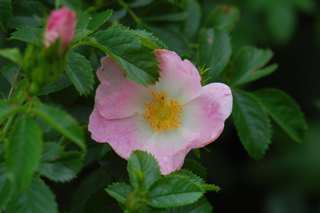
First was a Wild Rose remedy. Roses are one of the most joyful sights of the English hedgerows, the ones around us have been spectacular this year, and roses are a flower I never tire of making essences from.

Rose is of course the flower of love and all rose remedies will open and heal the heart in some way. I find the wild rose has all the simplicity, joy and innocence of youth and as such it helps to bring us back to a time when love was a more natural way of being, rather something we had to strive for. With all it’s prickles and tendency to ramble where it will over the hedgerows there is also much of the resilience and fearlessness of youth about this plant which is common as a weed but still carries a rare ethereal beauty. I also find it a very spiritual remedy, helping to clarify and lighten my awareness and facilitate meditation.

This remedy was made using the sun method which I have explained in detail here.

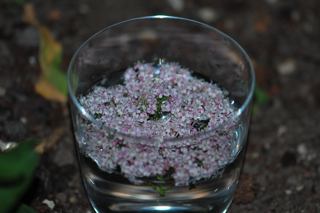
Valerian is the Queen of my garden at the moment and I’ve been enchanted by how she shimmers in the pale moonlight. So I wondered out a few nights ago, torch in hand, and set some flowers infusing

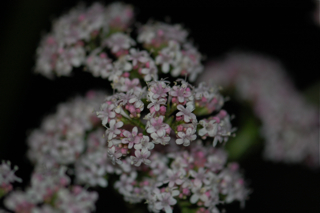
Valerian by day.

As I was working the next day I decided to leave it out all night, collecting it after three hours would have meant too little sleep for me to be able to function! So I gathered it up just as dawn had broken. I don’t think any of the neighbours spotted me at this early hour, rummaging about on my knees dressed in my husbands boxer shorts and T-shirt but, if they did, it will no doubt only confirm what they suspect already.

And by night.

The moon’s energy is so different from that of the sun that the resulting remedy, though similar in many ways, felt like it had a different mode of action. It felt more softly diffusive than the solar remedies, not so distinct in its properties but like it slowly seeped through onto the different levels of being.

The leaves of Valerian are dark, moist and dense yet the flower heads grow so tall and upright. They seem very strong and vital yet the individual flowers themselves are the softest and palest of pinks.

To me it seems like a remedy which helps us to rise above negativity and transform dark thoughts into clarity, understanding and love. One of the aspects attributed to the moon is that of seeing clearly during the confusion and darkness of the night which would contribute to this facet of it’s healing qualities.

The Valerian flowers grow tall on fairly fine stems and the pale flower heads open up to the sky. The leaves however grow close to the ground and the roots are strong. Reflecting these qualities I feel that Valerian flower remedy would be especially helpful to ground those who are spaced out or would benefit from being more rooted in the here and now.

Flower remedies are a wonderful addition to any medicine chest. they can help to calm and centre, to inspire and uplift and they can be made from any flower that calls you. Dr Bach’s vision was that his system was simple enough for us all to be able to use to treat ourselves and our families. Flower remedies can also be used with pets and with plants too,  watering well with rescue remedy is helpful for a plant that has been newly transplanted or is stressed for some reason.

Don’t forget to read all the rest of the entries for this months flower remedy inspired blog party, the links to which will be posted on Sarah’s blog on Monday.

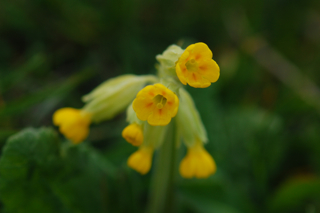
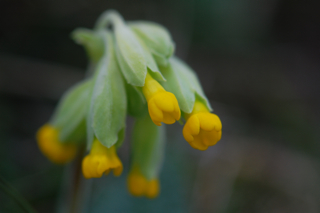
This spring the hills around my home have been literally carpeted with delightful and cheery cowslips. This beautiful wild flower is not as abundant as once it was and needs protecting so it is best grown in your garden for harvesting. If you had been out walking on this part of the South Downs recently however, you might be forgiven for thinking cowslips were as common as nettles.

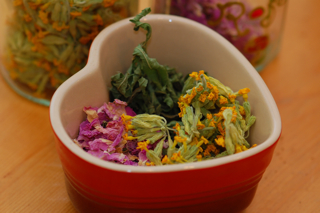
Also known as Heaven’s Keys or Fairy Cup, Primula officinalis/ veris, is a wonderful soothing nervine herb with sedative and anti-spasmodic properties. The flowers contain flavonoids which are anti-inlammatory and for the best medicinal action should be collected without any of the green parts. I usually dry the whole head though as I am only really after a nice soothing addition to my teas.

Cowslip makes a lovely tea with chamomile for soothing anxiety and irritation and is ideal drunk before bed for it’s sedative and sleep enhancing properties. I wrote another post about the benefits of cowslip this time last year which you can read here.

The roots contain saponins which make them useful as a stimulating expectorant in coughs and bronchitis though care must be taken as large doses could cause vomiting. I have never worked with the roots before so would be interested to hear from anyone who has. I would caution against collecting cowslip roots from the wild however (it is actually illegal to dig up the plants) in order to preserve them as much as possible.

The main way I use cowslip  flowers personally is in tea blends. It combines nicely with chamomile, oatstraw and other relaxing herbs. We have been enjoying an infusion of cowslip, rose and lemon verbena before bed which is both delicious and relaxing.

I also really like cowslip infused in oil for cosmetic use. This one was infused on a sunny windowsill for 10 days, plenty of time for delicate flowers like these. I strained it this evening and will be whipping it up into a batch of face cream along with cowslip infusion later in the week.

I mentioned in my post last year that Culpepper wrote of cowslips affiliation for the complexion saying ‘Our city dames know well enough the ointment or distilled water of it adds to beauty or at least restores it when lost.’ Mrs Grieve also shares this wonderful quote by Turner in her Modern Herbal, ‘Some weomen we find, sprinkle ye floures of cowslip wt whyte wine and after still it and wash their faces wt that water to drive wrinkles away and to make them fayre in the eyes of the worlde rather than in the eyes of God, Whom they are not afrayd to offend.’

Cowslip wine is a country favourite which Maria Treben recommends for strengthening the heart and nervous system. This lovely image of making cowslip wine is from Cecily Parsley’s Nursery Rhymes by Beatrix Potter and is available here.

In my recent post on spring flowers I quoted Ariel’s song from Shakespeare’s The Tempest and this time I shall leave you with these lovely lines from A Midsummer Night’ Dream, the words of a young fairy in conversation with that mischievous rogue Puck.

And I serve the Fairy Queen
To dew her orbs upon the green.
The cowslips tall her pensioners be.
In their coats spots you’ll see;
Those be rubies, fairy favours;
In those freckles live their savours.
I must go seek some dewdrops here,
And hang a pearl in every cowslip’s ear.

There’s always a point in the herbal year where I realise that everything is growing, blooming and fading so quickly and I have not been organised enough to make all the medicines I have planned. With all the delightful warm weather this spring it’s got to that point earlier than ever before!

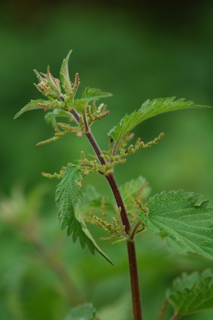
Seeing my first nettles in flower gave me a shock this week, I have made some nice tinctures but haven’t dried even a single plant yet. As many of you probably know, nettles are said to become irritating to the kidneys after flowering due to the presence of cystoliths.

I managed to dash out on May day weekend to collect elder leaves for making infused oil and salves before the flowers burst fully into bloom this week. If you live further north and your elders aren’t quite flowering yet then it’s not too late to make some elder leaf infused oil which is great as an all purpose healing salve for rubbing onto bumps, bruises, bites, minor wounds and chilblains. David Hoffman writes, “some reports hold that elder leaf may be effective as an ointment for tumours” which is particularly interesting and Gabrielle Hatfield states that it was used as an insect repellent as well as a treatment for bites. Both these uses were new to me so I look forward to trying them out.

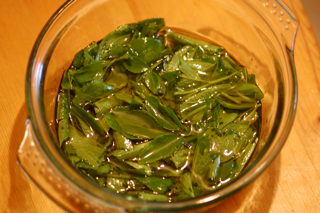
I made this oil by covering the fresh leaves in olive oil in an ovenproof pan, putting the lid on and letting it macerate in the oven on the lowest heat for three hours. I usually infuse my leaves using the double boiler method which I wrote about here but this new dish lets too much steam in which risks ruining the oil so I opted for the oven method instead. The oil came out a delightful deep, dark green and feels full of healing virtues.

Several herbalists recommend using vaseline as a base to infuse elder leaves and elder flowers. I would recommend staying away from petroleum based oils and jellies as they prevent the skin from breathing, a vital function where healing is needed.

Energetically speaking the leaves are best harvested before flowering as the plants put their momentum into the blooms after this point. I’m not sure if anyone has measured the difference in chemical constituents but it makes sense to me that this would be so. I was just in time as all the local Elder’s have begun flowering now. Which means that along with the Wild Roses that are newly decorating the hedgerows there’s even more medicine making to be getting on with.

A herbalists work is never done!

Sunday was May Day or Beltane, the traditional Celtic fire festival that marks the beginning of summer. It was a beautiful day which gave me the perfect opportunity to get out and make a Hawthorn blossom remedy.
Though it has long been associated with Beltane, it’s been rare in recent years that the Hawthorn has been in flower this early. This is how the Hawthorns looked on the 3rd of May last year.

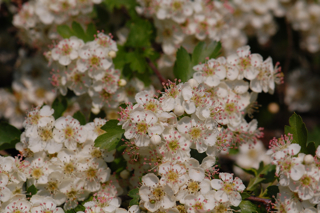
This year they came into bloom in late April and were in the finest of forms by May Day. Their heady scent instantly lets you know when the Hawthorn is in flower.

I wrote about the mythology and medicine of Hawthorn blossom last year in this post and now is the perfect time to be gathering the buds, blossoms and leaves to make a fresh tincture.

Making a flower remedy on Beltane itself seemed like too good a chance to miss so I dragged myself from bed (it was Sunday) and got set up so my remedy had several hours to steep in the early morning sun. I have full instructions on how to make a flower remedy here if you are new to the process.

Hawthorn as a flower remedy is equally concerned with the heart as when it is used medicinally as a whole herb, though of course it works on a very subtle level. My personal experience is that it relaxes the whole chest area, allowing us to let go and let the love that is naturally present in us all come to the fore. It helps heal deep emotional wounds and brings the space in which forgiveness can occur. There is also a calm sort of joy about this remedy, as it opens your heart a little half smile creeps upon your lips without you even noticing. Blissful.

Use it whenever negative feelings cause you or others to shut down and turn inwards or when the heart needs a little extra support to heal from grief.

Or simply use it for no other reason than that it is beautiful.

The Spring blooms are looking utterly resplendent this year, aglow in the bright sunshine and adorning every woodland and waste ground with their wild beauty.

Daises and dandelions make a happy trio.

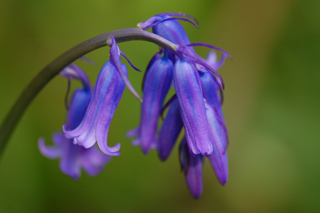
Many things like the woodland bluebells have arrived earlier than usual with the warm weather.

They look particularly beautiful with the white blooms of stitchwort.

The sweet violets have all gone now but dog violets can still be seen. Unlike the sweet violet these have no taste so are not as valuable for medicine but are still deeply healing for their mucilaginous and clearing properties and for their faery like beauty.

Another flower long associated with the faery folk is cowslip, in fact they are thought to lead the way to the fairy realm. In Shakespeare’s The Tempest, Ariel tells us  “Where the bee sucks there suck I, In the cowslip’s bell I lie, There I crouch when owls do cry, On the bat’s back I do fly.”

Cowslip is a useful anti-spasmodic and helpful for nervous tension though be careful if you decide to harvest it from the wild as it is becoming endangered.

Lungwort and speedwell are another welcome sight. There are many different species of speedwell, below are the common field speedwell and the tiny but perfectly formed ivy leaved speedwell.

Lungwort – Pulmonaria officinalis

Field speedwell.

Ivy leaved speedwell.

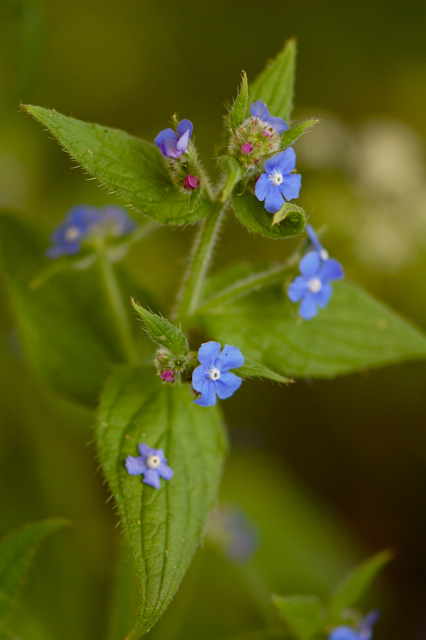
Forget-me-nots are one of my favourite sights at this time of year and the similarly flowered green alkanet which, though very invasive, is still lovely to see in great stands by the side of the road.

Forget-me-not. How could we?

Green Alkanet 

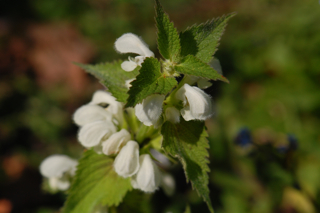
Finally all the dead nettles, or archangels as thy are attractively known, are out and looking lovely as ever. The only one I know that is used medicinally is the white dead nettle though Culpepper says all three have a beneficial action as astringents in staunching bleeding. I will report more on this after I’ve done a bit of research!

White Archangel.

Yellow Archangel.

Red (sometimes called purple) Archangel.

I hope the Spring flowers are brightening your day too.

As today is Earth Day I thought I would share this link to an article written in The Guardian earlier this month.

Bolivia, which has a large population of indigenous people, has drafted new laws granting rights to Mother Earth and to nature including, “the right to life and to exist; the right to continue vital cycles and processes free from human alteration; the right to pure water and clean air; the right to balance; the right not to be polluted; and the right to not have cellular structure modified or genetically altered.”

Let’s hope the rest of the world’s governments wake up and follow suit.

Happy Earth Day!