Feeds:
Posts
Comments

Winter is slowly drawing to a close and I’m seeing more and more buds on the trees and new little leaves emerging from the ground. However it’s still freezing cold here and the wind is so fierce this evening that it’s seeping into the living room in spite of the double curtain over the door and the draught excluder.

All in all, the perfect evening to curl up by the fire with a good book.
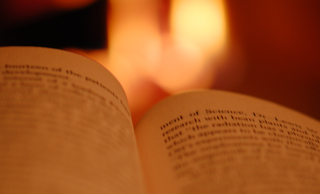
Along with all the women in my family I have a great love of books and enjoy reading a wide range of different fiction and non-fiction writers. Of course there is a special place in my heart for books that celebrate herbs, nature, trees and the environment and so, in these final days of winter when it seems the grey skies will never turn to blue, I decided to share some of my favourites.

This selection does not include much in the way of information dense texts for the herbalist or nature lover but rather books that were written to inspire, to promote understanding and depth to our thinking and help us see the world afresh when we feel cynical or jaded.

Although more than one person has pointed out to me that the science underpinning this book is questionable, there will always be a very special place in my heart for Tompkins and Bird’s classic The Secret Life of Plants. When I first read it a few years ago I remember being so captivated by the ideas within and so inspired by their possibilities, that something fundamental shifted in my thinking from that point onwards. If the world ever seems tired or dull to me I have only to read a few pages from this book to find myself drowning in wonder once more.

The Lost Language of Plants by Stephen Harrod Buhner, is a fascinating, though at times harrowing, account of our relationship with the plant world, how plants co-exist in communities and what we are doing to jeopardise this with modern synthetic chemical medicines and cosmetics. Above all it is a call to action, and one we would be wise to heed.

In a similar vein, World as Lover, World as Self by Joanna Macy is a truly inspirational book about how we see our relationship to our environment, by one of the most exceptional women of our age. Macy is an environmental activist, deep ecologist, Buddhist scholar and academic and is a compelling voice for change, compassion and responsibility.

If you ever find yourself in need of a short story that will renew your hope in humanity and its potential to make a difference, then I strongly recommend reading The Man Who Planted Trees by Jean Giono, a truly delightful tale to warm the cockles of your heart on even the coldest of February nights.

Tree Wisdom by Jacqueline Memory Paterson is a lovely book to dip in and out of and contains lots of wonderful information about the folklore, myth and magic surrounding some of our best known native trees.

The Yoga of Herbs by Vasant Lad and David Frawley is in the main a herbal that considers the energetics of a variety of Eastern and Western herbs, but it still makes my list of inspirational books for it’s introductory pages which I have read over and over. Here is one of my favourite paragraphs;

Evolution is a manifestation of latent potentials. Within each thing is contained all things. In the seed is the tree; in the tree is the forest. Therefore intelligence is contained implicitly in the many worlds of nature, not only in our human-centred world. Another way of saying this is that consciousness exists in all forms of life. it is the very basis of creation, the power of evolution. Life, creation and evolution are the stages in the unfoldment of consciousness. There is nothing in existence that is unfeeling, nothing that is profane or unspiritual, nothing without a unique value in the cosmos. Life is relational, interdependent, interconnective, a system of mutual nourishment and care, not only physically but also psychologically and spiritually.

The Art of Plant Evolution by W. John Kress and Shirley Sherwood is a gorgeous book to peruse at your leisure. It looks at the topic of plant evolution through a series of botanical illustrations by over 80 different artists. I’m sure it is also full of fascinating information but I must confess to being too easily distracted by all the beautiful artwork to have managed to read any of it.

Last but not least is a book that doesn’t look at nature or at plants but is of relevance to us all in this busy world in which we are encouraged to ‘look out for number one’ and obtain happiness through acquisition and status. Happiness by Matthieu Ricard, a French scientist turned Buddhist monk, is a wonderfully uplifting, grounding and inspiring read which reminds us  that a true state of well-being is always possible when we learn to let go and be still.

I hope something in this little selection is of interest to you. What are your favourite inspiring reads?

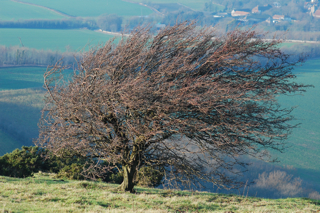
I visited my Tree of the Year once again a few days ago to observe the subtle changes that are taking place for this Hawthorn as the winter rolls on and we come to the end of January.

She hangs on the edge of the escarpment, ravaged by wind and by rain and the weary passage of unforgiving winter days and shows me how character may be formed at the confluence of hardship and beauty.

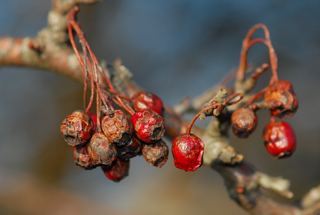
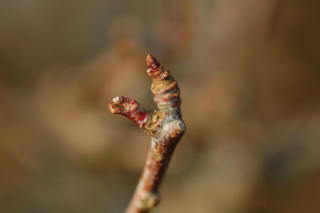
Those berries that are left so late in the season are withered and blackening but buds are starting to form and a new growth of thorns offer their protection.

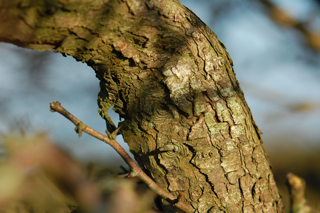
Whilst the bark of her trunk is textured, old and cracked, her branches have a wonderful smooth reddish skin.

One of the many things trees can teach to us mortals is the way to be young and old simultaneously, the balance between retaining and renewing wherein lies the path to wisdom.


There is nothing straight or symmetrical about these Hawthorns, they twist and bend as nature dictates and, in so doing, they endure.

Until the leaves and blossoms come to soften their forms, they stand stark in their sculptural beauty, yielding yet defiant against the changing palettes of relentless January skies.

I woke up last week to a bright, sunny day and felt a surge of energy in me, almost as if it were already Spring.

So I headed out after breakfast to admire the many wonders of the world around me. In the shade, frost still hung to the leaves and young plants but elsewhere all was aglow with a freshness and vitality that seemed to sing from the rising sap of those first heralds of warmer days.

All about me were the signs that Spring is not so far away.

Spring bulbs in the garden.

Young nettles.

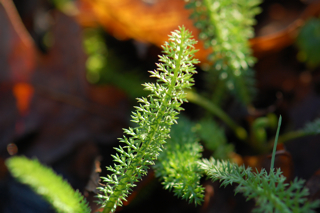
Perfect new Yarrow leaves.

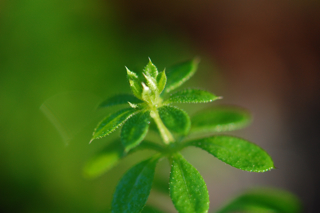
Beautiful baby cleavers.

Fresh and vital Herb Robert.

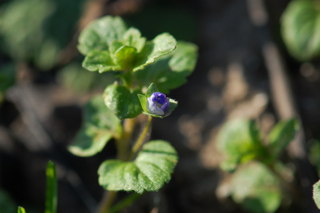
First teeny Speedwell flower.

Even the autumn leaves, resplendent in death, were aglow in the wintery sun.

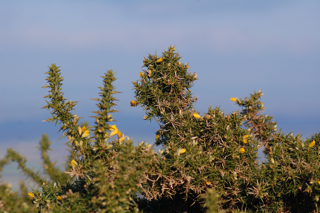
My favourite Elder tree, who is one of the most powerful plant spirits I have ever encountered, is just coming into bud and atop the escarpment the gorse was in flower. You know what they say… ‘when gorse is in flower, kissing is in season.’

Elder buds.

Give us a kiss then!

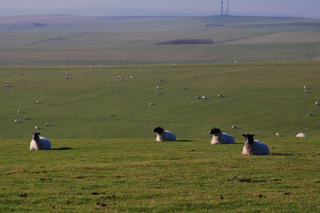
There were others out enjoying the day too and catching a few rays.

Sheep sunbathing.

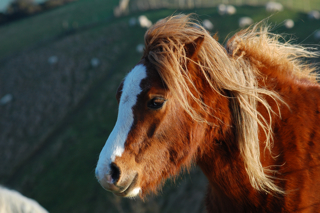
'Wild' Exmoor ponies.

And when I got home I added a handful of fresh, young cleavers to my seaweed salad and felt the energy of a new year running through me. Cleavers are so delicious and green when they are young and tender so enjoy them over the next couple of months before they get tough and stringy later in the year.

Cleavers, dulse and rocket salad with a tahini and lemon juice dressing.

It was such a joyful day and enough to keep my spirits up for the last of winter and the cold spell they say is coming.

Even in the darkest months there is still so much to be thankful for.

January Blog Party!

There have been some lovely posts for this month’s blog party in which we considered the role of Herbal Hugs- delicious, supporting or uplifting medicines that help us through difficult times and comfort and open our hearts. I hope you enjoy reading them all as much as I did!

Ali at Eldrum Musings has written about a lovely rose hip syrup that she made recently along with some rosehip vodka and wine. She also speaks about some of the other herbs she considers to be herbal hugs. She says, ‘while there are several herbs that crop up as a real herbal hug for me, the most recent encounter I have had with a really comforting herb has been with the rose hips I went out and picked from our hedgerows a couple of weeks ago.’ Click here for her delicious recipe that will brighten the January days.

Brigitte at My Herb Corner has given us a choice of activities to lift our spirits as well as a beautiful tea blend to bring us a ray of summer sun. She reminds us to get outside too saying, ‘Nature is always providing us with her lovely medicine, nurturing the animal kingdom and humans as well.’ Click here to read all about her herbal inspirations to make your heart sing.

Danielle  at The Teacup Chronicles has given us a choice of delectable herbs and recipes to bring you balance and bliss. She says, ‘For me, these plants are often those that deeply nurture the body, delight the senses, and uplift and soothe the spirit. But most of all, they are plants that work on that ambiguous place known as the heart – that place where love originates and is received.’ Click here to read about all her favourite herbal hugs to nourish and uplift your heart and mind.

Debs at Herbaholic’s Herbarium talks about how supportive the floral remedies are when we need emotional support and considers how fragrance and colour play a large part in their effect. She says, ‘It’s a whole new way of looking at herbal healing, a sort of colour therapy combined with herbal medicine and aromatherapy.’  How lovely!  She also shares a recipe for lavender chocolate truffles. Click here to read her kaleidoscope of herbs to love and support you.

Sarah Head at Tales of a Kitchen Herbwife has written a lovely post full of fruity, sweet and floral delicacies. She says, ‘To find another human being who feels safe enough to hug isn’t always possible. Sometimes we have transformed into the prickly hedgehog which makes it difficult for those around us to offer the support we need. Sometimes we just want time alone. If this is the case, it is the perfect time to indulge in a herbal hug or two.’ Click here to feel soothed and inspired.

Sarah Furey has joined us with a guest post on this blog all about her beloved Vervain, herbal hug and sacred plant of the Druids which you can read here.

My own post contains some of my favourite ways to give myself a herbal hug with teas, elixirs, powders and aromatherapy.  You can read it by following the link here.

Update: Carey at Serving Gaia has also just written this lovely post on the supportive effects on kukicha tea which you can read here.

Thanks so much to everyone who took part, I have really enjoyed reading your posts and have come away with much inspiration.

Herbal Hugs to one and all.

.

My Herbal Hugs

I have often observed that most herbalists have their own style, that is the herbs they gravitate to most often which tend to reflect the lens through which they see health and healing. Some always focus on detoxing, others believe regulating the digestive fire is key to most health imbalances. Some nearly always add an adaptogen to their formulas, others a liver herb or a nervine. Whilst these will be chosen according to an individual’s constitution and specific health issues, most herbalists that I have observed still seem to  have their own angles of approach to treating their clients. You could say this says more about the practitioner than the patients but we all bring something of ourselves to our treatments, whether we acknowledge it consciously or not. For a long time I pondered what my ‘style’ was and couldn’t initially find a pattern. Then, one day recently, as I was looking over past formulas it came to me… I’m a herbal hugger.

What I mean by this is that I particularly enjoy a gentle, nourishing and loving approach to herbal medicine and most of my formulas will include one or more herbs that I consider to be supportive, comforting or uplifting, in other words, ‘herbal hugs’. So many people I see are low, confused or have a feeling of alienation that giving herbal hugs has become an integral part of my philosophy. Of course this approach isn’t suited to everyone as each individual is unique but herbal hugs can be found to treat most constitutions be they cold or hot, moist or dry, grounding or uplifting.

Lots of us need a good hug from time to time and these are some of my favourite herbs for doing just that; Avena (milky oats/ oatstraw), Tilia (lime or linden blossom), Hawthorn, Chamomile, Rose, Melissa, Lavender, Ashwagandha, Tulsi, Cardamom, Rosemary, Chen Pi (orange peel) and Vanilla.

Wild Rose

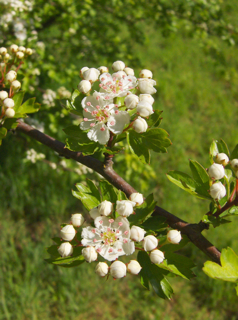
Hawthorn Blossom

As well as using them therapeutically, I love to use herbal hugs in the kitchen, making tea blends, elixirs, herbal powders, infused honeys and electuaries. I also like to use the infused oils and essential oils in the bath or as massage oils to give me a lift after a long day.

Here are some of my favourite herbal hugs, I hope you enjoy them too.

Teas- A nice cuppa is the simplest and often the best way of giving yourself a herbal hug. Most of the herbs listed above make lovely teas as either simples or combinations. I already posted many of my favourite herbal hug teas in December’s blog party but, for those of you that missed it, they include; Lavender, Vanilla and Oatstraw; Rose, Orange peel and Cardamom; and Melissa with Rosemary. Anything with Avena in is usually a big hit with me too as it’s one of my favourite herbal hugs and Rose and Tulsi is another lovely combination.

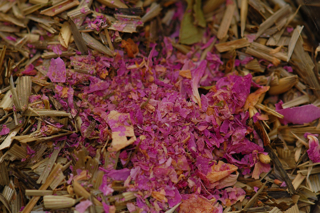
Rose petal and Avena tea.

Eixirs and Infused Honeys: Honey, bandy and delicious herbs, this is a combination that’s hard to get wrong. Elixirs are a lovely way of talking plant medicines , especially in cases when the sweet taste is desirable to build and nourish. Most of us are over sweet-ed these days so I often take these in small quantities, more as a treat than as medicine, though truth be told, when they are lovingly prepared with healthy ingredients, treats themselves can be healing. To make an elixir you need to lightly fill a jar with plant material, I like fresh when I can get it but this works just fine with dried herbs too, then cover with 1/3 honey and 2/3 brandy to fill the jar. Lid and leave to infuse for a month, though some delicate plants like fresh rose petals or lemon balm only need a few days. If I’m using dried herbs, like at this time of year, or several herbs in combination I usually leave for a month. Strain and re-bottle when the plant material has finished infusing. I love Tilia as an elixir, click here for my post on making it last summer.

Some of my favourite combinations for elixirs are; Ashwagandha, Rose, Cardamon and Vanilla; Tilia, Melissa and Rose: and Orange peel, Lavender and Avena but you could combine your favourite herbs to make a personalised ‘hug in a bottle’ elixir.

A lazy persons elixir can be made by combining tinctures and infused honey. I made this blend as a cooling, calming sweet medicine for my father in law last year to support his cardiovascular health. When I tasted it however I had to make some up for myself immediately and have been enjoying it immensely ever since!

Ultimate Hug in a Bottle:
Hawthorn Berry Tincture 25ml
Hawthorn Blossom Tincture 25ml
Rose 1:1 Tincture 10ml (if your rose tincture is weaker than this up the quantity and lower the others to balance it).
Rosehip Tincture 20ml
Tilia Blossom Elixir 20ml (Use Lime flower honey or regular raw honey if you don’t want to wait a month for the elixir).

The sweetness of the Tilia elixir with the fragrant quality of the rose and fruitiness of the berries makes for something quite special! As a medicine this would be a little cooling for some people at this time of year but as you want this more for the energetic effect rather than the physical (unless it’s suited to your constitution) just a few drops in a small amount of water is a sufficient dose.

Infused honeys are often like hugs in themselves, especially when made with delicious aromatic herbs like Melissa, Rose, Chamomile and Lavender.

Chamomile infused honey.

Herbal Powders and Electuaries: Blends of powdered herbs make a really convenient way to include a little herbal hugging in your daily diet. One of my absolute favourites is a combination of rose, ashwagandha root and vanilla powders.

Powdered Rose, Vanilla and Ashwagandha Root.

When all mixed together they can be added to smoothies, porridge or mixed with honey into a paste to make a delicious herbal electuary. This can be used as a spread or enjoyed in small quantities straight off the spoon. My favourite way to take it is in almond or hazelnut milk.

This delicious drink used 1/2 litre of freshly made nut milk (1/2 almond, 1/2 hazelnut), 1 heaped teaspoon of the powder mix and 1 teaspoon raw honey. It was divine.

I also make a blend of adaptogenic herbs that I always have to hand to add into foods and drinks when I need a bit of support. It’s made with equal parts Tulsi, Eleuthrococcus, Ashwagandha and Maca. Though I try to use local herbs the majority of the time, I do have a soft spot for this powder which always helps me stay centred and connected when things are stressful.

From the bottom; Eleuthro, Tulsi, Ashwagandha and Maca.

Essential Oil Blends: Lots of essential oils are comforting and uplifting but my favourite herbal hug blend is rose and tangerine. I make up a 2.5% blend in a carrier oil such as sunflower or sweet almond and use in the bath or add to a bottle with a rollette ball for easy application. A delightful way to use these oils is to rub a few drops under your collar bone and then take a few deep breaths. You can immediately feel your shoulders and chest opening out and your heart relaxing and opening. This technique was taught to me by my colleague and I’ve been a fan of it ever since. A beautiful herbal hug indeed.

Flower Essences: Lots of flower remedies could be classed as herbal hugs but my favourites are Chamomile, Calendula, Rose, Hawthorn Blossom and Tilia all of which are balanced, nurturing and uplifting, just like the best hugs.

Chamomile flower essence.


Big herbal hugs to you all!

This month one of my teachers and friends Sarah Furey has submitted a guest post for our blog party on herbal hugs. Being an old Druid at heart, one of Sarah’s favourite herbs is Vervain and here she shares some of the reasons why she loves it.

Pop back tomorrow to read my post for the Herbal Hugs Blog Party and on Thursday when I’ll share links to the posts of everyone who’s entered.

A HERBAL HUG FROM SARAH

My herbal hugs would have to include Vervain (Verbena officinalis), the sacred herb of the Druids who treated it with such reverence that only the chief Druid was allowed to take it from Mother Earth.


I first came across this plant when I was looking for herbs to help patients cope with the stresses of modern day living.  It is now my favourite herb for people who have overactive minds and who can’t relax when it combines well with Borage for the adrenals.

It is excellent for anxiety states and tension headaches.  As  a nerve restorative it works really well alongside Avena.  It is a powerful liver herb so works well for people who have trapped emotions – frustration or un-expressed anger.

Sadly it is not easy to find in the wild these days, though I did find some two years ago near Chanctonbury on the side of the Downs.  Of all places, I also found it at the top of a mountain village in Northern Spain this September.  I think the walking group thought I was crazy I was so ecstatic!

Now I grow it in my garden and have made a tincture for the past two years from the delicate flowering tops. The colour was tinged with a purple hue and for me, that adds to its magic.

Dried, it makes an excellent bedtime tea (as one who’s mind is often over-active!).

The flower essence I have made is for connecting to the Spirit World – of course.

Sarah Furey

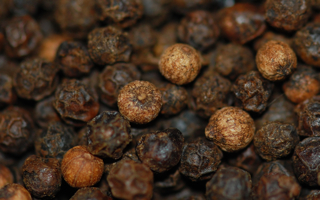
Black Pepper (Piper nigrum) is a wonderful spice with a rich history and many uses in the kitchen and in the medicine chest. In Sanskrit it is known as Marich, one of the names for the sun, as it is thought to be filled with solar energy. It is currently the world’s most widely traded spice appearing on the tables of cafes and restaurants everywhere.

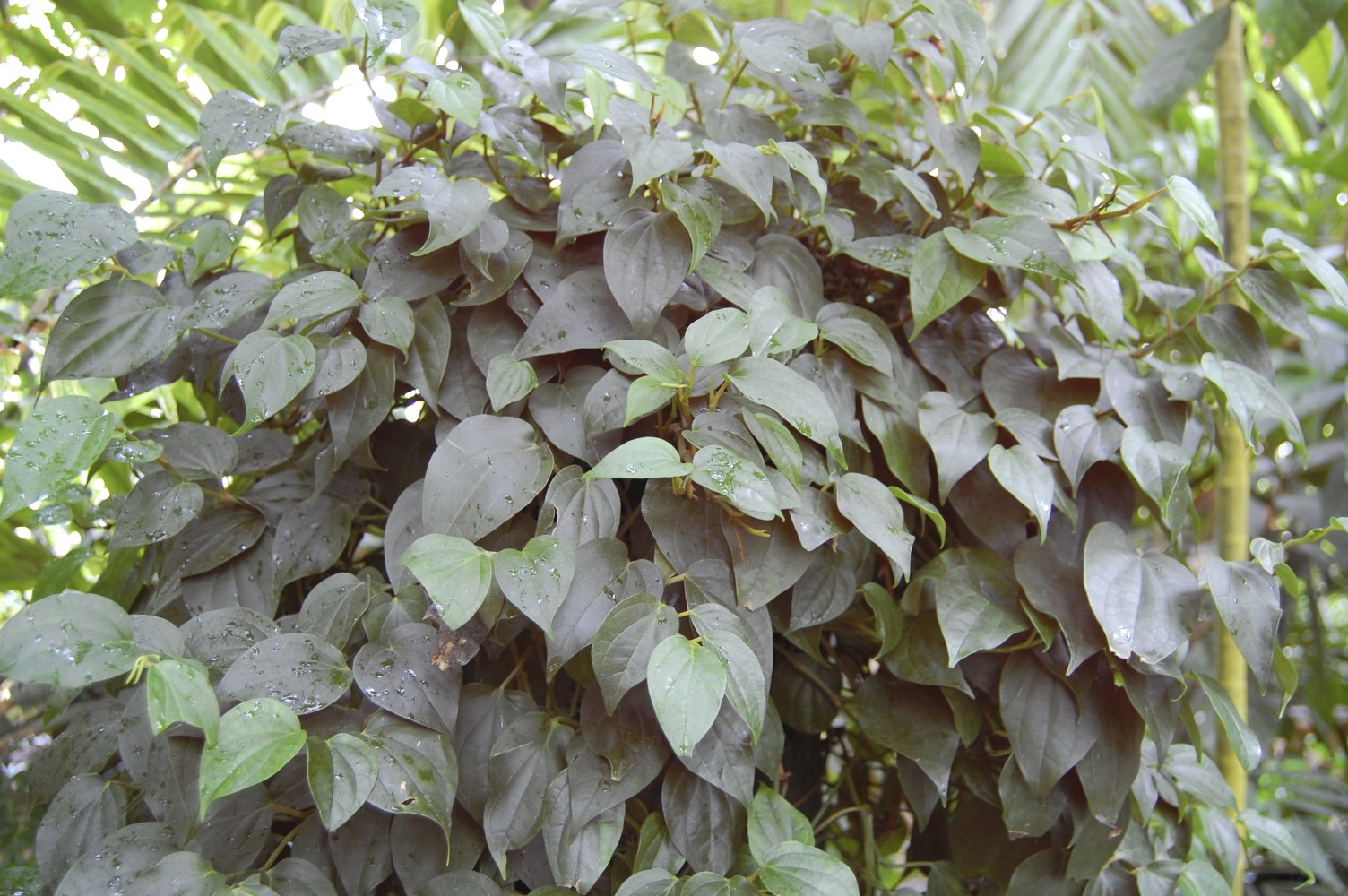
Native to India and Sri Lanka, I saw a black pepper plant in the flesh for the first time when I visited Kew Gardens last year, it was incredibly lush and attractive. In Ayurvedic medicine it’s actually the long pepper or pippali (Piper longum) that is most often used medicinally but we still see black pepper being used in remedies since antiquity. Black peppercorns are the dried fruit of the plant whereas white peppercorns, which have a milder flavour, are it’s seed.

Black Pepper in the glasshouse at Kew Gardens in London.

Stimulating to the digestion, pepper is seen primarily as a remedy for indigestion, bloating, gas and malabsorption. Studies have shown that it not only increases the appetite and production of hydrochloric acid but improves digestion of many key nutrients such as the B vitamins, beta-carotene and selenium and various phytochemicals from other spices and green tea. This is primarily due to the piperine content which is also anti-carcinogenic, due both to this ability to increase absorption of other beneficial compounds and partly in its own right as it’s anti-oxidant and inhibits pro-inflammatory cytokines that are produced by tumour cells.

The taste is pungent and stimulating with heating and somewhat drying properties. As such it’s been used for treating colds and flus either as a decoction or as a powder mixed with a bit of honey or ghee. It is mucolytic and expectorant so helps break up congestion in the chest and sinuses. It’s a warming diaphoretic so best used when there is fever but without a productive sweat and with cold extremities. It boosts circulation throughout the system but is especially nice for people with cold hands and feet. It’s also thermogenic, increasing fat metabolism and helping weight loss.

Pepper is analgesic and has a history of traditional use for toothache where the powder is applied to the sore tooth. I sometimes like to add a little of the tincture to mouthwashes for its antibacterial effects and its ability to protect against tooth decay.

A decoction drunk several times a day is also thought to help with constipation though it would be best suited to chilly types whose constipation is not caused by constitutional dryness but by lax muscles, poor assimilation or low digestive ‘fire’.

Lovely botanical illustration of Black Pepper courtesy of good ol' Wikipedia.

In large quantities it can be irritating to the mucus membranes so I always stick to low doses; a few peppercorns in tea, a pinch of powder in honey or a good sprinkling on food. Because of this it’s contraindicated in very hot people or in conditions where there is a lot of inflammation in the GI tract, though externally it’s nice for inflamed joints or muscles.

The essential oil, in small amounts, is surprisingly gentle considering the nature of the plant. I tend to avoid many of the spice oils externally such as clove, nutmeg and cinnamon as they’re very potent, though I do enjoy them in my oil burner. Black Pepper, ginger and cardamon however are all lovely in salves and baths and pepper is especially nice for sore muscles, aches and pains, arthritis and pre or post sports rubs.  It can be used with cardamon and chamomile diluted in a carrier oil to make a lovely stomach rub for indigestion, gas and bloating and to improve peristalsis. It’s also a lovely detoxing oil due to its stimulating and metabolism boosting properties, I like it with juniper and grapefruit oils for a detoxifying bath mixed with some epsom salts and a little carrier oil before being added to the water.

Pretty, pungent and peppery.


Here are some of the other ways I use black pepper:

Decoctions and Infusions- I always add some peppercorns to my chai spices either in decoction or infusion.  I also like a few brewed with rose petals as an infusion. If I’m infusing rather than decocting the peppercorns I always grind them up in a pestle and mortar first to release the volatile oils and aid extraction of the other medicinal compounds.

Vinegars – A few peppercorns make a luscious addition to a fruit vinegar such as blackberry, raspberry, rosehip or hawthorn berry lending it just a little pungent kick.

Elixirs and Syrups- Again adding a few peppercorns to a winter elixir such as elderberry, hawthorn or sloe gives it a lovely warming boost and pepper in elderberry syrup is one of my all time favourite additions.

Infused oil- Pepper infused oil is gentler than the essential oil so is lovely used liberally over large areas such as in a sports massage oil or salve.

Tincture- I only make small quantities of tincture, using the folk method of infusing the peppercorns in vodka, as I don’t use it that often. I do like to add a small amount to people’s formulas on occasion and add it to my mouthwash as I mentioned above. It also makes a lovely liniment for achy muscles mixed with some rosemary infused oil and rubbed vigorously over the body. Perfect for grey January days when you feel a bit under the weather.

Hope you all had a lovely weekend!

References:
The Yoga of Herbs – Dr. David Frawley and Dr. Vasant Lad
The Directory of Essential Oils- Wanda Sellar

I noticed a couple of my fellow bloggers taking part in an exciting project which I finally got round to looking at this week. The Tree Year blog has been set up to coincide with the International Year of Forests and is encouraging people to pick a tree to observe closely for one year.

As soon as I read about it I knew I wanted to join in and I’m really looking forward to reading other people’s contributions and getting to know a variety of trees across the world through their eyes. It was easy for me to pick my tree as I’d already committed to spending the year observing a group of my favourite Hawthorns for a herbal project Brigitte, Lusach and I are hoping to put together about this wonderful healing tree.

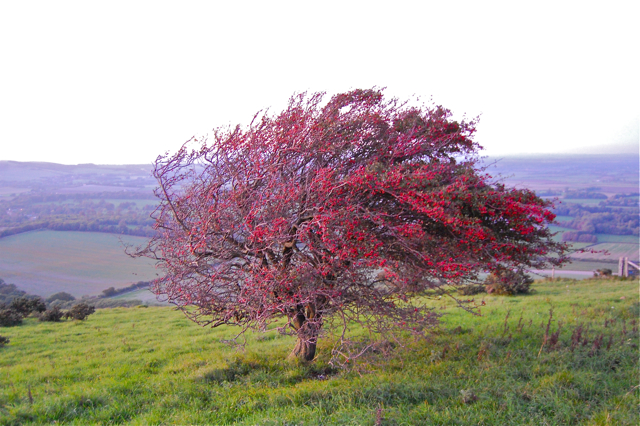
Of the group I have one particular favourite. Here she is in October:


And again in December:


As the year progresses I’ll be posting about the changes I observe, the medicines I make and any other thoughts or inspirations that she evokes. As soon as the weather warms up a bit I’ll be out with my sketch pad too! I’ve written about Hawthorn a couple of times before looking at the blossoms here and the berries here.


If anyone else fancies joining in the instructions on the site are as follows:

Be more aware of the little things in life – see and enjoy the diversity and beauty of the life and colors on a tree – and share it with others.

How to start:

  1. Pick a tree – either one you like a lot or one that you see every day on your way to work or that happens to live on your balcony.
  2. Observe it: every day or once a week or less. What grabs your attention? What kind of animals are and what kind of plants grow on it?
  3. Write about your observation, make sketches or take photographs and share it with us.

Darcey Blue over at Gaia’s Gifts is also looking at Hawthorn so it will be interesting to see how our observations differ, she being in the US and me in the UK.  Clare at Hedgerow Hippy is looking at a lovely Lime tree and Ananda at Plant Journeys is spending time with her favourite Birches. There are many other contributors too, have a look by following the link at the top of the post.

What a wonderful opportunity to learn, raise awareness and celebrate our amazing tree friends!

Virtually everyone I have spoken to recently has a cold and I also began the week with copious amounts of mucus pouring from my nose (too much info, I know!). Luckily it passed quickly and I’m back on form but it inspired me to share my top 5 simple tips for dealing with a cold and restoring the immune system.

People always bemoan the fact that there is no cure for the common cold and fill themselves full of paracetamol, noxious inhalers and antibiotics when all these things will tend to stress the body further, even if they bring temporary relief.  In most peoples’ cases a cold will move through fairly quickly and it’s not necessary to do very much at all other than eat a nourishing diet and stay warm and rested. It’s good to avoid foods that are too rich or mucus forming such as dairy, white flour products, sugar, bananas, sweet fruits like pineapples and mangoes or an excess of nuts. Generally I think when it comes to colds, the simpler the treatment the better. That’s why these tips are arranged from simplest to most complicated, for most people number 1 will be enough, though I did engage all 5 this week when the need arose. There’s nothing here most of you won’t already know but I guess it’s good to have a nudge in the right direction sometimes. 😉

These tips are very general as specific symptoms, chronic infections and low immunity will all require individualised treatment. For most of us just suffering from the occasional seasonal chill however, they should suffice.

  1. Rest: This is without doubt my top tip for colds. It allows the body space to heal itself which is, or at least should be, the ultimate goal of any treatment. I think the reason I tend to get over colds pretty quickly is that I have no problems at all with being grossly lazy! When I start feeling ill it’s straight to bed with a hot water bottle some ginger tea and a good book. In fact, I secretly quite enjoy getting sick on the odd occasion (don’t tell anyone) as it gives me the opportunity to do just that and no one can make me feel guilty for it. So if you’re one of those Type A personalities thats not happy unless 101 things have been achieved in your day and never give yourself time to rest and recuperate, listen to my words of wisdom and get thee to bed.
  2. Steam: A good steam, preferably in a hot bath with some lovely herbs, is wonderful for opening up the pores, clearing the sinuses and helping to move illness out of the body. Teamed with a herbal body rub prior to the bath this is a simple but very effective way to boost immunity. I included a recipe for a bath and shower rub in my post on using essential oils for the immune system here.
  3. Raid the kitchen cupboards: Ginger, lemon, honey, cinnamon, garlic, onion, thyme, sage. black pepper and rosemary are all useful in treating some of the symptoms of a cold. The majority of households will have one if not most of these things in their cupboards so no special herbal medicine stash is needed to get you back on form. Gargle with sage tea for a sore throat, indulge in a thyme foot bath if you have a cough or make a chest compress using a wrung out flannel soaked in thyme tea. Sip lemon and ginger in hot water with a spoon of honey and finely chop garlic in olive oil to spread on your bread. Make a spicy chai with cinnamon, cardamom, ginger, black pepper, cloves and a pinch of rooibos or green tea to sip by the fire and add herbs and spices to your soups to fight infection and boost immunity. Treating colds is where kitchen herbalism really comes into its own.
  4. Diaphoretic teas – Diaphoretic herbs are those that encourage sweating and thereby help to rid the body of infection. If you have a feverish cold but are mostly cold and clammy to the touch with cold extremities you’ll benefit most from warming diaphoretic teas like ginger, cinnamon, angelica, sage, thyme and cayenne. However if you are hot and restless and need to release this through sweating, a cooling or relaxing diaphoretic will be of most use to you. These include delicious teas like Lime blossom, elderflower, catnip, chamomile and yarrow. Most colds are kapha, or damp and cold, in nature (hence the name!) so warming diaphoretic teas will be very helpful. However some colds are more pitta or hot and come with inflammation, sore throats a red face and excessive heat. In these cases a warming, stimulating herb will exacerbate the problem whilst cooling and relaxing ones will allow for a gentle release of tension, heat and discomfort.
  5. Elderberry and Echinacea: If you want a bit more support for your immune system then these two herbs are the first port of call for most folks. Lots of studies have shown elderberry’s effectiveness in both treatment and prevention of colds and flus and it’s so delicious taken as a syrup that it becomes no great hardship to take your medicine. Great as a preventative and at the first signs of illness, Echinacea works on the immune system in a variety of ways so it can also be useful as a treatment once you’re already sick if there is heat and infection present. The root is the part most commonly used but this year I’ve been using a lovely Echinacea seed tincture made by my friend and herb grower Therri. She describes it as more nourishing and supportive than the root which is more stimulating. I made up a mix of equal parts Echinacea seed tincture, elderberry tincture and elderberry syrup and it was impressively efficacious.

Elderberry

Echinacea

What are your favourite tips for treating colds?


With the festive cheer over and the weather unremittingly grey, January is often the least favourite month of people in the Northern hemisphere. That is why I have decided to give this month’s blog party the theme of Herbal Hugs.

The idea is to write about the herbs you find most comforting, supportive, caring and indulgent or the recipes you just couldn’t be without when you feel a little low and just want a big hug from your favourite plant friends. Perhaps you have one plant in particular that has been of great comfort to you, a favourite tea blend or a bath recipe that always calms and comforts. If so please share them with us here so together we can have a truly uplifting start to the New Year.

If you have your own blog then add your post before January 20th and email me the link at whisperingearth@gmail.com  -I’ll post the links to all the entries here on the evening of the 20th.

If you don’t have a blog but would like to join us anyway you can email your piece as a word document to Debs at the UK Herbarium on debs at herbal-haven dot co dot uk and she will add it to the UK Herbarium blog as a guest post.

Big herbal hugs to you all.