Feeds:
Posts
Comments

Autumn Colours

As Autumn begins to give way to Winter it seems as though nature is enjoying a last revelling in the intensity and vitality of this year’s fading life. The colours of Autumn help me view my surroundings with fresh eyes, even in those most world weary of moments.

The last blaze of the leaves reminds me that death and endings may also be resplendent with beauty when we invest them with the totality of our being.

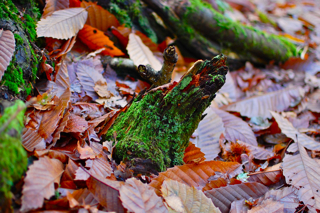
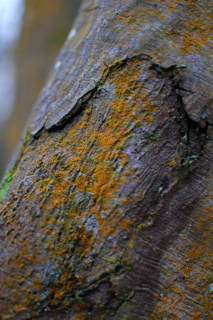
The emerald greens of moss and lichen have an almost spring like vibrancy; endings as beginnings, birth as death.

The subtle browns and mauves of fungi nestled in the forest floor keep us alert to the less showy of Autumn’s many splendours.

I love this sense of a final celebration, one last expansion before sleep, one final song before we can only hear the whispering earth in dreams of ice and of long winter shadows, through the softest of slumbers in the ancient quiet of the earth, beneath the misty darkening days.

SPOILER ALERT!!! This post contains information which may jeopardise some people’s surprise on Christmas Day. If you happen to be a close friend or family member I suggest you do the right thing and turn back now.

This months’ blog party is kindly hosted by Brigitte over at the lovely and informative My Herb Corner and is on the topic of Herbal Christmas Gifts.

Whilst I’m still struggling to believe that we are approaching the end of November, it certainly is time I started getting organised on the present front. I’m well known for pressing remedies on to my loved ones for their varying ailments, so at Christmas, I like to move away from the medicinal and create some herbal treats that are luxuriant and pampering as well as promoting good health in the winter months.

This year’s line up include some lovely bath and body oils, a deeply moisturising hand and foot cream, some soothing lip balms, a rejuvenating eye gel and some nourishing face cream.

Christmas Bath and Body Oils:

I always like to have some lovely oil blends on hand to add to the bath, use in massage or simply to moisturise my skin. Here are this year’s Christmas themed oil blends which consist of 2% essential oil in 100ml base oil. 2% usually works out as 40-50 drops of essential oil, depending on the size of the dropper. It’s important to blend essential oils in a base oil rather than just dropping them into the bath so as to avoid the possibility of irritating the skin as the essential oils do not always disperse well and can remain in concentrated blobs on top of the water. These oils do not use any emulsifiers therefore they will create an oily film on the water, though as you only need to use a tablespoon per bath, I have never found this a problem. Emulsifiers can be added which will make a more milky bath oil which disperses well in the water but the ones used for this purpose are usually synthetic so I like to avoid them where possible.

Winter Warmer- I created this blend with a couple of family members in mind who suffer from chilblains in the winter months and could use this in a bath or footbath to ease their discomfort. To 100ml of Apricot base oil I added 20 drops Rosemary essential oil, 20 drops Grapefruit and 10 drops Black Pepper. This not only stimulates the circulation and the lymphatic system but also makes a lovely revitalising morning bath for relaxing winter weekends. In fact I’ve just enjoyed one this morning.

Christmas Gifts-  To 50ml of Gold of Pleasure Oil (Camelina sativa) and 50 ml Sweet Almond I added 25 drops Frankincense, 15 drops Sweet Orange Oil, 5 drops Myrrh and 5 drops Clary Sage. This blend feels wonderfully Christmassy and promotes visual dreaming. I like to give it with a bar of Rococo’s Gold, Frankincense and Myrrh Chocolate. Enjoy the chocolate in the bath for ultimate indulgence.

Oh Christmas Tree- This blend was created for my husband who loves the smell of pine and also loves luxuritaing in the bath. To 100ml hazelnut oil I added 15 drops pine essential oil, 15 drops silver fir and 15 drops juniper berry. Earthy, fresh and cleansing this is great for washing away the pollution after a long day Christmas shopping in town or to bring the smell of the forest home with you after a brisk winter walk.

Luxury Hand and Foot Cream:


This was made with my mum and sister in mind, both of whom like to look after their hands and nails. The Comfrey is healing and mineral rich, the Avocado and Shea are deeply moisturising, the beeswax is protective and helps to emulsify the cream and the Horsetail is famous for its silica content which helps to strengthen the nails. The Jasmine makes it sexy and luxurious and the spearmint is reviving and refreshing for tired hands and feet.

40ml Comfrey root infused oil
40ml Avocado oil
40g Shea Butter
80ml Horsetail decoction (simmered 15 mins)
1 tbsp Vegetable Glycerin
15g Beeswax
2ml Vitamin E
10 drops Vitamin A
20 drops Jasmine essential oil
5 drops Spearmint essential oil

Melt the beeswax in a bain marie and add the shea butter and oil when it’s already soft.

In a separate container, mix the horsetail infusion and vegetable glycerine.

Take the oils off the heat and allow to cool until looking opaque. It’s important to get the oils and waters to the same temperature to enable them to mix properly, otherwise your cream will separate, I find I have better results when both parts are about room temperature or a little warmer. I use a small hand blender to mix them as I’m not making a large enough quantity to use my big blender. Begin to blend the oil mixture and slowly add in the waters, a drizzle at a time. Continue to blend until you have a nice smooth, even, creamy consistency.

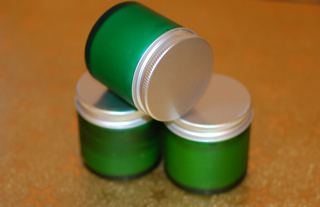
Stir in the essential oils and vitamins E and A once it is cool and has thickened. Mix well and spoon into jars. This cream will last about a month out of the fridge (less if you life in a warm climate). It has a lovely thick, green appearance and is incredibly nourishing to dry and hard working hands.

I have a much more detailed description of cream making here which will be useful if you are new to the process.

Also a description of ingredients including preservatives here.

It’s really a myth that you have to use emulsifiers to get a properly mixed cream, it just takes dedication and a bit of practice, I had several disasters before I got the knack and even now I sometimes get it wrong. I do occasionally use emulsifiers to make a face cream as it’s hard to make a very light consistency without them, but I like to use all natural products where possible and the emulsifiers used in cream making, even when derived from natural products, are always highly processed in some way. Ultimately oil and water don’t want to mix but they can and do, only your will must be greater than theirs!

Soothing Lip Balm:

This is a simple and delicious lip balm recipe.

40ml Calendula infused oil
30ml Macadamia nut oil
15g Cocoa Butter
15g Beeswax
1ml Vitamin E
10 drops Vanilla Essential Oil

Melt the cocoa butter and beeswax in a bain marie, adding in the macadamia and calendula and stirring well until everything is dissolved. remove from the heat, add the Vitamin E and Vanilla, stir again and pot in 6 15ml jars. Leave on the side to cool. A good trick it to almost fill the pots, wait a few minutes, then top them up. This ensures an even surface on top of the balm, otherwise you can get a dent in the middle as it settles.

Rejuvenating Rose Hip Eye Gel:

This eye gel is also simple to make and is based on antioxidant rich rose hip.

80ml Rose hip infusion (1 tsp rose hips simmered in 100ml spring water)
5ml Witch Hazel distillate
1/2 tsp Xanthan Gum
1/2 tsp Vegetable Glycerine
1/2 tsp Eyebright tincture
I tsp Aloe Vera gel
2ml Rosehip seed oil
10 drops each Vitamins E and A

Whisk all ingredients lightly together except the xanthan gum – I actually use a stick blender in the little measuring jug that came with it to make this recipe which works well but there isn’t enough volume to use a large blender. Sprinkle  the gum slowly and finely into the mixture whisking all the time until a gel begins to form, whisk until there are no lumps in it. There is no preservative in this formula except the vitamins and tincture so I suggest it is kept in the fridge where it should last about three months. You need such a tiny amount of this gel that I recommend only using small jars so it does not get wasted.

Unfortunately I ran out of time this week to make the face cream but i will be sure to post the recipe when I get round to it.

Good luck with your Christmas shopping and making!
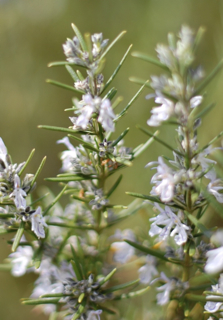
Rosemary is one of the first herbs I grew to love as a child as well as one of the first herbs I grew as a plant as an adult. My parents had a magnificent rosemary bush outside their bedroom window and though at that time I only knew it as a culinary herb, I always admired its vitality and endurance, qualities which this beautiful plant lends us in abundance when we start to work with her regularly. Despite being native to the Mediterranean it grows well here, given a sunny, freely draining soil and it particularly enjoys coastal areas, the first word of its botanical name, Rosmarinus officinalis, means dew of the sea.

Beautiful Rosemary

In my mind rosemary is primarily a rejuvenating herb. It is famous for stimulating memory and concentration, it promotes hair growth when used internally or externally, it contains powerful antioxidants which protect the whole body from ageing, it strengthens capillaries, improves digestion and is thought to ignite the passions. According to Banckes’ Herbal 1525, ’Smell it oft and it shall keep thee youngly.’

Best known as a warming circulatory stimulant, rosemary’s diffusive nature is lovely for getting the blood moving to the peripheries and hence is great for those with cold hands and feet like myself. It can be used internally as tincture or tea for this purpose or externally as an infused oil, bath or footbath herb or an essential oil rub. It can also be of benefit for those suffering from headaches where the cause is constriction in the muscles or the blood vessels supplying the head. Its ability to stimulate blood flow make it first rate in the treatment and prevention of chilblains, I especially like it combined with black pepper for this purpose.

It is helpful for the digestion in several ways. Being aromatic it helps to stimulate the appetite and its warming nature helps stoke the digestive fires, known as the ‘Agni’ in Ayurveda, helping people who suffer with poor assimilation, bloating, gas and undigested food in their stools. Being slightly bitter it’s also beneficial for the liver, a property more closely associated with cooling rather than warming herbs, however rosemary’s warmth helps move stuck energy, particularly in patterns where there is ‘heat’ in the liver but within a cold constitution and where there is also poor digestion.

Rosemary is also useful as a wash for minor wounds as it contains antimicrobial volatile oils and tannins, which help check bleeding.  According to Anne McIntyre, nurses used to brew rosemary tea as an antiseptic to sterilise instruments, clean the delivery room and protect both mother and child from infections.

Most will be able to tolerate it well as a tea in the winter months but care must be taken in summer or in tincture form for those with a hot constitution. It is lovely for those floaty, ungrounded, thin, cold and anxious types but a little care must also be taken where these qualities manifest in a person who also suffers from dryness (dry skin, dry cough, constipation etc) as rosemary is both warming and drying in its action. In these cases I would usually teem it with something more moistening. It is equally fabulous for people who are cold, damp, stodgy and overweight and who need a bit of a kick to get moving. It benefits many cold, damp conditions like a phlegmy cough, catarrh and blocked sinuses too.

For those hotter people it combines beautifully with lemon balm, especially where depression or low moods are a factor. Being a stimulating, solar herb rosemary can lift the spirits and encourage motivation and joie de vivre and being strengthening and grounding it helps dispel stress and anxiety.

Rosemary helps us fully embody who we are, lends us strength and endurance, both emotionally and physically, and helps us attain a clarity of mind and lightness of heart which many could benefit from in these stressful times.

A quick sketch and some dried rosemary from the garden.

I love rosemary in teas, my favourite being the rosemary and lemon balm combination which I drink regularly at this time of year and in early spring before the days have started warming and when my spirits need a lift. In the coldest months of winter I like my rosemary with orange peel and ginger and at the end of a long day I enjoy it with either chamomile or lemon verbena which makes a beautiful relaxing yet clarifying blend.

Rosemary infused oil is one of my favourites for tired aching muscles or joints. I make a lovely massage oil of rosemary, chamomile and St. John’s wort infused oils for back aches.

I love rosemary essential  oil too and use it in my aches and pains balm and in the bath with other suitable oils. I’m making some lovely bath oils for christmas presents this year which contain rosemary essential oil among other things. Pop back in a few days when I’ll be sharing the recipe in another post on herbal christmas presents for the November blog party hosted by Brigitte.

References:
The Complete Floral Healer – Anne McIntyre
The Practice of Traditional Western Herbalism – Matthew Wood
Medical Herbalism – David Hoffman

Autumn Abundance

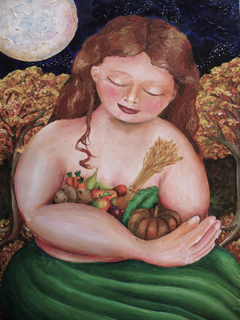
What a magical time is autumn. A time of transitions, of change, of gain and of loss, we celebrate the culmination of the years work and we grieve the inevitable endings that follow.

The dark months are coming and the wind howls around our cottage as I write this but now is still a time of abundance and celebration and, most of all, a time for giving thanks to the Goddess of the Harvest for all this Earth has given us.

Harvest Goddess

Nettle Root Medicine

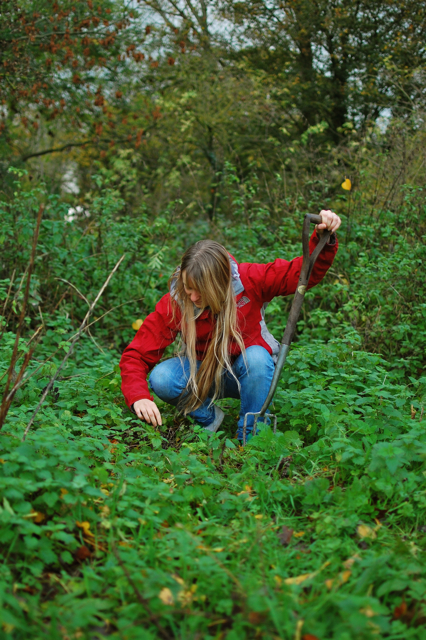
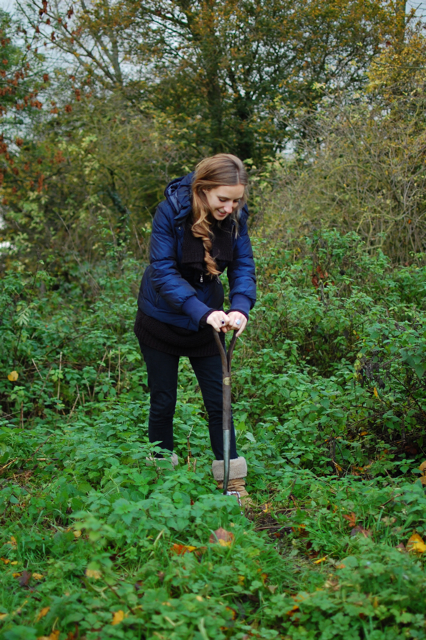
Despite using the leaf and seed of nettle on a regular basis, this year was the first time I have harvested and made tincture from the roots. I was lucky enough to be accompanied by Sascha, who I should probably mention, gathered the biggest root of all, honestly it was quite impressive!

I’ve been feeling the call of nettle root strongly this autumn and it keeps popping into my mind in relation to a particularly problematic case involving hormonal dysfunction. I have little experience of using the roots of nettle clinically other than in cases of male pattern baldness and problems of the prostate, most notably Benign Prostatic Hyperplasia (BPH). However the case in question is that of a woman, though certainly a testosterone imbalance is indicated in her symptoms, and there is little information available to support my intuitive nudging that this was the right medicine to turn to.

Several studies have shown the success of nettle root in treating BPH, particularly in its early stages when it can help to slow the growth of prostate cells, improve urinary flow and alleviate the constant urge to urinate. This is especially so when combined with other herbs such as Saw palmetto or Pygeum. It does this primarily by inhibiting proteins that help to carry certain hormones into the cells and would otherwise encourage the growth of prostate cells.

In its action of reducing the numbers of sex hormones available to the tissues I imagine that the benefits of nettle root must be more wide ranging than we usually consider. Though, without doubt, certain herbs may have a greater affinity for either male or female conditions and personalities, there is always some crossover and no herb can be said to belong exclusively to one sex or another. Traditionally, nettle root has been used to help menstrual irregularities and for this reason it’s best avoided in pregnancy. Linda Crockett, a herbalist specialising in women’s hormonal health, includes nettle root in her formulas for polycystic ovarian syndrome and Susan Weed writes, ‘ Use nettle root as a hair and scalp tonic, a urinary strengthener and stimulant, an immune system/ lymphatic strengthener and a bit of first aid’ – primarily in cases of diarrhoea.

There is also some information available online, though it’s hard to know how much of it you can trust, especially when one website contained the following gem, ‘Nettle root is commonly prized for its stems and leaves, which are reported to contain numerous health benefits’. Anyone else notice the obvious flaw there?

I feel like, in getting to know nettle root, I’m accessing a whole new facet of a long time favourite herbal ally, and I’m really excited to carry on my research and experimentation into the possibilities for its different healing applications.

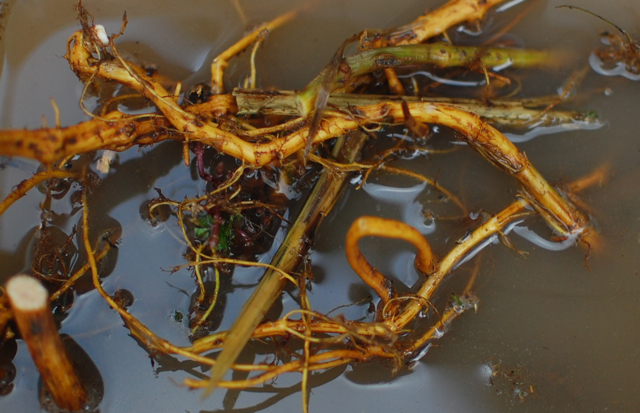
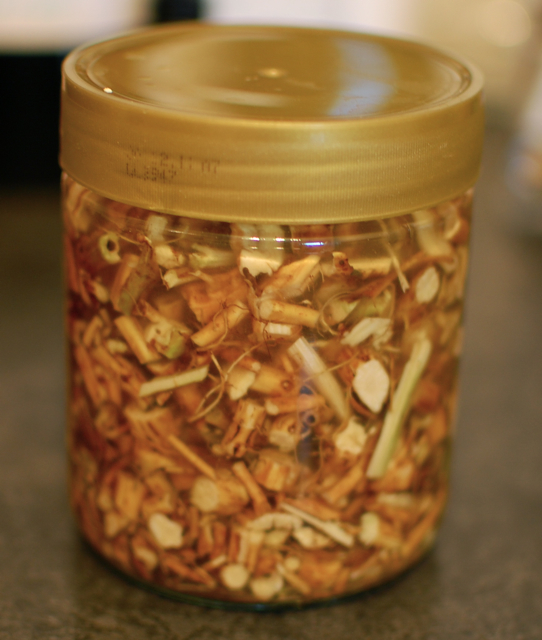
Soaking the roots.

When digging roots it’s especially important to connect with the plants an ask permission because, unlike when you gather the arial parts of perennial herbs, you are taking the life of the plant when you harvest its roots.

The soil is very sticky clay round here so our roots needed a good soak before scrubbing with a brush and chopping finely ready for tincturing.

I’m quite excited to try the finished result and will be experimenting on myself before giving it to my client. I hope to have some interesting findings to report back before too long.

References:

Healing Our Hormones, Healing Our Lives – Linda Crockett
Healing Wise – Susun Weed
Principles and Practice of Phytotherapy – Mills and Bone

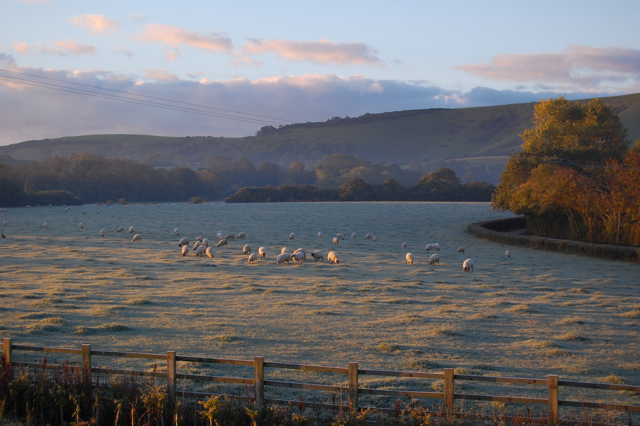
The first frosts have chilled the landscape, turning the view outside our window to a scene of subtlety and wonder.

First Frost

After the first frost is the perfect time for picking rosehips which are now a lovely deep red and a little softer and sweeter, perfect for syrup making.

Reder, softer, perfect for picking!

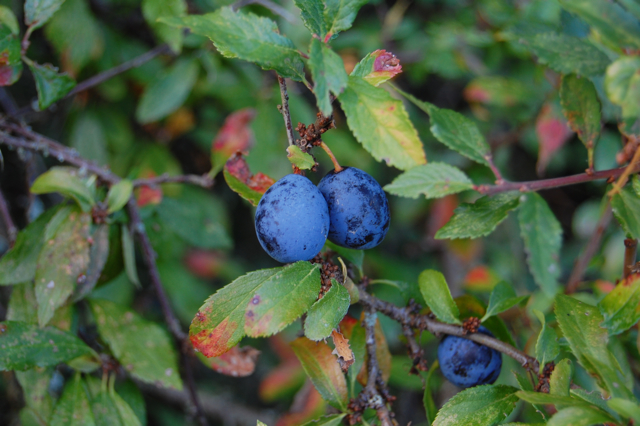
It’s also the best time for picking sloes which are so abundant here in the hedgerows right now, though they wont be around for much longer. Blackthorn, which gives us the sloe berries, is a tree surrounded by folklore and long associated with witchcraft, darkness, winter and the waning moon. The berries and the leaves make valuable astringent remedies and the flowers are said to have a mildly laxative effect, though I have never tried them so can’t offer any more information than this.

Hedgerow Sloes

The berries can be made into a syrup by simmering gently with a little water, straining and mixing with honey to taste once it has cooled. It’s a good idea not to heat honey too much as it destroys the enzymes and, according to Ayurvedic medicine, turns it to poison. You could also heat the juice again with sugar to make a traditional syrup though this would negate somewhat the immune supporting effects of the berries. Take a spoonful daily as an invigorating tonic or to aid in convalescence.

Sloes

The Blackthorn, Prunus spinosa, bears such impressive thorns they are referred to in both its English and botanical names. It’s good to take care when picking sloes as they are fairly savage and wounds from them can easily turn septic.

Beware the Blackthorn’s thorns.

This year I am attempting to make sloe gin with honey rather than sugar. This method seems to have worked well with the damson vodka I made a couple of months ago (and sneaked a little taste of last night!)  but as sloes are far more sour and astringent than damsons we’ll see if I get away with it in the gin. As sloe gin is said to be best after six months it might be a while before I can report back on this recipe! Eating sloes raw is never a pleasant experience as my dear friend Sascha, who helped me with the harvest, demonstrates below.

Eurghk!!

Save Our Forests

There are plans afoot in the UK Government to sell off half our national forests to private firms. I urge anyone who finds this as deplorable as me to sign the petition on 38 degrees. Just follow this link to have your say.

Help save our native forests from greed and destruction


This month, Zen Kitty is on retreat and has kindly allowed me, Serenity, Witch’s Kitty, to share a few thoughts on this most auspicious of days.

In Celtic lore October 31st- November 1st was seen as the end of the light half of the year and the beginning of the dark. As plants and crops were dying, the world of spirit was seen to be especially close and it is this that has influenced the modern celebrations of Halloween.

Samhain also marked the beginning of the Celtic New Year because it was observed that a period of darkness and gestation always precedes new birth. This is how I recommend we all view the winter months, as a time to draw in, reflect and begin the nurturing of new ideas that we hope will spring into being when the warmer weather returns.

Many people are sorry to see the end of the summer months and dread the cold and damp of Winter but we Magic Kitties know that all great things must dwell a little while in the womb of life before coming forth, the better and the brighter for it.

Essential Oils are the volatile aromatic compounds extracted from whole plant material. There are many theories about how they are used by the plants themselves; some say they are just metabolic waste products, others believe they are used to attract pollinators with their enticing aromas but many believe that one of their major functions is in protection of the plant from bacteria, viruses, harmful insects and fungi.
One of the primary uses for essential oils in humans is also in adding the immune system. As each plant experiences slightly different environmental conditions every year, the exact chemical make up of an essential oil will always vary slightly which ensures that viruses and bacteria do not become resistant to it. Like us, plants are dynamic living beings who are quick to react to their environment and modify their responses accordingly.
Essential oils are easily absorbed into the human body and therefore can be powerful allies in keeping us strong and healthy. To be able to use these oils in our own healing is a great gift from the plants. They are highly concentrated and as a result must always be diluted for topical use. A 2.5% blend of essential oil to base oil (such as sweet almond, apricot or olive) is a rough guide, though for children 1% is more appropriate or 0.5% for those under 2 years old.
Oils that are particularly nice at this time of year include lavender, thyme, eucalyptus, black pepper, ginger, lemon, rosemary, ravensara and myrtle.

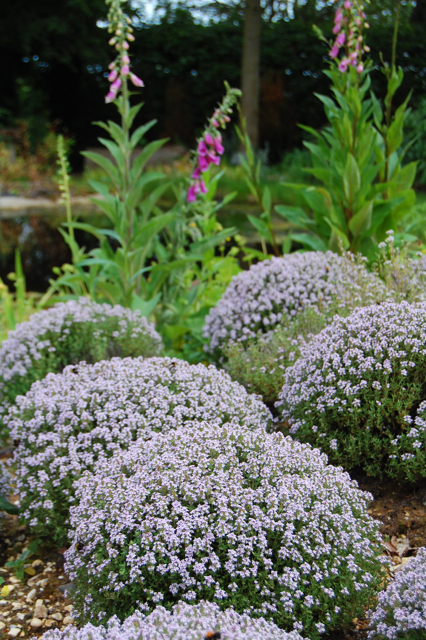
Thyme is a lovely herb and essential oil for supporting the immune and respiratory systems

Here are some ideas of ways you can use the oils to support you in the colder season:
  • Footbaths: A few drops each of frankincense, lavender and thyme diluted in a tablespoon of base oil and added to a hot footbath is a lovely treatment to de-stress and support the immune and respiratory systems all at the same time.
  • Shower rub: Make a 2.5% blend of your favourite immune suppoting oils in a carrier oil, such as almond, and rub it vigourously all over the body before getting into a hot shower or bath. The steam will open the pores and help you absorb the oils better. 20 drops each of bergamot and lavender and 10 of black pepper in 100ml jojoba would make a lovely shower rub.
  • Chest salve:. A chest salve makes an effective immune and respiratory supporting treatment that is great for adults and children alike, though care must be taken with the oils chosen and the strength of the blend for children, I would recommend a blend of herbal infused oils rather than essential oils for very young children.

A very simple chest rub can be made with the following ingredients:

  • 90 ml sunflower oil
  • 10 ml beeswax
  • 50 drops essential oil –  for example; 25 each of thyme linalol and eucalyptus radiata

Melt the beeswax in a bain marie and add the sunflower oil, mixing well. Remove from the heat and pour into a 100ml jar. Allow to cool slightly (but not set) and stir in the essential oils. Allow to set properly before using by rubbing a generous amount over the chest area and upper back. Breathe deeply.

  • Diffuser: Most essential oils will have a cleansing and anti-microbial effect when burnt in a diffuser or oil burner. Cinnamon and frankincense; bergamot and clove; niaouli, lemon and lavender  or black pepper and ravensara all make great combinations depending on the specific effect you are looking for. A little diffuser on your desk if you work in an office is particularly useful to purify the air around you.
  • Inhalation: Steaming your face over a bowl of hot water containing a few drops of tea tree, eucalyptus or lavender can be a lovely way to clear the sinuses and support the immune system. Chamomile is a great choice where tissues feel sore and inflamed.
  • Gargle: Dilute one drop of organic lavender or tea tree in a bottle containing 250ml filtered or spring water. Cap it and shake vigorously to disperse the oil. Use this as a gargle at the first sign of a cold or when you get that warning tickle at the back of your throat.

These simple remedies are enjoyable to use and can help keep you immune system healthy during the winter months.


Everything exists because everything depends. This philosophy was drummed into me by my Buddhist meditation teachers and I think I’ll be forever understanding it in new and deeper ways. If we consider closely, we can see that all things can only exist in dependence with other factors. The table can only exist because there was a tree and a carpenter. The carpenter can only exist because of the air he breathes and the food he consumes. The vegetables he eats only exist because of the soil which also depends upon the bacteria and breakdown of other plants and once living beings. And so on and so on.

Over the past few years, this philosophy has become central to my understanding of health and the healing powers of plants. We can see it working on very simplistic levels, i.e. eating poor quality food leads to compromised health, but also in more subtle ways that are to do with our relationships to the plants and ourselves.

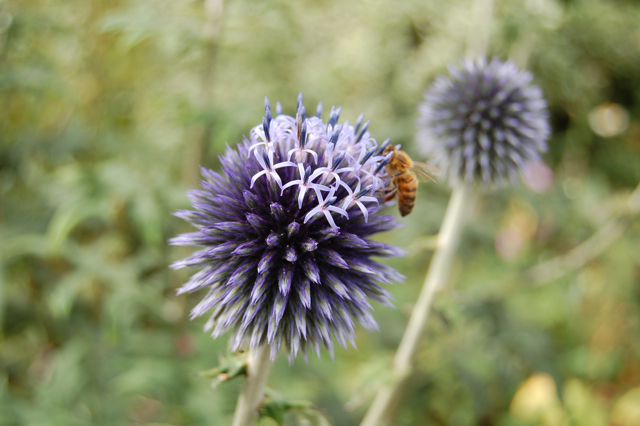
Bee depends on flowers, flowers depend on bee.

We all have our own individual ways of looking at the world, our own genetic make up, our own physical and mental strengths and weaknesses and we all perceive the plants we use for medicine in slightly different ways. Each plant is also unique, even if it is from a particular species, and so when we take medicines, the result is always about a meeting between ourselves with the herbs.

This understanding runs counter to Western biomedical understandings in which the body is seen as a machine and the drugs as the tools to alter or fix it. Results must be precise, repeatable and measurable or they are discounted. In my understanding however, herbal medicine can never really fit this pattern, though many have tried to make it, because it doesn’t allow for the uniqueness of people and plants and the relationship that occurs between the two. Even if you and I suffer from the same disease and take the same herbs, our healing will be different. That is because plants aren’t drugs (even if some popular books and T.V. shows use that terminology to appeal to a wider audience!). In fact, plants are unique and remarkable living beings, just as we are and it does well to approach them with the respect and reverence that this understanding incurs.

Depending on innumerable factors.

Just as we all have discernible personalities, yet feel ourselves to have many facets, the plants too are able to surprise us. Often a group of people will have a general consensus about a friend of theirs, agreeing that ‘she is serious and practical’ for example. There’ll always be someone however who says, ‘Really? I find her very amusing, she has a great sense of humour!’ That’s because these qualities are dynamic, they depend, it’s impossible for a relationship to be static as things are always in a state of change. And so it is with plants. When you do herb tastings with a group of people most will agree on the major effects but there will always be some variation. This is because we are entering into a dynamic relationship with another being, so what we feel won’t just depend on whether they are hot or cold, moist or astringent etc, but what is going on for us too. That’s what makes healing with herbs so exciting, the same plant can offer many possibilities when you spend time really getting to know it. It turns from acquaintance to deep and most darling friend.

I only exist because I depend. Thanks Bramble.