I was recently interviewed for the herbal podcast Listen on the many benefits of lime blossom.
If you are interested in finding out more you can listen to it here.
I hope you enjoy it!
I was recently interviewed for the herbal podcast Listen on the many benefits of lime blossom.
If you are interested in finding out more you can listen to it here.
I hope you enjoy it!
Posted in Misc | 8 Comments »

Today marks the Celtic festival of Samhain, or Halloween as it has been rebranded for the modern age. It marks the end of the harvests and the beginning of the long night of winter.
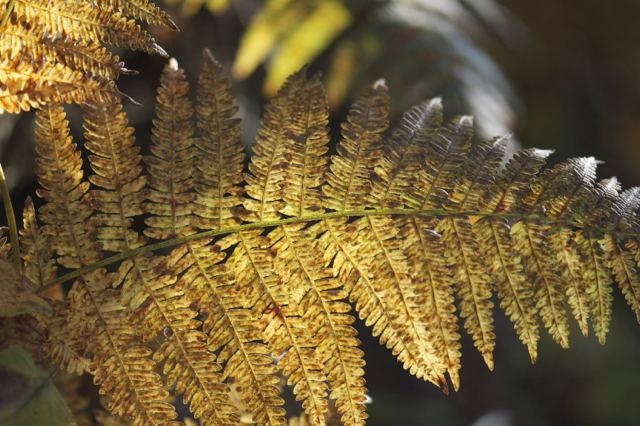
It is said that for our Celtic ancestors, all things began in darkness, with a time of dreaming and gestation, and as such, Samhain marked the beginning of the New Year, just as dusk heralded the start of a new day.


In this time and place we see death as a finality that comes at the end of life. A nothing, a void, an inevitable stopping. But what if we were to shift our vantage point a little, step to the side and see as our ancestors saw, that death is also that which precedes life. It just depends at what point on the wheel you want to step on.


Sitting in nature at the time of year it is easy to see this time of darkness and dying as the start of something new and quietly wonderful. Plants and trees shed their seed to be blanketed by fallen leaves, a soft slow beginning. So much has happened unnoticed, long before the first shoots of spring.


Observing the natural world we see how life and death each contain the seed of the other.
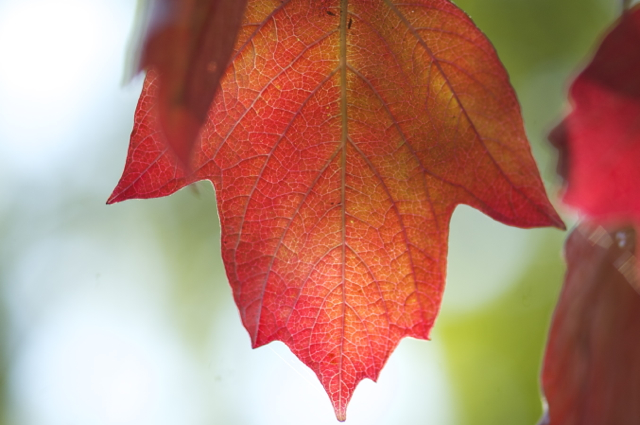


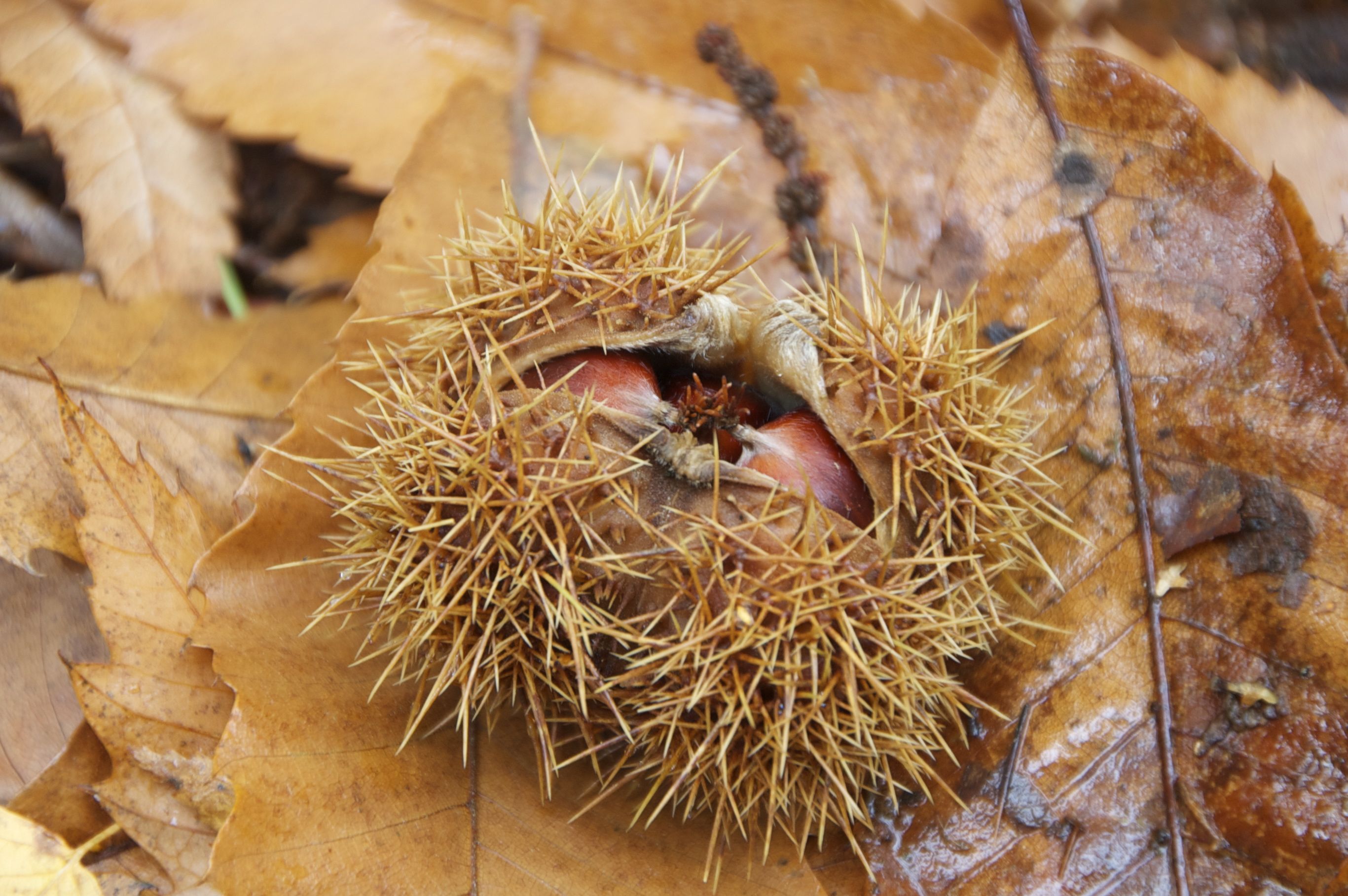
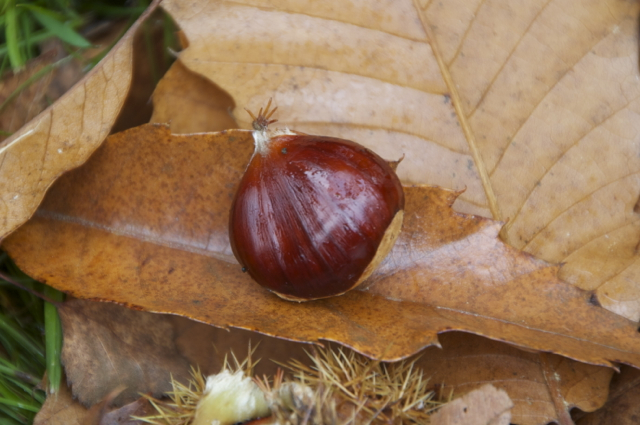

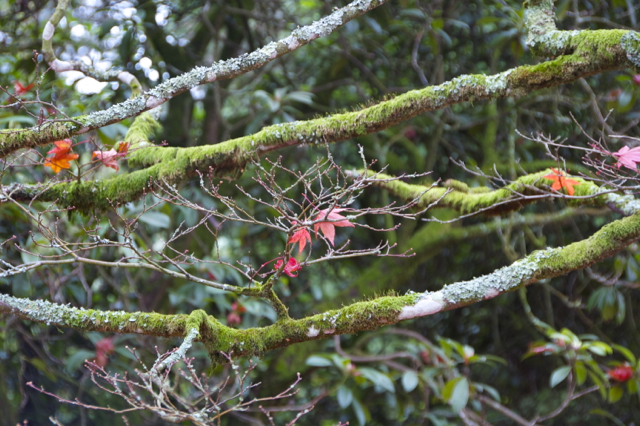
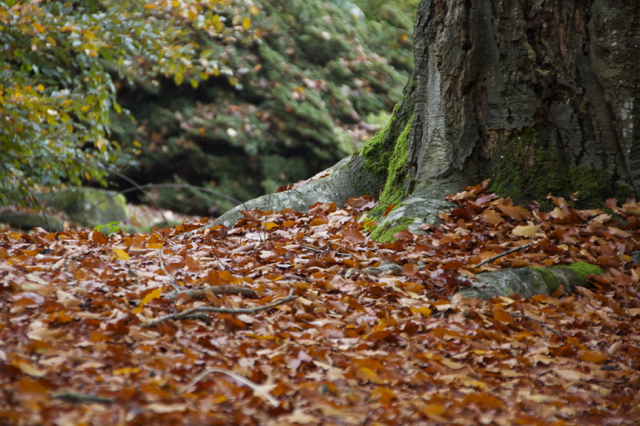
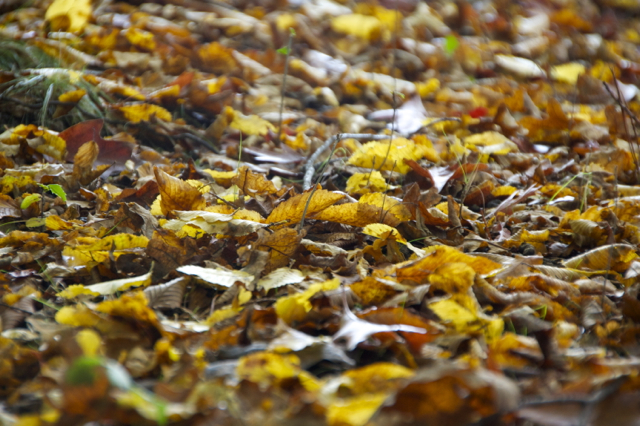


Samhain is also the time to honour the ancestors. Those who traveled their journey whilst we were still snug in the Earth, sleeping, sending down our strong roots and dreaming of warmer days to come.


Posted in Autumn, Photos | 59 Comments »

The Downs are beautiful at any time of year, even in deepest winter when grey skies and bitter winds make them seem grim and inhospitable. I’m not sure it ever gets better than August though, when wildflowers carpet the steep slopes and everything is climaxing in one last great show before the Autumn days draw in. The buzzing, whirring and fluttering of hoverflies, bees and butterflies is intense as they load up on pollen and nectar and the smells so rich you can end up feeling as euphoric as the insects appear to be.
The peacock butterfly is always a favourite of mine, let’s face it, there’s not many creatures so flamboyant on our humble Isle. And the Blues so soft and ethereal, it almost brings a tear to my eye to watch them.
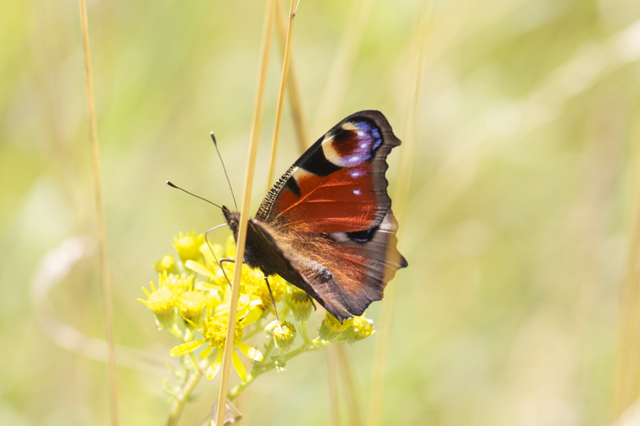
Peacock butterfly on Ragwort
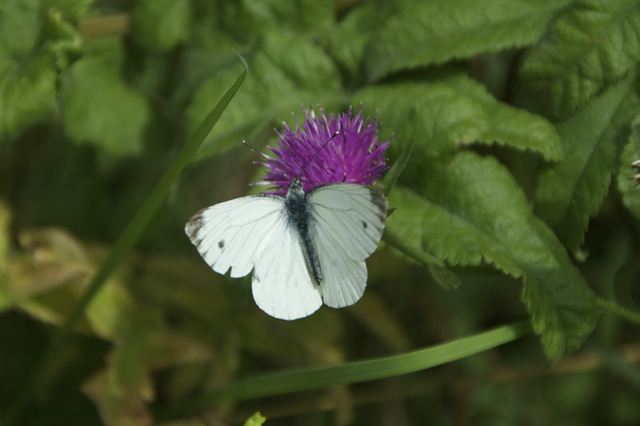
Small White on Common Knapweed

Common Blue (underside) on Ragwort

Common Blue on Ragwort
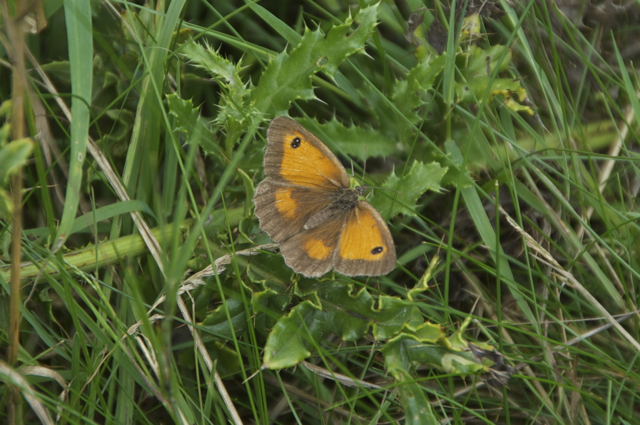
Gatekeeper Butterfly
How gorgeous are these emerald hued beetles? They appeared to be in heaven, caressing each other and the thistle flower with their spindly legs. The rose chafer or Cetonia aurata, is not a rare beetle but it still takes the breath away.
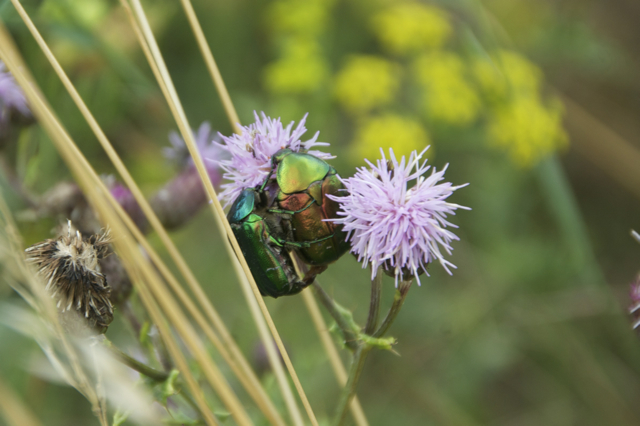
Rose Chafer on Creeping Thistle

Creeping thistle is very common and has the most wonderful earthy honied scent. A small handful of the flower heads in hot water make a delicious tea. When they finish flowering the seeds are equally beautiful, catching in the wind with their silken threads.

Creeping Thistle Seed Heads
Hemp agrimony (Eupatorium cannabinum) is another common wildflower, though somewhat confusingly it is no relation to either hemp or agrimony. It is little used today but in the past it was an important medicinal herb used for treating fevers and cleansing the blood. It has been found to contain potentially toxic alkaloids so would not be appropriate for ongoing treatment or in large doses which, in any case, may cause vomiting. It is a wonderful plant for butterflies, bees, moths and other insects.
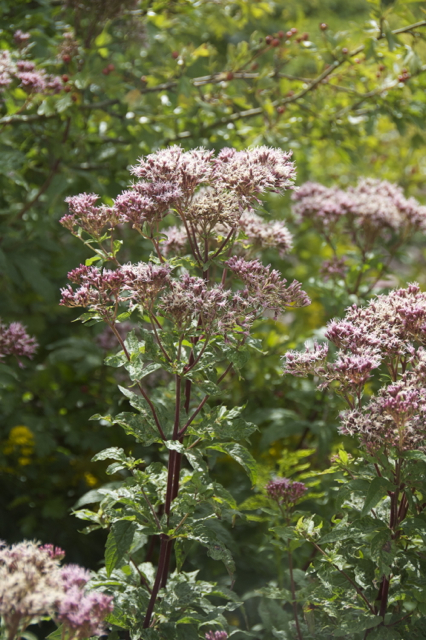
Hemp Agrimony. (Notice the hawthorn berries ripening in the background… not long now!)
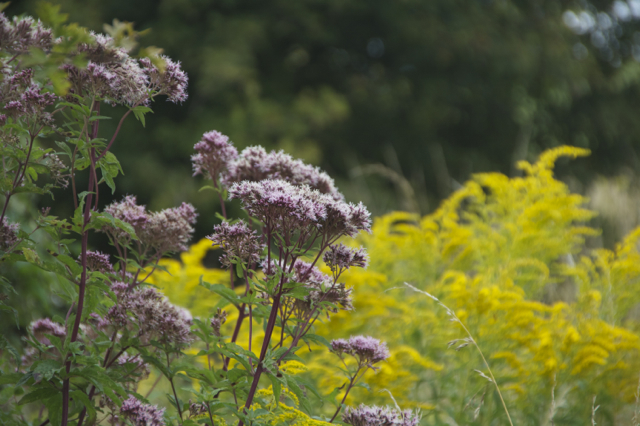
Hemp Agrimony with Canadian Goldenrod

Hemp agrimony, Canadian Goldenrod, Rosebay Willowherb, Hawthorn and Wild Clematis.
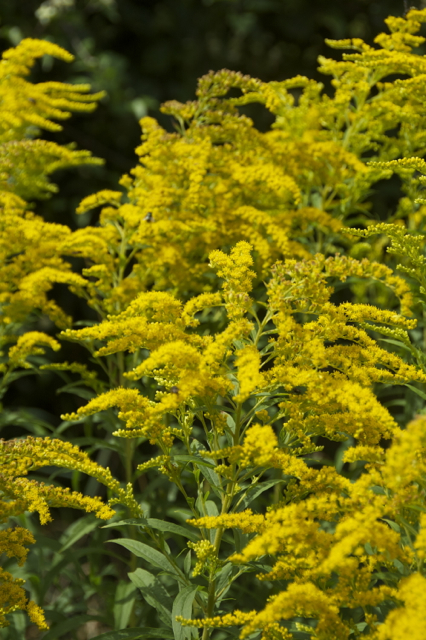
This goldenrod is not the native variety (Solidago virguarea) but the Canadian (Solidago canadensis) which was originally grown in gardens but is now not uncommon as a wildflower here in the South. It is very striking with a delicious heady fragrance which results in it being surrounded by clouds of happy insects.
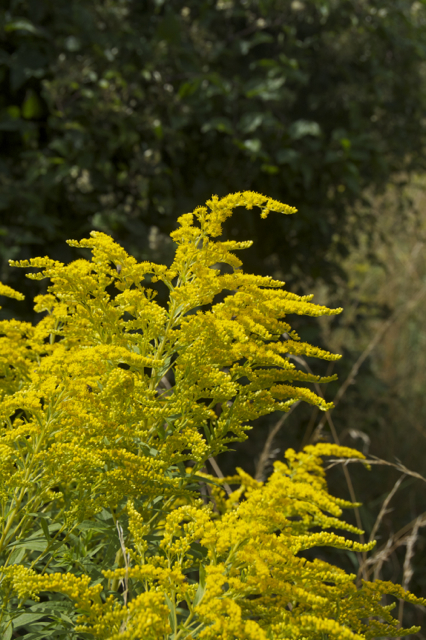
Canadian Goldenrod in full sun!
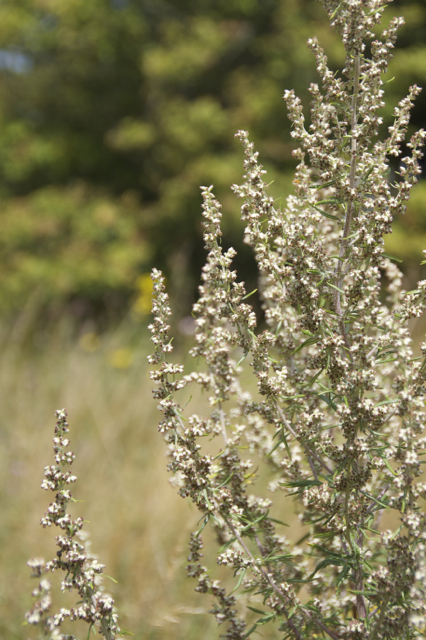
Harvesting the wonderful mugwort (Artemesia vulgaris) was one of the reasons for this morning’s walk. Mugwort is a fantastic medicinal herb that deserves much more than a quick summary but (among its many other uses) it is well loved for its affinity for the female reproductive system and its use as a digestive tonic. It is also steeped in folklore and myth and has long been used to promote lucid dreaming. Considered sacred to the Goddess Artemis, from whom it gets its Latin name, it is associated with the moon and all things magical.

Our Lady Mugwort
Yarrow is surely one of the most useful herbs we have, being helpful for a wide array of ailments. You can read more about it in my post here. They are mostly white with the odd pink one scattered in.
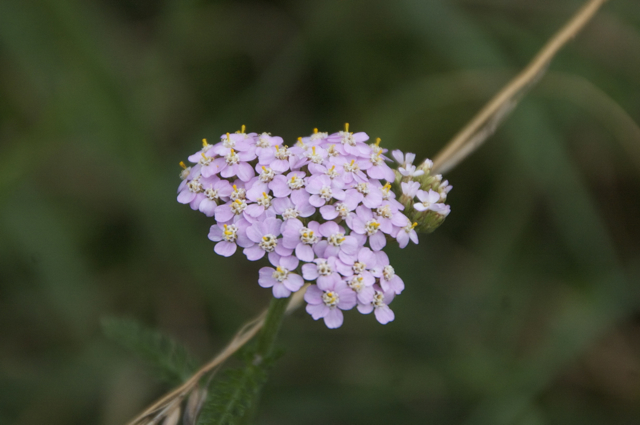
Pink Yarrow
Classic wildflowers of chalky soils like the Downs include the graceful wild mignonette and agrimony. Agrimony (Agrimonia Eupatoria) is such a beautiful and cheerful herb, most commonly used for treating diarrhoea in children due to its gentle astringency. Also used for healing sore throats, toning the bladder and gut and healing wounds, it is member of the Rose family.

Wild Mignonette

Agrimony
Small scabious doesn’t have the most glamourous name but it is so beautiful it can just about get away with it! Perhaps the other flowers named it to prevent it becoming arrogant? I expect there is a story in there somewhere. The seed head alone is a work of art that only Mother Nature would be capable of.

Small Scabious

Scabious seedhead – Incredible!
Greater knapweed and rosebay willow herb are also important wildlife species and red bartsia is an attractive wildflower that is semi-parasitic on the roots of grasses.

Greater Knapweed
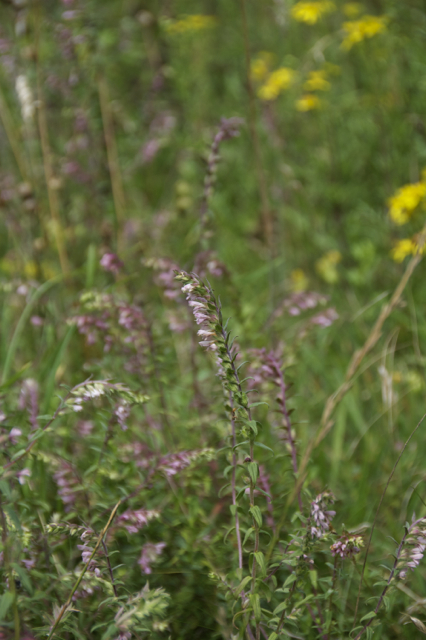
Red Bartsia

Spires of Rosebay Willowherb
Queen Anne’s lace or wild carrot is another beautiful yet common wild flower. The name is said to come from the small red flower that is sometime seen in the centre of the head and relates to a story that Queen Anne, consort to James I, pricked her finger and stained the centre of her lace red with a drop of her blood.
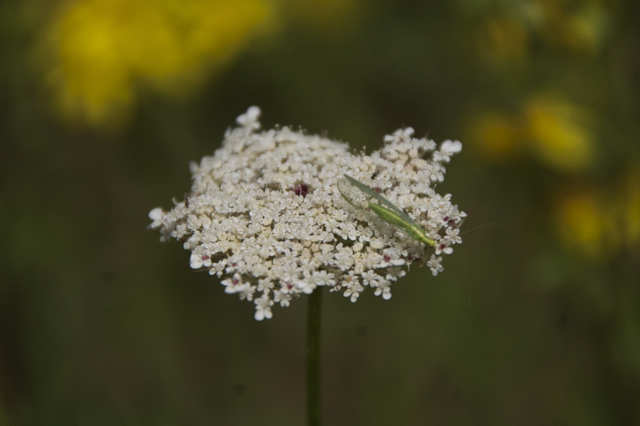
Queen Anne’s Lace or Wild Carrot with visiting Green Lacewing
Another of its common names is ‘birds nest’ after the stunning seed heads that form after it has finished flowering.

Wild Carrot seed head

Posted in Photos, Wildflowers, Wildlife | 13 Comments »

May is truly one of my favourite months of the year. On the tipping point between seasons we have the last of the spring greens along with the first summer flowers and there are always lots of wonderful things to gather.
I enjoyed a harvest of pine pollen with some lovely women folk early in the month and now have delicious infused vinegars and tinctures to sustain us through the year. Pine pollen is a pale yellow powdery substance released from the male catkins each Spring and is a marvellous food and medicine, being rich in vitamins, minerals and proteins and having a whole host of beneficial actions from anti-inflammatory to adaptogenic and androgenic. Humans have used pine as medicine since our origins.

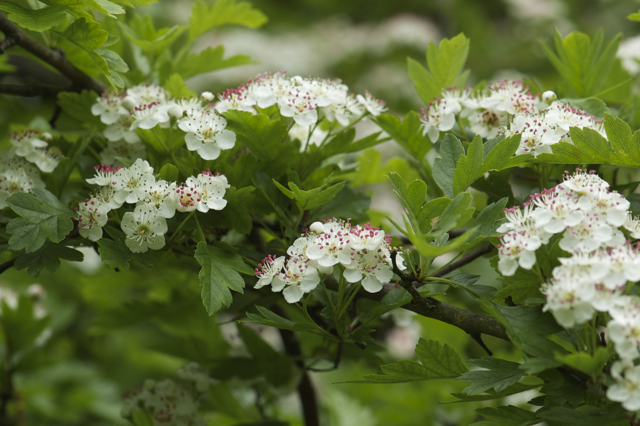
Hawthorn is the gem of the season and is so abundant that it is usually possible to gather freely for use in teas, tinctures and other preparations. I have written many posts on Hawthorn on this blog but you can read a little more about the medicinal qualities of the flowers here.


Our garden has been so thoroughly carpeted in dandelions that the flowers have graced our table on more than one occasion. The classic way to eat them of course is as fritters and they certainly make a delicious treat that way. All you need to do is dunk the flowers in a simple batter and fry, then hold on to the stalk and eat the battered flower head, discarding the green parts left. I have written more about the many medicinal benefits of dandelion here.

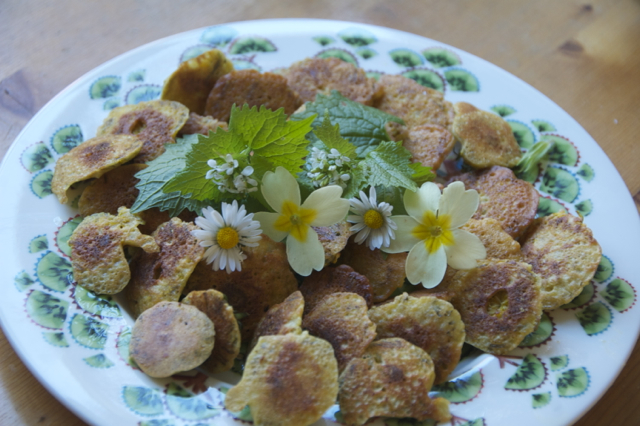
Now the flowers have turned to clocks and my son delights in blowing them hither and thither. I expect our dandelion carpet will be even more extensive next year as a result!

Ribwort plantain also grows in abundance here along with a little broadleaf and hoary plantain to add variety to the mix. I have been busy making infused oils to help heal all the little injuries that are so common for exploratory toddlers. Ribwort plantain is also a wonderful lung herb amongst other qualities and makes a great field plaster. I will dedicate a full post to its many wonders soon.


Shepherd’s purse is a valuable astringent remedy, particularly for the uterus and gets its name from the little seed capsules which resemble, you guessed it, shepherd’s purses.

We also have lots of garlic mustard, or Jack-by-the-hedge, growing in the garden. Delicious earlier in the season the leaves become bitter after it has flowered but it is still a good plant for wildlife, especially the orange tip butterfly, so I leave it be.

Speaking of wildlife we have had lots of welcome visitors. A couple of foxes frequent the garden daily and they are such a pleasure to watch.


Nature at this time of year is full of sensory delights.
From colours:

Buttercup

Herb Robert

Rock rose
To textures:
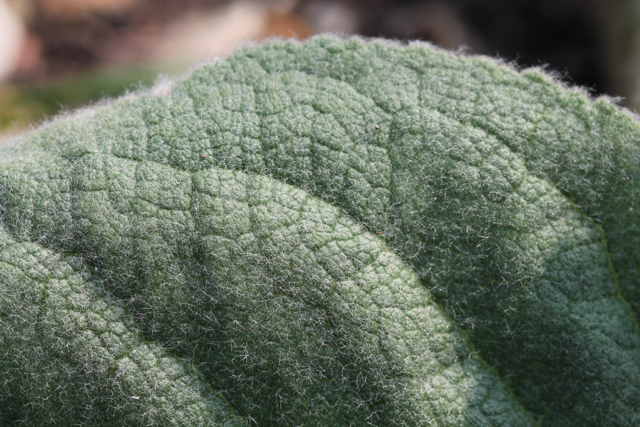
Mullein
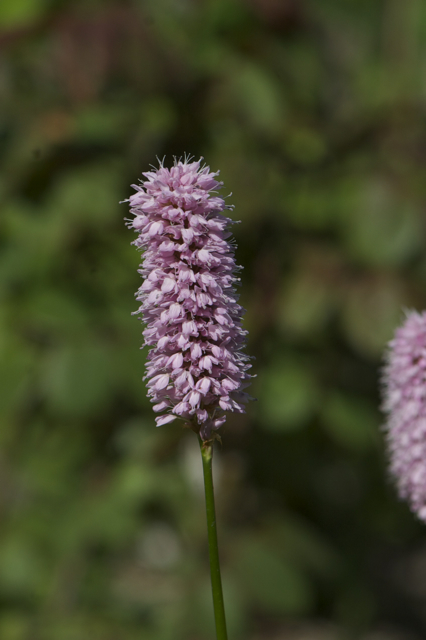
Bistort

Lady’s mantle

White horehound
To delicious smells:
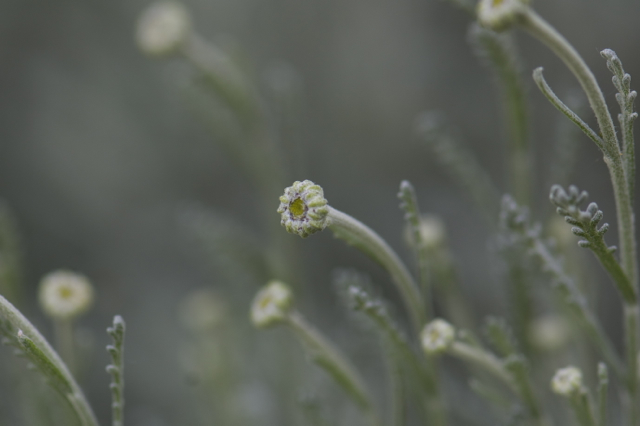
Santolina

Golden Marjoram

Sage
The garden is also full of the promise of things to come. Elderflowers and St. John’s wort will soon be flowering and ready to pick, gooseberries are nearly ripe and we are looking forward to apples and strawberries later in the year.

Apple blossom
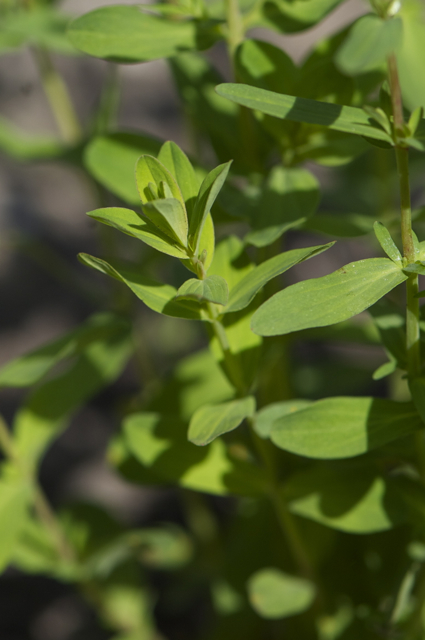
St. John’s wort

Gooseberries

Strawberries

Elderflower soon to be in bloom
Lest it all seem too idyllic however, this month has also been fraught with horticultural challenges. First my mini greenhouse blew over in the strong winds and all my seedlings were lost. Then the birds puled up all the yellow rattle plugs I had planted and finally someone, possibly a rat, dug up my newly planted salad trough. As my Dad, who has been gardening for many years, reminds me, gardening is full of ups and downs. I like to thing it is Mother Nature’s way of reminding us that we don’t have as much control as we think we do.
And ultimately, that can only be a good thing!

Love-in-a-mist
Posted in Gardening, Photos, Spring | 22 Comments »
Spring is finally in full swing here in Sussex. The sun is shining, March winds are blowing out the winter grey and lots of wonderful young edibles are popping up in the meadows and hedgerows.
Wild garlic (Allium ursinum) is one of the most delectable of these and also one of the most easily recognisable as well as being abundant in damp and shady places such as woodlands and stream edges.
A warning that is often given alongside foraging information on wild garlic is to be wary of its similarities to the leaves of Lords and Ladies or Cuckoo Pint (Arum maculatum) which often grows amongst it. The leaves can be easily camouflaged but, on closer examination, actually look quite different so getting to know the characteristics of these two plants is important for wild harvesting.

Spot the difference
I suspect the majority of problems arise from people picking handfuls of young leaves without too much attention to detail so it’s always good to harvest a little more mindfully and respectfully to avoid getting any unwanted hitchhikers in your basket.

Young Wild Garlic
The leaves of wild garlic are convex, broadly lanceolate and glabrous (smooth and hairless) and have one main central vein with parallel secondary veins.

Wild garlic – left, Lords and Ladies, – right
Lords and Ladies on the other hand has a broad arrow shaped leaf, with a more wrinkled appearance. However the mature leaf shape may not be fully present in the youngest leaves so the most important thing to notice is the difference in patterning of the veins. In Lords and Ladies they are pinnate, meaning the secondary veins are paired oppositely, emerging out to the edge of the leaf from the central vein. On close inspection they look quite different from the parallel veins of wild garlic.

Lords and Ladies emerging

Lords and Ladies
It also often has characteristic purple spots on the leaves though these are not always present, especially in the young leaves, so cannot be relied upon for a positive identification.
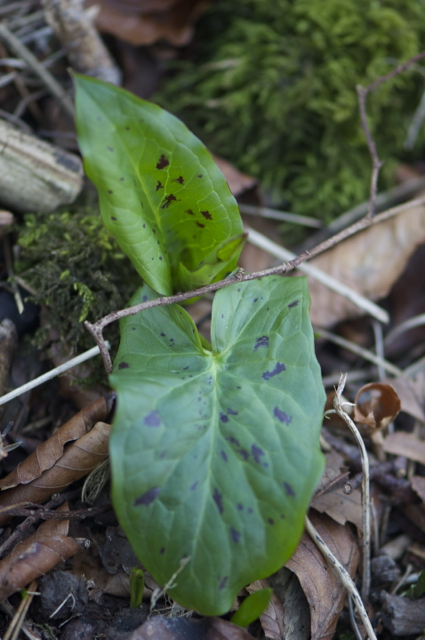
Characteristic purple spots
Wild garlic can also be confused with the leaves of Lily of the Valley (Convallaria majalis) before they are in flower and the two do in fact look very similar. Lily of the Valley is highly poisonous when eaten, though it is also a valuable medicine when given in the correct dosages. One of the main differences is that Lily of the Valley usually has pairs of leaves on a single stem where as wild garlic only has one. Lily of the Valley is rarer now than it used to be but it is still important to be able to recognise the differences.
The most important id feature of wild garlic is its distinctive smell which neither Lily of the Valley or Lords and Ladies have. If you have any doubts at all, leave aside the plants you are unsure of.
Below we can see wild garlic growing up amongst two poisonous neighbours. Dog mercury with the small green flowers and the larger leaves of Lords and Ladies next to it.

Wild Garlic, Dog’s Mercery and Lords and Ladies
Alongside our usual pestos and infused vinegars I have been enjoying wild garlic cashew nut ‘cheese’ this year which is a lovely creamy treat spread on crackers or used as a sauce on pasta or millet.
Ingredients and Method:
1 cup cashew nuts (soaked in enough water to cover for at least an hour and drained)
A large handful or wild garlic leaves
1 tablespoon lemon juice
1/4 cup water (you can add more to make a thinner sauce consistency)
1/4 cup nutritional yeast (optional but adds a nice cheesy flavour)
Salt and pepper to taste
Add all ingredients to a blender and blend until combined and smooth. Store in the fridge and use within a few days.

Wild Garlic cashew nut cheese
If you fancy picking some wild garlic with myself and Anna Richardson next month we are holding a spring greens foraging day at Wowo Campsite in East Sussex. Other dates for summer and autumn are also available.
Edible and medicinal spring greens- Saturday 25th April 10.30am – 4.30pm
Women’s Flower Day – Saturday 11th July 10.30am – 4.30pm
Autumn Wild Foods and Medicines – Saturday 19th September 10.30am – 4.30pm
You can find out more and book online here: http://www.wowo.co.uk/faq/30-services/107-anna-richardson-wild-crafts.html
Posted in Recipes, Spring, Wild Garlic, Wildcrafting | 14 Comments »

Once in a while a medicinal ally comes along that completely captivates my heart and mind. Over the last year or so the birch polypore fungus has been the ally in question and it is everything that ‘the people’s medicine’ should be – local, abundant, safe and powerfully healing.
Latin – Fomitopsis betulina, formerly Pitptoporus betulinus – Piptoporus comes from the latin meaning ‘pores cast down’ and betulinus from its host tree, the birch.
Common name – Birch Polypore, also razor strop fungus, birch conk, birch bracket. The name polypore refers to its many pores, situated on the underside of the fruiting body from which the spores are released.
Taste – bitter, slightly sweet and earthy.
Smell – I would consider the smell to be rich and mushroomy though the legendary Roger’s mushroom guide describes its as having a ‘distinct or odd smell (not mushroomy).’ So you will have to make up your own mind on that!
Actions – Immune tonic, anti-inflammatory, anti-tumour, anti-parasitic, anti-septic, anti-viral, anti-bacterial, styptic.
For further information on taxonomy and identifying this mushroom please see here and here.
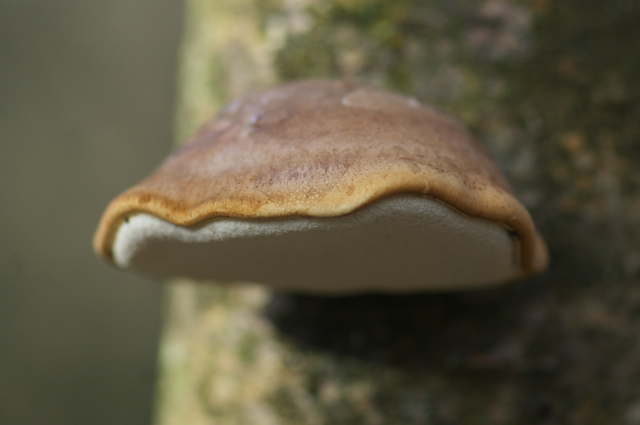
The birch polypore grows from a single lateral attachment point on birch trees, being subglobose at first, then expanding to a bracket measuring approximately 10-20 cm across. It is white to begin with, the cap changing to a beige/tan colour and then darkening or greying with age. The underside is white and contains many pores which release their spores into the air. Spores land on exposed areas of birch trees, where branches have broken for example, and begin to grow hyphae which spread to form a mycelial network through the tree. It is considered weakly parasitic on birch trees, a healthy tree will be able to contain the spreading hyphae but in one that is aged or diseased the fungus will begin the gradual process of breaking it down. The fruiting bodies are annual, unlike some of our other common bracket fungi which may live for years, but they are often gnawed by insects before the end of this period so they are better picked young.

Newly erupting fruiting body in the top left and more mature specimen in the bottom right.

Young specimen
Birch polypore grows freely in the temperate forests of Europe and North America and its ethnobotanic uses have been wide and varied. From medicine to tinder, knife sharpener and sweat band, this fungi has been employed in many more ways than your average mushroom. Like the more famous tinder fungus, Fomes fomentarius, it is able to carry a spark from one campsite another, easing the task of firelighting, and in more recent times it was cut into strips and used to sharpen knives, especially by those who could not afford leather, giving it its common name, the razor strop fungus.

It shot to fame after it was found on the body of Ötzi’, a 5300 year old mummy found preserved in the ice in the Italian Alps. Amongst his kit Ötzi’ carried two strips of hide onto which had been threaded pieces of birch polypore. As he was later found at autopsy to be infected with intestinal parasites against which the birch polypore is active, it has been theorised that he was carrying them as treatment and also as a possible anti-septic incase of minor injuries.

Ötzi’s birch polypores. Photo courtesy of South Tyrol Museum of Archaeology.
Of course to me it is the medicinal properties of this wonderful fungus that are most fascinating and it has a variety of applications which make it a very useful addition to the herbalist’s cabinet. Like our more famous medicinal mushrooms birch polypore contains primary metabolites (polysaccharides) and secondary metabolites (such as triterpenes) that are beneficial for health. Its traditional uses are backed up by research yet it is still not common in the dispensaries of most modern herbalists who tend to rely on the more famous imported medicinal mushrooms.
Like those more famous medicinal mushrooms birch polypore makes a wonderful immune tonic as it contains polysaccharides which are mostly glucans, known to be some of the most effective immune enhancing compounds available.

It has been shown to be a useful support in the treatment of cancer in a number of ways. Alongside providing general support to the immune system, it also inhibits angiogenesis, the formation of new blood cells which occurs in tumour growth. In one study anti-cancer effects were “attributed to decreased tumor cell proliferation, motility and the induction of morphological changes. Of note is the fact that it produced no or low toxicity in tested normal cells.” (1) Another in vitro study on colorectal cancer showed that “Studied extracts highly decreased the viability of cancer cells, slightly inhibiting proliferation and tumor cell adhesion in a time- and dose-dependent manner.” (2) It also found that the extracts studied had very low toxicity to normal cells making it a safe and effective treatment.

The relationship of birch polypore to its host tree is key to its healing actions. It will grow on other trees only if they are artificially inoculated, in nature it is found exclusively on birch trees. One facet of the birch polypore’s healing actions is the concentration of betulinic acid which it potentiates from it’s host tree. Betulinic acid has been shown in various studies to initiate apoptosis, or death of cancer cells. (3) In 2001, an extract of birch polypore containing betulinic acid showed useful antiviral action against HIV by blocking its reproduction. (4)

Birch polypore has also been shown to contain compounds that are matrix metallo-proteinase inhibitors, which can also slow cancer cell proliferation. (5)
It has been shown in various studies to be anti-inflammatory, mainly due to triterpene acids. (6,7)
It is considered a great wound herb, not just for its anti-inflammatory properties but because it is anti-septic, anti-bacterial and helps to stop bleeding. An anti-biotic called Piptamine has been isolated from it and the whole mushroom is said to be effective against various strains of bacteria including E. coli. It can be used to make a perfect plaster when in the field by scoring a rectangle into the underside, then peeling it back slowly and carefully. It is absorbent and holds in place well. Apparently here in Sussex it used to be burnt into a charcoal and used as an anti-septic. I haven’t tried this method yet but it is on my to do list, especially because of the local ethnobotanic connection!

Birch polypore plaster
It also has a lot of potential as an anti-viral. Renowned mycologist and author of Mycelium Running, Paul Stamets has reported that it is active against flu, cowpox, yellow fever and other potentially deadly viruses.
Birch polypore has also been reported to be an aromatase inhibitor, meaning it helps to prevent the conversion of androgen hormones into oestrogen. This is important in both men and women as high oestrogen levels are linked to many hormonal imbalances and cancers.

How to Prepare:
I have mostly been using my birch polypores as either a tea or a tincture. I have been drinking a cup of the tea a few times a week as a general immune tonic over the winter months and I made a delicious birch polypore and elderberry syrup last autumn.

Birch polypore and elderberry immune tonic on the hob.
The tea should be decocted, or gently simmered in water, rather than just left to infuse as tougher parts of plants or fungi need a bit more energy to give up their constituents. A rough recommended dosage would be 1 cup of decoction made with 5-8g dried mushroom per day for a limited period of time unless specifically indicated. The dried (or fresh) mushroom should be added to a pan with the water and allowed to simmer very gently for about an hour. Don’t be tempted to boil it as you will destroy some of the medicinal constituents. If there is a specific health concern then this dose could well be higher but it is best to see a practitioner in that case. If you find the taste of the tea too bitter you can freeze it in ice cube trays to make a medicinal stock which can be added to soups or stews where the flavour will be disguised.

Medicinal mushroom stock ice cubes
Medicinal mushrooms have traditionally been extracted in water, via decoction, to maximise the polysaccharides. The triterpenes and other secondary metabolites tend to extract well in alcohol however so a decocted tincture is ideal to capture a wide range of the mushroom’s constituents. I plan to follow up this post with another describing how to make a decocted tincture in detail and will update the link here when I do.
For storage purpose you can slice the mushrooms and allow to dry, usually a pretty quick process, then store in a jar or brown paper bag out of direct light until ready to use.

Birch polypore dries to a lovely light, velvety material which is a pleasure to touch and stroke. Inspired by a friend of a friend, a German herbalist who had carved a ball from it, I decided to experiment with some polypore craft of my own. Firstly I made a ring, though the flaw in this plan soon became obvious as it rehydrated every time I washed my hands and I ended up with a soggy band of mushroom around my finger! Next were some slightly rustic Christmas decorations which ended up being recycled into tea. Finally I decided to follow in the footsteps of the iceman himself and settle on threading my birch polypore onto a cord to make a necklace. It makes a lovely tactile bead to wear and I enjoy the feeling of connection to a medicine I am using so frequently at the moment… that is, as long as I remember to remove it before the shower!

I hope you get chance to get to know this wonderful ally and work with it yourself. Please remember that even though it is abundant, it is performing a vital task in its environment and it is wise to harvest responsibly, taking a few mushrooms from here and there rather than all from one or two trees.
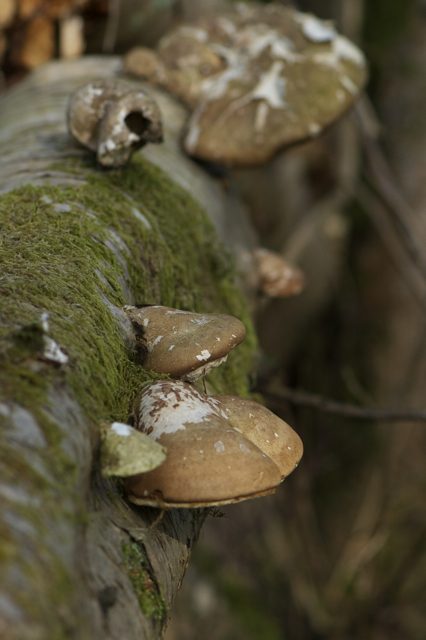
Happy belated Imbolc to you all!
References:
1. Lemieszek et al – Anticancer Effect of Fraction Isolated from Medicinal Birch Polypore Mushroom, Piptoporus betulinus – Int. Journal of Medicinal Mushrooms. 2009; 11(4): pages 351-364.
2. Cyranka M et al – Investigation of antiproliferative effect of ether and ethanol extracts of birch polypore medicinal mushroom, Piptoporus betulinus Int. Journal of Medicinal Mushrooms 2011;13(6): pages 525-33.
3.Fulda S – Modulation of Apoptosis by Natural Products for Cancer Therapy -Planta Med 2010; 76(11): 1075-1079
4. Kanamoto T. et al – Anti-human immunodeficiency virus activity of YI-FH 312 (a betulinic acid derivative), a novel compound blocking viral maturation – Antimicrobial Agents and Chemotherapy 2001; 45(4): pages 1225-1230
5. Kawagishi H. – Novel hydroquinone as a matrix metallo-proteinase inhibitor from the mushroom, Piptoporus betulinus – Biosci Biotechnol Biochem. 2002; 66(12): pages -2748-2750.
6. Kemani Wangun et al. – Anti-inflammatory and Anti-hyaluronate Lyase Activities of Lanostanoids from Piptoporus betulinus – The Journal of Antibiotics. 2004; 57 (11): pages 755-758
7.Kamo T. et al – Anti-inflammatory lanostane-type triterpene acids from Piptoporus betulinus – Journal Nat Prod 2003 66 (8): pages 1104-1106.
Posted in Fungi | 86 Comments »
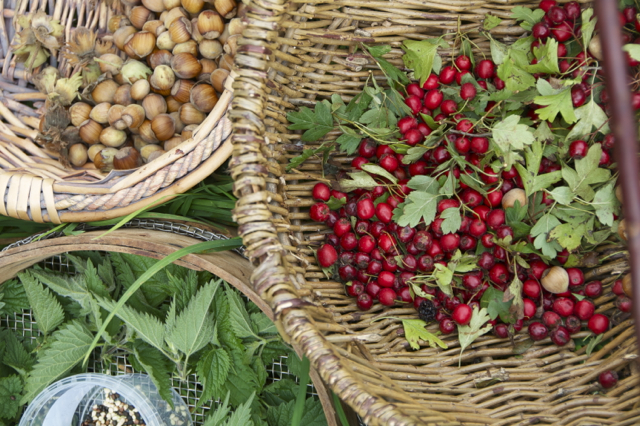
Autumn bounty
We had a wonderful time at the Wild Plant Craft workshop over the Autumn Equinox weekend, meeting like minded people and spending time connecting with nature and gathering food and medicine from Mother Earth’s autumn bounty. Here are some of the highlights!
Anna and I will be doing another day of foraging and making at Wowo campsite in East Sussex on Sunday 26th October focusing on acorns, roots and medicinal mushrooms.

Meeting Hazel.

Collecting Himalayan Balsam seeds.
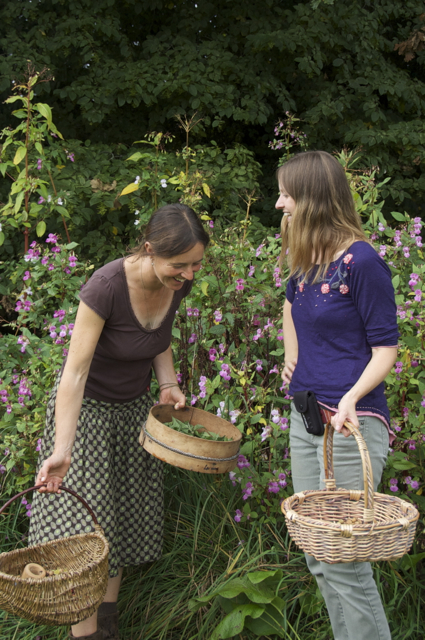
Foraging fun.
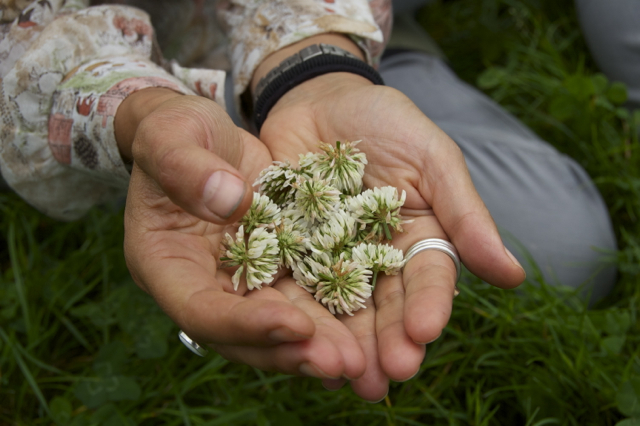
Clover blossom.

Digging for roots whilst the smallest member of the company has a nap.

Talking about Hawthorn, one of my favourite trees.

Singing Anna’s beautiful Hawthorn song.

Fruits of our labour.

Foragers of all ages.
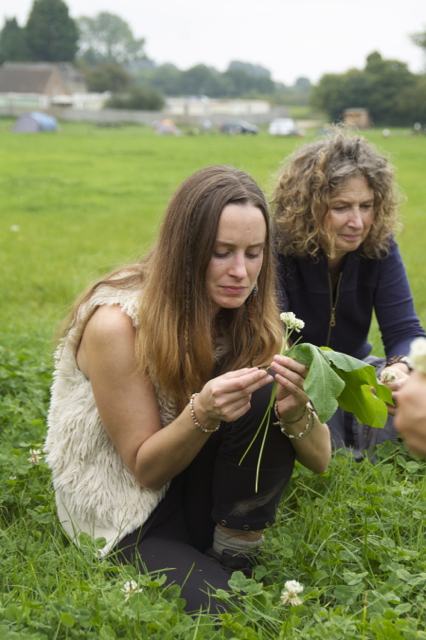
Taking time to meet the plants.

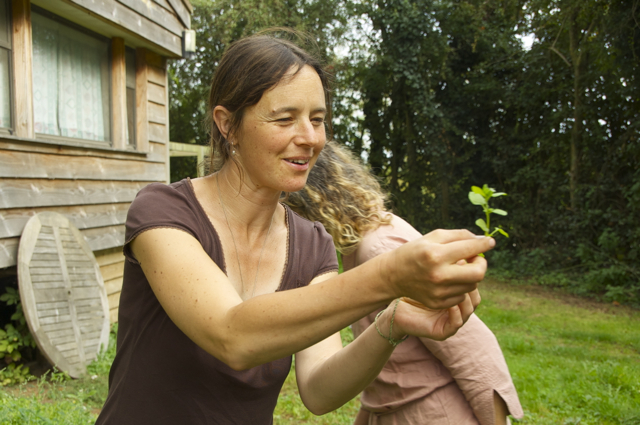
Anna talks about chickweed.

Busy with preparations.


Berries simmering over the fire with hazelnuts roasting in a shallow pit beneath.
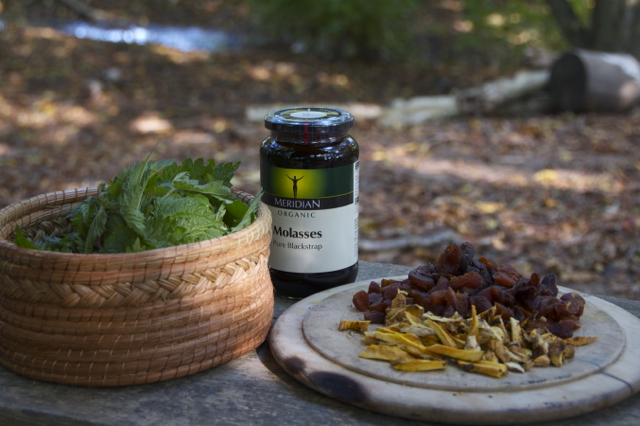
Ingredients for iron tonic.

Food and medicine from the Earth.

Posted in Autumn, Photos | 24 Comments »

It’s been a little while since I have shared a post here as the summer has been a busy one.
I am really excited to be running a wild plant craft workshop over the Autumn Equinox weekend with Anna Richardson who is an amazingly knowledgeable wild food and bushcraft teacher and beautiful plantswoman! We will be doing a foraging walk on the Saturday morning for those who wish to come but not commit to the full weekend.
It’s been a wonderfully sunny summer with abundant herbs and wildflowers in the garden, waysides and hedgerows and I wanted to share some photos with you before autumn takes too firm a grip.
We recently moved house and there is plenty of self heal, a particular favourite of mine, in the lawn of our new garden. A herb with many uses, both internal and external Culpepper described it thus, ‘whereby when you are hurt, you may heal yourself.’

Calendula is another firm favourite that is wonderful medicine both internally and externally, you can read more about it here.

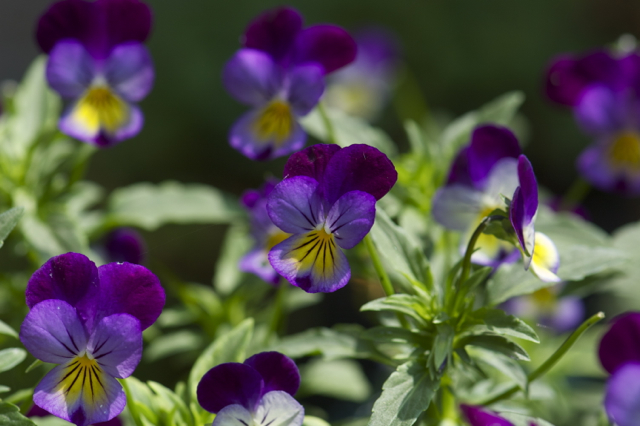
Yet another herb for inside and out is the beautiful heartsease, just looking at it does what it says on the box!

Mullein is an excellent tonic for the respiratory system among many other useful properties, too many to list here. It surely deserves a post of its own sometime soon.

Californian poppy is famed for its soothing properties and makes a lovely children’s herb also.


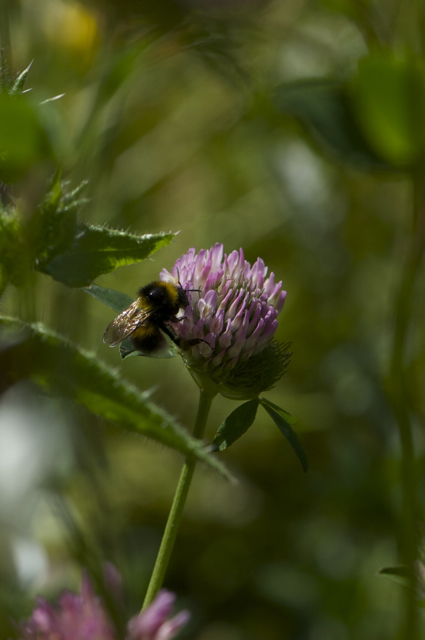
Bees and humans both enjoy red clover.
I love to see great swathes of meadowsweet growing in wild and abandoned places. I have written about some of its medicinal virtues here.


Queen of the Prairie is Meadowsweet’s American cousin and makes a beautiful garden addition.

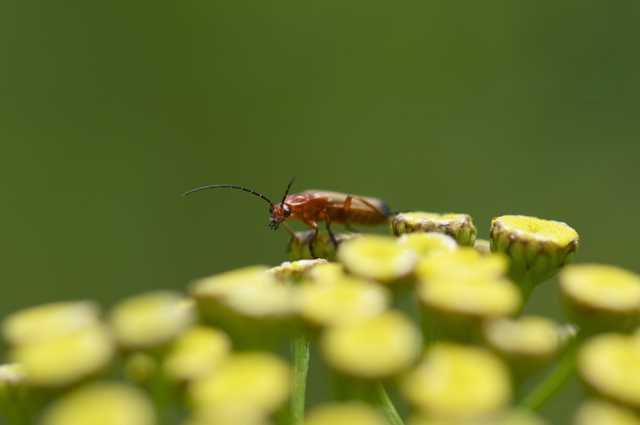
Soldier beetle on Tansy.
Lovely Evening Primrose.

Madame Mugwort, a fabulous aromatic and bitter herb which grows plentifully throughout most of the UK.

Yarrow, the many benefits of which are touched on here.

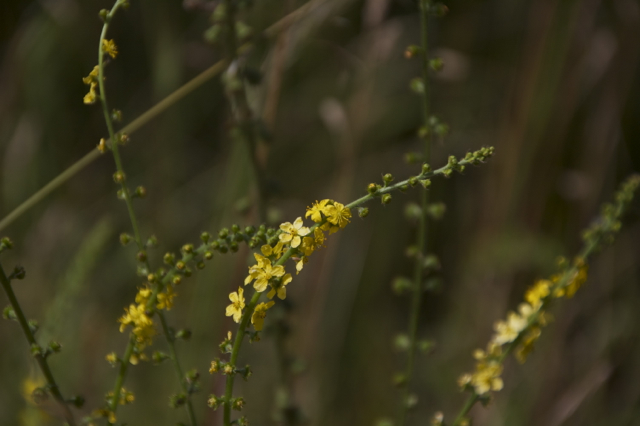
Agrimony is not only a useful herb but also one of the most beautiful wildflowers.
St John’s Wort, much loved by most herbalists and another very useful plant for both internal and external ailments.

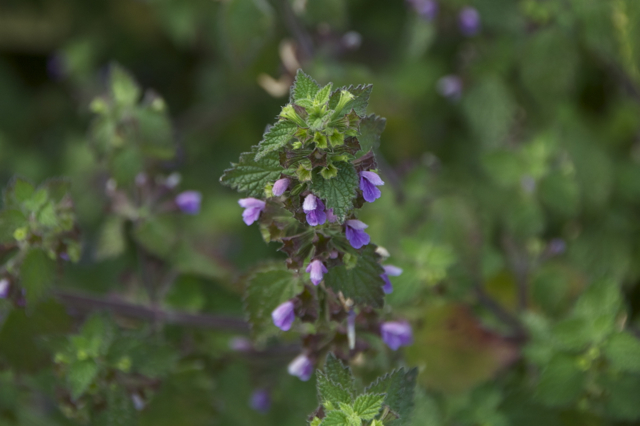
Black Horehound, Ballota nigra, is most often noted for its smell which many find disagreeable. I think it smells like the smokey bacon flavour crisps I remember from childhood! It is useful for quelling nausea and sickness, though if the smell and taste repulse you, it might not have the desired effect!
Nettle seeds, wonderful medicine and walker’s snack.

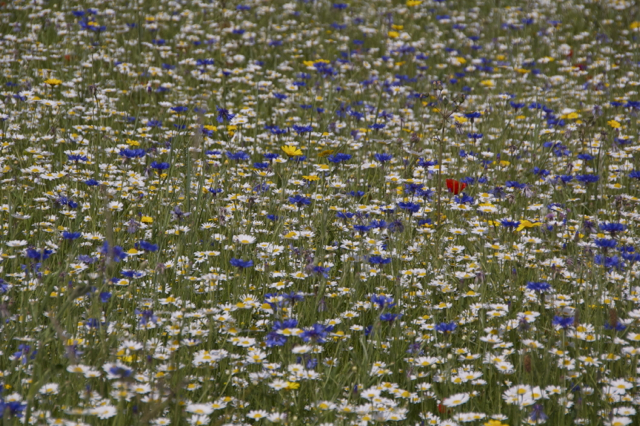
An abundance of wild flowers.


And finally the beautiful passion flower. A plant that always seems quite out of this world to me.


Posted in Photos, Wildflowers | 29 Comments »
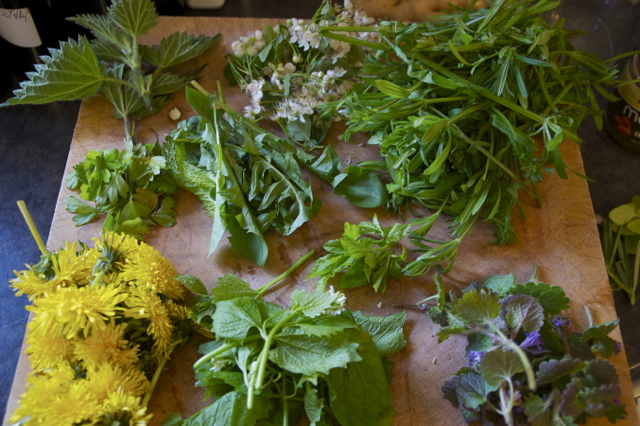
From top left clockwise: Nettle, hawthorn blossom, cleavers, ground elder, ground ivy, garlic mustard/jack by the hedge, dandelion flowers, hawthorn leaves, dandelion leaves.
One of the things I love most about spring is that it is probably the time when picking plentiful quantities of wild food is the easiest, at least in temperate northern zones such as the area in which I live. There are many edible wild spring greens in the hedgerows, woods and waysides and in no time at all you can have an abundant harvest for creating delicious and healthful meals and teas.
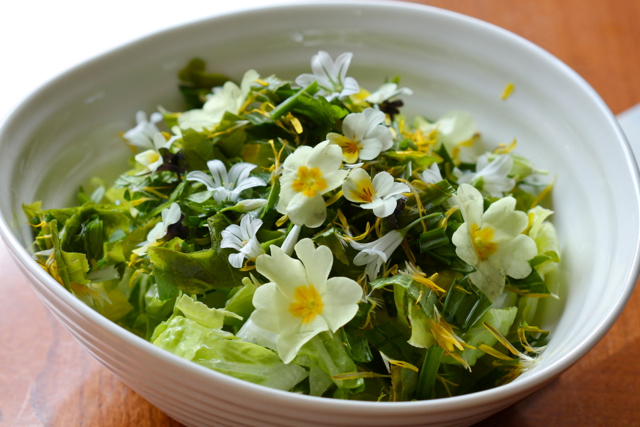
A mix of wild and cultivated salad leaves decorated with primrose, three cornered leek and heartsease flowers.
Eating even small quantities of wild foods regularly is one of the best things you can do for your health as they are so nutritionally dense, vibrant, seasonal and fresh. So many of the best wild foods are those we consider weeds, but when we look at the qualities of these plants, how tenacious and insuppressible they are, we can see that their strength and vitality surely makes for a more fortifying meal than those cultivated plants that have been shipped half way round the world and sat on supermarket shelves for days. I think weed is a derogatory term, the four letter word of the plant world, which I will henceforth refer to as w**d. I do however reserve the right to use it, along with other four letter words, in the presence of my arch-nemesis ground elder.

Young lime/ linden leaves
At this time of year we have a lovely mix of mild tasting moistening greens, like the young lime/linden and violet leaves, and more drying or pungent herbs like nettles, young yarrow leaves, jack-by-the hedge and the dead nettles. This makes for a perfect balance of nourishing and toning qualities to help build us up and get us into shape after winter.

My little forager picking lime leaves.
The three cornered leek or wild onion is one of the most delicious additions to spring salads, tasting something like a spring onion, and the flowers make beautiful decorative additions to any meal and are also edible. They are more common in the south west than the south east and I don’t find many growing near me but luckily it has spread all over my parent’s garden so I got to pick lots when visiting recently.
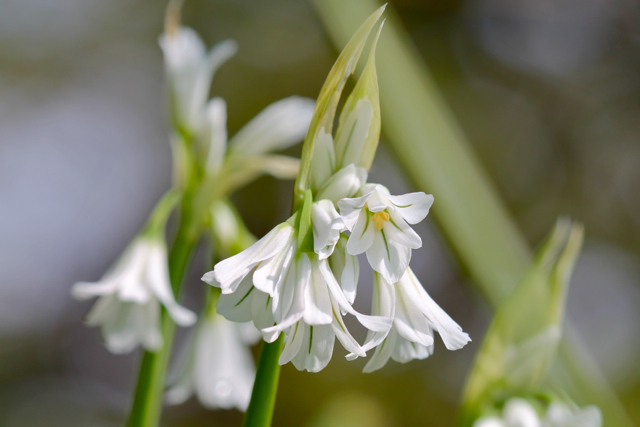
Three cornered leek


From a distance it looks a little like white bluebells or even snowdrops but can be easily differentiated close up by the shape of the flowers and the distinctive triangular stem, hence the common name of three cornered leek. Also the smell of onion is a give away. Do be sure of your identification as both snowdrop and bluebell bulbs are poisonous.

Wavy bittercress is a very common spring salad green which has delicious leaves and flowers and tastes much like normal cress.

Wavy bittercress
Lady’s smock, also known as cuckoo flower, is another edible mustard family plant with deliciously peppery leaves and flowers.
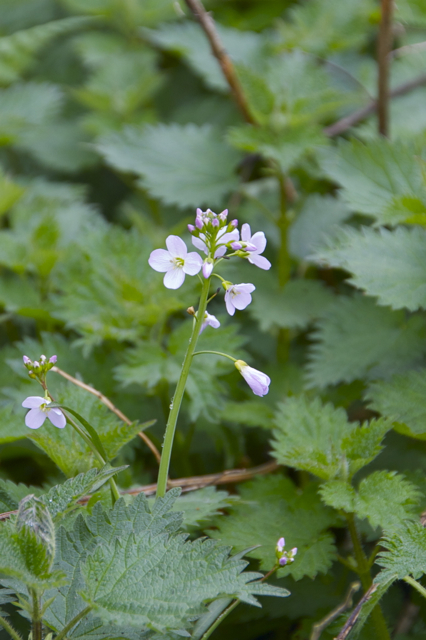
Lady’s smock
Jack by the hedge or garlic mustard is also in the mustard family or Brassicaceae. This family used to be known as the Cruciferae so if you have an older plant identification book you will find this name instead.
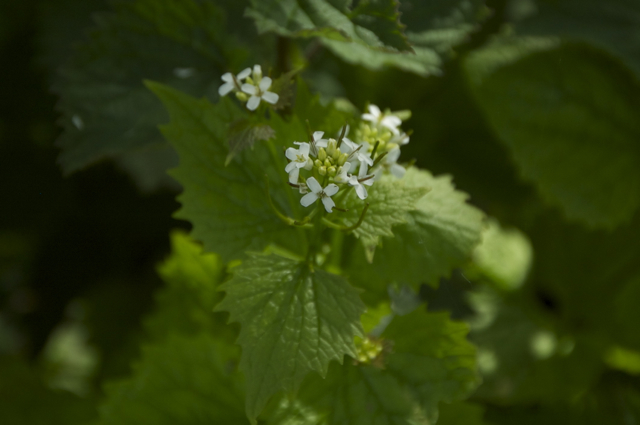
Jack by the hedge
Nettles are found in abundance at this time of year and are a true superfood for the blood. You can read more about them in a previous post here.
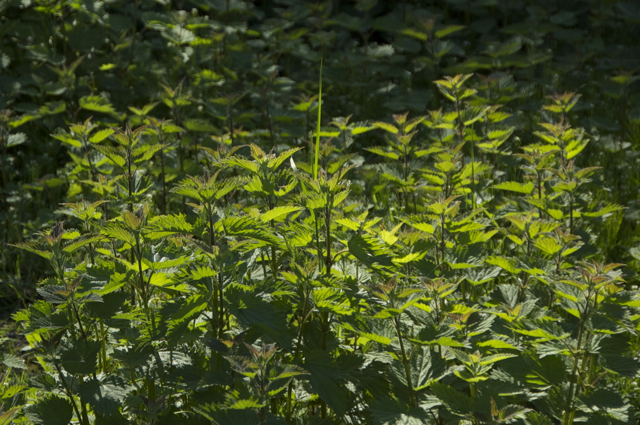
Nettles in the spring sunshine
Pick cleavers by the handful for use in cold infusions and juices, instructions for which can be found here.
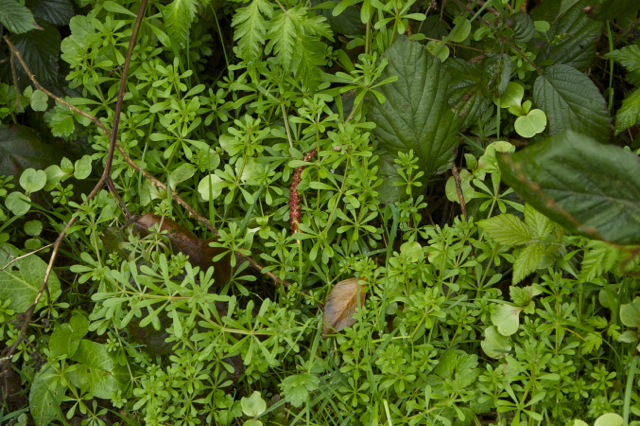
A tangle of cleavers
Wild garlic is one of the true delicacies of the season. If, like me, you love the fiery garlic taste then make it into a pesto by itself but if it is a bit too intense for your palette you can tone it down with nettles or shop bought herbs like basil. More about wild garlic can be found here.

Wild garlic pesto – pungent and powerful!
Do remember when picking wild greens to be absolutely 100% sure of your identification as some edibles have poisonous lookalikes. Also avoid the sides of paths where dogs are commonly walked and always, always pick with respect to the environment and don’t over harvest. Finally avoid the edges of fields unless you know the land to be organically managed.

At the back; cleavers cold infusion and hawthorn blossom tea. Centre; nettle pesto with jack by the hedge and ground elder. Front; wild green salad of hawthorn leaves, jack by the hedge, dandelion leaves, violet leaves and white dead nettle with nettle pesto and dandelion flowers on toast, nettle and ground elder soup.
Spring greens and flowers also make for wonderful teas.
Ground ivy has a pleasant but musky flavour which is nice in teas when mixed with something lighter like a little mint from the garden. It is great for stuffy sinuses that can go along with spring allergies.

Ground ivy
And the most wonderful spring tea of all in my opinion is hawthorn blossom, the very Queen of May herself. Read more about hawthorn blossom here.

Hawthorn blossom
I have also written a post on harvesting spring greens in this issue of the Mother magazine.
Wishing you all a joyous Beltane and a marvellous May Day!
Posted in Cleavers, Ground Ivy, Linden, Nettle, Photos, Primrose, Seasons, Spring, Wild Garlic, Wildcrafting | 24 Comments »
 Whilst discussing the importance of encouraging nature appreciation with an inspiring friend recently, she said something that has stayed with me since. “Beauty is a doorway.” This struck a cord with me, having learnt the hard way that people will not value the natural world just because others attempt to tell them of its importance. They must find their own way in, their own doorway, and what lovelier doorway is there than beauty?

Beauty is indeed a doorway to nature appreciation but also to presence, to stillness, to stopping for a moment in a busy day and feeling filled with awe for the living world.
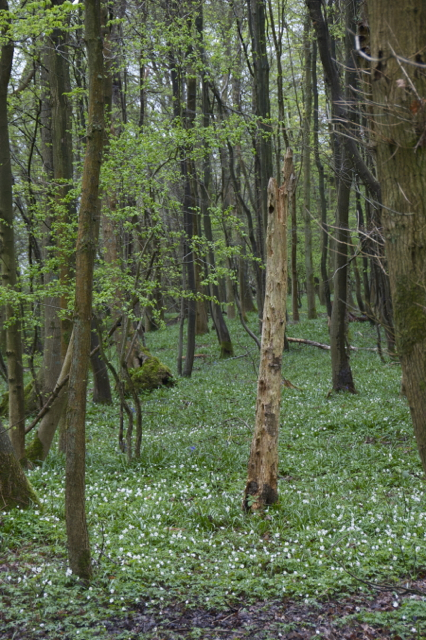
A doorway to connection, to sensing the resonance with other life forms inside our own being and realising, I am because this is.

A doorway to healing. To relaxing the body and mind and opening the heart. To peace.

The quest for beauty and harmony drives much of what we do and has led to increasing materialism as we seek to beautify ourselves, our homes, our wardrobes and our children with more and more things.
However beauty is not static and that is why nothing we buy can truly fill this need to see and appreciate beauty in the long term. It is by nature fleeting, changing, replaced by new and different forms of beauty. Even if the thing remains unchanged, the eye that beholds it will not.
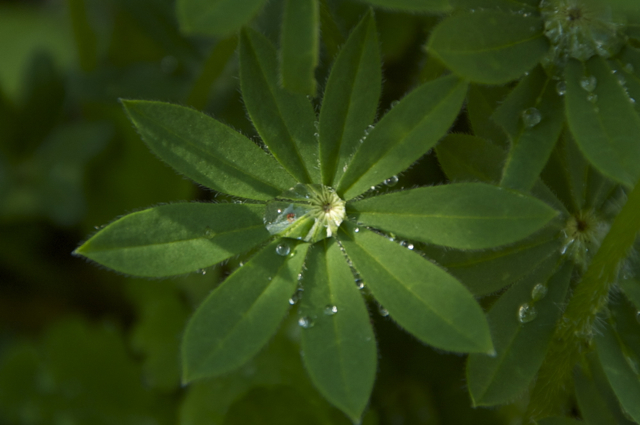
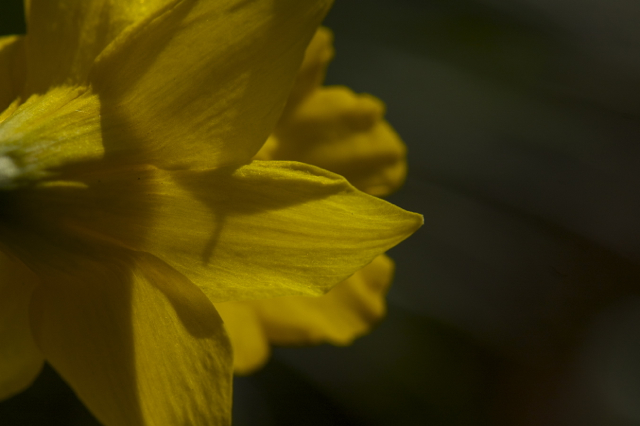
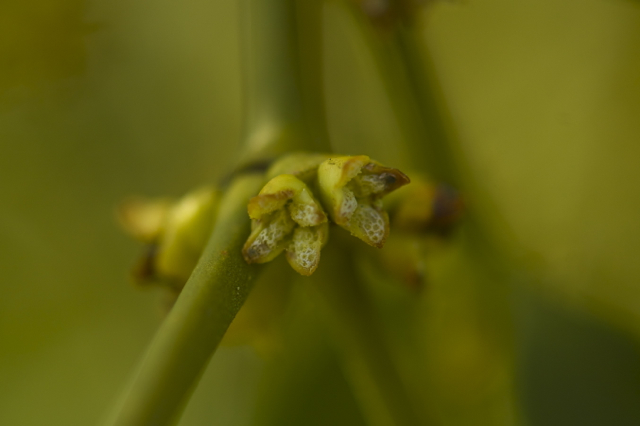
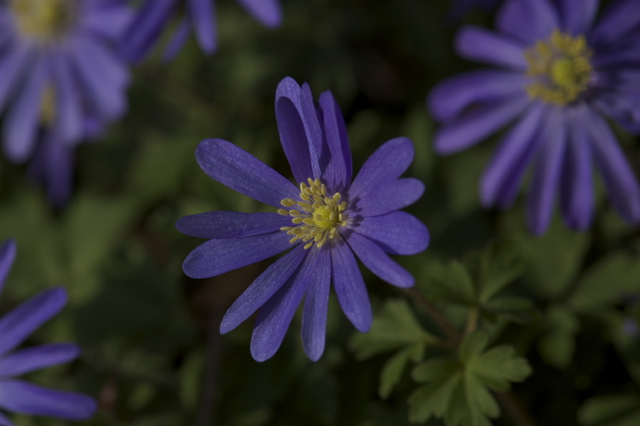
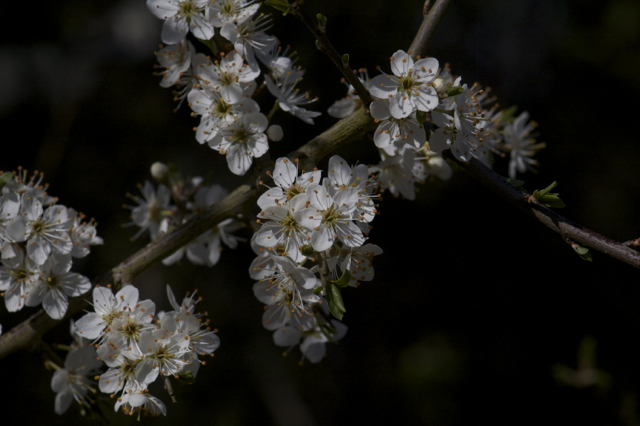
Spring is a time of great beauty but by its very nature it will not last for long.
Delve fully into its moment, the present moment and you will find beauty is also a doorway to the timeless awareness in which all things are beheld.








Posted in Photos, Seasons, Spring | 22 Comments »
 Whispering Earth