Feeds:
Posts
Comments

Come Fly With Me

Henbane.

Even the name conjures up a sense of the dark and the mysterious. This is one of the classic ‘witching’ herbs thought to be the principle ingredient in flying ointments and well known for its hallucinatory properties. It is said that it produces the sensation of flying, and those who take it, providing they survive the experience, remember nothing when they awake. Who knows where they go or what they see?

Henbane, Hyoscyamus niger, has always been associated with magic. The Greeks thought it sacred to Apollo and the art of divination, no doubt due to its mind altering effects. Its also been linked with death and the underworld as it grows well on graves and evidence of it has been found in Neolithic burial sites. In Greek mythology it was said that the dead in Hades wore wreaths of henbane.

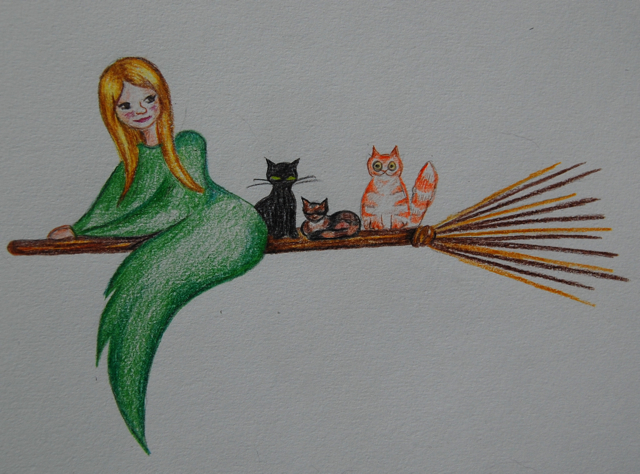
Henbane- The Witches’ Broomstick

The Egyptians called it ‘Sakran’, the Drunken, due to its intoxicating qualities. Dioscorides refers to a type of mead made with opium and henbane (surely enough to knock out the sturdiest of drinkers!) and it was used in Europe as an addition to brewing beer before being banned in 1516.

Part of the Solanaceae family, its relatives include the humble potato along with the decidedly less innocent deadly nightshade. Medicinally it has been used a sedative and antispasmodic due to the alkaloids hyoscamine and hyosine. Culpepper warns against its use internally but recommends it as an ointment, oil or poultice for gout or for toothache, when applied to the cheek.

It has a long history of use as a poison and is thought by some to be the herb used by Claudius to kill old Hamlet in Shakespeare’s play.

‘Upon my secure hour thy uncle stole,
With juice of cursed hebenon in a vial,
And in the porches of mine ear did pour
The leprous distillment.’

Mrs Grieves quotes an anonymous writer, who tells us, ‘If it be used either in sallet or in pottage, then doth it bring frenzie, and whoso useth more than four leaves shall be in danger to sleepe without waking.’

Henbane is not a ‘pretty’ plant, but there is a kind of beauty in its dusky, deep and purple veined flowers and its downy grey green leaves. It draws you in with its whispering and wonder and it speaks through a waking dream.

Although I don’t use it as a herbal medicine, I think it would make an interesting flower remedy, perhaps enhancing journeying or visions. I believe that in most cases plants like this are always best worked with in very subtle ways. Just sitting with henbane is enough to leave me feeling quite hypnotised and facilitate shifts in consciousness. Sit with it too long and I can start to feel decidedly sick!

What Mysteries Lie Within?

I was given a couple of henbane plants by a friend this year so don’t be too surprised if you see this above your rooftops anytime soon. šŸ˜‰

Fly With Me

Please note – This post is for interest only. On no account should henbane be experimented with internally as it is highly toxic.

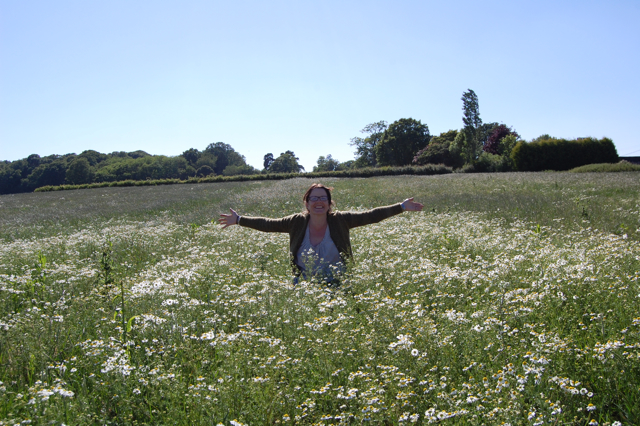
The Elysian fields, final resting place in Classical mythology for the virtuous and heroic, must surely be filled with chamomile. The hypnotic smell, the bright, joyful faces of the flowers, the gentle breeze and humming of insects, all combine to convince you that you have reached paradise.

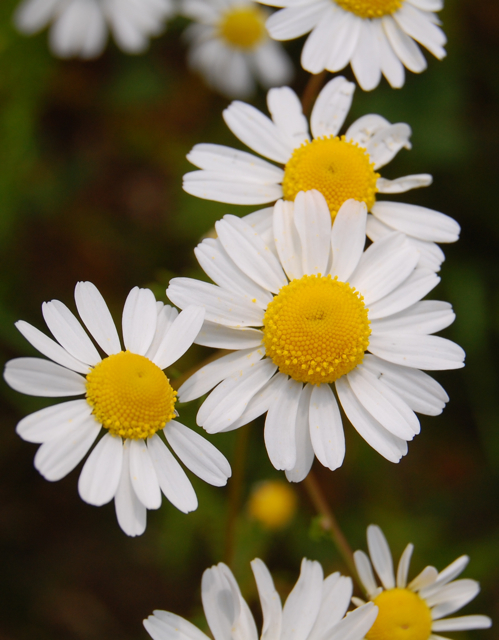
Many meetings with plants have the ability to transport you to a place of wonder but, for me, sitting in a field of german chamomile (Matricaria recutita) stretching as far as the eye can see, is one of the most enchanting of all.

Chamomile Field

A short while harvesting or relaxing in fields of chamomile is enough to wash away all the drudgery, all the dreariness, all the uncomfortable intensity of city life. I believe (at least during my more optimistic moments!) Ā that one day people will become attuned enough to the subtleties of their senses that healing and medicine will consist of just sitting amongst the plants, without having to ingest or apply them to get all the benefits they need. I feel this strongly when sitting with the chamomile, which is a favourite plant ally of mine, with its joy and unparalleled generosity beaming all around me.

Chamomile

Chamomile Celebration

I spent a lovely afternoon harvesting with my friend and brilliant herbalist Therri who was collecting enough chamomile to supply herself and various other herbalists she makes tinctures for. After gathering enough for litres and litres, we had hardly made a dent.

It wasn’t long before the bliss was too much to contain!

Hooray for Chamomile!

Yay!

After no time at all I had collected plenty for making up some goodies- enough tincture for my needs, a good quantity of infused oil, a little treat of infused honey and lots of flowers for drying.

Chamomile honey and tincture in vodka.

The tincture only needs about a week to infuse and, after straining it a couple of days ago, I can confirm it’s one of the best chamomile tinctures I’ve tasted. Flowers often need less time to infuse than thicker leaves, stems, woody parts or roots and even less when they are tinctured fresh.

Brigitte suggested a chamomile honey in her comment on my post on uses for dried chamomile a while ago. I’ve been hanging on for the fresh to make this as, though they can make the honey a bit runnier because of the moisture content, I often prefer the flavour of honeys infused with fresh herbs, at least where their use is appropriate.

For the oil I used an organic apricot kernel as it is particularly suited to sensitive skins. After a week’s sun infusion it has turned out beautifully, the smell is unbelievably strong and the colour has turned a deep green due to the anti-inflammatory component, azulene, which occurs in the volatile oil of the chamomile. I’ll be using this oil to make a soothing skin cream with calendula infused oil and a healing massage oil for nervous tension with linden and St. Johns wort infused oils.

Chamomile in Apricot Kernel oil, sun infusion.

I’ve dried enough to keep me going for the year and make up my favourite chamomile tea blends.

Drying Chamomile in the Dehydrator

Chamomile is useful for so many ailments and so many people can benefit from spending time with it. I’ll post a full monograph soon to outline some more of it’s traditional and modern uses.

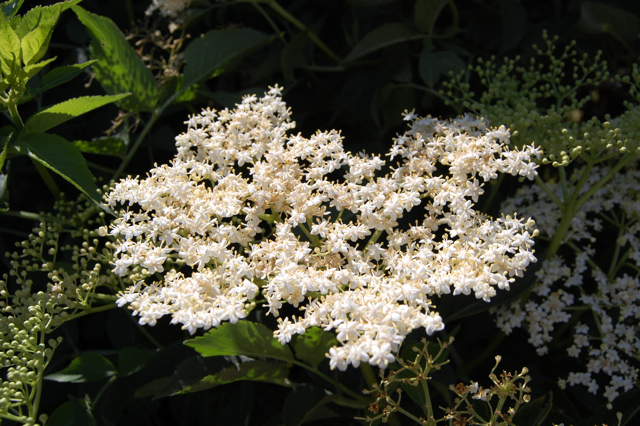
Elderflowers

The Elder tree has been held as sacred in various folkloric traditions, as has the Elder Mother who presides over it. Any lady whose age numbers in the thousands has learnt a thing or two about natural beauty and, luckily for us, the Elder Mother shares some of her secrets in the creamy white elderflowers that adorn her trees in May and June.Ā Elderflowers have long been used in skincare recipes for their softening, anti-inflammatory and beautifying properties and infusions have been used to even the skin tone, ease sunburn and prevent wrinkles.

I love elderflower infused oils for use in face and body care recipes so this year I decided to experiment with a few different base oils to see how they captured the fragrance and nourishing properties of the elderflowers. With the resulting products I made a face oil, a day cream and a body butter, the recipes for which are included here.

Along with my usual sweet almond oil infusion, I chose to try safflower oil and macadamia oil as well as a couple of solid oils- coconut and mango butter. Safflower oil is popular in cosmetics because it is high in essential fatty acids. Like sweet almond, it is a light oil with little odour so I thought it would work well for capturing the scent of the elderflowers. Macadamia is a rich, fatty oil that it particularly beneficial for dry or mature skins and has a deep nutty aroma. Coconut oil has a lovely light consistency which is perfect for cream making though its strong smell can detract from the elderflowers, so I also tried the mango butter which has a similar, though slightly creamier consistency, with hardly any smell. Coconut oil is considered cooling and elderflowers have been recommended for sunburn so I thought this would make a nice aftersun if blended with some aloe vera and lavender water.

It’s important to use only organic, cold pressed oils to retain all the therapeutic benefits and ensure there are no traces of harmful chemicals in your products and, of course, make sure you only harvest elderflowers from areas you’re sure haven’t been sprayed.

Fresh Elderflowers give up their scent and beautifying properties quite quickly and will go off if left to infuse too long. I chose to sun infuse my oils for about 10 hours on a bright windowsill which was plenty of time for them to absorb all the goodness without getting that ‘cat’s pee’ smell that can accompany over done elderflowers! With the coconut and mango butters I melted them in a bain marie before pouring them over the elderflowers and allowing to infuse for a day before re-warming and straining. You can use the heat method but the oils can quickly degrade at high temperatures so I prefer to sun infuse where appropriate. For a detailed explanation of how to infuse an oil see my previous post here.

Elderflower Oils

As elderflowers have very fine pollen I chose to strain the liquid oils through a coffee filter to ensure as much of the plant material as possible was removed and prolong the life of the finished oil. The melted butters went quite happily through a muslin cloth however. I was really happy with all the different infusions, especially the mango butter and safflower which, I thought, retained the best smell. The macadamia oil has a really decadent feel but would be too heavy to use alone so I decided to mix equal parts of the three liquid infused oils to make a delicious face oil. By mixing all three you get the benefits of them all with a really nice consistency. Don’t feel you have to use the same oils as me, feel free to use any that you fancy and you can also just use one rather than a combination for ease and practicality.

Elderflower Face Oil:
This recipe makes three 30ml bottles
30ml elderflower infused in safflower
30ml elderflower infused in sweet almond
30ml elderflower infused in macadamia
3ml vitamin E Oil

I use just 3 or 4 drops of this oil massaged into damp skin at night and it feels so soft in the morning.

I also made a face cream for use in the day.

Elderflower and Rose Moisturiser:
50 ml rosewater
25ml aloe vera gel
1/2 tbsp vegetable glycerine
10g beeswax
50ml elderflower infused oil (I did 20 safflower, 20 almond and 10 macadamia)
20ml elderflower infused mango butter (or coconut butter. Use plain if you have none infused)
5ml Vitamin E
5 drops Vitamin A
10 drops Rose Otto essential oil

This makes a really lovely, rich cream so a little goes a long way. Melt the beeswax in a bain marie and add the mango butter and oil when it’s already soft.

In a separate container, mix the aloe vera, rosewater and vegetable glycerine.

Take the oils off the heat and allow to cool slightly before adding the vitamins A and E.

I use a small hand blender to mix them as I’m not making a large enough quantity to use my big blender. You could also use an electric or hand whisk. Begin to blend/ whisk the oil mixture and slowly add in the waters, a drizzle at a time. Continue to blend until you have a nice smooth, even, creamy consistency. Spoon into a jar or jars and stir in the essential oils. Allow to cool completely before putting in the fridge as this will help prevent it separating.

This recipe doesn’t contain a preservative but it you want it to last longer than a month or so you will need to add one.

I have a much more detailed description of cream making here.

Also a description of ingredients including preservatives here.

Elderflower Softening Cream

I’m currently making a toner to go with this by infusing elderflowers in witch hazel distillate. For normal or combination skin mix 25ml of the resulting liquid with 75ml of rosewater and place in a spray bottle to spritz on after cleansing or to refresh the skin throughout the day. For dry skin, drop the witch hazel to 10ml and up the rosewater to 90ml and for oily skin you can increase the witch hazel to 40ml and use 60ml of lavender water instead of rose.

Finally I made a really simple body butter with the following ingredients;
60 ml elderflower infused in sweet almond
30ml elderflower infused mango butter
30ml shea butter
Melt all the ingredients together in a bain marie/ double boiler, mix well and pour into a 120ml jar. Allow to set in the fridge before using liberally.

Do patch tests first to ensure you aren’t sensitive to any of the ingredients in these recipes.

And last but not least, don’t forget to thank the Elder Mother! šŸ˜‰

This month I am hosting the UK Herbarium’s blog party with the topic of Leaf and Blossom, Bark and Berry: My Favourite Tree Medicines. It’s always such a pleasure reading different people’s take on the same theme and this month is no exception!

Brigitte has written a lovely post all about her favourite trees and the medicines that can be made from them. What is particularly great about this post is how she describes her love of both the trees of her native Europe and those of her new home in New Zealand. She includes some lovely pictures and links to lots of great information on Hawthorn, Pine, Oak, Ash, Walnut and Apple as well as her newer friends, Eucalyptus and Manuka. Click here to be spoiled for choice! Also, if you haven’t looked at Brigitte’s Wiki yet I highly recommend you do so as it is literally jam packed with interesting information and recipes.

Lusach has written a wonderfully mouthwatering piece on Hawthorn berries which will leave you rushing to the store cupboard, or the hedgerow if you’re in New Zealand, to gather some berries for a decoction without further ado. She shares great tips on making a lovely brew that is full of goodness without being too bitter as well as sharing her experience and photos of harvesting and drying the berries. Along with the reasons why she loves this ubiquitous, yet precious, medicinal tree, she speaks of it’s importance in these transitional times which is very interesting. Click here for a Hawthorn inspired delight.

You can see my own post on the relaxing and healing properties of Linden blossom below.

I hope you enjoy reading these posts and are reminded of the unlimited gifts that trees give us every day.

Blessing for a happy solstice!

Wondering reverence amongst the Pines

Trees have captured our imaginations since people first walked amongst them. Possibly even before. There has never been a time when our lives did not depend on the majesty of these great beings, whether for food, shelter, fuel or medicine. As the daughter of a forester I suppose it was inevitable that my chosen path would in some way come full circle and include a special place for trees. I am so grateful for the healing provided by them, there always seems an extra special something in a blend of herbs when it contains some tree medicine!

I think trees function as nervines simply by their virtue of being. In my experience, nothing is a greater tonic to the nerves than a walk in nature, wandering through aged boughs and young saplings and feeling your gaze flooded with a thousand shades of green. The nervous system, down to the neurones themselves, bears a striking resemblance to trees, with their myriad branches and roots stretching out and connecting, sending messages and forming an incredible network, the like of which we have barely begun to understand.
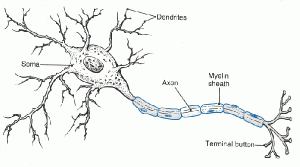
A Neuron

Having said that, within herbal medicine, not many trees are considered nervines. The blossoms of Hawthorn have been described as such, Peach and Rose make great cooling remedies for the nervous system and then there’s the lovely Linden, one of my favourite trees that is also one of my favourite nervines. Linden, also known as Lime Tree (though no relation to the fruit!) is one of the herbalists greatest allies for soothing stress, tension and nervous excitation. The name comes from an Anglo Saxon root, though ‘Linden’ was originally an adjective, meaning ‘made of Lime wood’. In German, the verb ‘lindern’ means to alleviate, ease or soothe.

In various European cultures it has been associated with the divine feminine, being sacred to Freya and Frigga, Goddesses of love, fertility, domesticity and divination.

Limes are an ancient species, there is a small leaved lime in Westonbirt Arboretum that is at least 2,000 years old. Limes and elms were once the commonest trees in Britain, flourishing around 6,000 years ago, during the warm Atlantic period. These would have been our native species, Tilia cordata, or small leaved lime, and Tilia platyphyllos, the broad leaved lime. Both of these are now fairly rare, especially the broad leaved, and the lime trees common in parks and lining avenues are the common limesĀ Tilia x europaea orĀ Tilia x vulgaris.

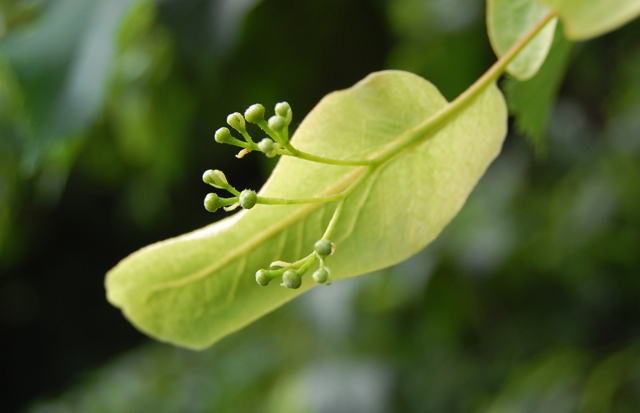
A Common Lime – just before flowering.

I was hoping the Limes would be in flower by now but everything is a bit late this year. I’m waiting on them blooming any day though! I was planning to share a few more of my recipes but I’ll do an update with some ideas for using the blossoms as soon as they are ready for picking. I’ll be doing some tincture, infused oil, a flower remedy (weather permitting!) and an elixir so do check back in a week or two for some medicine making ideas. Linden is one of the last trees to flower and the blooms are only fresh for about a week so everything has to be dropped as soon as the blossoms open and the bees start buzzing. Bees are the best guides to finding a Linden in flower as they can be heard making merry with the pollen, one of their favourites, from quite some distance. There is an altogether musical quality about this tree and it’s wood was a common choice for making instruments such as guitars and recorders due to its fine acoustics.

If the elder is a venerable and wise old grandmother then the linden is a kind and gentle mother, softly singing her child to sleep. You always feel cared for with a cup of linden tea in your hand. Due to it’s gentle nature and sweet honey like taste, Linden makes a lovely children’s remedy taken as a tea, with a little honey if required. It can soothe irritability in children and adults alike and makes a lovely footbath to aid a restful night’s sleep. In Peter Conway’s interesting book “Tree Medicine’, he writes. ‘If you are stressed, tense or overworked, you need limeflowers.’ Well thats most of us then! It is also highly beneficial to constitutionally nervous types whose anxiety goes to their digestion.

It’s list of actions include antidepressant, antispasmodic, demulcent, diaphoretic, expectorant, hypotensive, nervine, sedative and stomachic and as such, it’s is good for more then just stress.

Linden branch – note the heart shaped leaves.

It’s been traditionally used as a heart tonic, helping to reduce cholesterol and high blood pressure, especially if the cause is anxiety driven. It does this in part by relaxing the circulation. If you try clenching your fists hard you’ll notice the skin in your palm going white where the blood has been unable to flow before turning red as the blood rushes back in. Now imagine being in a constant state of anxiety, it creates constriction which results in shallow breathing, reduced circulation and eventually dryness where the blood has been unable to adequately nourish the skin. Linden effectively treats all these conditions, by relaxing the nervous system and the circulation and soothing dryness and inflammation with its high mucilage content. In this way we can see its energy as being expansive in opening up the channels of the body to allow relaxation and flow.

It’s also a valuable medicine for the immune system being regularly drunk as a hot tea in France for colds, flus and fevers. As a diaphoretic it helps the body produce sweat which can lower a high temperature and rid the body of infection. Its anti-inflammatory and expectorant properties make it useful in respiratory conditions where it helps remove phlegm, soothe irritated passages and boost the immune system.

Interestingly, some describe it as energetically coolingĀ and others as warming and we can see both of these qualities if we consider its ability to stimulate and move (qualities traditionally thought of as warming) as well as it’s use in cooling the body by encouraging sweating and calming anxiety.
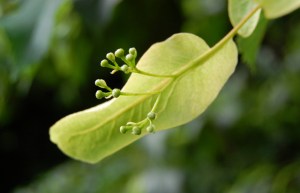
The bracts and almost opening blossom, both of which are used medicinally.

There are also a variety of external uses for lime blossom, as the high mucilage content helps to soothe irritation and inflammation when used an an infusion for compresses or baths or as an infused oil. It is also a valuable herb for beauty as it is high in antioxidants, helps to regenerate the skin and and is thought to help clear acne when used in facial washes. This year I plan to make a nourishing and softening blend of linden and elderflower infused oils to make into face creams. Lovely.

Linden shines as a tea, having such a palatable taste that there are few who will dislike it. I included my ‘Hug in a Mug’ recipe in my recent post on rose which contains linden blossom, rose and avena, but often I just make a simple linden blossom tea and float a few rose buds on top which gives it a beautiful flavour as well as aesthetic appeal. To enhance the diaphoretic effect it is lovely taken with elderflower at the onset of a cold or flu and can be combined with hawthorn to emphasise it’s ability to lower blood pressure and protect the heart. In very large doses it can cause nausea and may be damaging so stick to 3 or 4 cups a day long term or take larger doses for a short period only.

Linden and Rose Bud Tea

The Linden is truly a gift of healing and wonder. It is strong and ancient yet also elegant and and it teaches us lightness, grace and a subtle kind of merriment. I’m excited for the first blooms which should appear very soon and will be reporting on the harvest and the medicine making as and when it happens.

A Lullaby of Linden:
I would like to sit with you
In a silence
Punctuated only by song,
Strange and sweet
And whispering of stars that fell an age ago.
Stillness and lullaby are my gifts to you.
My honied words, a subtle kindness
That tells you, ‘Dear one, stop,
You are held, you are loved.’
I’ve seen your life in a blink of my own
But to me you are unique in whichever form you appear today.
My song is your medicine.
Stillness and lullaby are my gifts to you.

References:
Picture of a neuron available at http://www.sullenriot.com/media/images/article-images/neuron.gif
Tree Medicine – Peter Conway
The Desktop Guide to Herbal Medicine – Brigitte Mars
Hedgerow Medicine – Julie Bruton-Seal and Matthew Seal
The Living Wisdom of Trees – Fred Hageneder
Flora Britannica – Richard Mabey
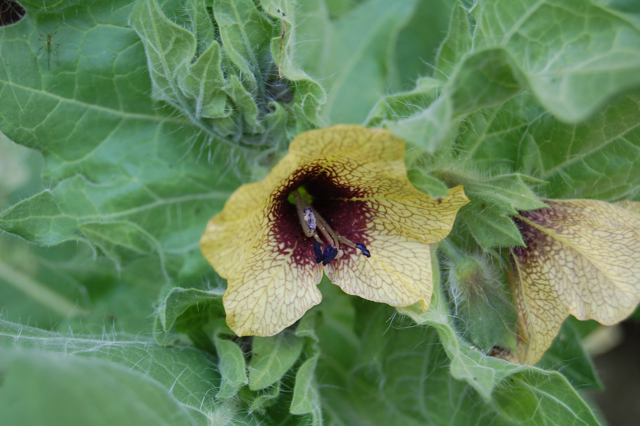
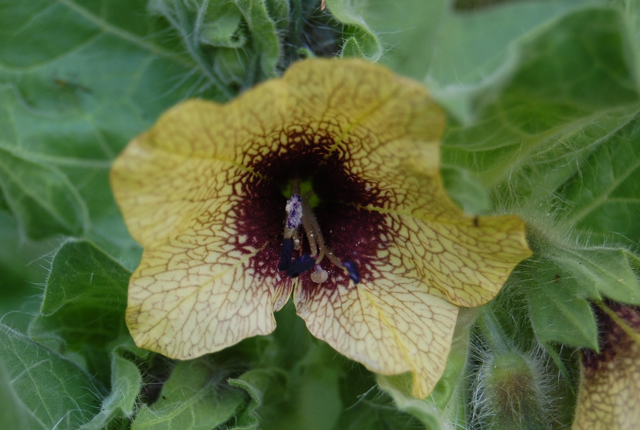
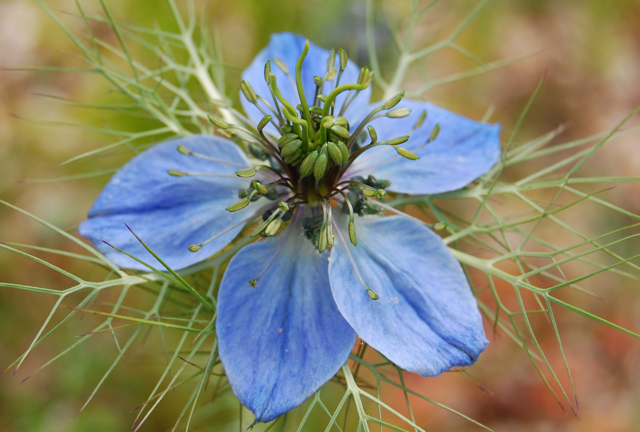
Love-in-a-mist – A favourite flower of mine which makes a beautiful essence.

Flower essences are a subtle form of energetic medicine that work as a remarkable catalyst for healing the body and mind by addressing underlying emotional and spiritual imbalances which are thought to be the cause of poor health. They are a wonderful tool for self-exploration and can facilitate great shifts in understanding.

The unique qualities of the flowering part of the plant are captured in the remedy and stored in a base of water and brandy. Suitable remedies are then selected according to the individual’s needs and a blend is made up which is usually taken orally, though the essences may also be combined in a spray, massage oil or other medium.

The first flower remedies were developed by the famous English Medical Doctor and Homeopath, Dr Edward Bach, though there are historical records of similar substances being used in Ancient Greece by Hippocrates, the father of modern medicine, and the 16th Century physician Paracelsus who was said to collect the dew from certain flowers to treat his patients. Dr Bach wanted to create a healing system that was simple to use and could enable people to treat themselves and their families and even make their own remedies.Ā Dr Bach said ā€œThe whole principle of healing by this method is so simple it can be understood by almost everyone and even the very herbs themselves can be gathered and prepared by any who take delight in such.ā€

Morning Dew on Petals

Love, respect and gratitude are the most important things when making a flower remedy. We are co-creating with nature in a beautiful process which can result in profound healing and understanding.

What you will need to make a sun infused essence:

ā˜… Fresh pure water
ā˜… An unmarked glass bowl (If you are only making remedies for family and friends this can be very small to avoid using too many flowers)
ā˜… A dark glass storage bottle
ā˜… Organic brandy or vodka
ā˜… Your chosen flowers
ā˜… Three hours of clear morning sunshine
ā˜… Unbleached coffee filter papers or cheesecloth for straining

I generally recommend working with only one flower at a time when making essences, whichever one calls to you. Try to be intuitive rather than rational in this. Spend some time sitting and connecting with your chosen flower, getting a sense of how and where it affects you. Do you feel a physical sensation? Does it make you feel calmer, lighter, more joyful? Does it bring up certain memories or associations? If these are painful, it may be the that the purpose of finished remedy is to help you address them.

Itʼs ideal to use pure water from a local source, though filtered or bottled water will work if this isnʼt available.

Its best to start early and have all the flowers picked by 9 oʼ clock to ensure at least 3 hours of uninterrupted sunlight before midday. This is because the sunʼs energy is said to become less energising after 12pm.

Rinse your hands in clean water then place the bowl next to the flowers you are working with so that it gets full sun. Fill the bowl with the spring water

Pick enough flowers to fill the bowl, touching them as little as possible. If you plan to use the remedy for others, it can be good to use new tweezers or small scissors to cut them and avoid touching them at all. Gently lie the flowers on the top of the water until the surface is covered and leave in full sun for 3-4 hours or until the flowers begin to fade, if this is sooner. Spend some time sitting with the flowers or drawing them and giving thanks whilst they are infusing.

Red Clover Essence

When the time has passed, remove the flowers using a stalk or leaf of the same plant, being careful not to touch the water. Unless the remaining water is completely clear, its best to strain through a coffee filter or cheesecloth to ensure no plant matter is left behind.

Half fill your dark glass bottle with the flower essence water and top the other half up with brandy (40% proof is advised to prolong the shelf life). This is your mother tincture, label it with the date and the name of the flower.

After tasting a little, return any remaining essence water to the earth around the flowers youʼve been working with. Give thanks in the ways that seem most appropriate to you.

To make a stock bottle from your mother tincture, fill a 30ml dropper bottle 3/4 with brandy and 1/4 with spring water, then add three drops of the mother tincture. This will last a long time and enable you to make lots of dosage bottles. If you want to take this remedy alone you can do so from the stock bottle but if you wish to combine a few different remedies than you dilute further to make a dosage bottle.

To make the dosage bottle just add 2 or 3 drops of each of the stock bottles of your chosen remedies to another 30ml dropper bottle of 1/4 brandy and 3/4 spring water. As youʼll be using this quite quickly it does not need as much brandy to preserve it.

Place 4 drops of this under your tongue or sip in a glass of water 4 times a day or as often as you feel the need. You canʼt overdose on flower remedies, though more frequent, rather than larger, doses are much more effective.

And finally, sit back and enjoy the magic! šŸ™‚

Dahlia in Sunlight

Horsetail, Equisetum spp., is truly a wonder from another age.Ā The Equisetum family are known as a ‘living fossils’ as they are the only living examples of the Equisetopsida class which formed the major part of the understory of the great Paleozoic forests. These covered the land for over 100 million years, roughly 542 to 541 million years ago, a time which saw the first large reptiles and an explosion in marine life. Now Equisetum arvense usually grows between 20-40 cm high, but at that time, its relatives grew up to 30 metres tall, giant green skeletons which stroked the heavens with their feathery branches. This era ended with the Permian- Triassic extinction event, or the Great Dying as it has become known, the largest mass extinction in the history of the Earth. It took the Earth 30 million years to recover. Horsetail however endured and, as a result, holds in its dreaming more than we humans, as relatively new species on Earth, can possibly imagine. Ā Fossil records show that Horsetails made up a large part of the coal forest swamps and are therefore powering much of our current lifestyle.

Horsetail Fossil

Fossil showing stem and leaves

There are a variety of species including Marsh, Water, Great and Wood Horsetails, several of which have been used for medicine, though the most commonly used is Field Horsetail, Equisetum arvense, as the others are thought to be more toxic. Even Field Horsetail can cause problems to livestock if they eat a large amount as it contains an enzyme which depletes thiamin (Vitamin B1) levels. This enzyme is deactivated by heat though so teas or decoctions will be safe long term for humans and animals alike. It’s best avoided in pregnancy however as it contains high levels of selenium. Horsetail is a gymnosperm, or non-flowering plant, which spreads through spores released by fertile stems. These grow up in spring to be replaced later in the season by the distinctive, segmented sterile stalks which are used in medicine. Horsetail thrives in damp soils so its no wonder that it’s made such a happy home here in the UK!

Field Horsetail growing at the edge of uncultivated land.

Uses: Horsetail is a wonderful example of the doctrine of signatures as its skeletal structure and jointed segments indicate one of its primary uses in strengthening and healing joints, bones and connective tissue. Matthew Wood writes, “If you pick the young plant and break the seal between the joints, there is still an elastic material within the joint that holds it together. As you roll the joint between your fingers, you will notice that it flexes much like one would want the knee or any joint to flex when bending. The idea of cartilage is immediately presented to the mind.” Ā Famed for its high silica content it not only helps the musculoskeletal system but strengthens weak nails and hair when used either externally or internally as well as arteries and veins. This is also reflected in the strong stems which could be seen to relate to the various channels of the body.

It is also commonly used in conditions of the bladder including chronic cystitis, benign prostate enlargement, incontinence and enuresis (bedwetting) as it strengthens the connective tissue of the bladder and has astringent properties. As a kidney tonic, antiseptic, anti-inflammatory and antibacterial it is greatly beneficial for the whole urinary system and can be a helpful diuretic, reducing oedema and swelling.

The astringent and healing properties also make it a great wound herb when used externally as a compress or poultice.

Interestingly, Wood also uses Horsetail for any of the indications for which homeopathic Silica is recommended which can include nervousness with fidgeting, hair pulling, nail biting and sensitivity to cold with a lack of vital heat and poor peripheral circulation.

Sterile Stalks of Horsetail

Methods of Preparation:

Tea – A tea from horsetail can be made by infusion (steeping in hot water) or decoction (simmering gently in a pan of water for about 15 mins). The decoction is preferred for its healing properties but an infusion is helpful as a gentle long term remedy for strengthening hair and nails. The silica in horsetail is water soluble so these are ideal preparations to be taken internally or used externally by adding to the bath, using as a compress or a strengthening hair rinse or nail soak. A tea made with Oatstraw is nice for supporting bone health, taken with St John’s Wort it may help in cases of bedwetting and with Yarrow, Couch Grass and Marshmallow it can help sooth cystitis.

Vinegar – This can be made by steeping Horsetail herb in apple cider vinegar for a month to six weeks, straining, then enjoying added to salads, diluted in water for compresses or added to the bath water – about 1/2 a cup. Vinegar is a particularly useful method for extracting minerals from a wide variety of herbs.

Tincture – Particularly helpful for urinary tract problems as well as general healing, I make mine in Vodka as the higher water content enables more of the minerals to be extracted.

Poultice – Maria Treben recommends lightly steaming the stems before wrapping in linen and lying on the affected part of the body, keeping warm with a hot water bottle and repeating as necessary.

Essence – An essence of horsetail is thought to be beneficial for communication, helping us connect with different levels of our being and with each other.

Dried Horsetail Stalks, Horsetail Vinegar (left) and Tincture (right).

I find Horsetail a fascinating and enchanting plant. It whispers of another age when it was as mighty as the great dinosaurs with which it shared the land and reminds us of the immense history of our home, the inevitability of change and the responsibility we now have as its caretakers.

Now I don’t know about you, but one thing I remain unconvinced of it’s similarity to a horse’s tail. I think it bears a much closer resemblance to a cat’s tail, especially a raggedy, yet beautiful, old tortoiseshell’s tail like this one. What do you think?

A striking resemblance? You decide.

References:

Fossil Photos courtesy ofĀ Louisville Fossils and Fossil Mall, all other photos Lucinda Warner 2010
Hedgerow Medicine – Julie Bruton-Seal and Matthew Seal
The Book of Herbal Wisdom – Matthew Wood
Flora Britannica – Richard Mabey
Health through God’s Pharmacy – Maria Treben
The Desktop Guide to Herbal Medicine – Brigitte Mars

A Herbal Day Out

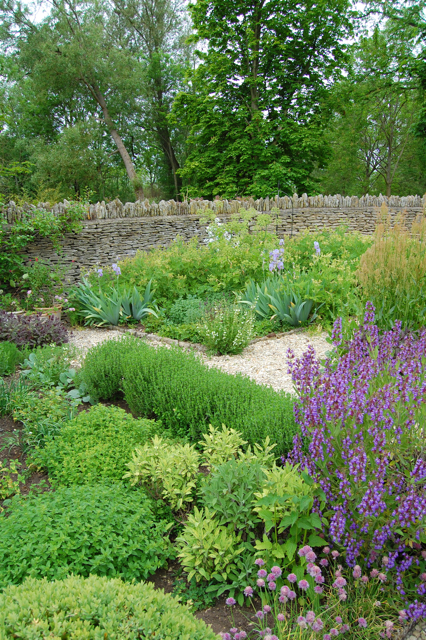
I spent a lovely day at the beginning of the week at Hann’s Herbs Cookery School with my Mum and Sister who are both enthusiastic cooks. It was fun to spend a day looking at herbs from a completely different perspective to the medicinal and it gave me some good ideas for spicing (or rather herbing) up lots of my current recipes. Judith Hann is a passionate cook and herb gardener and soon to be president of The Herb Society. The course is held in a beautiful converted barn on her 40 acre farm in the Cotswolds and part of the time is spent looking round her wonderful walled herb gardens.

Beautiful Herb Gardens

Many herbs have both medicinal and culinary uses, though the course only looks at the later, so it got me thinking more about a particular interest of mine- incorporating more of our medicines into delicious foods. This can serve as both prevention and cure, something that is considered much more in the Eastern traditions of Ayurveda and Chinese Medicine than it is here in the West. Many of the recipes were heavy on the meat, cheese, butter and cream which, as a long term strict vegetarian, do not feature in my kitchen, but they were simple enough to adapt to herbal hemp creams, nut cheeses and vegan pestos. I’ll post some of my variations as I make them. My Mum and Sis are both baking queens so the ideas for cakes infused with scented Geraniums and Lemon Verbena got them very excited!
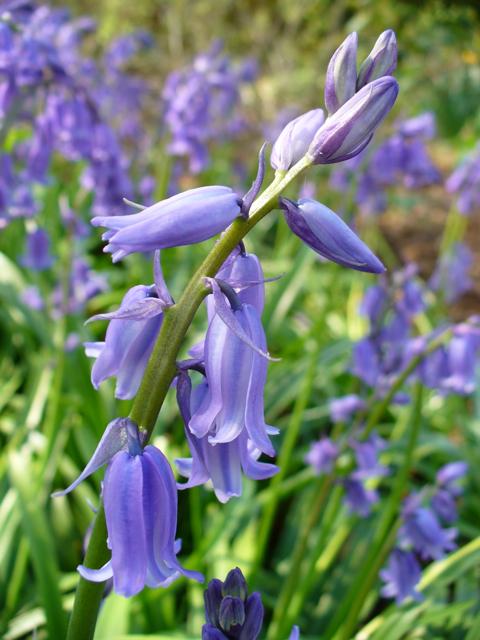
Lovage

Judith spoke a lot about her favourite herb, Lovage, which beyond a simple lentil and Lovage soup, hasn’t played a big part in my meals. I feel quite inspired to be a bit more creative with it now as I have some growing in a large pot on my patio. Medicinally it is an aromatic, so you can eat Lovage or take a pleasant tasting tea to calm the stomach and Mrs Grieve’s states that it can sooth colic and flatulence in children.

Sweet Cicely

Sweet Cicely was another herb I’ve been inspired to experiment with. Having a delicious sweet aniseed flavour it can be used in puddings or savoury dishes and is said to be nice cooked with tart fruits instead of sugar.

I particularly enjoyed looking round the gardens which are abundant and beautifully planned and perfect for attracting a variety of wildlife.

Mini Moth on Variegated Lemon Balm

Emerald Beetle on Apple Mint

Judith runs three different seasonal cookery courses throughout the year, details of which can be found here, and part of the money for each goes to Leukaemia Research.

Seeds of Being

I went home recently to visit my parents. During our regular garden tour, as we were busy admiring all the beautiful things my Dad has planted, he pointed to a patch of bluebells and asked, ā€œdo you remember those?ā€

I had to confess I didn’t and and he explained that I’d planted a few bulbs there when I was a small child. Now, over two decades later, there’s a wonderful patch of bluebells.

This for me was a great analogy for the way our minds work. Mostly we’re not even aware of the seeds we’re planting in our consciousness, or what will ripen as a result but, sooner or later, something is bound to grow.

In the fifth century the Buddhist Master Vasubandhu wrote;

Mind is a field in which every kind of seed is sown…
In us are infinite variety of seeds,
Seeds of samsara, nirvana, delusion and enlightenment,
Seeds of suffering and happiness,
Seeds of perceptions, names and words.

If we have the opportunity to develop a spiritual practice (be it meditation, prayer or gardening), Ā listen to teachings or read inspiring words, it’s like filling our minds with positive seeds that will eventually multiply and create more positive mental states. The same is true of compassion, love and peacefulness. We may not feel them now but by holding intentions and planting positive seeds we are laying the foundations for the future. This is an incredible opportunity for transformation.

Every day we have the opportunity to choose what we plant in our minds. Who knows when the seeds will eventually ripen or how far they will spread. Much of our popular culture and the way the news is reported sows seeds of fear, greed, aggression, ego-centrism and paranoia.

As the Buddha said, ā€œWith our thoughts we make the worldā€. This is echoed once more by Vasubandhu when he writes;

The quality of our life
depends on the quality
of the seeds
that lie deep in our consciousness.

What kind of world do you want to plant?

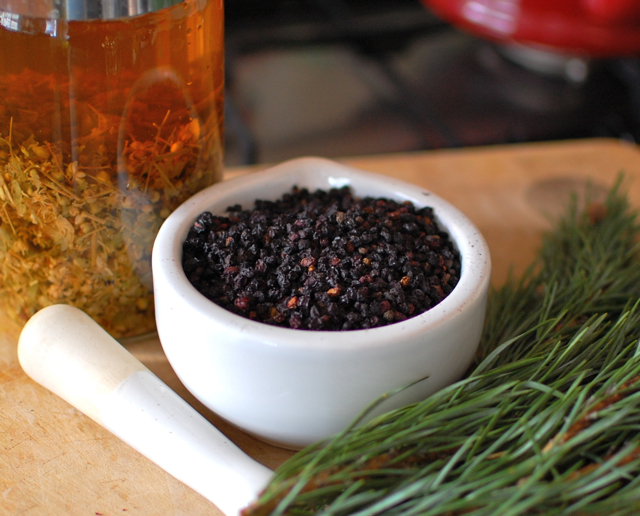
Tree Remedies- Linden Infusion, Elderberries and Pine Needles

This month I’ll be hosting my first blog party for the UK Herbarium bloggers and anyone else who fancies joining in. I’ve chosen the topic ‘Leaf and Blossom, Bark and Berry: My Favourite Tree Medicines’.

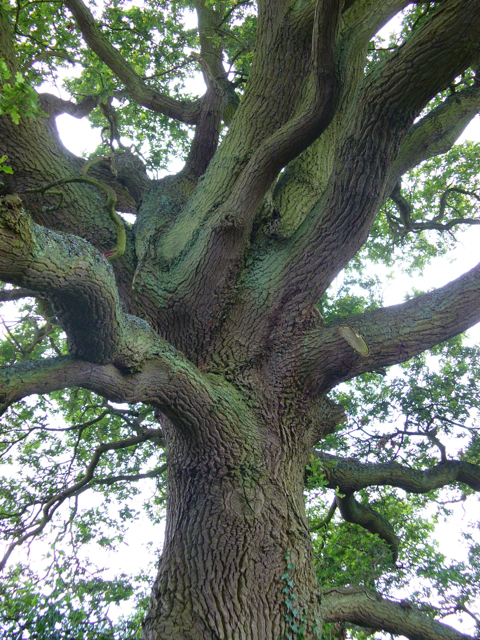
I chose this topic for two reasons. Firstly, and most simply, because I have a great love of trees, they were my closest companions when living in the country and have kept me sane whilst living in the city. Secondly, I wanted to honour the fact that many of our favourite herbal medicines are from trees. From Hawthorn to Birch, Cherry to Peach, Linden to Oak, we use many parts of trees in our healing, including berries, leaves, twigs, barks and blossom. For us here in the UK we’re mainly harvesting blossoms and some barks at the moment but our friends in New Zealand will be using entirely different parts. Some lovely essential oils also come from trees including Cedarwood, Sandalwood and, my favourite, Neroli. You can choose any part of any tree to write about and the topic is fluid so feel free to include shrubs in the definition of trees. We can also be creative with our idea of what is medicine, I know for me there is nothing more healing than a walk in the woods so please don’t feel limited to writing about a tree part and it’s medicinal uses, you can be as imaginative as you like with this topic. Whether your medicine is a tree essence, a healing syrup, a blend of oils, a story, or a simple expression of the benefit we get from trees through words or pictures, we’d love to read what you have to say.

If you have your own blog then add your post before June 20th and email me the link at whisperingearth@gmail.com Ā -I’ll post all the links here on the evening of the 20th.

If you don’t have a blog but would like to join us anyway you can email your piece as a word document to Debs at the UK Herbarium onĀ debs at herbal-haven dot co dot uk and she will add it to the UK Herbarium blog as a guest post.

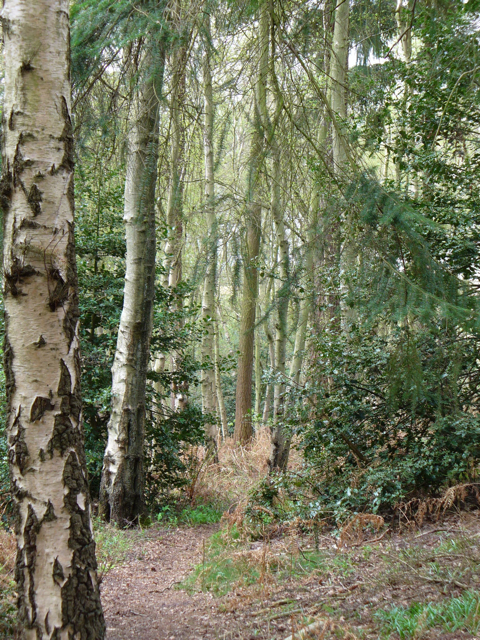
Into the Woods

Trees by Ruth Fainlight

Trees, our mute companions,
looming through the winter mist
from the side of the road,
lit for a moment in passing
by the car’s headlamps:
ash and oak, chestnut and yew;
witnesses, huge mild beings
who suffer the consequence
of sharing our planet and cannot
move away from any evil
we subject them to,
whose silent absolution hides
the scars of our sins, who always
forgive- yet still assume
the attributes of judges, not victims.