Feeds:
Posts
Comments

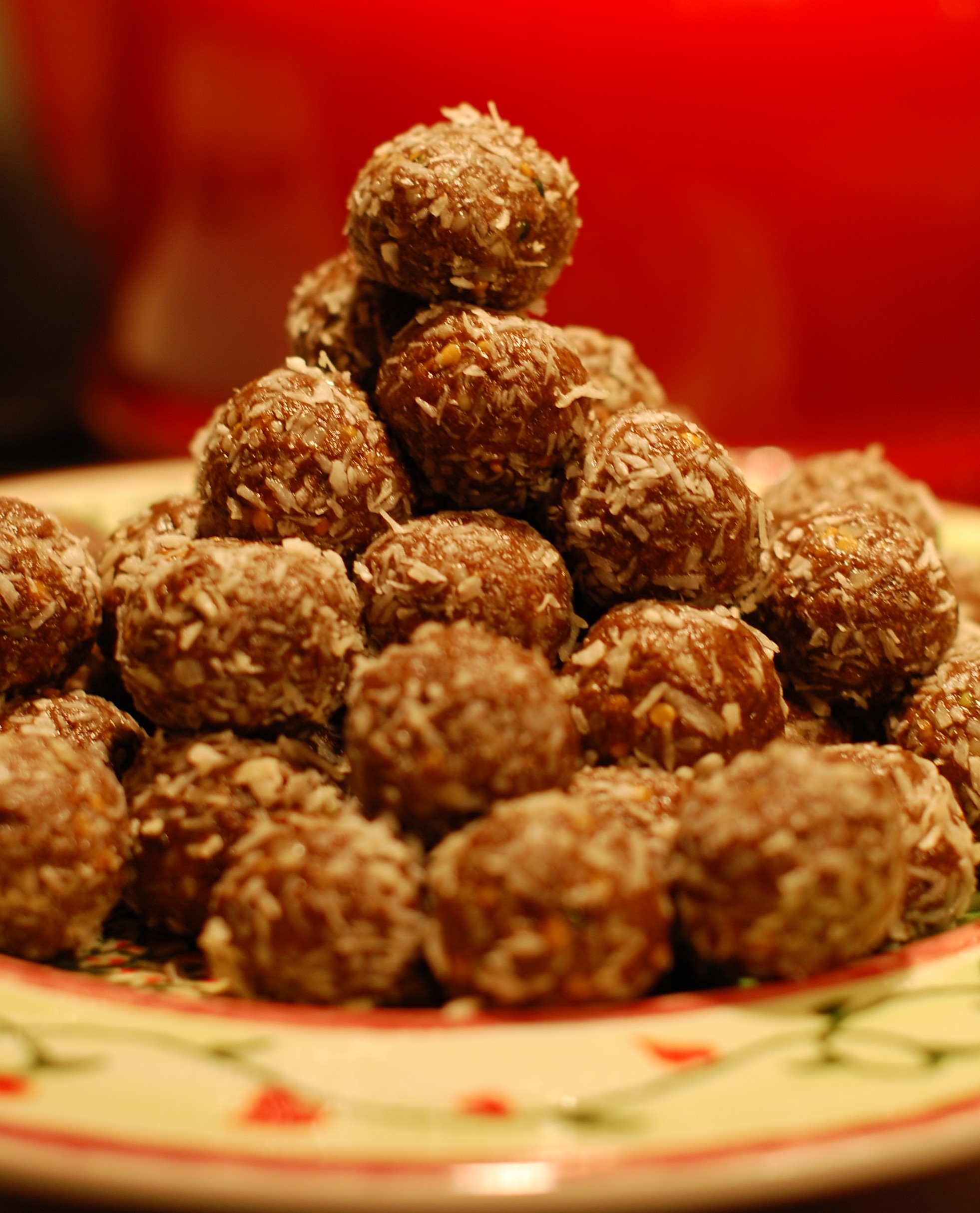
There are two things that nearly all students excel at, and they are procrastination and snacking. With a big exam coming on Wednesday I realised I’d have no chance of studying without a pile of suitable snacks to keep me going and so I decided to combine these two well refined art forms in order to make some tasty treats. They are based on Rosemary Gladstar’s recipe for Zoom Balls which contain guarana and kola nut and are a bit too stimulating for a wee sensitive soul such as myself! So I’ve changed it about a bit and added some more suitable herbs and come up with these two varieties, the stress soothers and the brain boosters.

Brigitte also has a lovely recipe for Energy Balls here which utilises more everyday kitchen ingredients and is great if you don’t want to fork out for lots of herbal powders.

Basic Ball Ingredients: (For both variants)
* 1 cup nut butter. I like to make my own with a combination of almonds and hazelnuts- the hazel being the Celtic tree of wisdom, I figure it’s a good addition to any study snacks!
* 1/4 cup tahini.
* 1/2 cup reasonably runny honey. Preferably good quality and local. I like to use Borage honey as borage has such an affinity with the adrenals and nerves.
* 1/2 cup walnuts- broken into small pieces. Walnuts are thought to be good for the brain because of the beneficial oils they contain as well as their ‘signature’ or resemblance to it.
* 1/4 cup hulled hemp. You could use sunflower or other seeds instead.
* 1/4 cup carob powder.
* 1 tsp cinnamon powder.
* 1 tsp cardamom powder.
* Small pinch sea salt or himalayan crystal salt.
* Enough dessicated coconut for rolling.

For the Stress Soothers;
Add the following herbs which will help you feel mellow and grounded.
1/2 cup Eleuthro powder
1/2 cup Gotu Kola powder
1/2 cup Ashwagandha powder
1 Tbs Liquorice powder

For the Brain Boosters;
Add the following to boost memory and aid circulation.
1/2 cup Gotu Kola powder
1/2 cup Brahmi powder
1/3 cup Rhodiola powder
1/3 cup Gingko powder

You can also make your own variations depending on what you have around.

First mix your nut butter, honey and tahini in a large bowl.

Then add the powders, carob, nuts, salt and seeds and mix thoroughly.

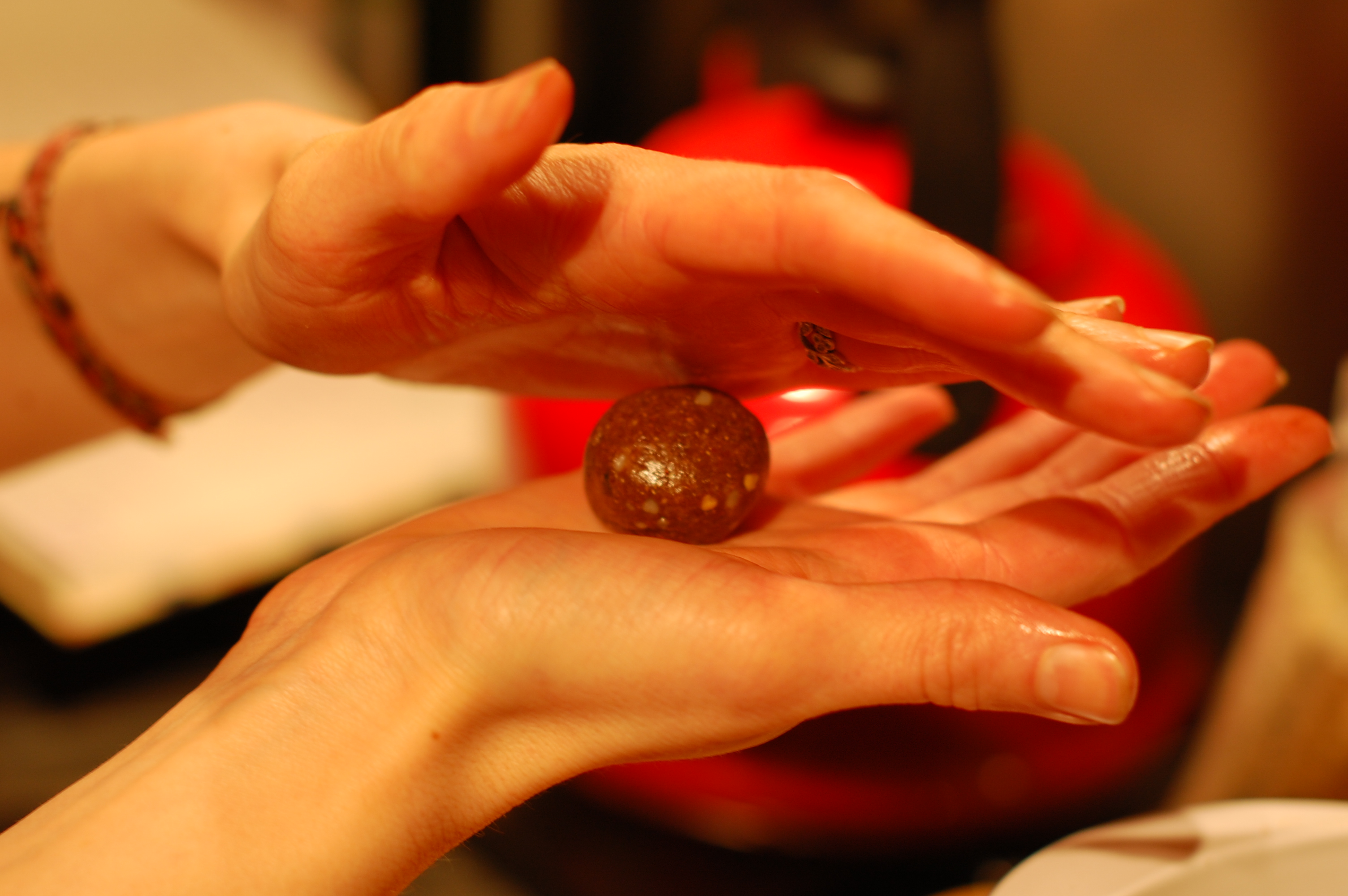
Pull off bits of the mixture and roll into balls about yay big.

Finally, cover the surface of a plate in dessicated coconut and roll the balls in it until coated.

Enjoy immediately or leave to chill in the fridge for a couple of hours.

Now thats done, my brain is boosted, I’m calm and centred… I suppose I should get down to some work 🙂

The trouble with studying herbs, is that the wonder of the plants themselves are always distracting me from my books.
I’m reminded of these lovely lines from Rumi;
Love lit a fire in my chest, and anything
that wasn’t love left: intellectual
subtlety, philosophy
books, school.
All I want now
to do or hear
is poetry.

Spring comes, even to a concrete garden.

People are always surprised when I tell them I have more than 60 plants growing in our one bed rented flat and little patio garden. It’s not the same as being able to work and live close to the soil but it’s still a great joy to surround oneself with green friends, even in the midst of the city. All those whose blood runs green will take nature with them to the unlikeliest of places.

Pot gardening is fairly easy, light work and a great opportunity to get to know plants when you don’t have access to a garden or allotment. I have come to see it as a metaphor for my own situation right now. My plants and I are still wild and free yet we are all constrained within limits; a pot, four walls, a sea of concrete. When we sleep we all dream together of forests, deep and dark, and the smell of the earth in the early morning after a fine rain. I have promised them, as I promise myself, that we shall all spread roots down into our sweet mother earth someday soon.

These are a few of the beautiful things appearing now in my patio.

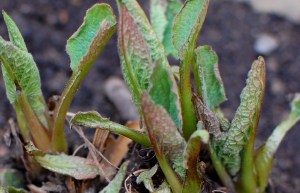
Young Valerian Leaves

Pussy Willow

Lovely New Angelica

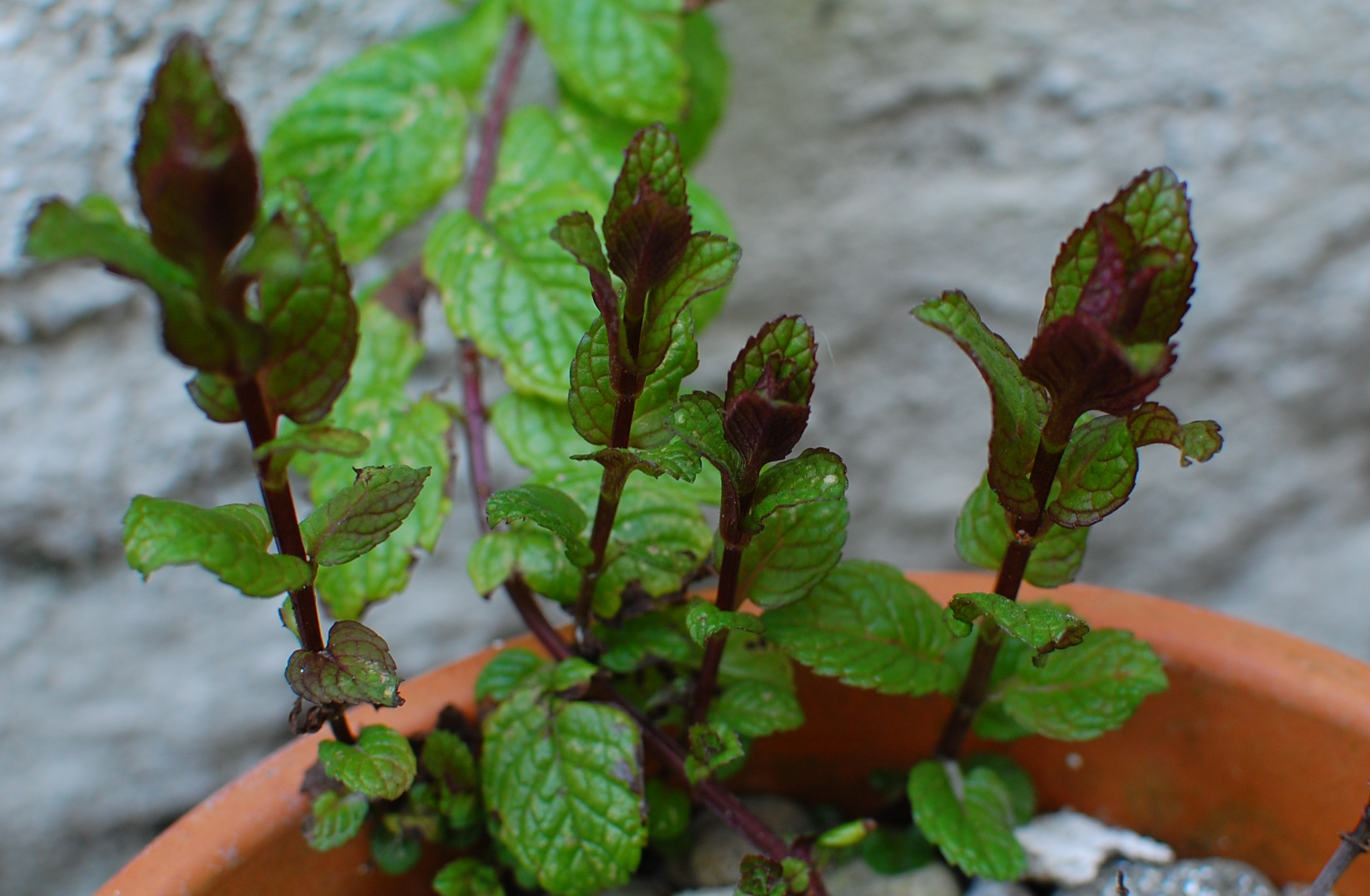
Mint Shooting Up

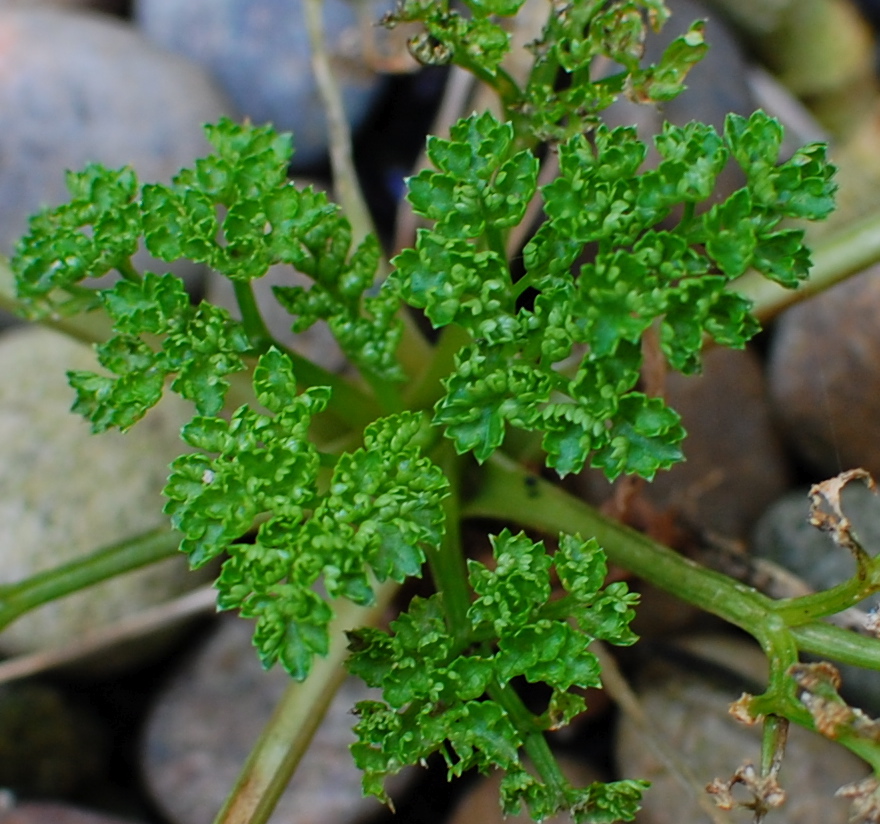
Fresh Young Parsley

Rosemary in Flower

New Growth of Hyssop

This month’s herbal bog party, hosted by the inspiring Brigitte of My Herb Corner, is on the topic of My Herbal Treasures in March. Its so exciting to be thinking about all the new life beginning to stir at the moment as I’ve just started my first Spring harvests.

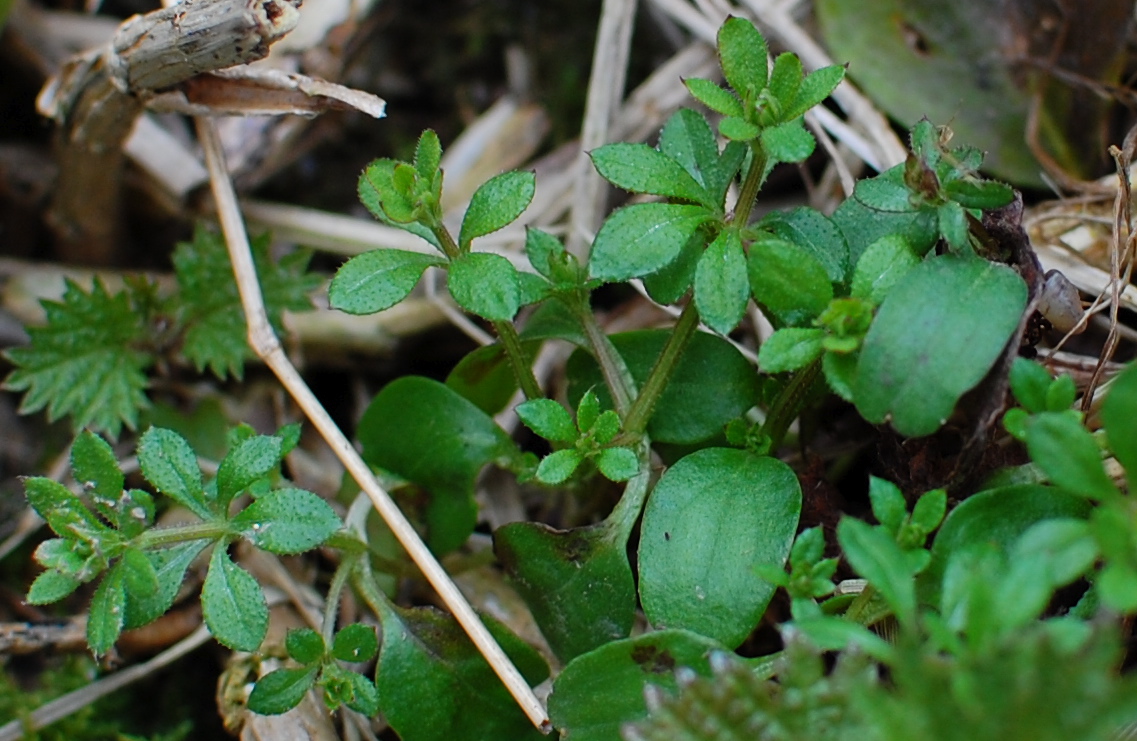
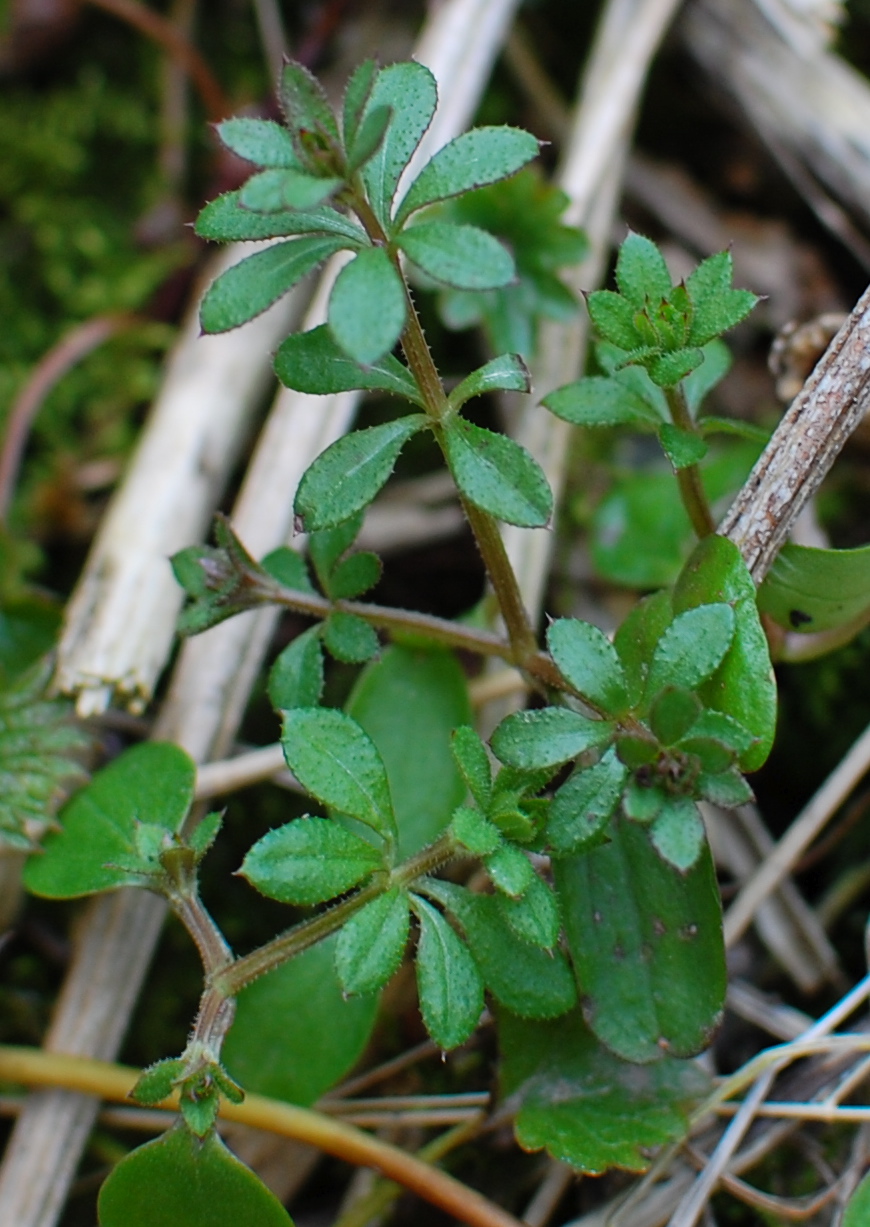
Its kind of an obvious one, but my favourite March herb is probably the dear and wonderfully weedy Cleavers. Galium aparine
Also known as Goosegrass or Sticky Willy, Cleavers is one of the first of our spring allies to appear, though it was perhaps a little later this year than I remember as I only managed my first harvest last weekend. It’s found mainly in woods and hedgerows and, along with its good friend stinging nettle, is one of the first wild herbs many people learn about.

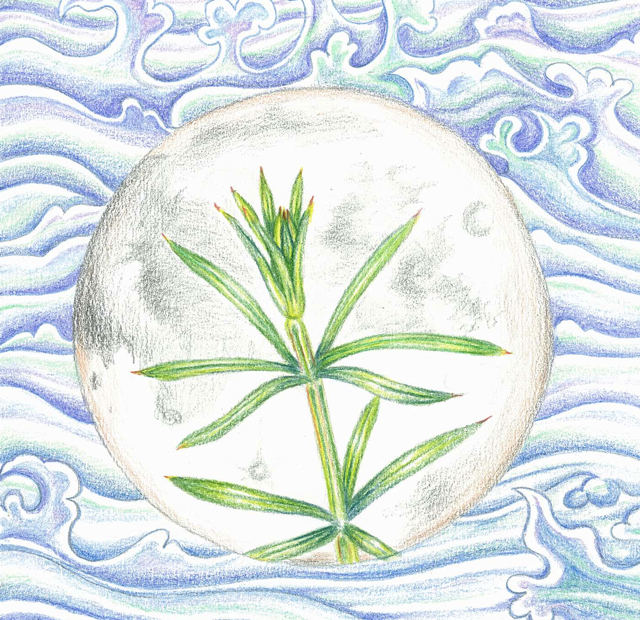
Cleavers is a herb of the moon and is governed by the element of water and this is key to my understanding of how it works in the body. As a medicinal herb it is most commonly used to treat the lymphatic system, a network of vessels which runs alongside the blood circulation carrying waste materials in lymph fluid ready for processing in the lymph nodes and organs such as the tonsils, thymus and spleen. The lymph has no pump of its own so is reliant on the movement of blood and muscles to aid its journey, so exercise is vital for a healthy lymphatic system. It’s functions are primarily to aid cleansing of the tissues and assist the immune system by transporting white blood cells and antibodies.

To me, the lymph relates very closely to the water element in us and, as we know, the moon affects fluids in all of nature by governing flows and tides. The nature of water is to be fluid, we can easily see how polluted stagnant water becomes, and the lymph must also be flowing in order to perform its functions within the body. In the winter we can become more stagnant and accumulations tend to build up, stressing the lymphatic system and resulting in lowered immunity, swollen glands and sluggishness.
Cleavers is all about getting things moving and flowing again. I see it as an initiator and indeed it is meant to be auspicious to drink it before a journey. It doesn’t force change, just gently encourages the body to wake and clear itself, helping to remove excess fluids through its diuretic action. This quality means it is also a good urinary tonic, especially in inflammatory conditions of the urinary tract as it is also anti-inflammatory. Its useful for clearing the skin, partly due to its general alterative properties, and it has been used to treat cancers, both internally and externally as a poultice.

The water element also governs the emotions and Cleavers can help us to gently let go of the past and be ready to embrace the new growth and change that Spring awakens.

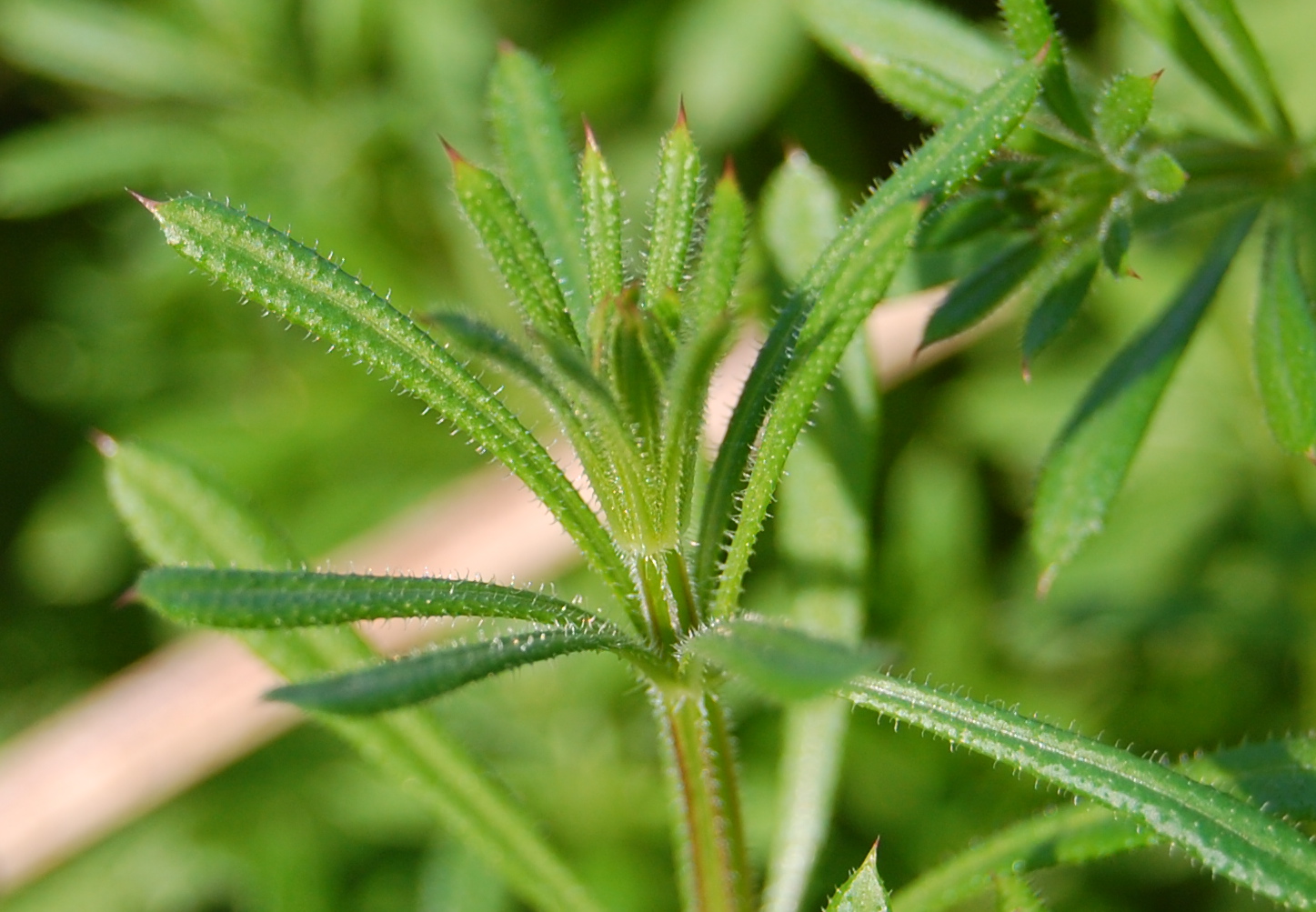
Cleavers is covered in tiny little hooked bristles which you can see in the close up below which I took last year, later in the season when the plant was more mature.

I see Cleavers as a plant of youth, not only because of it’s appearance early in the spring but due to it ability to entertain the child in us all when, on long walks, we can engage in the game I never grow tired of, how many cleavers can you stick on someone’s back before they notice 🙂

I think the real reason Cleavers grab on to us as we go by is because, in a damp climate like the UK, we could all do with a bit of lymphatic support and she is generously reminding us of the great service she can offer.

The plant itself is strong yet supple. It is flexible enough to be twisted round itself and apparently, country folk used to use it in this way to make a sieve for straining milk. It uses its little hooks to grow up other plants to get to the light, yet its strong enough to support them too when needed.

Here are a few ways to incorporate Cleavers into your life, they are always better used fresh than dried:

Cleavers Green Juice
Juice is my favourite way to take them and also the most potent as we are ingesting the life blood of the plant which is an incredible gift. It does require the use of a juicer but if you don’t have one you could whizz it in the blender with some water and then strain, though I haven’t tried it this way. I juice a big handful of cleavers with some apple, fennel, lemon, ginger and celery. This makes a delicious cleansing and revitalising drink for bright Spring mornings.

Cleavers Vinegar
Make your Cleavers into a delicious green vinegar by lightly packing a jar with them then covering in unpasteurised apple cider vinegar. Cap with a plastic not metal lid (vinegar corrodes metal) and allow to infuse for three weeks before straining and rebottling. This makes a lovely spring salad dressing with a drizzle of olive oil.

Cleavers Salad
At this time of year you can finely chop the young cleavers and add to salads, though later in the Spring they become too tough and stringy. Enjoy them now while they’re tender!

Cleavers Cold Infusion
Many people prepare their cleavers as a cold infusion by popping a handful in a glass, covering in cold water and leaving overnight to infuse. Strain and drink in the morning for a refreshing start to the day.

Cleavers Succus
This one comes from Matthew and Julie Bruton-Seal’s wonderful book Hedgerow Medicine which I would recommend to anyone interested in wildcrafting herbs. Juice fresh cleavers, measure it and add an equal amount of runny honey. Bottle and label. It will last much longer this way and would be a lovely soothing and effective remedy for tonsilitis.
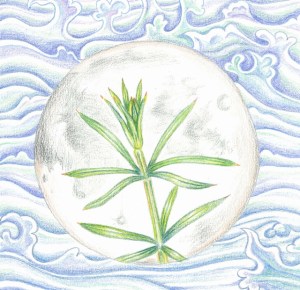

In early Spring the Cleavers Moon
Draws up from depths of wintery slumber
Our waking tides.
From ripple to wave she speaks of cycles
Of change, of flow,
Of newest growth already held in visions.
She invites us too to grow, along with her,
Weedy and wild,
Supple yet unyielding as the waters she guides
She helps to carry us all.

Some other things to be happy about in March:
My first dandelion.
Young Comfrey leaves appearing.
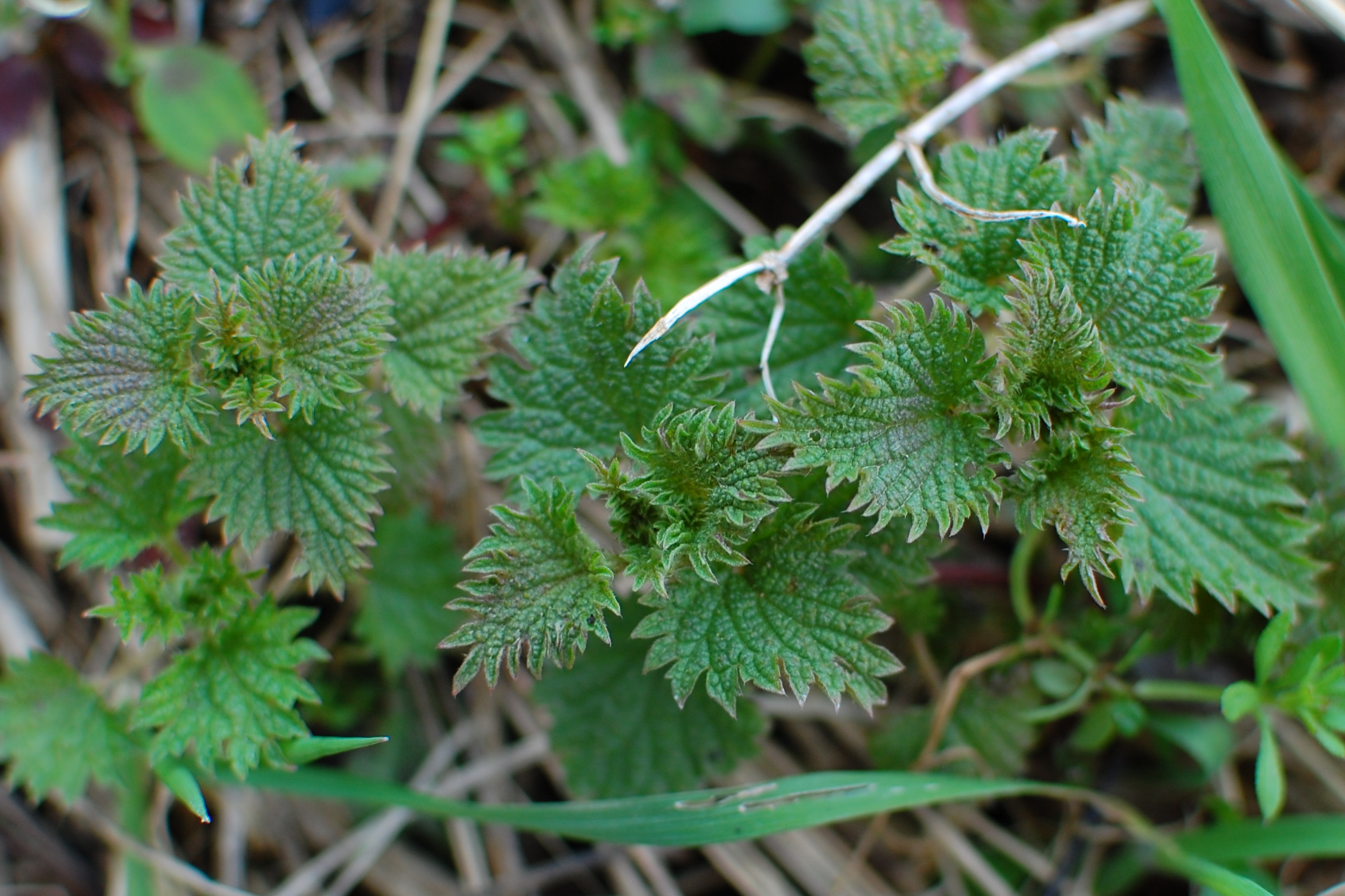
Fresh, young nettles.

Also Lesser Celandine (or pilewort), Viola and other lovelies are out and about.

Spring love and loveliness to all.
How to Eat Raw Nettles

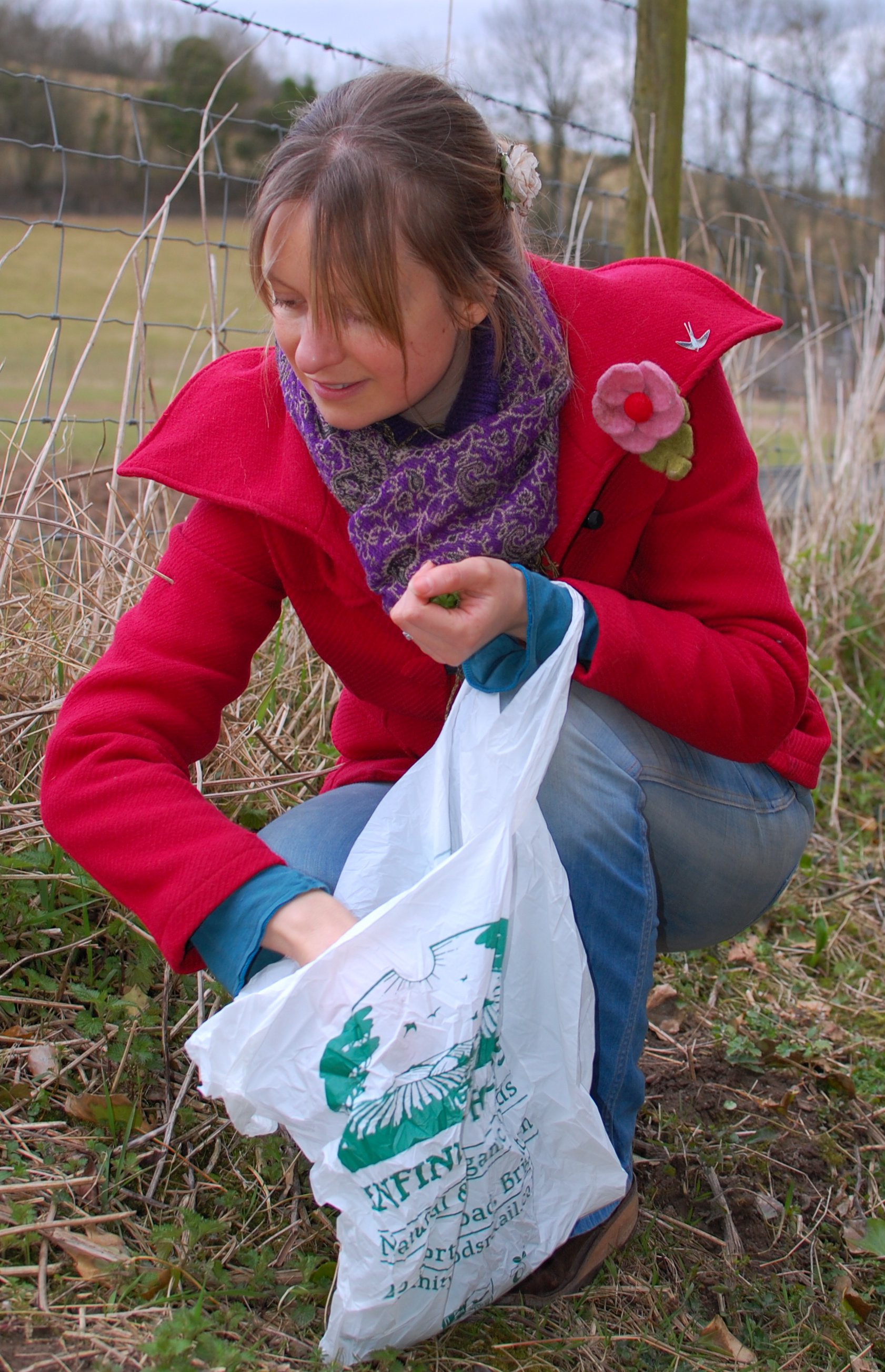
Hooray! Nettle season is upon us once more and I managed my first harvest yesterday. This is my favourite time for nettle foraging as they are so young and fresh.


The thing I love most about fresh nettles is their smell. Somehow it evokes the exact combination of the greenness of their leaves and the earthiness of their roots and it makes me feel more alive just to inhale it.

I have long suspected that the green sludge in Popeye’s can that turned him from simple sailor to superhero was actually nettle, mistakenly labelled as spinach. Nettle is such a powerhouse of nutrition that it is one of my favourite foods as well as one of my favourite medicinal herbs. Including some in your daily diet is better than many a multi vitamin. They are high in iron which is easily absorbed due to the fact they also contain Vitamin C. They help the circulation as well as balancing blood sugar and energy levels. They are great at this time of year as they are both cleansing and building, so not only do they help rid us of accumulations and activate the kidneys but they also make sure we are strengthened and nourished after the hard winter months. They are, in my book, the perfect spring food and best of all, they are everywhere!

You can use nettle instead of spinach in any cooked dishes such as bakes, lasagnes and everyone’s favourite, nettle soup. The way I really love to eat them however is raw, and straight from the hedgerow.

There’s a special knack to picking and eating nettles without getting stung but its very easy really as long as you are careful. Just pluck the top off the plant, just the first few leaves, taking them from underneath by pinching the stem with your nails. Then roll them into a very tight ball, squidging them as you go to break down the fine hairs that contain the sting. Then pop them in your mouth and eat… yum.

There are so many ways to enjoy nettles, I’ll be sure to post on them again before the spring is out as I make my year’s supply of tincture, vinegar and other nettle delights. Until then, happy foraging 🙂

Herbal energetics can seem fairly complex and impenetrable at first glance and its certainly one of those topics you know you’ll be understanding at deeper and deeper levels for the rest of your life.

Herbal energetics are practiced mostly with a view to returning the body and mind to a state of balance or homeostasis. The energetic spectrum doesn’t consist of two extremes and a centre point however. Balance is not static but rather a flowing and continually shifting principle which requires adjusting through a process of deep observation as well as a good dose of common sense.

This is a process we engage in naturally, for example as the weather turns colder we tend to increase our intake of warming foods and spices. Energetics are part of our innate wisdom and, of course, the innate wisdom of nature. Spring brings us herbal cleansers to purify the body and mind of winter accumulations. Autumn brings us root vegetables and herbal root medicines, strengthening and earthing us for the harder months ahead. Striving for equilibrium is inherent in nature, the pendulum can never swing too far one way or the other before she seeks to readdress the balance.

Herbal energetics are about observing where body tissues or systems and mental or emotional patterns are out of balance and thinking about how we can either pacify or stimulate a corresponding action to return us to harmony. Mostly we look at the two extremes of the polarity to understand the spectrum we are observing such as hot and cold, dry or moist, dense or light etc. This can become quite complex when we apply it to individuals whose body’s display myriad different functions and tendencies.

Thats why its helpful to start with a basic understanding of the elements. All traditional energetic models that I am aware of such as those of Traditional Chinese Medicine, Ayurveda and Western Herbalism begin by looking at the different elements that are manifest in all life. In the Western Tradition these are earth, air, fire and water.

The best way to start developing an understanding of the elements is to observe the world around us. Go outside, turn your attention to how the elements can be perceived around you.

Kneel down, touch the earth, what are its qualities? Heavy? Nutritive? Dense? What else?

Stand up and observe the qualities inherent in the air. Feel its potential to move quickly in any direction, to spin, to whirl. How does it seem to you? Light, free, ungrounded?

Find a stream or river and place your hands in it. Feel the flow of the water that never stops but rather moulds itself around objects in its path, soft yet relentless in its ceaseless progression towards the sea.

Turn your face to the sun, how do you perceive the element of fire? Think how the addition of fire enables the transformation of each of the other elements, solid to liquid to gas – earth to water to air. From warmth to blistering heat, fire transmutes but out of balance it can destroy.

Now think about what happens when any two of these elements are in combination. When fire and water meet what are the properties of the steam that results? When earth and water come together, what happens? A small amount of water will moisten and soften the earth but too much will result in sticky, clogging mud. How might we see these tendencies in the body?

Each of the elements is necessary for life to exist, they seem separate yet really they can only be in a state of interdependence, no one without the others.

When you feel you have a good grasp of the qualities represented by the different elements start thinking about people who might be archetypical of each one. Describe them or draw them as caricatures, what ailments would they be likely to suffer from?

Finally you can start to think of people you know and try to discern how the elements can express themselves through subtle ways in people. Which balance of elements might be present in someone’s condition? Are they full of phlegm or sticky mucus like the meeting of earth and water? Are they jittery, ungrounded and unable to sit still like the buffeting air? Try to see where elements may be in or out of balance in the people around you.

In this way we can start to work our way in towards a deeper observation of the body’s energetics before we progress to the study of herbal energetics and how they can aid us in restoring balance. We begin to weave strands of inspiration that will flow together to create a web of understanding of the exquisite complexities and ultimate simplicities of the world around us.

Like A Warm Planet

Over the last month or so we’ve been getting a lot of oranges in our organic fruit and veg box. I guess the apples and pears are running low so they’re bulking up the local produce with a few things from further afield. I don’t usually go for oranges but I’ve found myself enjoying them more and more and have been inspired to use the peel in a variety of ways as well as eating the fruit.

Orange peel has many beneficial qualities, being higher in vitamin C, flavanoids and enzymes than the fruit itself. I have been using large strips of it fresh in teas, on its own or with other herbs, and also cutting it into smaller pieces and drying for future use.

The peel has long been used in Chinese Medicine, from both the sweet orange (Citrus sinensis) and the bitter (Citrus aurantium) as well as from tangerines (Citrus reticulata). It had several key functions including ‘moving the chi’ to reduce any accumulations, or congestions, whether in the respiratory tract, bowel or liver.

Primarily a digestive aid, orange peel is aromatic, carminative, anti-inflammatory and anti-spasmodic and can help with bloating, wind and constipation. The bitter orange peel is more cooling and than its warmer, sweeter cousin and so has a greater affinity with the liver and gallbladder being both a cholagogue and a choleretic. Sarah Head has written a lovely post on citrus bitters on her blog which you can read here.

Being thermogenic, orange peel can boost the metabolism which makes it helpful for weight loss, as does its ability to aid in digesting fatty foods.

Also high in vitamins A and C, orange peel can be helpful for building a healthy immune system and warding off coughs and colds. It is anti-bacterial, anti-fungal and has high levels of antioxidants, making it very suitable as an addition to any immune tonic blends.
Immune tonic tea with orange peel, cinnamon, elderberries, cardamom and ginger.

It also contains d-limonene, as does lemon peel, a substance which has been shown to inhibit tumour growth in some studies and which is currently being more fully researched.

The orange family also gives us a whole host of wonderful essential oils including tangerine and mandarin. The sweet orange oil, which is expressed from the peel of the Citrus sinensis variety, is uplifting, warming, anti-depressant and emotionally balancing, bringing some of the joy of childhood to a gloomy day. Citrus aurantium gives us no less than three precious oils, bitter orange, from the fruit, petitgrain, from the leaves and twigs and neroli, from the blossoms. Neroli is one of my favourite oils so I will be sure to write more on it in the future.


Here are three simple ways you can incorporate the health giving properties of orange peel into your life. Always remember to use organic oranges as toxins from pesticide sprays will be stored in the skin.

Orange Peel, Ginger and Cinnamon Infused Honey:
This harnesses the anti-bacterial and warming properties of the orange peel.
Place several long strips of orange peel in the bottom of a glass jar. I use a vegetable peeler to avoid taking too much of the white pith. Add five or six slices of fresh ginger and two cinnamon sticks broken into small pieces. Fill up the jar with good quality, raw honey and stir to release any air bubbles. Leave to infuse for about three weeks, stirring daily for the first few days. Strain the honey and place it in a fresh, clean jar. Use a spoonful in teas or any other way you fancy.

Orange Peel and Cardamom Tea
The combination of orange peel and cardamom enhances the digestive properties of both these herbs and makes a delicious after dinner cuppa.

Orange Peel and Lavender Tea
This tea can be made with fresh or dried herbs and is so lovely for balancing and calming the emotions and inducing a sense of peaceful contentment.

Sweet Orange Oil Footbath
You can’t beat this one for banishing the winter blues and bringing a smile to even the most jaded of lips. Dilute four drops of sweet orange oil in a tablespoon of base oil such as sweet almond and swish into a lovely hot foot bath. It’s always important to dilute essential oils before adding them to the water or they can irritate the skin.


All this talk of oranges reminded me of a poem I used to like many years ago. I dug it out and am including it here for your pleasure. To me, it sums up perfectly the generous gifts of joy the orange tree so kindly bestows upon us.

The Stolen Orange by Brian Patten

When I went out I stole an orange
I kept it in my pocket
It felt like a warm planet

Everywhere I went smelt of oranges
Whenever I got into an awkward situation
I’d take out the orange and smell it

And immediately on even dead branches I saw
The lovely and fierce orange blossom
That smells so much of joy

When I went out I stole an orange
It was a safeguard against imagining
There was nothing bright or special in the world.

Blissful Oat Bathing

After a long day in London studying, there’s nothing like coming home to a hot, steamy bath full of herbal wonders.

Avena, or as we commonly call her Oats, is a lovely choice for such times, when you are both exhausted from the early morning, travel and long hours in a classroom, as well as over stimulated from the bright lights, loud noises and hectic pace of the big city. A classic tonic to the nervous system, Avena can help us deal effectively with periods of stress, anxiety and nervous tension. She can help soothe and protect us when we are suffering from the sensory overload usually induced by spending time in a busy city and enable a deep and restorative nights sleep. Oats are also rich in silicon which helps build the skin, nails and hair.

The classic way to have an oat bath is to tie a handful of rolled oats in a square of muslin cloth and hang it under the taps as you run the bath to release a creamy oat milk which is soothing for sensitive, dry skin.

I like to pack my baths with as much medicinal value as possible as we have the ability to absorb many substances into our bodies through the skin. This oat and chamomile bath takes a bit of pre-planning but is quick to do and captures many of the beautiful healing properties of these two wonderful green allies.

If you know you’ll have time for a bath that evening, make a strong infusion of oatstraw herb and chamomile in the morning and leave on the side for the rest of the day to extract all the goodness from the herbs.
I usually use a large handful of oatstraw, with a large pinch of chamomile, in a jar or cafetiere with pint or so of freshly boiled water.

When your ready for your bath strain the herbal infusion into a blender and add a couple of handfuls of porridge oats.
Blend up into a cream.
Stir in 4 drops Roman Chamomile, 2 drops Lavender and 2 drops Sandalwood, or any of your favourite relaxing essential oils.
Pour into a freshly run, hot bath, get in and feel the days stresses melt away.

Magic.

Spring Comes

Sitting quietly, doing nothing, spring comes, grass grows.

Chocolatey Goodness

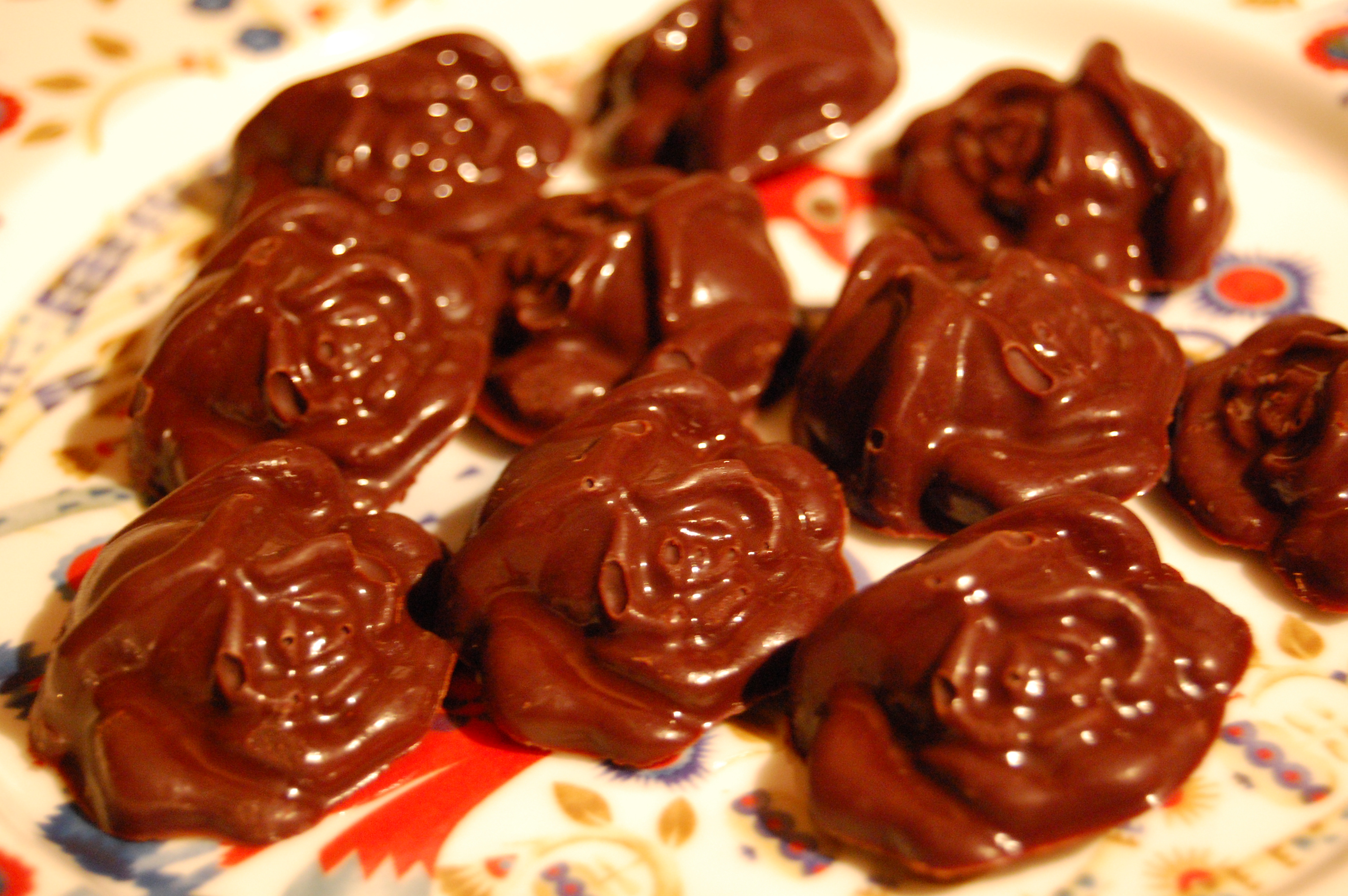
As promised, here is the recipe for my rose and cardamom chocolates. I’ll give you the basic chocolate recipe which can then be varied in infinite ways to make any flavour you fancy indulging in. I made nearly 400 of these for my wedding last year and added in a little sprinkle of aphrodisiac herbs and some flower remedies that resonate with the heart to complete the effect.

The basic recipe could not be easier and contains only 4 ingredients, plus the flavourings, should you choose to use them. These chocolates are raw and vegan so are fine for most people. Chocolate has been shown to have many health benefits, such as a high magnesium and antioxidant content, however most commercially available chocolate also has a lot of sugar and dairy which detracts from this. Despite the benefits, chocolate is still a stimulating herb so I would recommend you do as I say and not as I do, and eat it in small quantities. 🙂 The ingredients are a little pricey to purchase but will last a long time if you get a reasonable amount. They are mostly available from good health shops or online retailers like Raw Living and Indigo Herbs. Practitioners, students or those in the trade can get great discounts buying through Tree Harvest.

These amounts are enough for 3 to 4 chocolate moulds depending on their size and depth. I have bought all my moulds from Cakes, Cookies and Crafts, which do a fabulous selection, including leaves, flowers, hearts, dinosaurs and even halloween themed skulls and spiders!

Ingredients:
120g raw cacao powder
100g raw cacao butter
20g virgin coconut butter
80g agave nectar
Tiny pinch of crystal or sea salt

2 drop rose essential oil
2 drop cardamom essential oil
Flower remedies (optional)

The easy rule is that the total weight of the butters equals the total amount of chocolate powder. This makes a fairly intense chocolate but you can add more butters if you want it less so. You can also play around with the proportions of the butters. I only add a small amount of coconut butter as it can be quite ‘fatty’ and give the finished chocolates a very low melt point but you could add more, or omit it altogether and just use cacao butter, as you like. Equally you can add a little more agave, up to about 100g, if you want the end product to be sweeter.

So what you do is melt the butters, gently, in a bain marie/ double boiler and when they are completely liquid stir in the sieved chocolate powder and agave syrup until well mixed and the consistency of melted chocolate. Add a pinch of salt and 2 drops each of your chosen essential oils and stir well. Using a spoon, fill your moulds and pop in the fridge for an hour before tucking in. It really couldn’t be simpler!

I use rose otto and cardamom essential oils in this recipe but you could substitute ground cardamon, though the finished chocolate would not have quite such a smooth consistency. Rose on its own is also beyond divine!

I recommend adding just four drops of your chosen essential oils for this quantity of chocolate. Drop them onto a teaspoon first to prevent any extra falling in the mixture as they are so intense it can alter (and ruin) the whole thing. It’s imperative when using essentail oils internally to buy only organic, food grade quality oils as many of the cheaper brands are diluted or mixed with solvents and could be quite toxic. I mostly buy oils from Materia Aromatica.

Some of my favourite flavours for chocolates are;
Orange and Geranium
Lavender
Peppermint
Lime with Chilli
Orange and Ginger

You can also add nuts, dried fruits, herbal powders, crystalised ginger, pollen… the possibilities are endless.

For rose chocolates I like to use a few drops of flower remedies that work with the heart chakra such as Hawthorn and Lime flower as well as a pinch of a suitable herb such as powdered Hawthorn Berry. If using the Dr Bach essences, Holly would be a good choice. For orange chocolates energising essences like Olive (Bach) or Sycamore are nice and for Lavender, calming and soothing essences work well. Dr Bach’s White Chestnut would be a good choice.

Due to its stimulating nature chocolate works quite well as a carrier herb, helping deliver the other medicinal ingredients throughout the body. I always see food as a medicine and adding herbs, flower remedies and essential oils to my chocolates, soups, smoothies, honeys, vinegars, salad dressings, pretty much everything really, has become second nature.

I hope you enjoy making these little treats and experiment with them as freely as I have!

Peppermint, Ginkgo and Gotu Kola oak leaves and Lavender and Ashwagandha hearts .

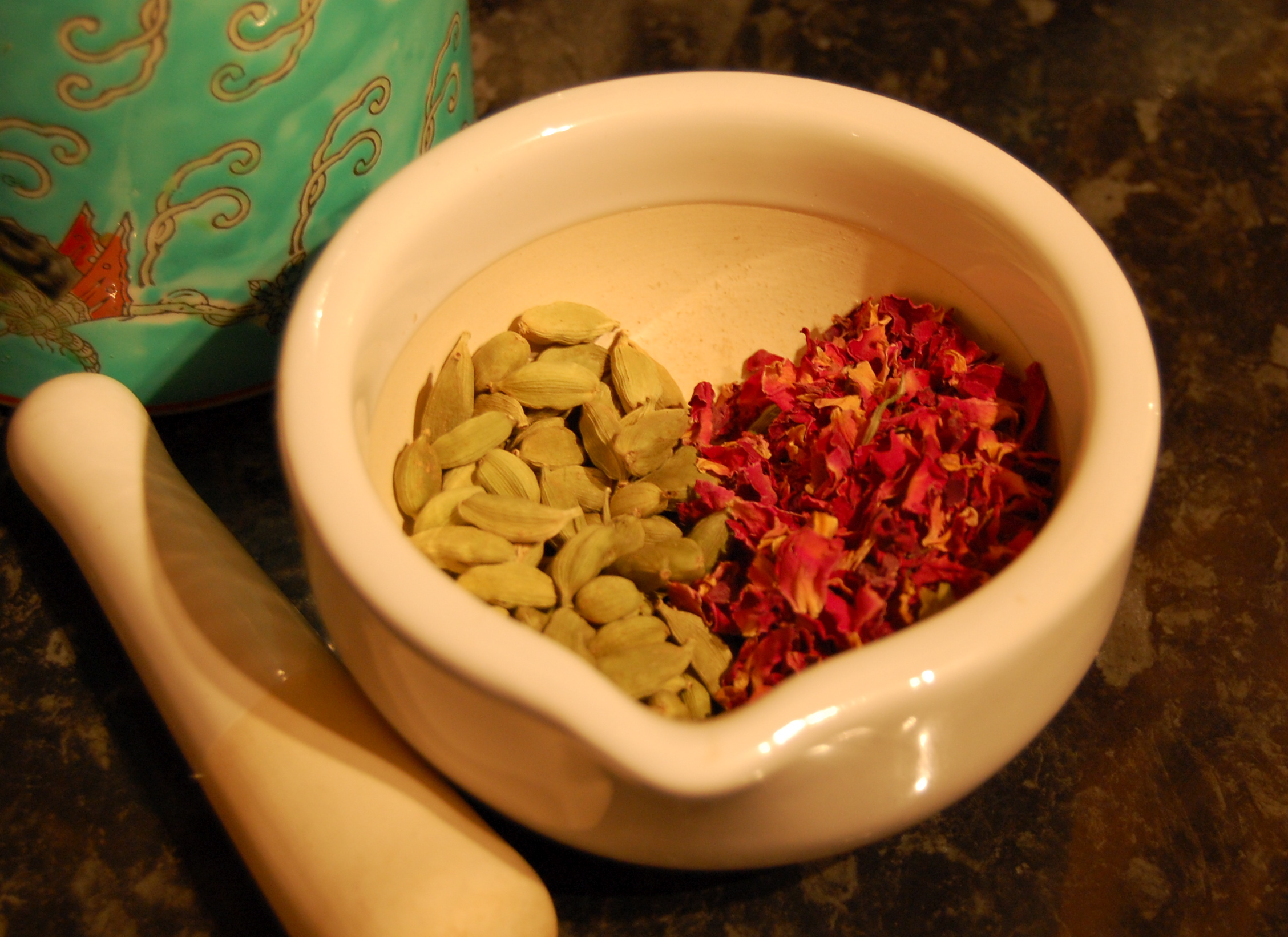
Whenever I need a bit of luxury in my life, rose and cardamom tea is just the ticket. These two herbs not only taste beautiful together but also have some great medicinal properties that help balance us when things get stressful.

They both have a long history of use as aphrodisiacs and were key ingredients in any number of ancient love spells. As they both aid the release of nervous tension and stress and have exquisite aromatic flavours, it’s not hard to see why this would be so.

Cardamom is wonderfully warming and soothing to the digestive tract and is a first rate choice for bloating or gas. Rose petals are usually considered cooling but also have some important digestive properties in increasing bile flow and protecting the liver.

They also both help to dry up congestion and mucus so can be useful at this time of year for those pesky ‘change of season’ runny noses.

Enjoy half an hour before meals to maximise the digestive properties or at anytime for the wonderful flavour and balancing, heart opening, love inducing effects. Just crush a few cardamom pods and add a small teaspoon of rose petals per cup.

If you really need some pampering, take a leaf out of my book and indulge in this tea with some homemade rose and cardamom chocolates (recipe to follow soon), whilst relaxing in a rose and cardamom bath… pure heaven.