Feeds:
Posts
Comments

Herbal Happenings In Sussex

I have just spent a lovely few days away visiting my parents and attending Sarah Head’s Sanctuary Herbs Festival which is wonderfully inspiring and highly recommended for those of you who fancy a herbal adventure next year.

Now I am back I wanted to let you know about a couple of new ventures starting this month which those of you in the general vicinity may be interested in.

A Series of Herbal Talks in Brighton: 

Firstly I have a series of talks coming up in the next few months which will be held at Brighton and Hove Therapies which is very close to Brighton station. You can see the details by clicking on the link to the attached flyer below.

Talks Flyer

Brighton Low Cost Clinic:

I will also be joining with medicial herbalist Sara Jane Glendinning for a low cost herbal clinic every Thursday morning from 10am to 1pm at The Coach House in Kemptown, Brighton.

The Coach House was started up by Sara Jane and is an inspiring venture promoting creative living through the arts and sciences. There are talks, workshops and music running throughout the year and an apothecary garden in the making. For more information see the Coach House website here.

The clinic will be open to everyone and consultations will be by donation though there will be a charge for the herbal medicines given. We suggest booking for appointments.


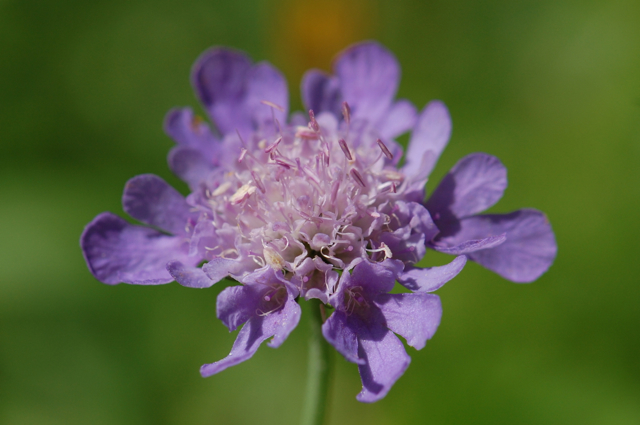
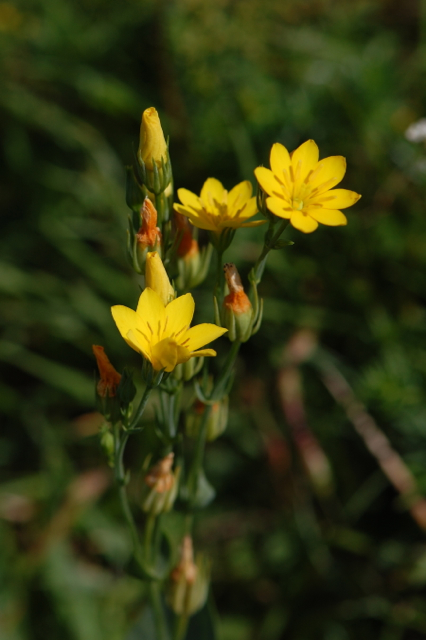
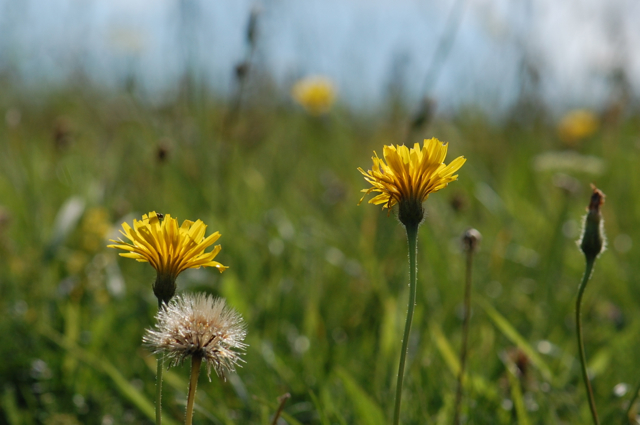
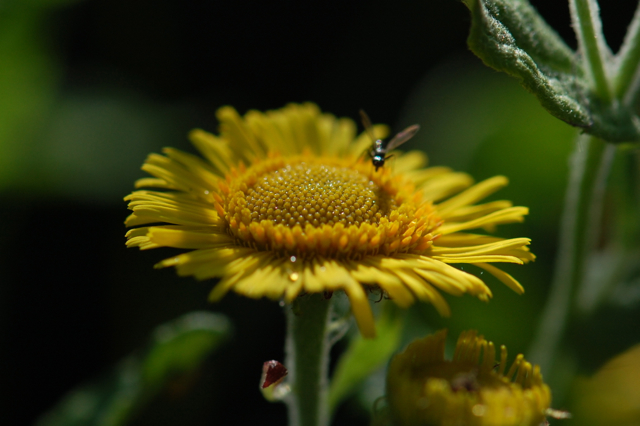
Please forgive me for clogging your inboxes with two photographic posts in as many days but I thought some people might find it interesting to have a closer look at the wild flowers we have growing here on the Downs at present. There is a spectacular array, many of them quite common but some rarer and more specific to the chalk grassland habitat.

Wildflower heaven

Common Knapweed

Red Clover

Self Heal

Round Headed Rampion

Devil’s Bit Scabious

Small Scabious

Field Scabious

Scabious in bud

Yellow Wort

Common Ragwort

Hawkbit

Bird’s Foot Trefoil

Ladies Bedstraw

Common Fleabane

Scarlet Pimpernel

Agrimony

Eyebright

Burnet Saxifrage

Yarrow

White Bryony

Mugwort

Small Tortoiseshell on Creeping Thistle

Hawkbit, burnet saxifrage and knapweed predominate in this picture

And finally one I am not sure of so if anyone knows I would be delighted to hear from you! I believe it may be Red Bartsia but as it doesn’t quite fit the description I remain slightly in doubt.

Snapshots of August

I love the month of August. There are wildflowers carpeting the Downs, the first berries in the hedgerows, nettle seeds for harvesting and a variety of herbs blooming in the garden. The roses are in their second flush, there are birthdays and anniversaries to celebrate, friends to visit and an exquisite sense of fullness and completion that hangs ripe and heavy in the air, just on the tipping point of receding into the altogether different beauty of autumn.

Here are some of my highlights.

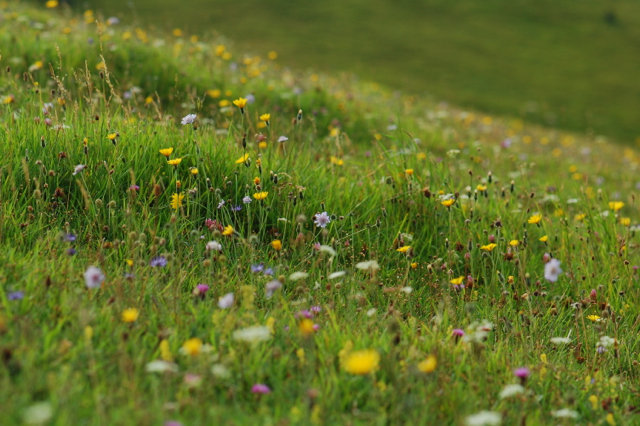
Wild flowers carpet the Downs

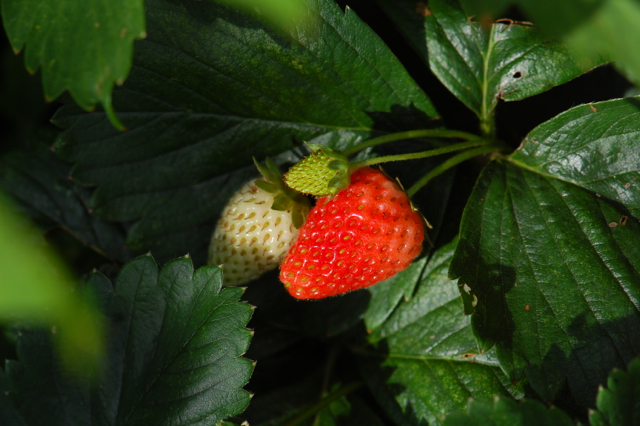
The last of this years strawberries.

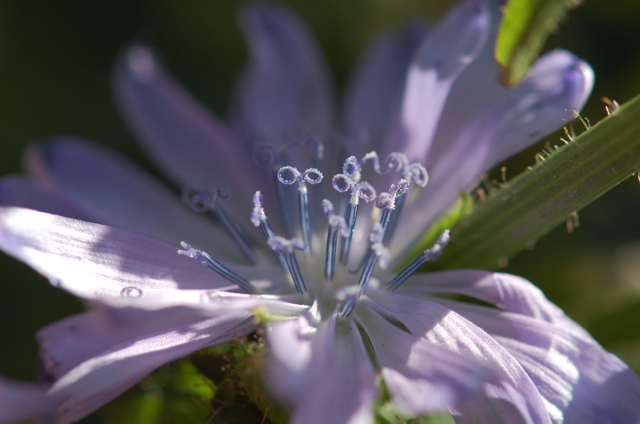
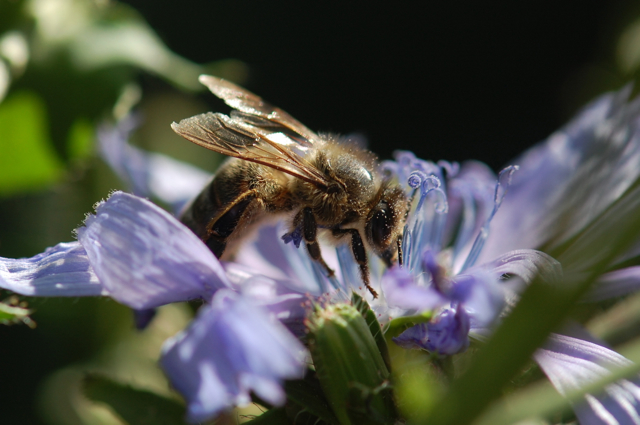
The subtle beauty of chicory

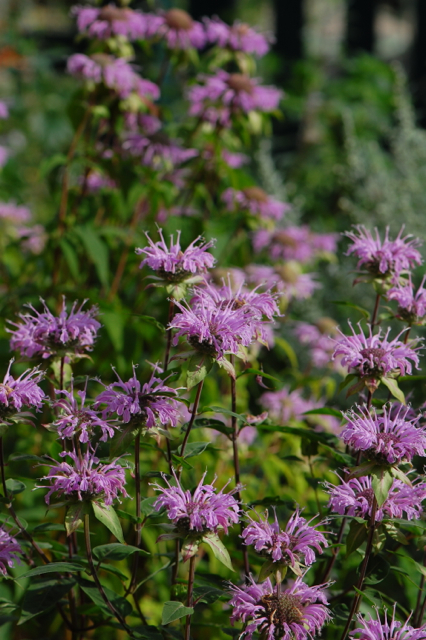
Monarda fistulosa

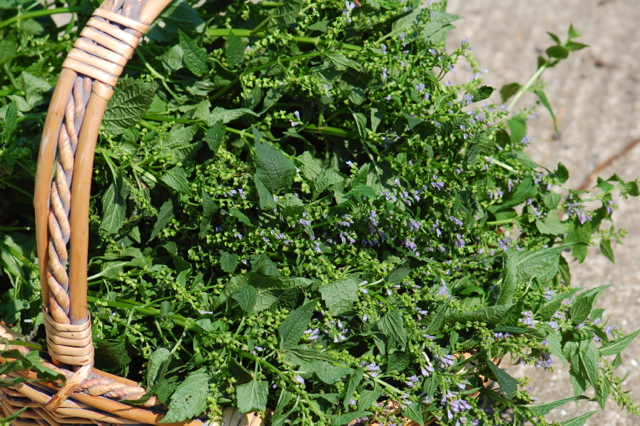
Harvest of Monardas

Skullcap harvest

Teasel

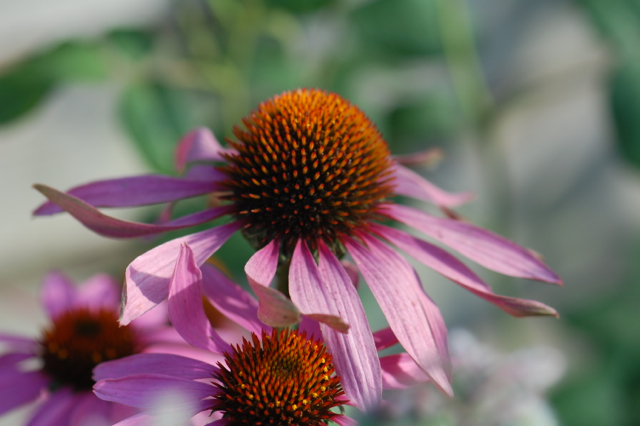
Blooming echinacea

Calendula

Californian poppies

Plantain in flower

The very hungry caterpillars – I think cabbage whites

Sweet peas to scent the house

Thyme infused honey

After my recent post on aromatics  several people commented on the herbal honeys I mentioned which are surely one of the most delicious ways to enjoy taking herbs. Although I have talked of them often in other posts, I thought it time to focus on herbal infused honeys more specifically and explain a little more about how to make and use them.

Herbs that make lovely infused honeys include most of the aromatics- especially those with floral, spicy or herby tastes. Some of my favourites are plants that are at their best over the summer months including rose, sage, thyme, lemon balm, mint, lavender, chamomile or lime blossom. It is usually nicest to keep them plain but sometimes it works well to add a complimentary flavour, cinnamon or cardamom for example is delicious with rose petal honey.

Lemon balm in set honey

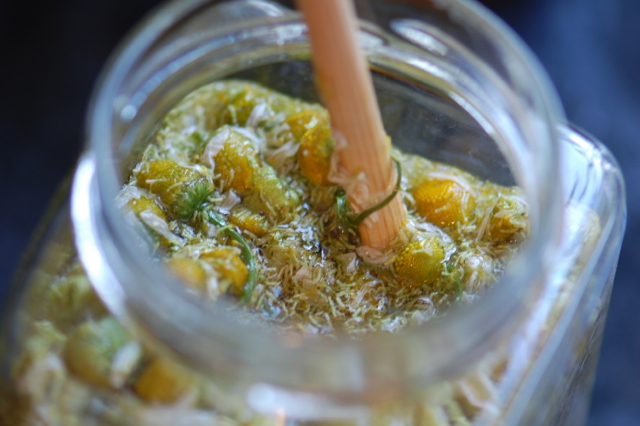
Chamomile in runny honey

____________________________________________________________________________________________

Making a herbal infused honey is very straight forward. All you need is a jar, a chopstick or spoon, some honey and your herb of choice.

You can use dried or fresh herbs. The benefit of fresh herbs is that they are softer so will be nicer if left in the honey where as dried herbs will be a bit chewy and you will therefore probably want to strain them out before eating. Also, the aromatic quality of freshly picked herbs is often much more vibrant. The drawback of fresh herbs is that they can make your honey more liquid, which is why it is good to use a thicker honey for infusing fresh herbs into.

You can use set or runny honey but if using set you’ll want to warm it in a pan of water to liquefy it before pouring. Just warm it enough to stir and pour, never overheat honey, as it will destroy the beneficial enzymes.

Always get good quality honey from a reputable supplier where you know the bees are well cared for.

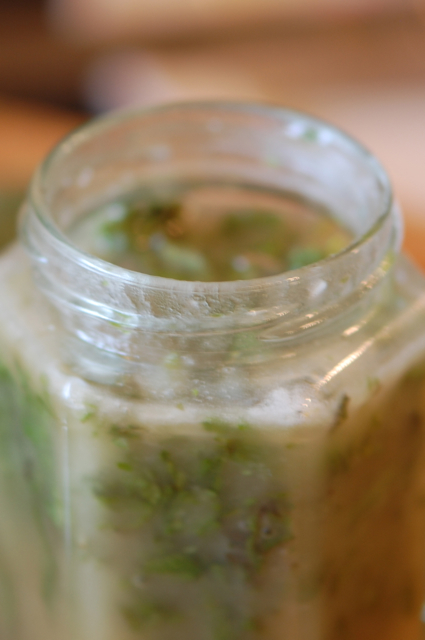
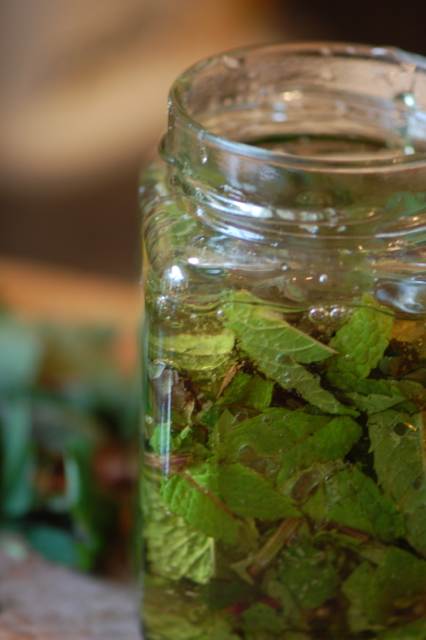
Mint infused honey

Method:

First lightly pack your jar with herbs. Don’t cram the plant material in like you would if making a tincture, as you want plenty of space for the honey to go in and move around.

Next pour your honey over the top, stopping every now and then to give it a good stir. When you have fully covered all the plant material with honey, give it another stir and leave on the side for a fortnight before eating, stirring every couple of days or so to re-integrate the plant material.

If you wish to strain the plant material out then leave it for a month before straining.

For softer plant parts like rose petals or thinly sliced lemon balm leaves you can happily leave the plant material in the honey and enjoy just as it is however for tougher plants or those with bits of woody stem, you’ll probably be better of straining it out through a coarse sieve. Gently warm the jar with the infused honey in before you strain it to make sure you get the most honey out of the plant material. You can keep the spent herbs in the fridge for a few days and infuse in hot water to make sweet teas if you wish.

Give it a good stir!

Herbal honeys can be eaten as a delicious food, either alone, on bread or crackers, in salad dressings or teas or anything else you fancy. They can also be used medicinally. Though weaker than a tincture, they will still carry the medicinal qualities of the herbs and can be taken internally or used externally where they are particularly beneficial for minor wounds or burns. Lavender or chamomile are particularly nice for this purpose. Sage or thyme honeys are lovely taken for a sore throat and chamomile can soothe digestive problems that are exacerbated by anxiety. The fact that these honeys are both gentle and delicious makes them fantastic options for children, though remember that many people advise against the use of honey in children under two.

They can also be used cosmetically, either as a simple face wash or as a soothing anti-bacterial face mask. I sometimes mix a small teaspoon of honey with a little ground almonds to make a skin brightening (and delicious!) facial scrub.

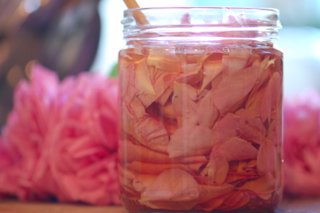
Scented rose petal honey

There was also a lovely post recently on Nettlejuice about honey medicine which you can read here.

A Joyful Lammas Day


Lammas, or it’s Gaelic equivalent Lughnasadh, is celebrated today in honour of the first harvest, the wheat harvest. Lammas is derived from the Anglo Saxon for ‘loaf-mass’ but was also known as the ‘festival of first fruits’ as the first berries are now starting to ripen in the hedgerows.

This is a time to be grateful for all the beauty of the natural world; for the harvest of herbs and foods, for the wildflowers and the insects that pollinate them, for our communities of friends and family and for the waters that feed the land and its creatures.

So often the nature of the human mind is to look for what is wrong and find ways to fix it. The coming months are a time to reap what we have sown and dwell in the simple gratitude of what we have, not looking for ways to change it or to make it better but just to be honest- as for most of us there is always more to be thankful for than there is to fix.

As Lammas draws to a close I am reminded of the closing words of the Desiderata:

And whether or not it is clear to you, no doubt the universe is unfolding as it should. Therefore be at peace with God, whatever you conceive Him to be, and whatever your labours and aspirations, in the noisy confusion of life keep peace with your soul. With all its shams, drudgery, and broken dreams, it is still a beautiful world. Be cheerful. Strive to be happy.


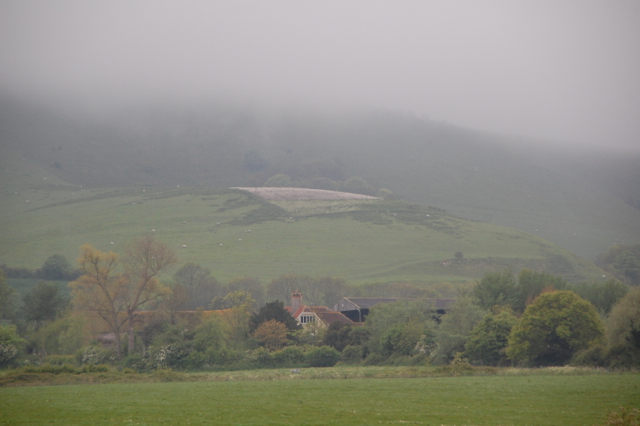
So it’s been gloom, gloom, gloom here in Sussex, as in so much of the UK, for most of the summer so far. Whilst I appreciate that Mother Nature’s patterns are greater than I can understand, the continual rain, mist and grey skies have started to feel a bit depressing over the last week or so. Summer is due to arrive in the next couple of days however and I know many of us are looking forward to enjoying a bit of sunshine. In the meantime I’m joining in with Debs and other bloggers over at Herbaholic’s Herbarium for a July Blog Party, the topic of which is ‘herbal sunshine’.

Lavender

Lots of herbs are at their peak during the summer and even though the weather has been poor, plenty of flowers and aerial parts are ready to harvest in the gaps between showers. Some of the herbs that I associate most strongly with summer are the herbal aromatics, many of which are native to the Mediterranean and somehow seem to carry the very essence of the sun with them, even here in this damp UK summer.

Aromatics are herbs with a strong taste and aroma. The aroma is created by volatile oils within the plant and can serve in numerous ways; to attract pollinators, as part of the plant’s immune system or to taste unpleasant to grazing animals. Many plants contain these volatile oils but only those with strong aromas contain sufficient quantities to really be considered true aromatics.

Thyme

What all the aromatics have in common is an ability to open up and move the body’s energy. They help to avoid stagnation and disperse anything that is stuck. They are great at drying dampness and moving the congestion that it often causes and they help us to feel brighter, more energised and uplifted as a result. Many people have commented to me that the weather has left them feeling sluggish and tired over the last couple of months and aromatics are just the thing to get everything moving again.

Therefore some could be used to move stuck catarrh in the sinuses, some to dispel gas in the gut and others to promote sweat and let go of trapped heat in the body. Think of how thyme or eucalyptus feel in the lungs, how peppermint feels in the gut or how ginger feels in the circulation; they all have a quality of movement and dispersing energy. The volatile oils in aromatic plants escape easily into the atmosphere when in the presence of warmth or light, that is why we can smell them in the air on a summer’s breeze. This ability of the volatile oils to move upward and outward reflects what we feel in the body when we take them, they move through us and clear the clogged up pathways as they go!

Mint infused honey.

They have a similar effect on a mental/ emotional level, opening and uplifting us when we feel glum and heavy. There is no doubt that a moderate amount of sunshine encourages feelings of joy, openness and relaxation and the aromatics can help fill that gap when the sun is nowhere to be seen. In fact, many of them are effective nervines such as lemon balm, lime blossom, chamomile, lavender or rosemary.

Many aromatics are warming and therefore useful for people who tend to feel the cold. Some however such as peppermint, rose and lemon balm are more cooling and therefore suitable for calming people who are hot.

Aromatics tend to have a positive effect on the digestion and the warming ones will stoke the digestive fires and improve metabolism. The more cooling ones often help to dispel gas and calm spasms and digestive cramps. One thing that is fantastic about these herbs is that they give their aromatic constituents up easily to a variety of different mediums and therefore make excellent infused oils, honeys, vinegars, teas and tinctures.

Lemon balm

Many of our favourite and best known herbal teas are made with aromatic herbs. Think mint, chamomile, fennel, lemon balm, cinnamon and ginger as examples. Most aromatics have quite a bit of cross over in their actions but some will have a certain resonance with a particular effect or area of the body such as thyme with the lungs, fennel with the digestion and rosemary with the circulation.

Teas that are particularly uplifting when the weather is poor include lemon verbena, lemon balm, rosemary, rose and cardamom as all these have a gently uplifting and cheering quality.

Adding generous amounts of  fresh oregano, sage, thyme, marjoram, basil or rosemary to our food also gives us this wonderful aromatic effect.

Infusing honey or vinegar with aromatic herbs and adding to foods is another lovely way to integrate them into our daily lives. Also, infusing them in oil and massaging them over the body can be delightfully restorative, or use a few drops of an appropriate essential oil mixed with a base oil to enjoy the beautiful aromas another way.

In this way we can go to the sun… even if the sun won’t come to us!


Despite the incessant rain, I have been lucky enough to get good harvests of two of my very favourite plants recently; vervain from my garden and avena, or milky oat seed, from a local organic farm along with my friend Therri (known to some as the herbal muse!). Friends that I studied with used to tease me for giving these two herbs to nearly everyone that came into our clinic but they are so useful, healing and restorative that there seemed few cases where they were not indicated! Now that the vervain is about ready for pressing I thought I would share with you a few of the many reasons why I so love this wonderful plant ally. Common Name : Vervain. Also Wizard’s Herb, Herb of Enchantment, Simpler’s Joy, Holy Herb.
Latin: Verbena officinalis
Family: Verbenaceae
Botanical Features: A perennial herb native to Europe and parts of Asia. It has toothed, opposite leaves on spindly, branched square stems with spikes of tiny fairy-like flowers, whitish- mauve in colour.
Key constituents: Iridoides including verbenin and verbenalin, flavonoids, volatile oils, phenylpropanoids, triterpenes, mucilage, tannins and saponins.
Actions: Nervine, anti-spasmodic, sedative, diaphoretic, hepatic, alterative, galactogogue, aphrodisiac, emmenagogue, thymoleptic, vulnerary, hypotensive, anti-bacterial.
Energetics: Cooling and drying. This is a different but related species to the American native, Verbena hastata, or blue vervain, which is used in a comparable way. I have never worked with, or even tasted, this variety so I can’t make any comparison myself. It is also important to distinguish it from lemon verbena which is confusingly sometimes also called vervain. Whilst both plants belong to the wider Verbenaceae family, lemon verbena, Aloysia citrodora, (formerly Lippia ctrodora) is of a different genus. Though often described with words like, ‘straggly’, ‘meagre’ or ‘weedy’, for those who appreciate the small and the subtle, vervain is one of the most beautiful plants in the garden. It used to grow freely in the wild but is not so common these days. In fact I think I have seen it growing abundantly in the wild only twice, usually I just see a few plants here and there, so it is a plant best cultivated if you wish to ensure a harvest. The ethereal grace of vervain is hard to capture in words or images but when you sit with this plant it appears as if illuminated by the softest of radiances. To me it seems the very embodiment of the fey here in this physical world. Along with Meadowsweet, which I wrote about last week, Vervain was another of the Druid’s most sacred plants and it is often referred to as the ‘Druid’s herb’ or ‘wizard’s herb’. Interestingly it was also revered by the Egyptians, Greeks and Romans and was used as an altar herb in all these cultures. In folklore vervain was the plant used to staunch the bleeding from Christ’s wounds after he was bought down from the cross. As is so common with herbs that were popular in pre-Christian Europe they are associated both with witches, enchantment and devilment (due to their popularity in pagan times) and with holiness and therefore protection from those same forces (due to the usurping of powerful symbols by the new ideology.) From the sunny Mediterranean to the damp shores of the UK, vervain was once considered something of a cure all and was a favourite of Hippocrates himself. Tales of vervain as a universal panacea became somewhat overblown as it was considered to do such diverse things as grant love, heal any wound, treat the plague and even bestow immortality. Gerard scorns this over enthusiasm in his herbal of 1597 saying, “instead of a good and sure remedy they minister no remedy at all; for it is reported that the Divell did reveal it as a secret and divine medicine.” The truth, as is so often the case, lies somewhere in the shifting sands between. Of course it cannot bestow immortality but it does have the ability to assist in an impressive range of health conditions. These days vervain is used primarily as a relaxing nervine with a particular affinity for the digestion and the liver/ gallbladder and this is certainly the main way that I use it. Culpepper describes it as being useful for people who are ‘frantic’ a particularly apt description I think as it calms and centers the stressed out, workaholics of this world. However it is also a fine nervous system restorative so it’s ideal for those that have been frantic and are now exhausted as a consequence or for those who are deficient due to prolonged stresses and strains. It is wonderful for sensitive souls who feel easily overwhelmed and tend to nervousness and restlessness which often manifest as constriction, cramps and poor digestion. It is a helpful herb in convalescence for this very reason and Bartram recommends it in cases of ME and post viral fatigue. It has a very calming effect so it is helpful when we feel scattered and fearful or anxious. Due to it’s affinity with the liver it is also helpful when we are irritable or angry, making it a prime tonic herb for PMS. It’s antispasmodic and calming actions help to soothe menstrual cramps and its cleansing effect on the liver helps to flush out hormones whilst increased bile flow from the gallbladder aids in bowel function and elimination. It is often used in cases of hormonal headaches due to these same effects. It helps to open and move congestion which is often an underlying factor in menstrual complaints. As vervain is slightly stimulating to the reproductive system it is best avoided in pregnancy. It has however been used to assist with labour.

_________________________________________________________________________________________ It is a helpful ally throughout the menopause as well and helps to reduce hot flushes, dispel headaches and irritability and improve sleep. It has a hypotensive effect and can assist with palpitations. It should be teamed with more moistening herbs if dryness is a factor however. One of the reasons it helps with hot flushes is because it is a gentle diaphoretic when taken as a hot tea. This means it helps to open the periphery and release excess heat. For this reason it was often used in cold and flu blends. I don’t really use it in this way as there are other diaphoretic herbs that taste more pleasant in tea form such as elderflower, lime blossom and peppermint, but if I was in a pinch then I would certainly turn to vervain. Like many diaphoretics, when taken as a cold tea the action is more diuretic so it can be useful for promoting kidney function and has even been used for kidney stones in the past, probably due to it’s mix of anti-spasmodic, pain relieving, diuretic and tonifying actions. Vervain is certainly a key herb for promoting digestive function as it increases digestive juices, improves absorption and assimilation and promotes bile flow and emulsification of fats. It helps to stimulate the appetite and also relaxes the stomach when tension is held there, both of which are key for promoting digestion. When we are stressed out, our digestion shuts down as it is seen as non essential when we are dealing with a serious threat and the ability to breath deeply, run away or fight is prioritised. Chronic stress results in chronic digestive tension meaning that the digestive juices don’t flow well, we feel less hungry and our energy is sourced from our adrenal glands. This in turn places stress on the liver and we can become prone to cramps and spasms as the nervous system goes into overdrive. It combines very nicely with chamomile and gentle digestive spices where this is the case and is an important herb to consider in cases of IBS because of it’s affinity with both the nerves and the digestion. It’s gentle astringency made it popular as a wound herb in the past and also as a mouthwash for sore, bleeding or inflamed gums. This ability to tone mucus membranes along with the antispasmodic action means it was once used to treat coughs and asthma. Juliette de Baïracli Levy recommends it, ‘for pulmonary ailments, including asthma, pneumonia, tuberculosis, whooping cough.”

Vervain is pretty hardy, this plant grows out of the concrete on my front path.

Vervain is bitter-bitter, of this there is no denying, but it also has a kind of softness that other bitters often lack, making it both grounding and uplifting all at once. It is considered a thymoleptic, that is a substance that favourably modifies the mood and is therefore useful in cases of mild depression, especially when it’s accompanied by anxiety. Like many diaphoretic herbs it has a gently opening quality which makes you feel more present and connected, less closed in and contracted. It is a very balancing herb and it is perhaps because of this that I find it to be suitable for most people’s constitutions. Though some might disagree, due to it’s cooling and somewhat drying nature, it seems beneficial to almost everyone, especially when used with other herbs that are specific to an individual’s constitution. When working with someone with nervous and digestive complaints – which so often go hand in hand – it would always be high on my list of considerations. For the Vata person who can tend to be anxious and ungrounded it is ideal as a nerve restorative and anti-spasmodic. For them I like to team it with something deeply nourishing like avena and a gently warming digestive spice like cardamom. For the Kapha person who can be heavy, damp and sluggish it is great to clear obstructions, and promote the flow of bile from the gallbladder. I would want to add something more heating and drying such as dry ginger and rosemary for this individual. For the Pitta person it’s qualities are ideal to drain excess heat, calm stress and hypertension and release irritability. For these folk it is nice with skullcap and melissa or peppermint. For the most part I use vervain in tincture form as it is a bit bitter to make a pleasant tea. You can also make capsules from the dried and finely ground herb if you prefer however. There is no doubt that this is one of the most useful and precious herbs in my dispensary as well as one of the most beautiful in my gaden. When I read of how people in India venerate the sacred herb Tulsi, also known as the ‘Incomparable One’, I always think of vervain as the European equivalent. Though we may not treat it with such respect in this day and age, it’s importance is no less diminished and it’s offerings no less profound as a consequence.

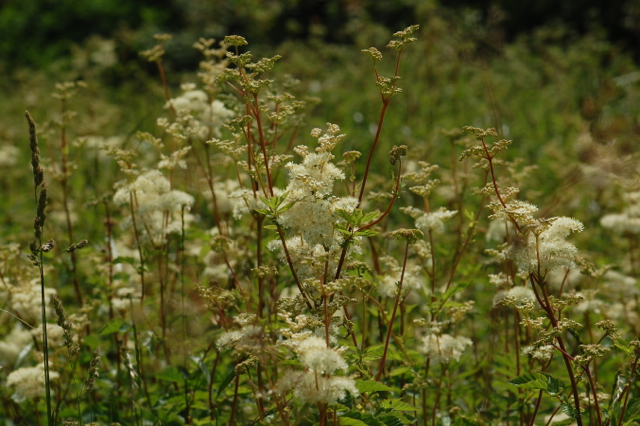
Last week I had the pleasure of harvesting meadowsweet on one of the few sunny days so far this summer so I thought it would be an opportune moment to share some information and thoughts on this most useful of herbs.

Common name: Meadowsweet. Also Queen of the Meadow, Brideswort, Meadwort.
Latin: Filipendula ulmaria.
Family: Rosaceae – Rose family.
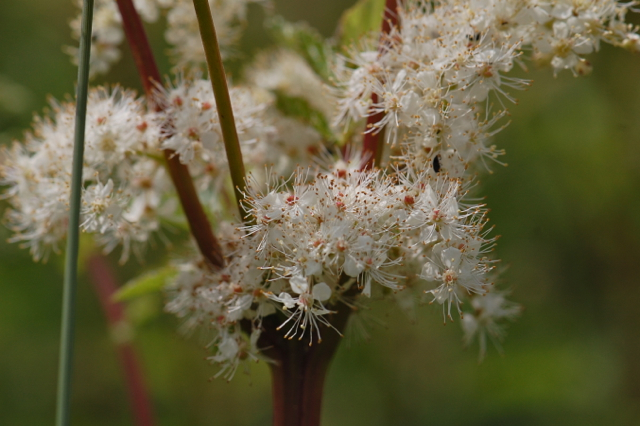
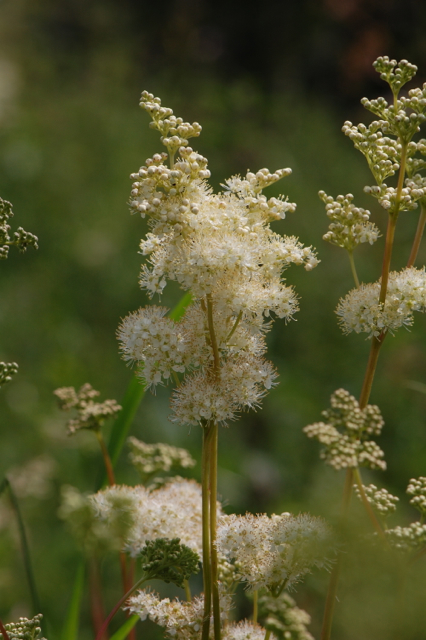
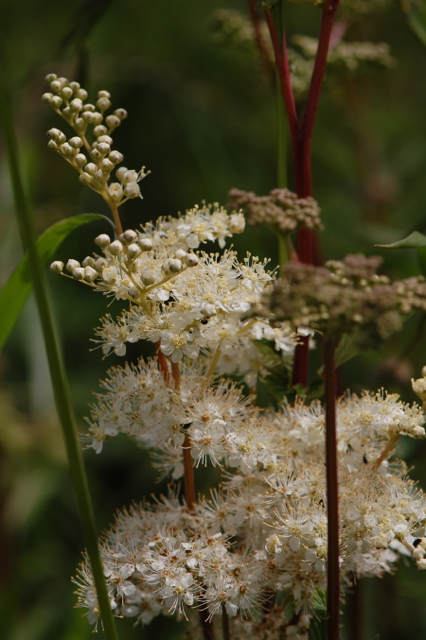
Botanical features: A perennial herb that enjoys damp conditions and grows abundantly throughout most of the UK in meadows, ditches, road or stream-sides. It has reddish brown stems growing up to 1.5 metres high and deep green pinnate leaves that are paler on the underside. It bears creamy puffs of tiny, fragrant flowers that bloom between May and August, though I personally have never seen them before mid June.
Key Constituents: Volatile oils, methylsalicylate, tannins, mucilage, flavonoids, phenolic glycosides.
Actions: Anti-inflammatory, anti-rheumatic, antacid, stomachic, astringent, diuretic, diaphoretic, carminative, anti-emetic.
Energetics: Cooling and drying.

The name meadowsweet  is said to come, not from the fact that it grows in meadows as one would expect, but from its early use to flavour mead, evolving from Middle English Medewurte, as it appears in Chaucer’s The Knight’s Tale. 

This is a herb that has had its place through all the ages of European history. Evidence of meadowsweet has been found in several Bronze Age burial sites suggesting the value placed on it even many centuries BCE. The Druids are said to have considered it one of their most sacred herbs for use in ritual and medicine and it was a favourite of medieval herbalists too, being regularly used by folk healers and monastic communities alike. It was prized at this time as a strewing herb, one that was used to cover floors in medieval homes and churches to disguise unpleasant smells, reduce fleas and lice and help counter infections.

In Irish mythology, Cú Chulainn, the warlike hero of the Ulster Cycle, is said to have used meadowsweet baths to calm his rages and fevers and in Wales, the beauteous but adulterous Blodeuwedd, was made by two magicians from the flowers of oak, broom and meadowsweet.

It is perhaps most famous for its role in the development of aspirin however, a drug named after its previous Latin name, Spiraea ulmaria. In the mid nineteenth century salicylic acid was isolated from meadowsweet which lead to the later creation of aspirin.

Within the herbal world meadowsweet is very much considered a specific for the digestive system but it had many other uses in traditional medicine that have now mostly fallen by the wayside. Just like Cú Chulainn, people commonly used it as a treatment for fevers where it works through a gentle diaphoresis as well through the effects of salicylic acid in reducing inflammation and heat. It was used to treat hot conditions in other ways too; cooling sunburn, as a wash for inflamed eyes, as a compress for swollen, arthritic joints, to give relief from headaches and for calming an irritated cough. It is interesting that even before the discovery of salicylic acid many people used meadowsweet for conditions that they may take aspirin for today.

The smell is very distinctive and I have heard it compared to everything from deep heat to marzipan to pickled cucumber! To me it smells sweetly fragrant with an edge of the disinfectant TCP that I remember from childhood. Interestingly I recently found out that TCP contains salicylates so perhaps there is method in my madness after all!

In fact, meadowsweet is sometimes referred to as ‘herbal aspirin,’ a name which I find both inaccurate and vaguely insulting to this multi-talented meadow queen! It is noted, at least in the herbal community, that meadowsweet is a fine example of how nature so often buffers chemicals that can do damage with others that soothe and heal. So where as aspirin can increase the chances of indigestion, GI bleeds and ulcers, meadowsweet can be used to heal these exact same conditions.

Despite its cooling and drying nature, meadowsweet can be considered a normaliser for the digestion in the majority of people as it can help to balance both high and low stomach acid. This is interesting as it is increasingly acknowledged that symptoms of heartburn and indigestion can be caused by both hyper and hypo acidity in the stomach. As an astringent it helps to tone the stomach and the mucus membranes and it also increases their rate of cell renewal allowing irritated areas to heal quicker.

Due to its volatile oil content it has a carminative action and it also has some bitterness which can help stimulate digestion, increase bile flow and therefore relieve congestion in the liver. The astringency is balanced somewhat by this ability to stimulate and move so that it can still be effective for those with under active digestions. One herbal friend of mine uses it for everyone with gut problems and just moderates the actions with other herbs specific for the individual.

This effect on the mucus membranes can also be seen in the urinary system where it has been employed to treat cystitis through it’s healing, anti-inflammatory and anti-bacterial properties. It is also considered mildly immunomodulating and a useful diuretic.

You can use it as a tea, preferably taken hot for fevers to help stimulate the diaphoretic action and slightly cooler for digestive discomforts. It is gentle enough for use with children in whom it has been found effective in treating diarrhoea. Tincture is the way I most commonly use it and it is particularly nice made from fresh flowers in 25% alcohol.

A compress made from a flannel soaked in hot meadowsweet tea is an old fashioned remedy for arthritis and gout.

The general wisdom is to avoid this herb with people who are sensitive to salicylates or if they are taking warfarin as there is the potential of an additive effect.

“How lovely she is, queen of the springs and of the running brooks, standing there in the damp shady places with her big clouds of flowers; little white flowers that make up big feathery tufts and give off a strong sweet perfume.”

Maurice Messegue

June Is For Roses

June is almost behind us now but I couldn’t let it disappear completely without paying homage to the rose – for June is all about elderflowers and roses!

As anyone who has been following this blog for a while knows, I (like many others) am a sucker for roses. There is so much you can do with them at this time of year, for the kitchen, the bathroom or the medicine cabinet, and all will bring that gentle honeyed sweetness into your life, uplifting the spirit and gladdening the heart. In this post I wanted to share some pictures of a few of the roses currently in bloom along with some ideas about how you might want to use them.

Old favourite Margaret Merril has the most perfect blooms and a deliciously delicate scent.

Alex’s Red has suffered a bit with blackspot this year but the blooms are beautifully formed with a gorgeous deep burgundy hue. I have heard that you can treat blackspot with a spray made of a 50/50 mixture of milk and water but I haven’t tried it yet to confirm.

Below is a new addition, Cariad, which I bought last year as a bare root almost purely for the name which means ‘love’ in Welsh. It actually looks quite different from the photo I saw but I like it anyway and it looks lovely with red campion and vervain planted infront.

Scepter’d Isle is an even softer, warmer pink which is very relaxing to look upon. She can go a bit brown in heavy rains but now the weather is a clearer she is in finest of forms.

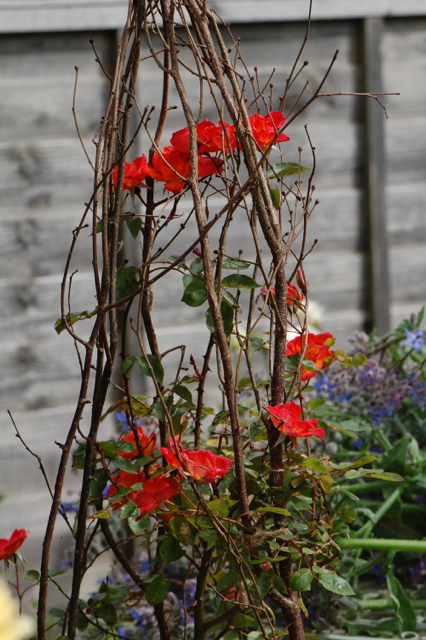
Warm Welcome is a miniature climber that was bred by my uncle. Both he and my great grandfather were rose breeders so I guess some degree of obsession must be in the blood! Both have also written books on the subject. A tipi support of hazel twigs lends this rose a fairytale charm.

Jude the Obscure is one of the most beautifully fragranced of all the roses. At this time of year I can hardly walk down the garden path without stopping to bury my nose in the blooms whilst my husband attempts to hurry me along calling ‘go, go, we’re going to miss the train!’

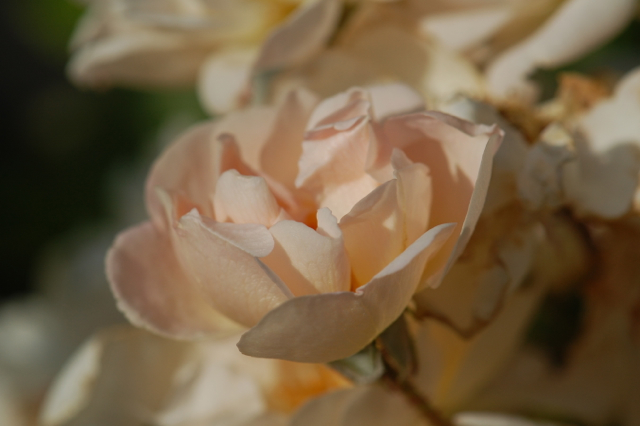
Goldfinch is a lovely small rambler that I bought to grow over the unsightly oil tank situated by our garden gate. The flowers are a soft apricot hue that fades to cream as they age.

The rose is the plant that is perhaps most closely associated with the heart and this summer I noticed an interesting connection between the two. The petals of the rose open in a spiral looking not dissimilar to the heart muscle itself which recent research has proven is actually one muscular band that pumps and suctions blood by opening in a spiral. You can see a video of this here, be sure to watch right to the end when you see how the heart actually pumps, it is quite amazing to behold and something of a revolution in the study of anatomy. Comparing the two put me in mind of the the doctrine of signatures, the idea that something in a plants aspect gives us clues as to what it can be used for.


_____________________________________________________________________________________
Along with the Apothecaries Rose and the local wild roses, Gertrude Jekyll is the rose I use most for medicine making. I wrote this post last year about using it in tinctures but it also makes the most fantastic infused vinegars, honeys and elixirs. It has a particularly high yield of essential oil so it imparts a beautifully sweet rose flavour to whatever menstruum it is infused in.

To make a rose infused vinegar or honey, all you need do is lightly pack a jar with any highly scented, unsprayed rose petals and cover with your liquid of choice. As the petals are so delicate they give up their flavour easily. If you leave the petals in the honey it can be used almost immediately but if you prefer to strain it then let it infuse for a couple of weeks first. A week is enough time for the vinegar. Remember to cap your vinegars with a plastic rather than metal lid to avoid corrosion.

To make a rose elixir you follow the exact same process but fill the jar a third full of honey and two thirds of brandy or vodka to cover the petals. This is a nice mix of the deliciousness of a honey infusion with a stronger alcohol extraction which will result in a more potent medicinal effect. This can be strained after only a day or two as the volatile oils in the plant are easily extracted into the alcohol and the medicine will become more bitter and astringent as time progresses, something that may not be desirable if you want to maximise the flavour of the end product. Rose petals are also delicious in a salad and look beautiful with other edible flowers. Danielle at The Teacup Chronicles recently posted a recipe for a strawberry and rose petal salad which looked delectable.

At this time there are so many roses in bloom that I can’t resist picking a few for the kitchen windowsill. Gazing at them and smelling their sweet scent on the air helps to make doing the washing up a far more pleasurable task!

Roses, chamomile and nigella.

Borage, valerian and rose.

_______________________________________________________________________________
I just love this time of year when everything in the herb garden is overflowing; with colour, scent, the buzzing of insects and the joy of being, expressed in its fullest.

The intermittent sun and rain have ensured lush growth on everything. Several things have bolted like the lettuces, parsley and this 8 foot monster lovage.

Lovely lovage.

Parsley gone to seed.

However plenty of other things are just opening, the feverfew and vervain included. I adore vervain, Verbena officinalis, it is easy to see why it was considered a sacred herb by the Druids, it has such a magical quality to it.

Feverfew

Vervain

Many herbs are in full bloom and perfect for harvesting now like lavenders, thymes and white horehound.

Thyme

Lavender

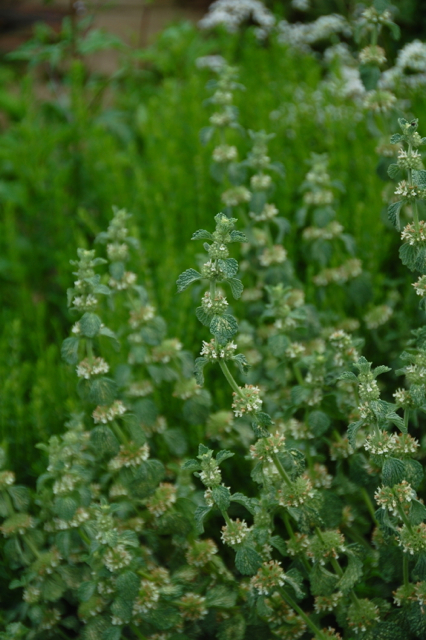
White Horehound

_______________________________________________________________________________

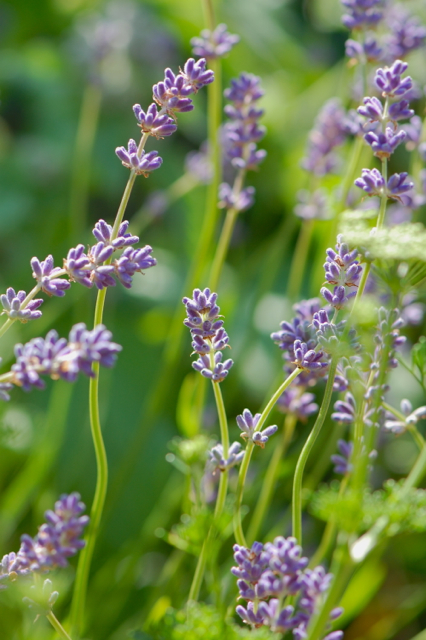
Lavender – Edelweiss

The garden is full of one of my favourite flowers, Nigella, or love-in-a-mist. This year I not only have the usual blue variety but some gorgeous pink ones, Mulberry rose, the seeds for which were sent to me so kindly by Cheryl last year.
One of the real highlights of summer is the vibrant colours, sun-filtered and glowing so that even in my tiny plot there is always something new to marvel at. Yellow loosestrife is a beautiful wildflower but one I grow in pots due to its over zealous nature!

Yellow loosestrife

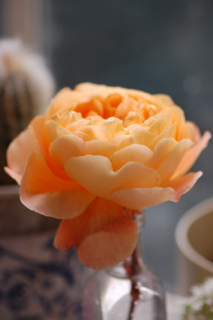
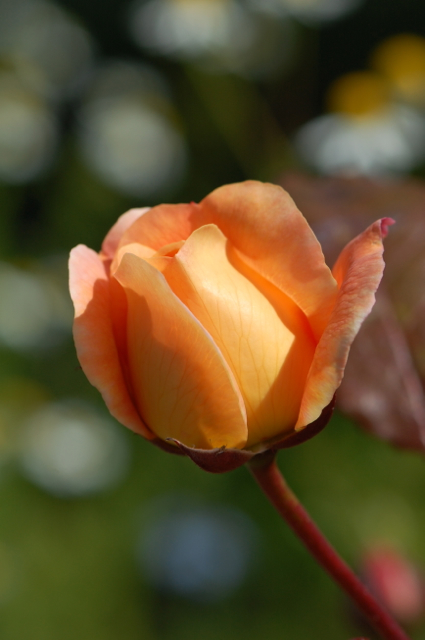
Rosa ‘Lady Emma Hamilton’

_______________________________________________________________________________

Even simple salad vegetables can be among the highlights of the garden.

Tree spinach

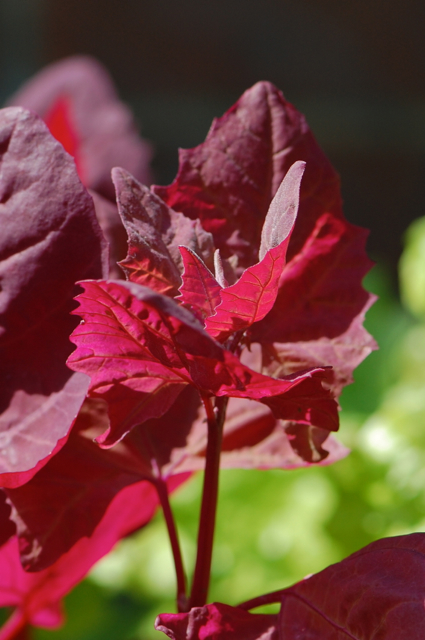
Red orach

_______________________________________________________________________________

These lovely little sea thrifts were given to me by my father who grew them from seed.

What are the highlights of your garden right now?