Feeds:
Posts
Comments

There have been some beautiful posts written in celebration of Earth Day this year and each one has a slightly different flavour. I hope you enjoy them as much as I have, it is very special indeed to be reminded of how many people feel a deep and sacred connection to Mother Earth and wish to acknowledge her as part of their own being.

Leslie at Comfrey Cottages has given us a lovely lesson in the inspirations behind Earth Day, how it began and how it has grown to be a world wide event. You can read her post here.

Michael over at the always entertaining Mad Crow Herbalism has reminded us of the many ways we can strengthen our connections to the earth, even if we live in the middle of the city. Read his ideas and reflections here.

Sarah has encouraged us to plant some wildlife friendly cowslips in our gardens with this delightful post here. I do love cowslips, don’t you?

Susan at Stardragonfly Herbals gives us a virtual tour of her herb garden and reminds us why everyday should be Earth Day here.

Maggie has shared some thoughts and a lovely piece of poetry with us for her Earth Day contribution here.

Bridget at Arigna Gardener has reminded us of the wise and beautiful Earth Commandments. How wonderful if we were to hold these in mind just for a moment each day. Read her post here.

Over at The Sage Butterfly there is an Earth Day Reading Project and giveaway running throughout the month of April all about books that have inspired us to live more sustainably or feel more connected to nature. You can find out more about it here. 

Danielle has written a delightful post in praise of spring wild foods gathered from the woods behind her house that will be sure to have you drooling. Read her beautiful post here.

Finally my own post, an ode to the South Downs, can be read below or here.

I also came upon this post today by one of my favourite artists, Jackie Morris. Sit down for a few moments and listen to her magical story of the Snow Leopard, a perfect way to pass a few special moments on Earth Day.

I have lived the majority of my adult life in East Sussex and over the years have come to love the South Downs with their soft rolling beauty, their expansive views over fields and sea and their wide variety of wild flowers and grasses. As today is Earth Day I thought it would be a fitting time to pay tribute to a part of the Earth that I feel so connected to.

Our house nestles beneath the chalk hills of the South Downs on the clay of the Low Weald, with views stretching out to the sandy soils and remaining pockets of ancient woodland of the High Weald to the north. The variety of different soils and environmental conditions in this part of the world make for a fascinating array of plant and wildlife, all within a relatively small area, including heath, woodland, wetland, farmland, the coastal regions as well as the chalk downland itself.

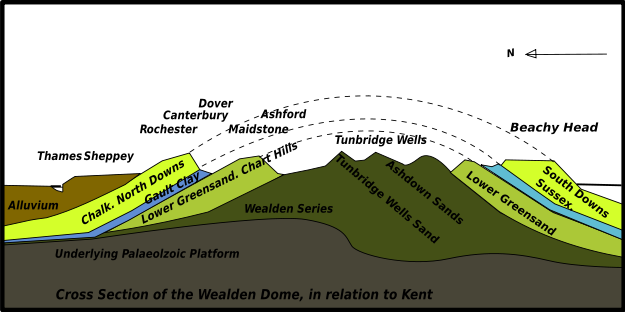
The North and South Downs, with the Weald between them, lie across a good part of southern England, running east to west, forming a series of hills, ridges and valleys. Interestingly they were formed from one large upfold of the Earth’s surface which has eroded away at different rates due to the different rocks contained within it. This diagram (borrowed from the ever helpful Wikipedia) shows how the Downs have eroded away to form the furrowed landscape we know and love today. 

The dense clay soil of our garden changes to thin chalky grassland only a short walk up towards the Downs. As the soft clay was most easily eroded, these areas form the lowest points in the area and support different types of plants due to holding more water and nutrients. The old saying ‘as different as chalk and cheese’ comes from the distinction in areas like this between the thin, chalky soil of the Downs themselves, only suitable for rough grazing by sheep, and the dense clay which would support the lush pastureland suitable for cattle farming and therefore, cheese making.

As different as chalk and clay, or cheese.

The chalk of the Downs, laid down over some 20 million years, is made of a soft white limestone that is formed from the skeletons of long passed marine creatures, interspersed with bands of hard flint. It never ceases to amaze me how these hills that seem so solid and unchanging are made from the bodies of creatures that lived nearly a hundred million years ago. It is a daily reminder of inter-being and connectedness, how everything we see only is because something else was, how nothing and no one is alone or apart, how everything flows into one and we are all a part of each other. Above all it is a reminder that, in the scope of history, my own concerns are but small ones.

The escarpment that shelters our house is one of our favourite places to walk and we spend many hours gazing at its beauty, picking herbs and dreaming.

Walking up it you are rewarded for the steep climb with wonderful views of the surrounding area, mostly fields and small patches of woodland with reservoirs and waterways glinting in the distance.

You are sure to meet a curious sheep or some of the friendly resident wild ponies on route…

and at the top you are greeted by the sea, stretching away before you to the South.

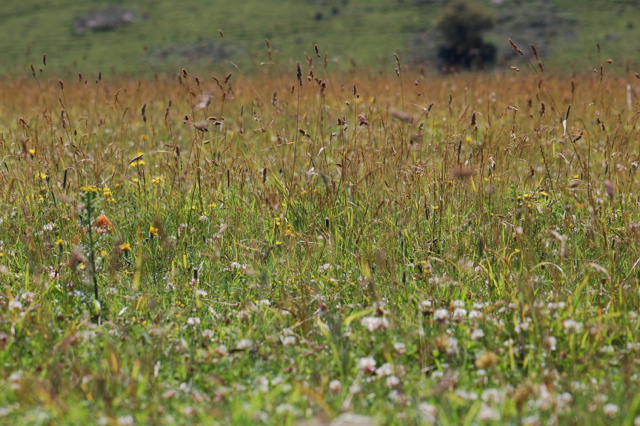
Even though the soil on chalk downland is thin and dry, it is still one of the richest habitats in Western Europe. It is characterised by its springy grass, kept short by grazing animals, with patches of scrub mostly made up of hawthorn, blackthorn and gorse. Many wildflowers, including rare orchids, that do not do well in other conditions, thrive here on the lime rich soils. Poppies, cowslips, yarrow, scabious, round headed rampion, self heal, clover and bedstraw carpet the slopes at different times of year as well as a wonderful collection of native grasses. Many of these species are threatened which is why it is so important to conserve chalk grassland habitats. Much of the South Downs is now a national park and there are many conservation efforts underway which is heartening. My husband and I are both members of the Sussex Wildlife Trust, one of the 47 local Wildlife Trusts that cover much of the country. You can find out your local branch here.

These flowers attract a number of rare butterflies and insects too like the beautiful chalkhill blues.

The history of the Downs is rich and fascinating and archeological evidence shows they have been inhabited for thousands of years. Once upon a time they were covered in forest but it is thought the majority of trees were cleared as much as 3,000 years ago. Flint mines, hill forts like the one pictured below and numerous burial mounds have utilised and altered the landscape long before the Romans came.

Iron age hill fort

Though I have always found the Downs to be breathtakingly beautiful and a wonderful place to wander, it took time to feel really connected to them. Being first and foremost a lover of woods and glades, the high chalk hills with their incessant, pummelling winds felt somehow too intense and I would always seek out the most wooded areas to walk in.

Since moving to our current home however, I have come to see the very essence of Mother Earth in the sweeping lines and curves of the escarpment we view from our windows each day. Just like people, the land wears the forms of its history and narrative. It has been shaped by life and death, by rock and by salt sea winds, by wildlife and farmed animals and by the hands of many humans.

And it in turn has shaped our lives and our hearts in numerous ways, some of them too subtle to name.

I had forgotten entirely that it was my turn to host a blog party this month until I received a gentle reminder from Leslie over at Comfrey Cottages (thanks Leslie!) so please accept my apologies for the slightly short notice.

As April 22nd is Earth Day, I thought it was a perfect opportunity to host a blog party with that theme. It is open to everyone who would like to join in and the topic can be anything that reflects some aspect of our relationship to our beautiful Mother Earth. You might like to share sustainable or wildlife friendly gardening tips, ways to save water in these dry days, a recipe that honours the bounty of the Earth at this time of year, a picture or poem that speaks of your relationship to the Earth, photos, natural healing advice, inspiring books… anything that you feel moved to write about will be just perfect.

To join in simply write a blog post on your chosen Earth Day related topic and email me the link by April the 22nd at whisperingearth@gmail.com. I will share all the posts on the evening of the 22nd (UK time).

Even if you don’t fancy writing a post, you can make a pledge for Earth day here.  The aim is to get 1 billion pledges of small acts that help to change the world. A wonderful way to focus our intentions and ensure that every day is Earth Day.

The thing I love most about this time of year is the tangible pulse of life running through everything. The plants are arising, unfurling, awakening, so much is happening and yet there is no effort involved, no one is managing it or controlling it, life is fulfilling its own purpose all around us.

So often I am forced to stop and acknowledge that all the lessons I need in life are there in nature, taught to me by my garden or the hedgerows, implicit in the rising sun or the waning moon. Life just is, and we are nothing but life.

Though there isn’t much in flower right now, there is still so much variety in shape, form and colour in my little garden, each bud unique, none more beautiful or better than the other.

Rosemary flowers opening

Lovage uprising

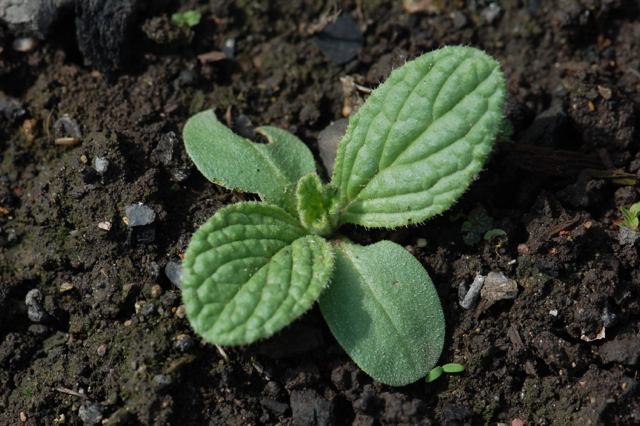
I love watching the first leaves of seedlings appearing and then seeing how they differentiate later on. The first leaves that appear are actually cotyledons, part of the embryo, so they look similar in all dicot plants. The next two leaves to appear will have characteristic features of the particular species. If you look at the borage seedling below you can see that the first two leaves are plain where as the later ones have the characteristic furry, furrowed look of a borage leaf.

Borage seedling - isn't it beautiful?

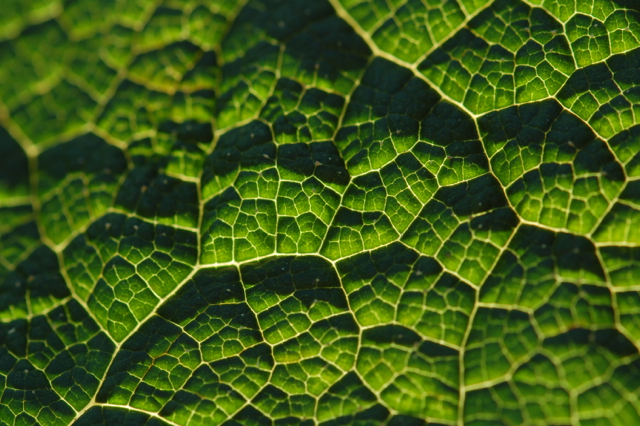
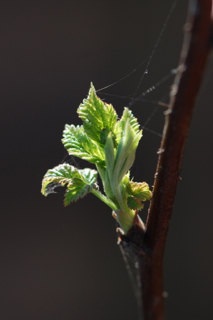
Each new leaf displays both beauty and function as the sun illuminates veins and cells. Unlike people, plants have no problems being completely themselves and displaying their vulnerability without attachments.

Raspberry leaf

I love to watch the new buds open on the forget-me-nots and lungwort (pulmonaria officinalis) and observe the freshness of the new seasons growth on the more subtly hued plants like lavender.

Lungwort

Lavender

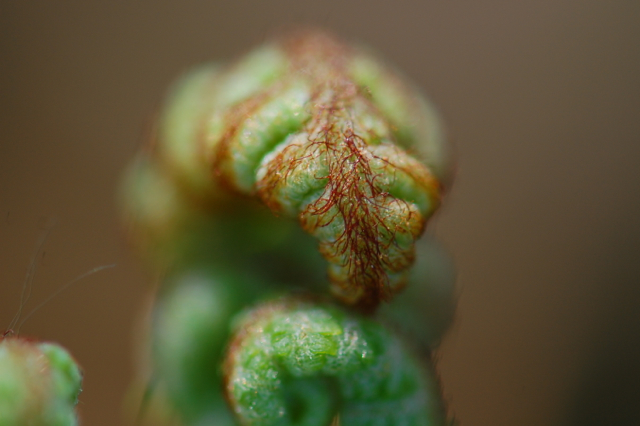
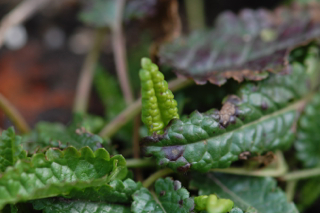
And what is more perfect in nature than unfurling ferns? Each one follows such a distinct pattern yet no two are alike. Like nature, like us who are no different to nature, they stand on the knife edge between order and chaos.

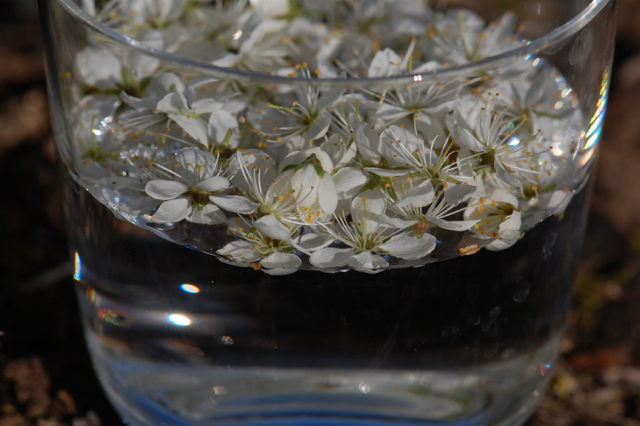
A bright sunny Sunday morning meant the perfect opportunity to get out early and make a Blackthorn blossom remedy.

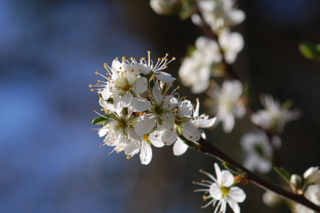
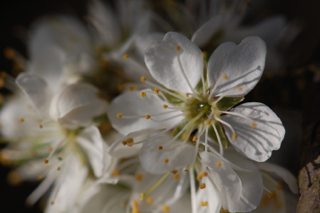
Blackthorn, Prunus spinosa, the same tree that gives us the deep blue sloes in autumn, has currently exploded into confetti-like blooms all over the hedgerows and woodland edges, making such a cheerful sight after the muted tones of winter.

Because the blossom of blackthorn comes out before the leaves the effect is even more striking as the pure white flowers stand out so dramatically against the hard, dark wood, without any background of green to soften the effect. This makes it easy to differentiate from the hawthorn, also known as whitethorn, whose leaves appear before the blossoms.

Blackthorn has long been associated with darkness; the unknown and mysterious, the subconscious and feared, and yet, in early Spring, it is the very epitome of brightness, beauty and expansion. As such it was considered symbolic of the cycles of life and death by our ancestors who honoured it as one of the trees in the Celtic alphabet or Ogham.

For me Blackthorn is the tree of transformation; from winter to spring, from darkness to light, from introversion to extroversion, from sadness to joy. It honours each part of the cycle as equal without only valuing the experiences that feel most pleasant. It is a great remedy for everyone to take as we emerge from winter but can be supportive all year round for those who are experiencing change or feel overwhelmed by negative emotions. Blackthorn will support us with moving through these whilst also helping us to go deep within ourselves to find the lessons in all our experiences.

It is important to understand that this, or any, flower remedy is not about superimposing a ‘positive’ emotion over a ‘negative’ one in order to live a life devoid of painful experience. They are just about offering support and the potential of opening up a little when we feel overwhelmed or constricted and thus unable to flow freely with our feelings. At some point we may find we no longer need them but until then we have them as support when the way ahead is unclear.

It has often been observed that the word emotion refers to energy in motion (e-motion) and this is a beautiful reflection. Emotions come and go, we as the witnesser of emotion remain in stillness.

However it is our habit, or the habit of mind, to immediately relate to every emotion that arises as a true and rightful aspect of who we believe ourselves to be. Thoughts such as ‘I am unworthy,’ ‘I am afraid’, ‘I am ugly’, or equally, ‘I am worthy’, ‘I am brave’, ‘I am beautiful’, remain unchecked and unverified and thus we believe them to be reality. Beauty, worthiness and bravery are concepts that exist in the mind only. Comparing them to other concepts lends them a kind of weight but what we as consciousness are is beyond all concepts.

It is formless, unchanging being and we are always it, whatever we may be experiencing in the moment.

When we begin to identify less strongly with our emotions the need to change them becomes less pronounced. We may still feel any number of strong emotions, from fear to grief or even hatred, but we no longer think these define us and so they do not make us suffer in the same way as before. In fact, often when the tempests come, we can find a joy and a peace that co-exist alongside them. Somehow we are both and neither, they simply arise in the vastness of our own hearts.

“I am not enough is a thought. I am enough is also a thought. They are not original to you… A thought without belief has no power at all but a thought with belief can start a war.”  Mooji

Spring is the perfect time for getting up close and personal with nature. Unlike later in the year when gardens and hedgerows are adorned with blossoms, bright flowers and expanses of green, in early spring you have to really look to spot all the small beginnings of beauty, all the tiny possibilities emerging from seemingly dried out twigs and all the unfurlings of potential and change.

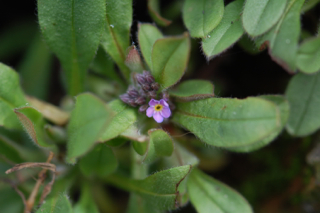
First forget-me-not opening

It’s the perfect time for going exploring with a magnifying glass and gaining a more intimate view of all the wonders of spring. I have two that I recommend, the first is an average magnifier, bought from an art shop for about £1.50 and useful for getting an overview of leaves, buds and insects. The second is called a loupe and is used by jewellers for closely examining gem stones. You have to get really close when using a loupe but it’s great for examining little details of a plant like veins, hairs on stems or stamens.

Magnifying glass and loupe.

On a pleasantly warm spring day you can pass hours like this and the rewards are as innumerable as the marvels themselves. It’s a wonderful activity to involve children in and such an inspiring way of appreciating a whole new dimension of the natural world. You can start to connect with things as if a much smaller creature and your imagination is fed by this new way of looking. Each tiny hair on the gooseberry leaves becomes defined…

Gooseberry leaves unfolding

Each bud so vibrant and alive in its becoming. Someone else was also appreciating this one.

New buds on the fig

Each new leaf displays its uniqueness. Veins, ridges, hairs, colour variations all become dramatic parts of a landscape when viewed so intensely.

Bright spring growth of Wood Betony

Tiny seedlings become like little trees.

And there is enough to wonder at in a single bud to keep you busy all morning.

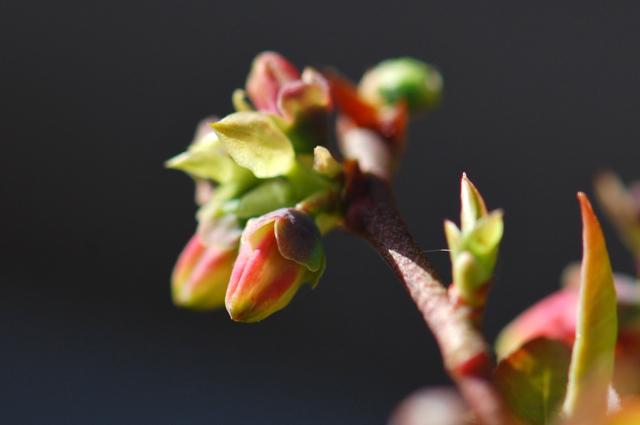
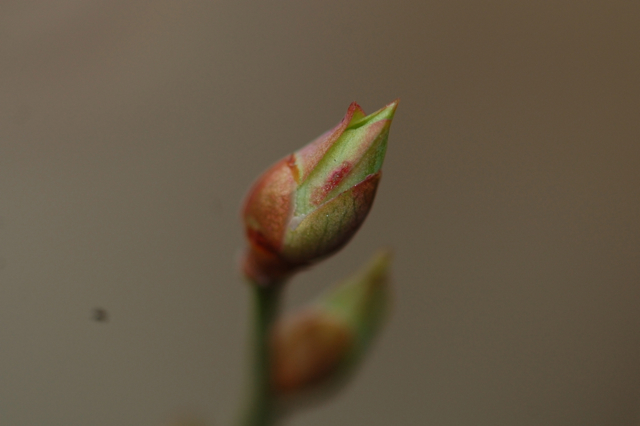
Downy buds on the blueberry

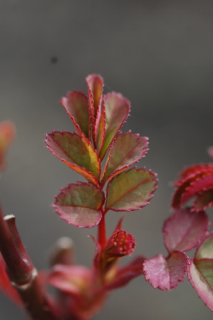
Looking closely at a leaf displays its many forms and colours. What first appears to be just red and green also has shades of yellows and purples, browns and blues.

Young rose leaf

Like the Frech soldier and writer Xavier de Maistre, who, in 1794, wrote the quirkily charming Voyage autour de ma chambre (Voyage around my bedroom) in which he explored the confines of his own room then wrote about it as if it were a great travel epic, we too can become strangers in a familiar land.

You can engage in this voyage even if you don’t have a garden of your own, as simply looking at a few houseplants or a window box can become a great adventure of discovery. Failing even that you can plot adventures through the un-explored territory of your fridge’s vegetable compartment. How marvellous is this cabbage? How worthy of wonder and gratitude.

When we start to look closer, appreciate the small and the overlooked, then we can never be bored, never uninspired and never ungrateful again.

It’s that time of year again! It seemed like one day there was hardly anything green and the next the lane was covered in fresh young nettles, assuring me that, despite some cold evenings this week, spring has well and truly sprung.

I have written a few posts on nettles in the past and do excuse me if I repeat myself a little, but this time I wanted to go into a bit more detail on why nettle is so fantastic, as both food and medicine.

This is the time of year when we are both a bit deficient and a bit stagnant as we reach the end of the long winter months. Our bodies slow down during the cold weather, fluids thicken and we are generally less active as well as tending to eat more rich or stodgy meals and less fresh foods. I wrote in my post on January detox recently that often the foods we think of as either ‘cleansing’ or ‘nourishing’ can be just the same thing- and there is no finer example of this than the lovely nettle herself.

For a start nettle is one of the most nutrient dense wild foods that we have readily available to us. High in calcium, chromium, magnesium, zinc, iron, selenium, potassium, trace minerals, protein and many vitamins including A and C, nettle is a very good all round nourishing tonic herb. Nettle has a good reputation as an iron tonic, not just because it contains relatively high levels but because it also contains amino acids and vitamin C which are both required as co-factors for iron absorption. This is the beauty of our nutritive herbs, unlike the average vitamin and mineral supplement, the constituents are presented in a balanced way which allows for greater assimilation and absorption but also prevents excessive build-up. Nettle contains tannins which will tone the mucus membranes of the digestive tract and also prevent too much iron absorption. Nature is so much cleverer than we think!

Nettle is also high in flavonoids, including quercetin and rutin, as well as chlorophyll, both of which help to improve the health of the blood and circulatory system. All this and more has led to nettles reputation as a blood tonic. In traditional Western herbal medicine nettle was considered specific for pale, tired, anaemic people and has been used by practitioners of Chinese medicine to treat what is called blood deficiency. This is not just what we think of as anaemia but a more complex picture of the health of the blood as a whole. If, like me, you are vegetarian or vegan then nettle is one of the best things you can include in your diet to ensure your blood stays healthy and vital. Nettle has long been used as a hair tonic as it feeds the follicles through increasing the health and nutrient content of the blood and I always notice how quickly and strongly my hair and nails grow when taking it regularly.

Through its nutritive action on the blood and body fluids, its cleansing action via the organs of elimination and its tonifying action on the mucus membranes, nettle will have an effect on the whole body and this is one of the reasons that, like so many of our herbs, it is hard to put into rigid categories. The effects of having well nourished blood will include more energy, better circulation, improved mental clarity and better sleep. Effects on the mucus membranes might include improved digestion, increased kidney function or relief from chronic lung symptoms such as coughing wheezing and phlegm. It can be very tempting in today’s climate to look for a more reductionist explanation of how herbs work – the ‘this chemical constituent has this action’- approach to treatment, but herbs are, by their very nature, holistic in the way the act and that is part of their wonder.

Nettle is a prime remedy for treating fatigue and blood sugar balancing. Nettle can help to regulate body metabolism and has been used for the entire endocrine system, from balancing the thyroid, strengthening adrenal function and restoring the reproductive organs. According to Chinese herbalist Peter Holmes, ” Nettle herb provides excellent support for complex metabolic disorders, especially when they involve the connective tissue and/or endocrine glands and metabolic toxicosis – insufficient breakdown of metabolic wastes.” I think it works on blood sugar levels both directly and also indirectly as, by energising us and increasing vitality, it reduces cravings for artificially stimuating foods like sugar and caffieine.

Nettle has astringent, toning and cleansing properties that enable the liver, kidneys, skin and lungs to all work more effectively, thus increasing natural detoxification. It helps to drain damp, or excessive and stagnant fluids in the body, and has been used to help oedema, resolve problems of chronic phlegm and reduce accumulations in conditions such as arthritis and gout. It is a herb we commonly turn to for atopic conditions such as eczema, asthma, allergies and hayfever. Though it is useful for most people with these conditions, in a very few others it can actually cause allergies. Because of its astringent nature it is considered a haemostatic and can help to check excessive bleeding in the body when taken internally.

The energetics of nettles have been somewhat disputed over the centuries. Because of it’s stimulating and moving qualities it was once considered hot, notably by Culpepper who considered it a herb of Mars- hot and dry. Most modern herbalists however consider it cooling and drying. At the risk of being a non-committal fence sitter, I tend to think of it as fairly neutral in temperature, mostly because of it’s nutritive and balancing properties. Being astringent, it is certainly towards the drier end of things but again, how much so will depend on numerous other factors such as environment and climate. In Ayurvedic medicine nettle is considered to increase Vata, because it is cooling and drying, and decrease pitta and kapha. However in the Western tradition it would have been considered mostly quite specific for Vata type people who are often thin, pale, emotionally scattered and dreamy, though it would have been used with more moistening herbs if the person was overly dry. I often think that these kinds of discrepancies are to do with the climate in different areas. For example in northern Europe the climate tends to be very damp so the drying aspects of nettle would not be so problematic but some parts of India may be much drier so people with dry conditions would be more easily aggravated.

There are many ways to include nettle in your diet and here are just a few ideas:

  • Raw from the hedgerow – just like this.
  • Juiced – mixed with other fruits and veggies such as apples, celery, fennel. ginger, lemon or other greens.
  • Tea – One teaspoon of dried nettle herb or two teaspoons of fresh per cup of boiling water makes a nice refreshing and nutrient rich tea.
  • Nourishing infusion- Like a very strong tea, this utilises 25g of herb to about a pint of boiling water. Allow it to steep over night in a cafetierre then strain out in the morning and drink throughout the day, providing an abundance of vitamins and minerals. Teas made in this way used to be known as ‘standard infusions’ and were considered both more nutritive and more therapeutic than normal teas. In recent years they have been popularised by Susun Weed as ‘nourishing infusions’ which I think is a lovely way to describe them. After drinking I always use the spent plant material from my nettle infusions as a mulch around my roses.
  • Infused vinegar- Loosely fill a jar with fresh nettle tops, cover in apple cider vinegar, cap with a plastic lid and leave to infuse for a month to six weeks. Strain and bottle then add to salads and other dishes. We add a few mls of nettle infused cider vinegar to our hens drinking water to increase their nutrient intake.
  • Soup- See my recipes for nettle soup here and here. You can also add powdered nettle or nettle infusions to the stocks of other soups.
  • Stir fries, bakes and curries – Slice the nettle tops finely and cook them up just like you would spinach.
  • Hair washes and baths- make a strong tea as above and use as a final hair rinse after washing or add to bath water.
Here’s a photo of the nourishing infusion, looks pretty packed with nutrients doesn’t it!

“Our doctors and pharmacists are ashamed of fetching such a common weed from behind the fences to include in their formulas, even though in both cookery and medicine it has proven its mightily impressive effects.” Hieronymus Bock, 1532.

“Nettle is one of the most widely applicable plants in the materia medica. The herb strengthens and supports the whole body.” David Hoffman, 2003.

References:
Medical Herbalism – David Hoffman
The Energetics of Western Herbs – Peter Holmes
The Book of Herbal Wisdom – Matthew Wood
The Yoga of Herbs – D.Frawley and V.Lad
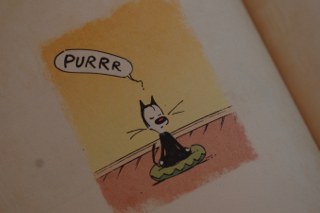
Contrary to popular belief, we zen kitties do enjoy books, especially lying on them while the humans are attempting to read. Though they get grumpy about it, we are actually doing them a great service as most books tend to fill their minds with yet more concepts and ideas. Our presence can be just the thing to jolt them back into the present moment of awareness.

Perusing my library

Recently however I allowed them to continue their evening reading unmolested as I was pleasantly surprised to find them enjoying this book.

Written by Eckhart Tolle it’s a celebration of the simplicity, love and simple reminders to be where you are now that we animals so selflessly gift to our human friends.

There are a few too many dogs in it for my liking but the author obviously knows what he is talking about, quite unusual for a human I must say.

I recommend everyone read it and feel suitably humbled in the presence of their animal companions.
Giveaway Winners!

Thank you to everyone who entered the giveaway and left such beautiful comments. It really warmed my heart to read them.

My husband has pulled a couple of names from the hat and the winners are as follows:

The rose blend goes to Maggie and the print to Jen. If you could both email me your postal addresses at whisperingearth@gmail.com I will get them out to you in the next few days.

Despite being generally very lucky, I am the kind of person who never wins anything so I thought I would try to avoid too much disappointment by offering everyone who wished to win the print a postcard version of it instead. I am only just getting postcards made up now so there may be a short delay in getting them to you but if you email me at the above address I’ll send you one out when they are ready. I’m sorry I can’t offer everyone some rose blend as well but my budget can’t quite stretch that far!

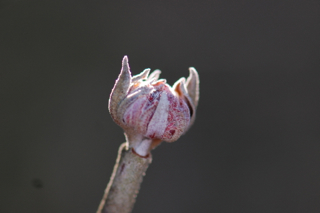
I’ll leave you with a few photos of the awakening spring buds here on the South Downs.

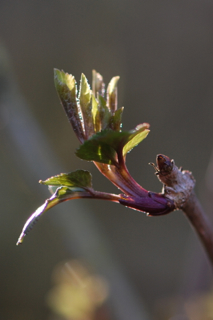
The fresh growth of elder gives me such a thrill, truly one of my favourite plant allies, in so many ways.

And the small but gloriously fat buds of the wayfaring tree are so lovely at this time of year.

All of nature rejoices when spring is in the air!

It’s hard to believe it but somehow another year has rolled around and Whispering Earth celebrates its second birthday today. So once again I would like to mark the occasion with a brief retrospective of my highlights from the year past and another little giveaway. I couldn’t decide which of them to offer so I have settled on two small gifts, both seasonal in their own way.

Firstly, as it is Valentine’s day, I will be giving away a 20ml dropper bottle of organic rose otto essential oil blended with organic jojoba at 2.5%. This can be used as an addition to massage blends or face oils or rubbed into the neck as perfume. However I most recommend you use a few drops massaged over the heart area in a gentle circular motion as a meditative and nurturing way to relax, encourage deep breathing and open your heart. As you may know, rose otto is the most expensive essential oil in the world and 500 roses go into making just the amount that is found in this blend. Therefore it is so important to use rose, or any oil, with the awareness of how precious it is and with every drop valued as a gift from nature.

As the snow is only just beginning to melt here I thought I would offer an A4 sized print of my Winter Solstice picture as an alternative for those who would prefer it. It was painted last winter when the snow lay thick on the ground and we were unable to get to work for several days.

To enter the giveaway just leave a comment below this post with your name and the item you would like to win. I will pull two names from the hat in a weeks time. As both items are light I am happy to send them abroad.

Now I shall turn back, briefly, and remember the highlights of a year spent in nature; connecting, observing, harvesting, writing and rejoicing in the many gifts and subtle lessons she brings.

Last February I was enjoying playing with cinnamon and reading inspiring books by the fire.

In March I was dreaming of violets and exploring the new growth of elder through Goethean observation.

April saw me celebrating spring flowers and enjoying ground ivy.

In May I was making hawthorn flower remedies and loving the abundant cowslips.

June arrived to find me making salves, ointments and balms and talking about milk thistle.

In July I was happy in the company of Motherwort and enjoying simple summer teas.

August saw me making up poultices and compresses and celebrating the wildlife in my garden.

During September I spoke about two old favourites of mine, Yarrow and Calendula.

By the time October rolled around I was ready for some nourishing herbal soups and a bit of philosophising.

November came and I was in the mood for storytelling as well as sharing some tips on making breast massage oils.

And then December and a series of cream making posts beginning with this one.  Also a round up of my year spent with Hawthorn.

Finally, my blogging year ended in January with thoughts on interbeing and some pictures of my Dad’s marvellous mushrooms!

I do so hope you have enjoyed at least a few of the posts I have shared over the year and I hope this next year will be just as magical.

I would like to round up by sharing a poem that I love with you. Part celebration of the natural world and part love poem, it stirs a sigh and a smile from the vast unknown.

Canal Bank Walk  by Patrick Kavanagh

Leafy-with-love banks and the green waters of the canal
Pouring redemption for me, that I do
The will of God, wallow in the habitual, the banal,
Grow with nature again as before I grew.
The bright stick trapped, the breeze adding a third
Party to the couple kissing on an old seat,
And a bird gathering materials for the nest for the Word
Eloquently new and abandoned to its delirious beat.
O unworn world enrapture me, encapture me in a web
Of fabulous grass and eternal voices by a beech,
Feed the gaping need of my senses, give me ad lib
To pray unselfconsciously with overflowing speech
For this soul needs to be honoured with a new dress woven
From green and blue things and arguments that cannot be proven.